


Edwardian Walnut Vanity
Edwardian walnut vanity pieces bring warmth and refined function to a bedroom, offering rich wood grain and practical mirrors.
Edwardian Walnut Vanity
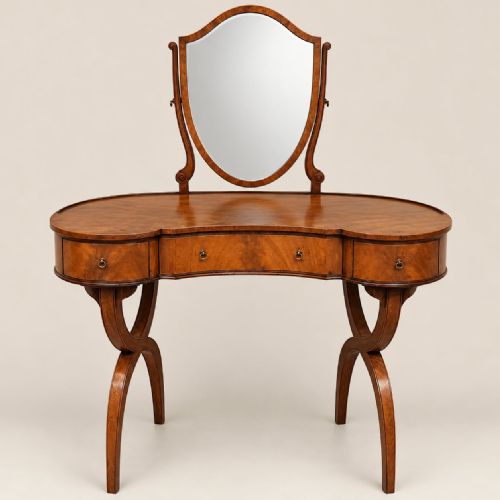
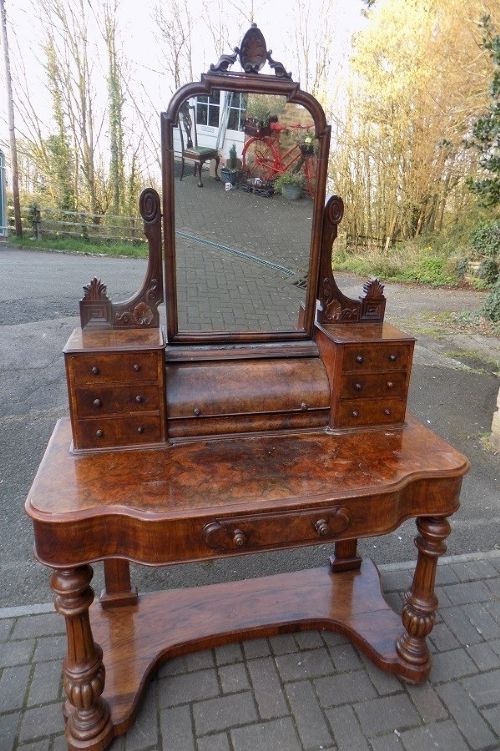
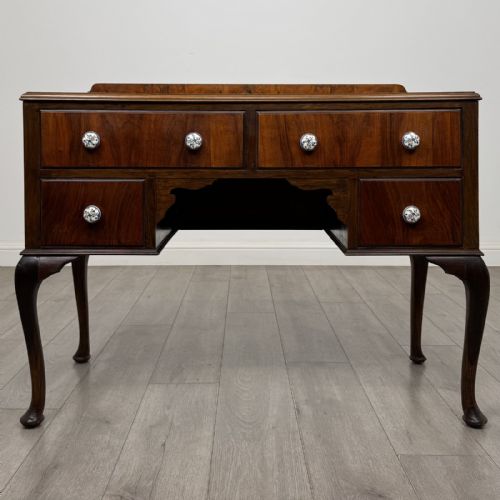
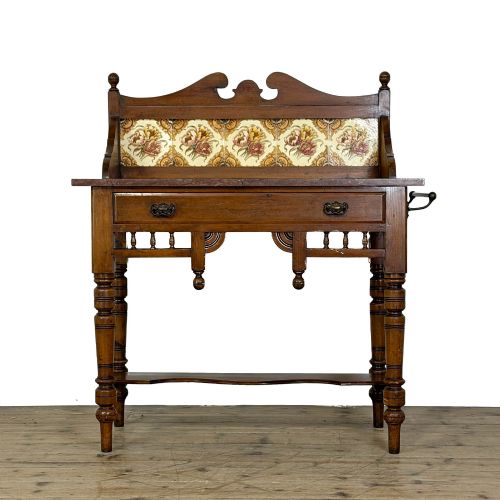
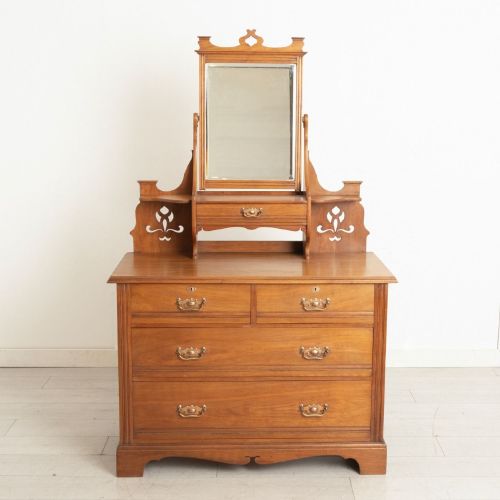
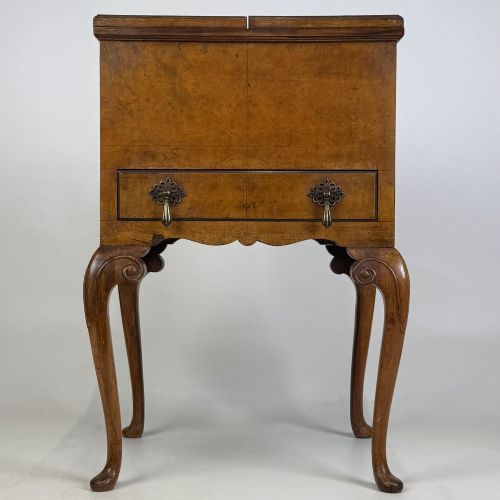
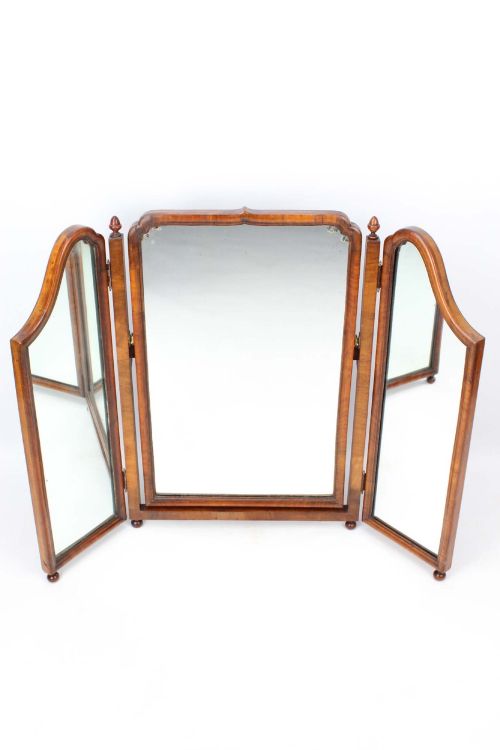
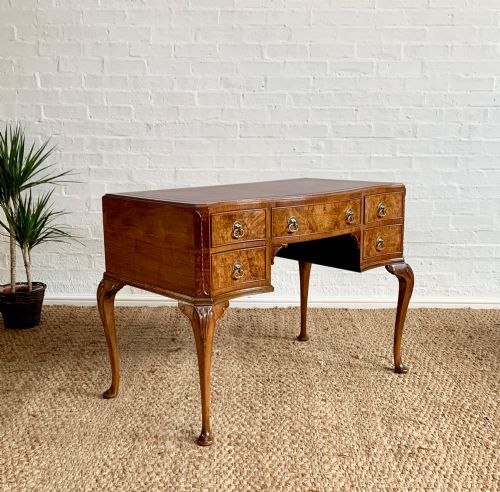
When you search for an Edwardian walnut vanity, you look at dressing tables, cheval mirrors, and washstands primarily from the Edwardian and Victorian periods, often styled with Queen Anne or Art Deco influences.
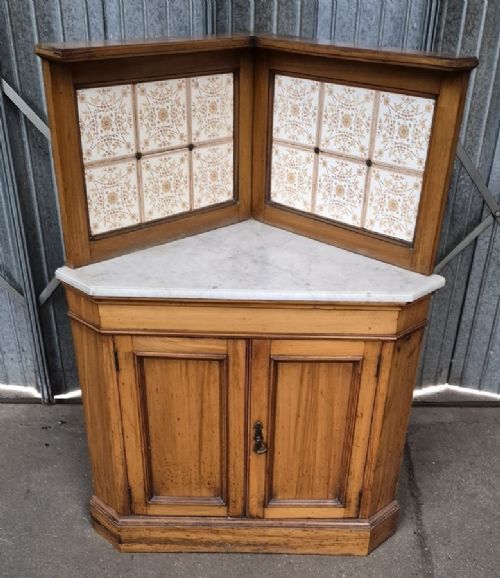
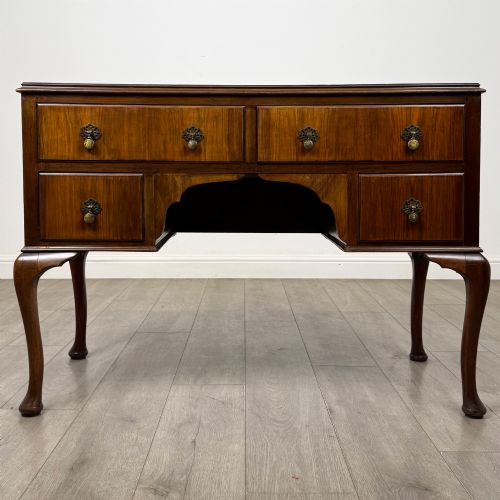
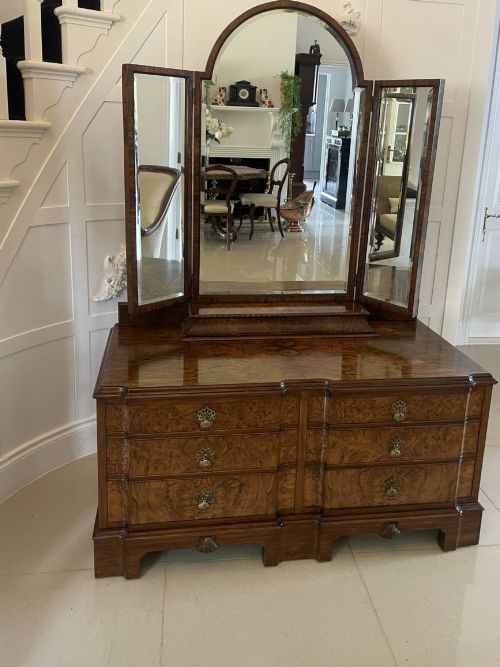
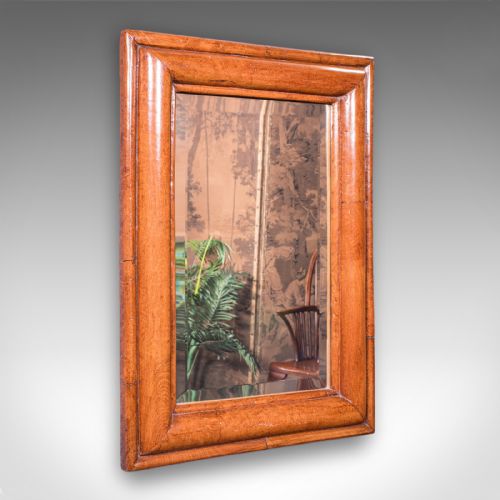
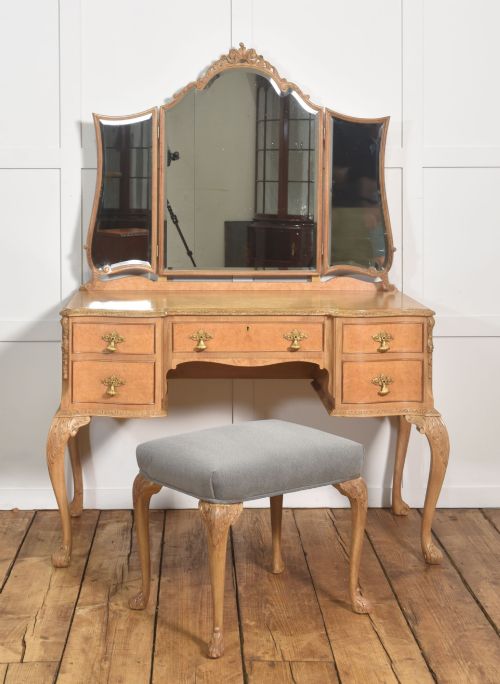
The pieces appearing on this page range from full dressing chests with triple mirrors to compact writing tables and reception hall vanity mirrors.
Makers utilised rich timber variants such as burr walnut and golden walnut to construct these bedroom and hall furnishings, frequently pairing them with marble tops or bevelled glass.
Materials and construction
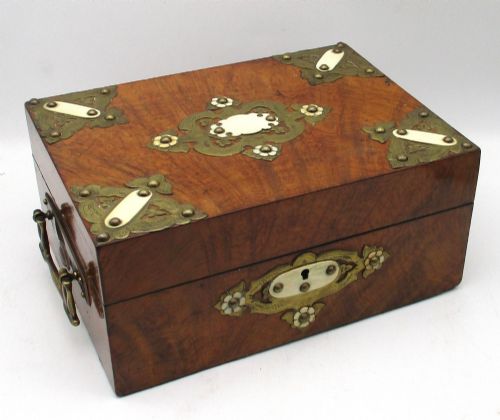
Cabinet makers constructed these pieces using solid walnut and decorative veneers like burr walnut, laid over secondary timbers to create striking figurative patterns across drawer fronts and table tops.
Fittings typically include brass handles, hinges, and mounts, alongside bevelled mirror glass and occasionally marble inserts for washstands and dressing surfaces.
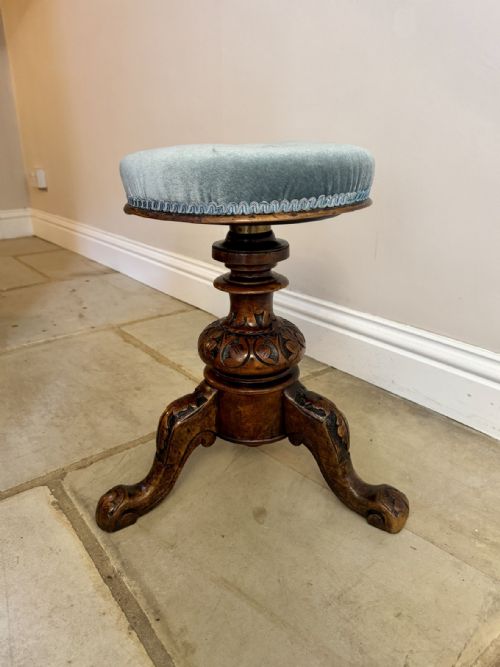
Upholstered companion pieces utilise textile covers and traditional padding, while structural frames rely on sturdy joinery and carved wooden details.
Edwardian Walnut Vanity Retail Price Guide 2026
Typical asking prices for edwardian walnut vanity among the pieces listed under this phrase on Sellingantiques today, from the lower quarter to the upper quarter. They describe what is for sale here now, not the wider market.
Listings feature walnut, burr walnut, marble, brass, and glass across Victorian and Edwardian periods.
Judging the work
Quality rests heavily on the choice of veneer, where richly figured burr walnut or oyster veneering elevates a piece far above plain timber surfaces.
The crispness of carved details, the integrity of the original mirror glass, and the smooth operation of drawers demonstrate the skill of the original workshop.
Attribution to notable cabinet makers or firms adds distinct weight, as does the presence of matching original components like brass hardware and accompanying stools.
Wylie & Lochhead Glasgow·Maple's of London·Lamb of Manchester·Walker & Sons·Maurice Adams
The Edwardian Walnut Vanity Glossary
- Burr walnut
- A prized timber cut from walnut tree growths, yielding highly swirling, decorative grain patterns. Cabinet makers utilised these veneers on primary display surfaces.
- Bevelled glass
- Mirror glass with angled edges polished to a sloped border. This technique adds depth and traditional character to vanity mirrors.
- Cheval mirror
- A full-length mirror hung in a frame that allows it to tilt. These freestanding glasses often sat upon dressing tables or floors.
- Kneehole desk
- A desk or dressing table featuring a central recessed space for the legs, flanked by pedestals of drawers. This form provides compact storage.
Edwardian Walnut Vanity: Frequently Asked Questions
How do I clean walnut furniture?
Dust surfaces regularly with a soft, dry cloth to prevent dirt buildup on the veneer.
Avoid chemical polishes and keep pieces away from direct sunlight to protect the timber's natural tone.
Are these mirrors original?
Many pieces retain their original bevelled glass plates, which may show light, characteristic age spots.
Replacements do occur on older items, so checking the mirror backing and silvering helps determine originality.
Can I use a washstand as a vanity?
Marble-topped washstands offer a durable, water-resistant surface well-suited for modern bathroom or bedroom use.
Their height and built-in ledges mirror the practical layout of traditional dressing tables.
What defines Edwardian style?
Edwardian furniture often lightens heavy Victorian proportions, drawing inspiration from earlier periods like the eighteenth century.
Designs frequently incorporate Queen Anne Revival elements such as cabriole legs and warm walnut tones.