
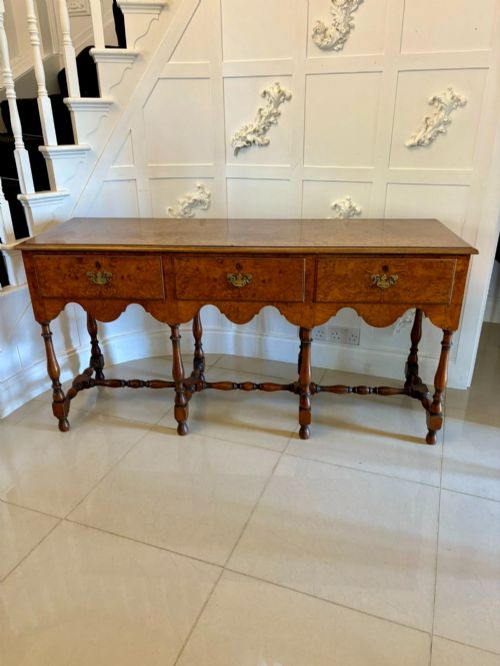
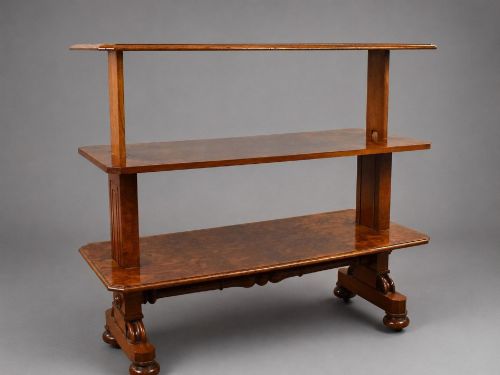
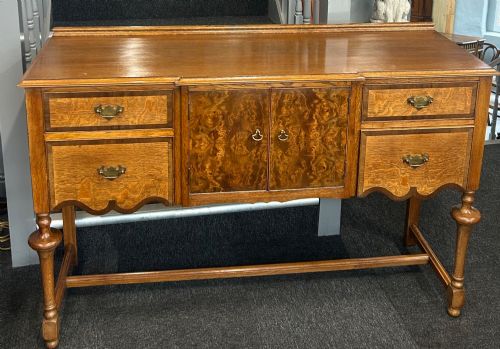
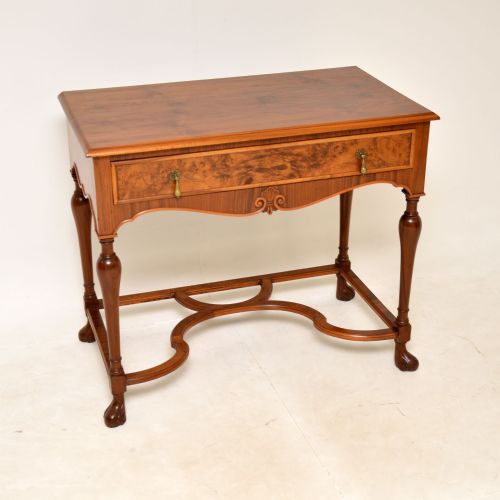


Edwardian Walnut Server
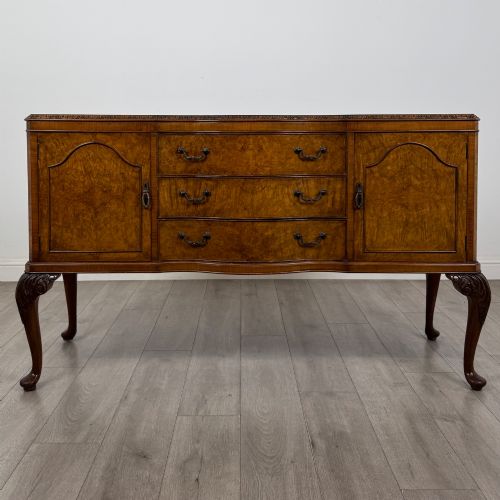
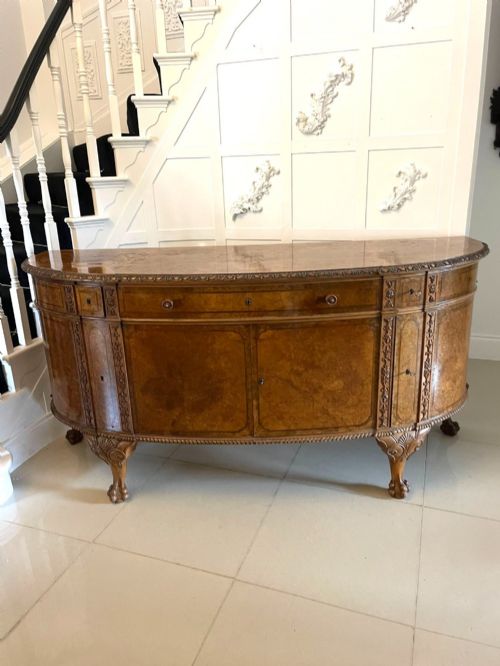
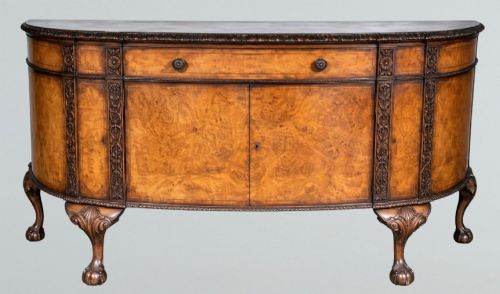
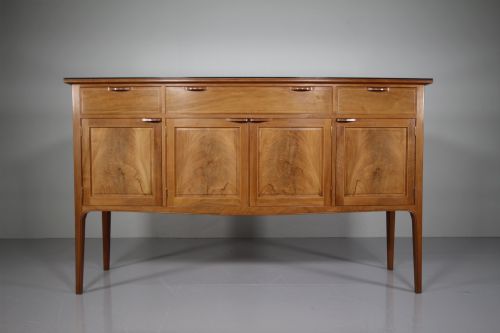
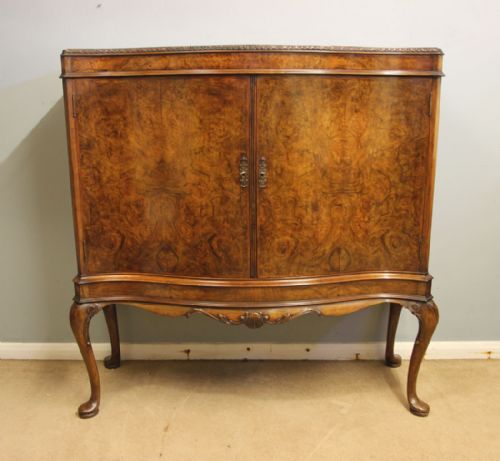
An Edwardian walnut server brings rich timber grain and practical dining room storage into the home.
Edwardian Walnut Server
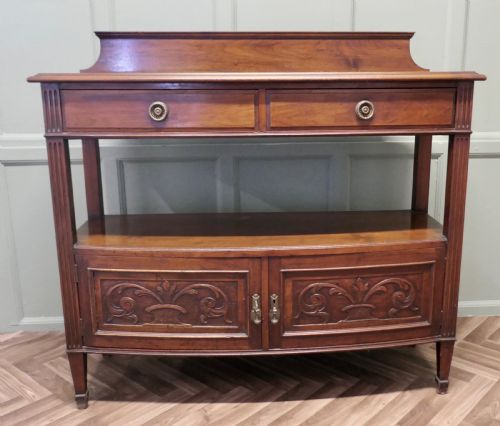
An edwardian walnut server is a substantial dining room piece designed for serving food and storing tableware, appearing frequently in forms such as sideboards, buffets, and console tables. These items combine the domestic utility of the late nineteenth and early twentieth centuries with warm timber tones, often incorporating cupboards and drawers.
While the search points to Edwardian origins, the pieces meeting this description span the Victorian, Edwardian, and subsequent twentieth century periods. Buyers will encounter both modest side tables and grander breakfront or bow-fronted sideboards constructed with varying proportions to suit different dining spaces.
Assessing quality in walnut servers
Quality rests primarily on the selection of the timber veneer and the depth of the figuring across the main panels and drawer fronts. Superior examples exhibit matched grain patterns and careful construction that maintains structural integrity over decades of use.
The sophistication of the carving, the integration of original brass fittings, and the presence of maker stamps or specific regional attributes elevate certain pieces above standard utilitarian furniture.
Edward Barnsley·Whytock and Reid
The Edwardian Walnut Server Glossary
- Burr walnut
- A veneer taken from the warted growth on a walnut tree, prized for its swirling, highly figured grain patterns. It creates a decorative surface used on prominent doors and drawer fronts.
- Breakfront
- A piece of furniture featuring a central section that projects forward from the flanking sections. This configuration adds architectural depth and visual weight to larger sideboards.
- Dumbwaiter
- A multi-tiered movable serving piece used for holding dishes or cutlery during meals. These items often feature adjustable tiers or pivoting shelves.
- Marquetry
- The art of applying pieces of veneer to a structure to form decorative patterns and pictures. Craftsmen utilise various wood types to achieve tonal contrast.
Edwardian Walnut Server: Frequently Asked Questions
What is an edwardian walnut server used for?
These pieces serve as functional storage furniture in dining rooms, providing surface space for food presentation and compartments for cutlery and linens.
Cabinets and drawers keep tableware organised while the top surface functions as a serving area during meals.
How do I date a walnut server?
Dating relies on observing stylistic markers, construction techniques, and hardware choices associated with periods from the late nineteenth century through the early twentieth century.
Revival styles and specific school influences also offer clues to the decade of manufacture.
Are these servers made of solid walnut?
Many pieces combine solid walnut frames with burr walnut or figured walnut veneers applied to the visible surfaces.
Secondary woods like oak are frequently employed in interior framework and drawer linings.
How do I maintain walnut furniture?
Keep wooden surfaces away from direct heat sources and strong sunlight to prevent the timber and veneer from drying out or fading.
Regular dusting and occasional treatment with appropriate wood care products preserve the finish.