

Edwardian Vesta Holder
An edwardian vesta holder is a compact metal case designed to carry matches safely in the pocket, combining practical utility with the fine silversmithing of the period.
Edwardian Vesta Holder
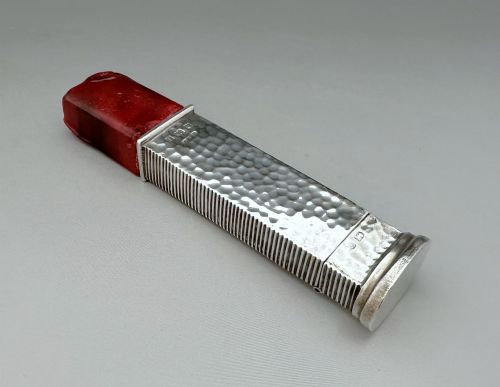
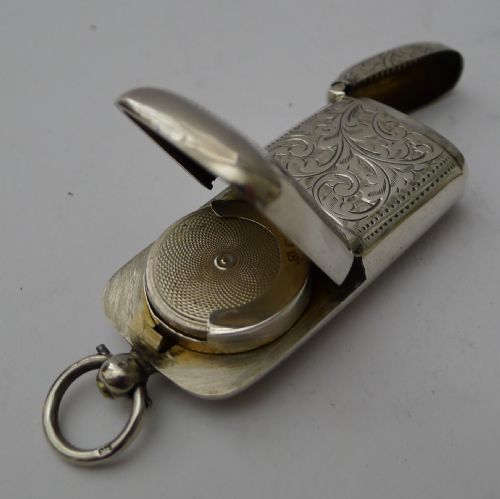
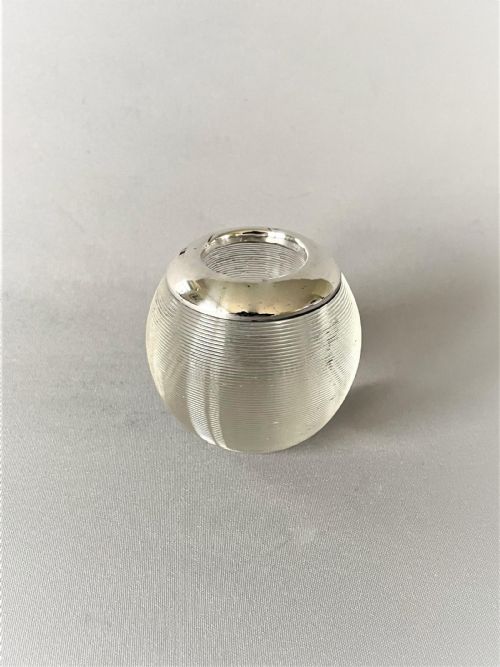
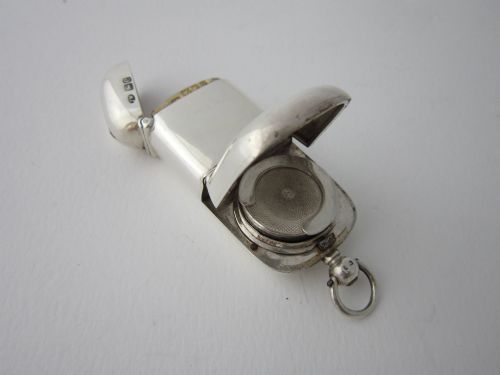
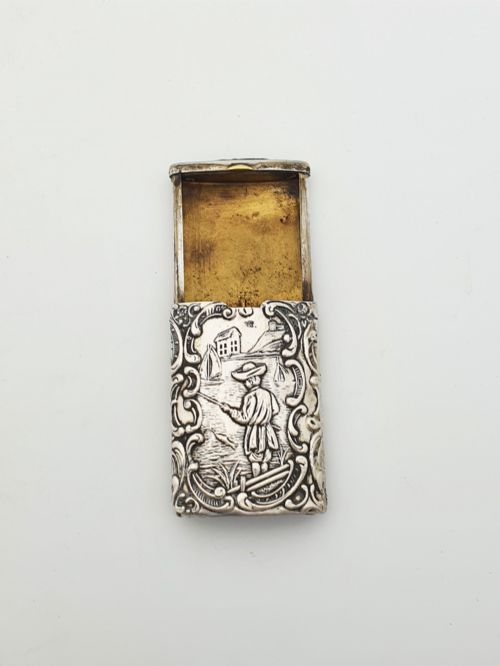
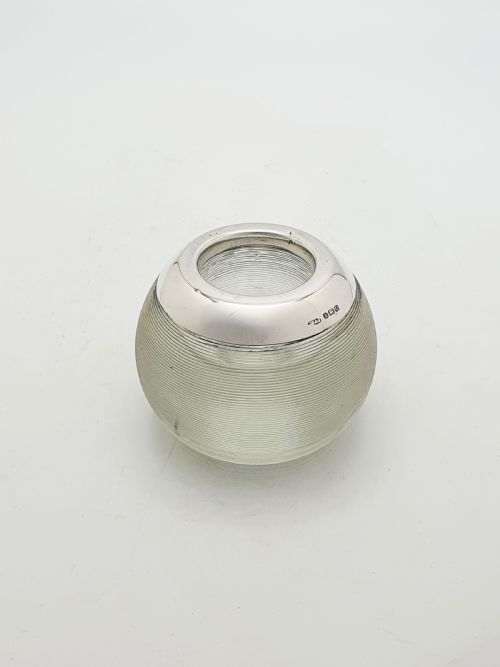
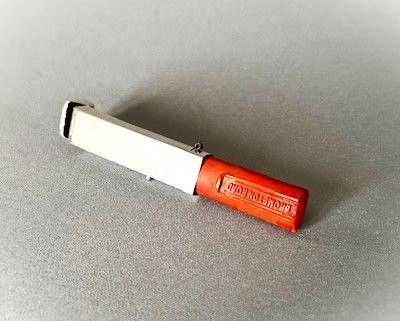
An edwardian vesta holder primarily takes the form of a hinged pocket case for safety matches, though the selection also includes desk match strikers in glass and metal, and combination pieces that house sovereigns or sealing wax alongside the matches. These objects date predominantly from the Edwardian years and the surrounding decades, reflecting the ubiquity of smoking in daily life during the early twentieth century.
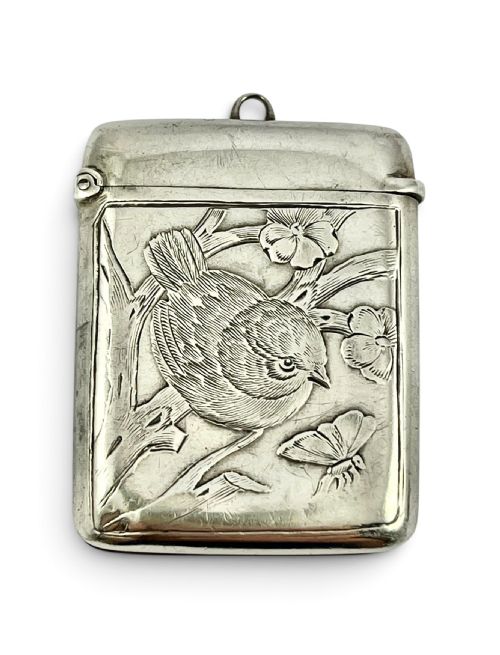
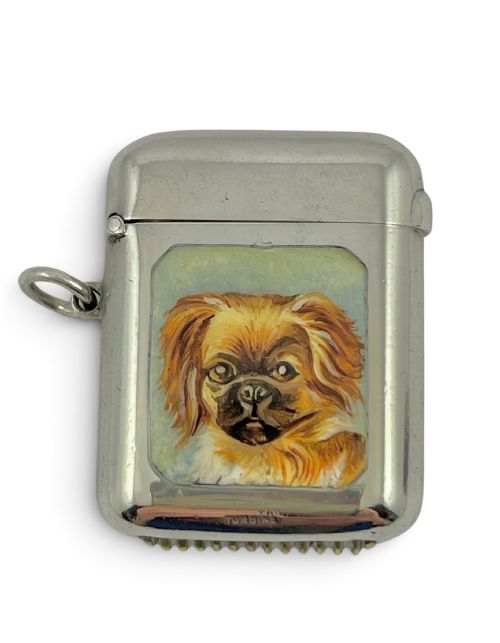
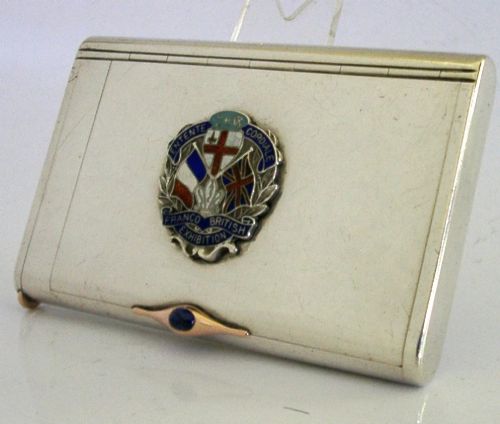
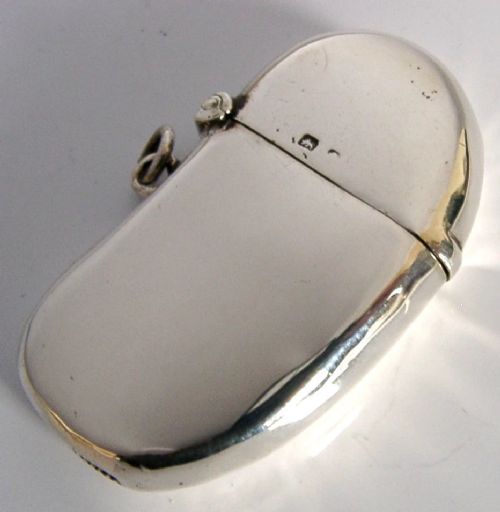
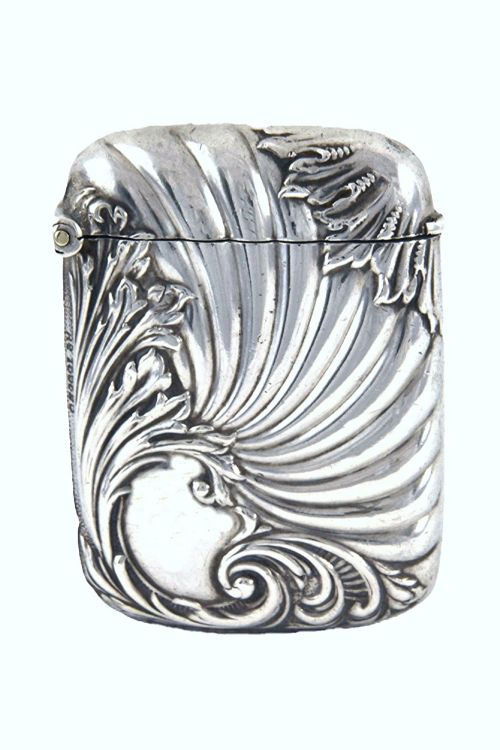
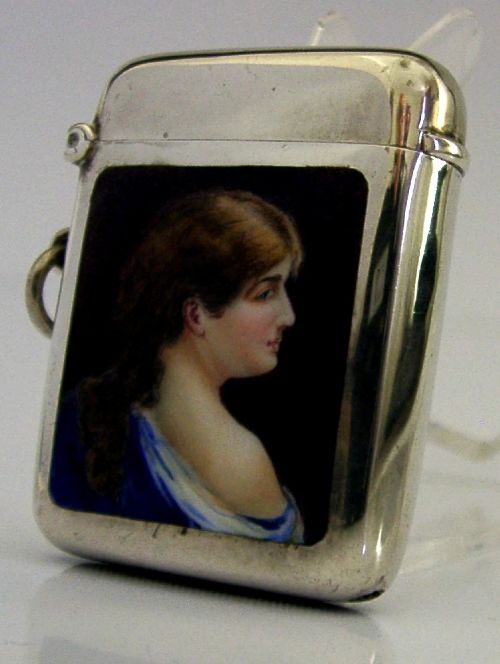
The items range from plain sterling silver rectangular boxes to novelty shapes such as animals, kidney beans, and portrait faces, alongside pieces decorated with vitreous enamel or gold highlights. Many bear hallmarks from assay offices in Birmingham, Chester, and London, establishing their exact year of manufacture and maker.
Buyers will encounter standard pocket vesta cases alongside less common forms like match strikers mounted with textured glass or combined with watch chains. The selection captures both utilitarian pocket items and high-status presentation pieces commissioned for royal or commemorative purposes.
How they were made
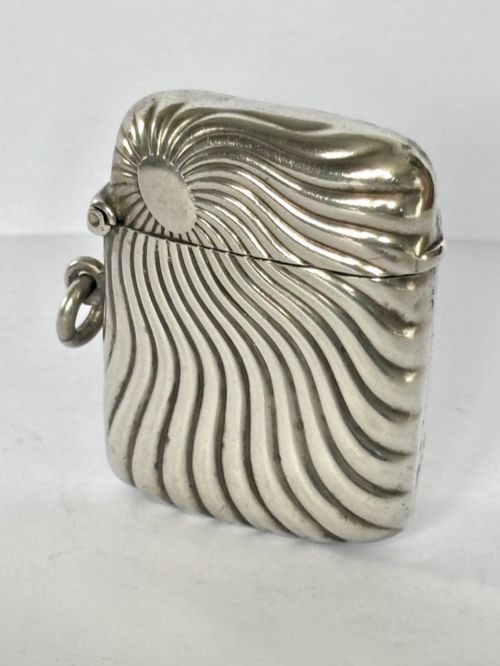
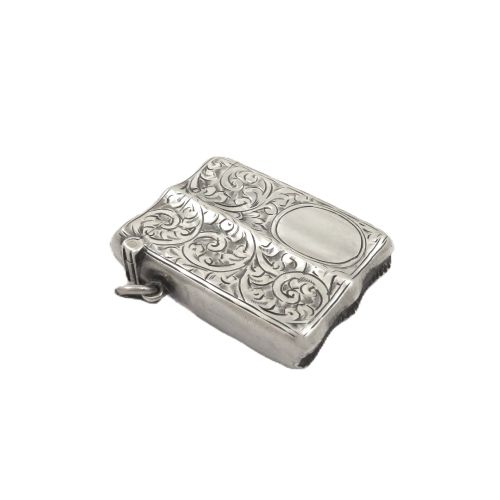
Silversmiths constructed most edwardian vesta holder examples from sterling silver, shaping the bodies through pressing, stamping, or hand-beating before applying engraved patterns, repoussé relief, or engine-turned textures. Many incorporate a serrated stripe on the base or side for striking the match head.
Where colour and ornament enrich the metal, artisans applied vitreous enamel by fusing powdered glass to the silver surface under high heat, occasionally producing hand-painted portraits or crests. Glass match strikers pair heavy, textured glass bodies with silver rims and mounts.
Makers integrated functional elements such as spring-loaded hinged lids to keep matches dry, internal compartments for wax seals, and rings for attachment to watch chains. Secondary metals like gold, nickel-plated brass, and continental silver appear in specific variants.
What varies in quality
The distinction between standard production items and superior pieces rests on the complexity of the design and the execution of the decoration. Hand-painted enamel work, intricate repoussé figural forms, and novel mechanical combinations command greater attention than simple engine-turned boxes.
Maker attribution influences the standing of a piece, with well-documented workshops producing crisper hallmarks, heavier gauge silver, and tighter lid closures that prevent accidental opening in the pocket. The crispness of the striker ridges and the preservation of the enamel determine the overall integrity of the surviving object.
Robert Chandler·Sampson Mordan·William Hair Haseler·Alfred Clark·Raphael Tuck & Sons
The Edwardian Vesta Holder Glossary
- Vesta case
- A small pocket box designed to hold safety matches, known as vestas, equipped with a striking surface. They were essential daily accessories before the widespread availability of disposable lighters.
- Match striker
- A heavy desk accessory, often made of textured glass with a silver mount, featuring a rough surface designed specifically for igniting matches. These sat on smoking tables and desks.
- Vitreous enamel
- A material made by fusing powdered glass to a metallic substrate at high temperatures. It provides durable, glossy colour decoration on silver surfaces.
- Repoussé
- A metalworking technique where the artisan hammers the design from the reverse side to form a raised relief on the front. This method created the figural motifs seen on decorative cases.
- Hallmark
- An official stamp applied by an assay office indicating the purity of the metal, the town of testing, and the year of manufacture. British silver carries distinct marks for date and maker.
Edwardian Vesta Holder: Frequently Asked Questions
What is a vesta case?
A vesta case is a small pocket container used to hold and protect safety matches. They featured an integrated striking surface on the exterior.
These accessories were carried daily by both men and women during the late Victorian and Edwardian periods.
How do you use a match striker?
Match strikers were designed for stationary use on desks, tables, or mantelpieces rather than for pockets. The textured glass or metal surface provided the friction needed to ignite a match.
Users would draw the match across the rough area while holding the box or heavy glass base steady.
How do I date an edwardian vesta holder?
Dating relies primarily on the clear hallmarks stamped into the silver by assay offices such as Birmingham, Chester, or London. A specific letter punch corresponds to the year of manufacture.
Stylistic cues like Art Nouveau curves or specific presentation inscriptions also help narrow down the production period.
What are combination vesta cases?
Combination pieces house an additional functional compartment alongside the match storage area. Common variations include holders combined with sovereign cases or sealing wax containers.
These multi-purpose items offered greater utility for travellers and gentlemen of the period.