




Edwardian Vanity Tray
An Edwardian vanity tray sits upon a dressing table to hold perfumes, pins, and small trinkets with quiet elegance.
Edwardian Vanity Tray
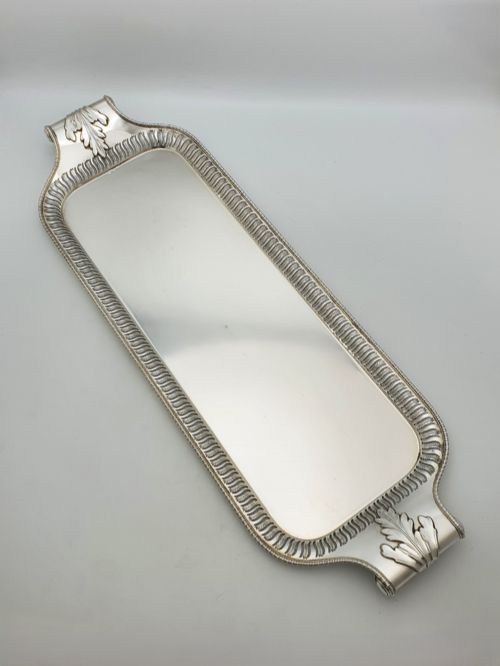
The edwardian vanity tray forms part of the dressing table landscape, designed to hold brushes, jars, and pins. These pieces appear most frequently in sterling silver, silver plate, and glass, alongside occasional wood veneer examples.
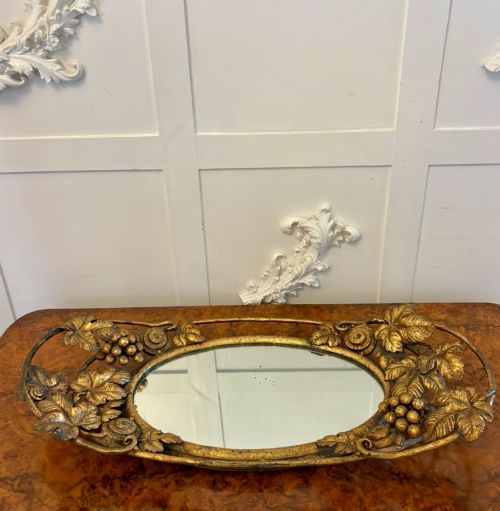
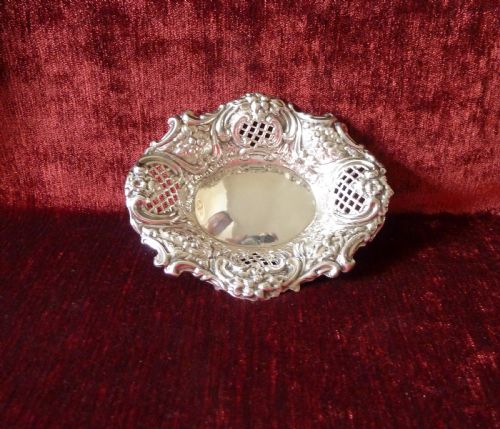
Makers shaped these trays in oval, rectangular, and round forms, often incorporating pierced borders, mirrored bases, or repoussé decoration. Alongside dressing table trays, the selection includes trinket dishes, serving trays, and card trays from the period.
How they were made
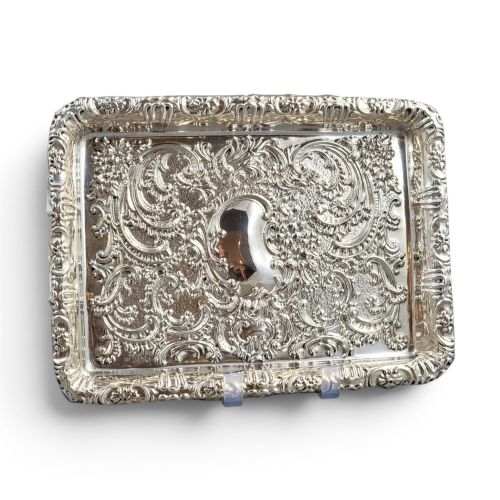
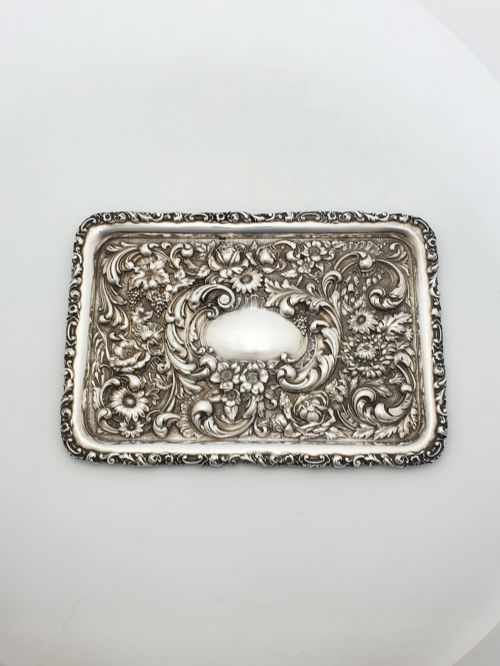
Silversmiths utilised sterling silver and silver plate, shaping metals through hammering, piercing, and repoussé techniques to create floral and figural motifs. Workshops also combined gilt metal with mirrored glass for drinks and vanity serving pieces.
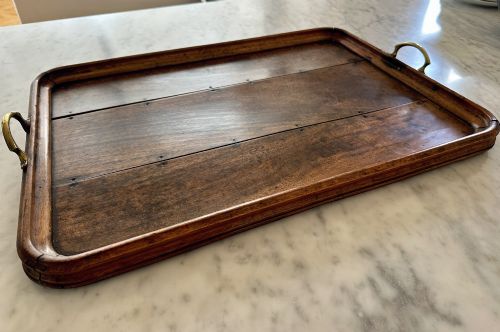
Woodworking craftsmen produced oyster veneered walnut and ebonised timber frames, whilst potteries supplied porcelain components for dressing table sets.
Edwardian Vanity Tray Retail Price Guide 2026
Typical asking prices for edwardian vanity tray among the pieces listed under this phrase on Sellingantiques today, from the lower quarter to the upper quarter. They describe what is for sale here now, not the wider market.
Materials across the selection range from sterling silver and silver plate to walnut veneer, gilt metal, glass, and porcelain.
What varies in quality
The distinction in quality rests upon the crispness of the repoussé work, the weight of the sterling silver or silver plate, and the clarity of any mirrored or cut glass inserts. Heavily detailed floral and figural designs demand greater skill from the silversmith.
Subtleties in the joinery of wooden trays and the delicacy of pierced metal borders separate standard production items from finer workshop pieces.
Robert Pringle & Sons·Hukin & Heath·William Comyns
The Edwardian Vanity Tray Glossary
- Repoussé
- Metalwork hammered or pressed from the reverse side to form a raised design on the front. This technique defines many floral motifs on silver trays.
- Gallery tray
- A tray featuring an upright pierced or solid metal gallery border around the edge. This feature prevents items from sliding off the surface.
- Oyster veneer
- Wood veneer cut across branches to reveal circular growth rings resembling oyster shells. Walnut examples showcase this distinctive patterning.
- Silver plate
- A base metal coated with a thin layer of silver. Many serving and cocktail trays utilise this method to achieve the appearance of solid silver at a different scale.
- Card tray
- A small small-scale tray originally intended for presenting visiting cards. These pieces share similar dimensions and materials with trinket trays.
Edwardian Vanity Tray: Frequently Asked Questions
What is an Edwardian vanity tray used for?
These trays rest upon dressing tables to organise perfumes, trinkets, pins, and hair accessories. They keep small personal items neatly contained.
Historically, they formed part of larger matched dressing table sets used during the early twentieth century.
How do I clean silver vanity trays?
Silver trays require gentle cleaning with a specialist polish and a soft microfibre cloth to preserve the surface details. Avoid harsh abrasives that remove thin plating or soften repoussé work.
Mirrored or glass inserts should be wiped separately to prevent moisture seeping beneath the backing.
How can I tell Edwardian silver from Victorian pieces?
Edwardian silver bears hallmarks indicating the reign of King Edward VII, spanning from 1901 to 1910, alongside specific town marks and date letters. Stylistically, Edwardian pieces often display lighter floral and neoclassical motifs compared to heavier Victorian designs.
Assay office symbols help confirm the exact year and location of manufacture.
Are these trays suitable for serving drinks?
Mirrored or silver plated trays with handles work well for serving small glasses and drinks. Lighter trinket or card trays serve a purely decorative and organisational purpose.
Checking the base construction and border strength ensures the tray suits its intended use.