
Edwardian Vanity Stand
An edwardian vanity stand brings practical daily grooming to a bedroom, offering a dedicated surface or mirror designed for personal care.
Edwardian Vanity Stand
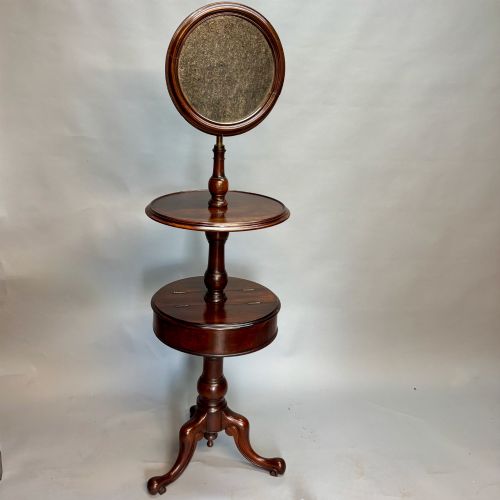
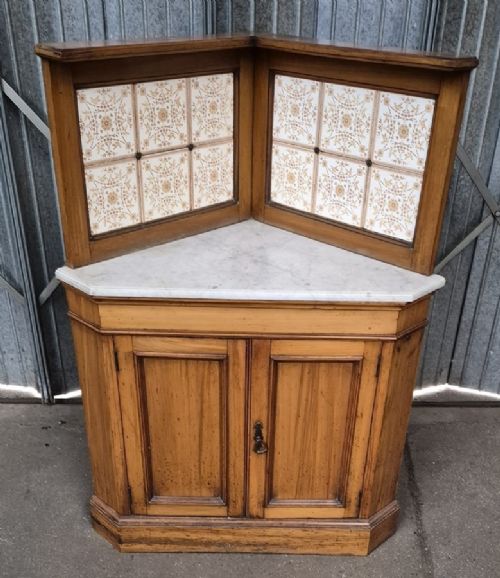
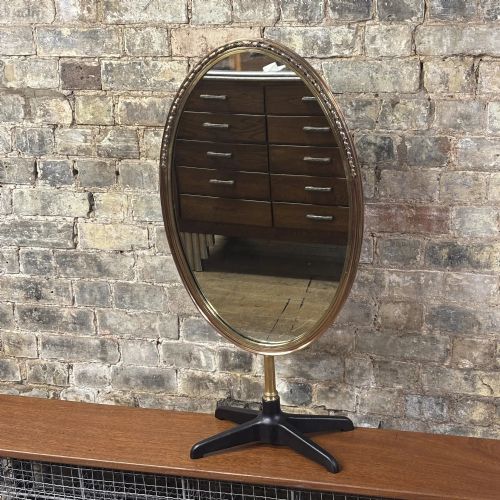
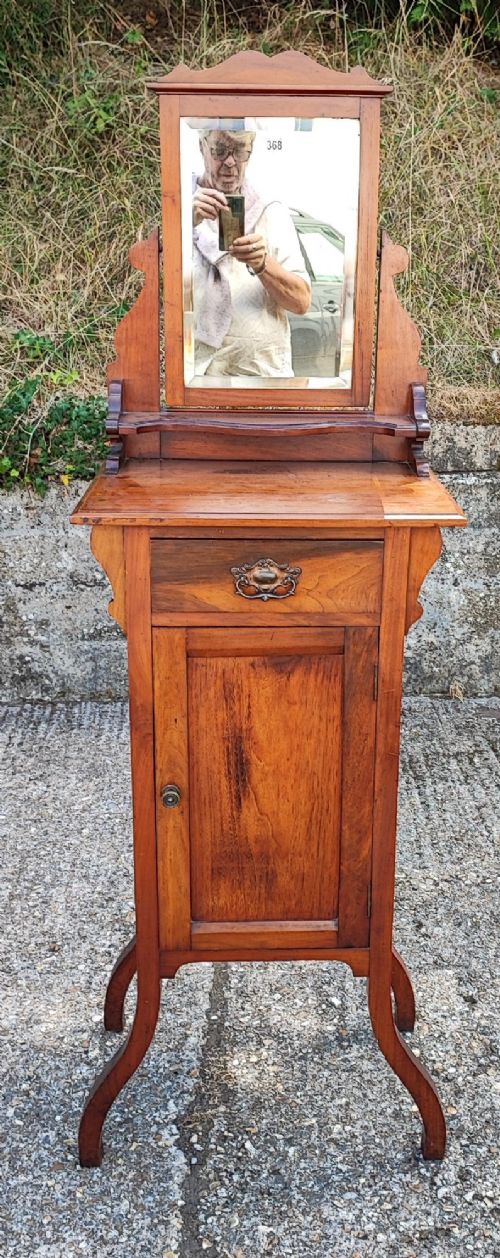
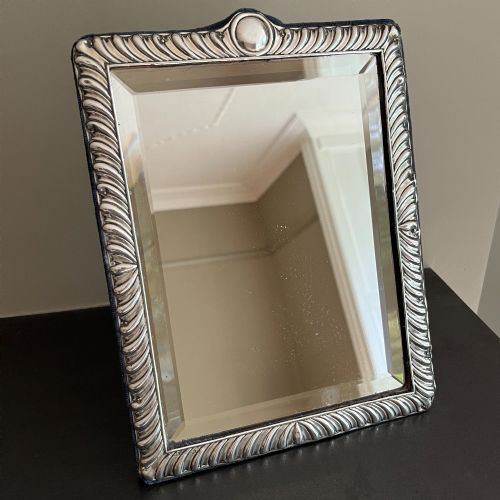
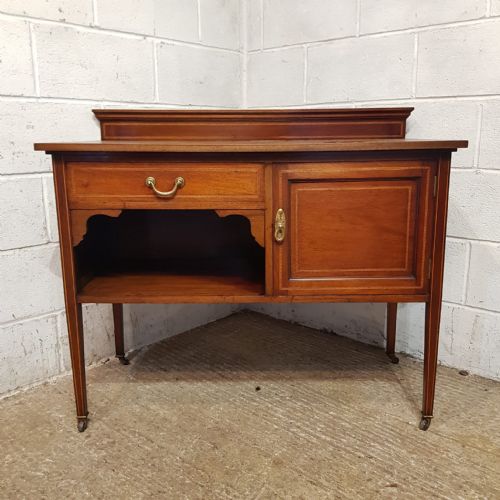
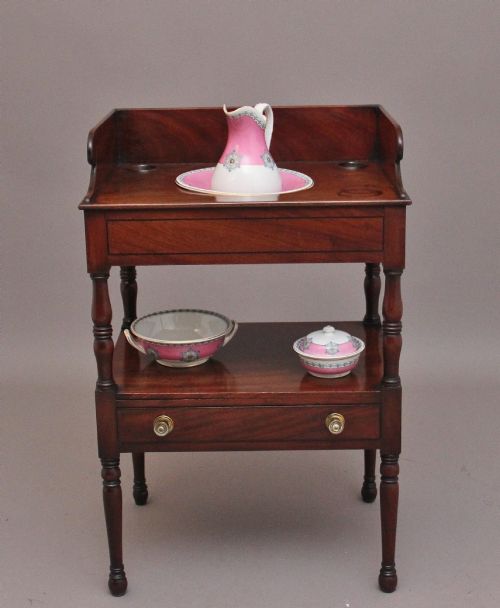
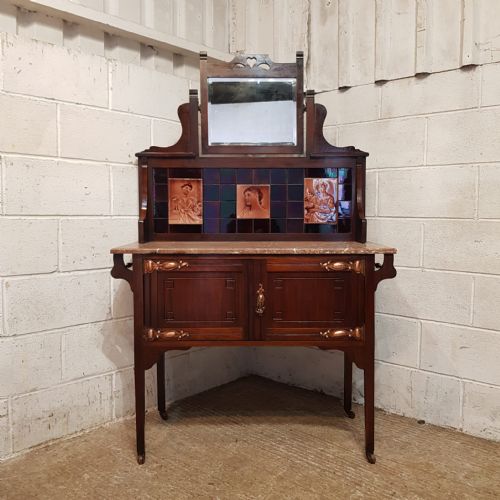
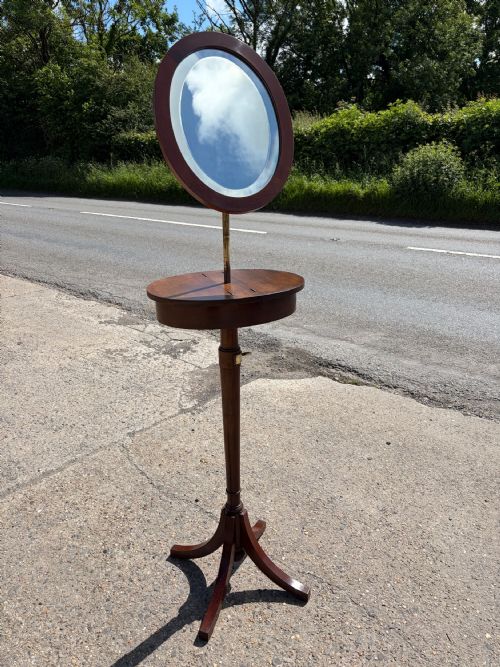
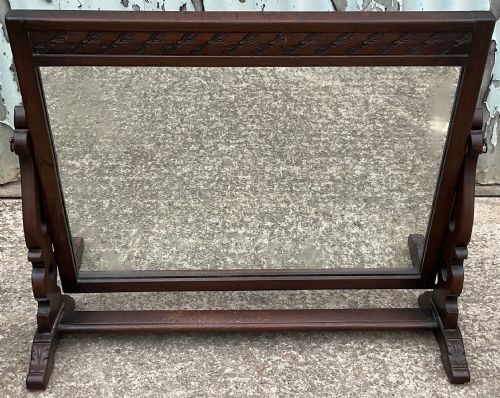
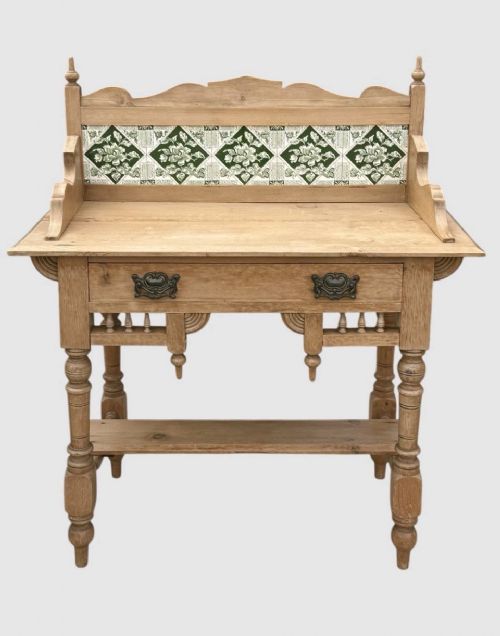
When you search for an edwardian vanity stand, you encounter pieces spanning the late nineteenth century through to the nineteen-thirties, with a strong concentration around the nineteen-hundreds. The selection on this page bridges several related wash and mirror forms, including mahogany and pine washstands alongside table mirrors and shaving stands.
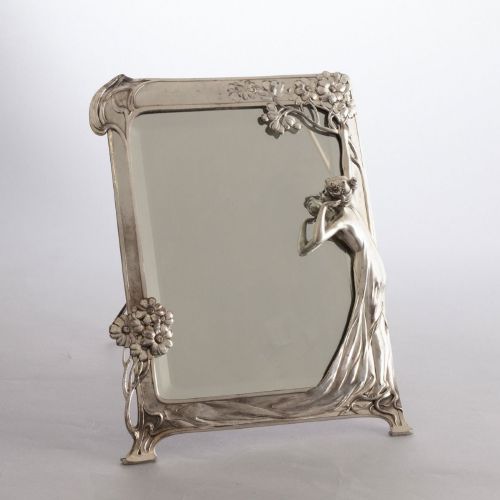
Makers working within the Edwardian period utilised durable timbers and fitted marble tops, while earlier Victorian examples bring heavier mahogany and walnut construction into the mix. You also find Arts and Crafts and Art Nouveau influences shaping the woodwork and metal frames of these domestic furnishings.
Materials and construction
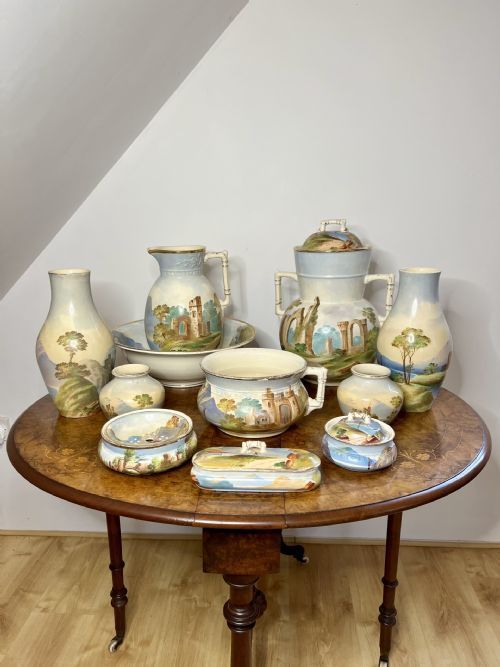
Cabinetmakers constructed the main framework using solid timbers like mahogany, walnut, oak, satinwood and pine, frequently applying boxwood inlay or polish to finish the wood. Marble tops provided a durable, water-resistant surface for washstands, paired sometimes with ceramic basins and decorative tiles.
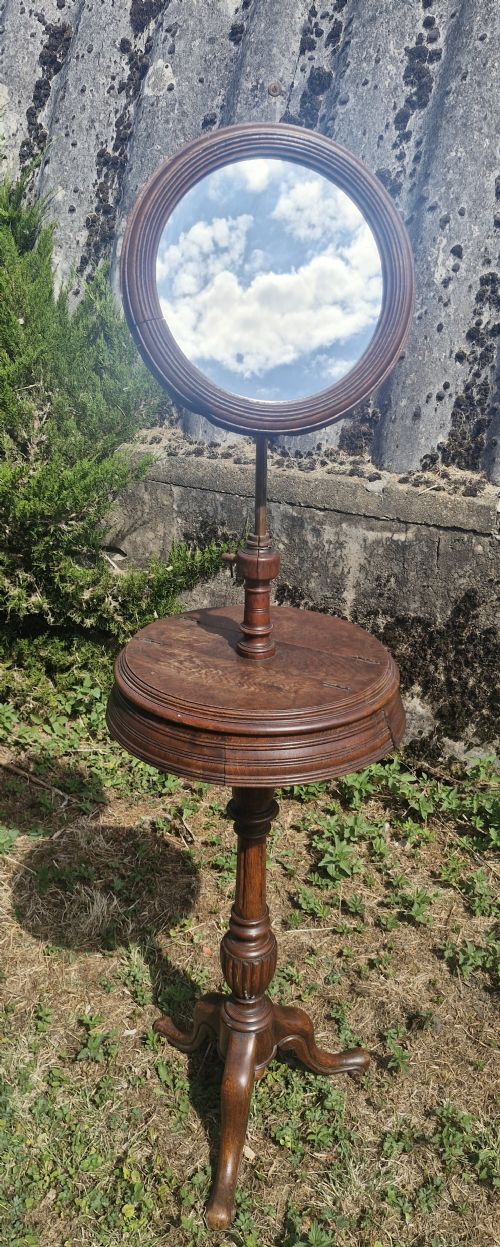
Metal components relied on brass, pewter and sterling silver for mirrors, repoussé frames and hardware such as adjustable struts and ring trees. Mirror glass was bevelled or etched, mounted onto pivoting frames or telescopic tripod stands to allow height and angle adjustments.
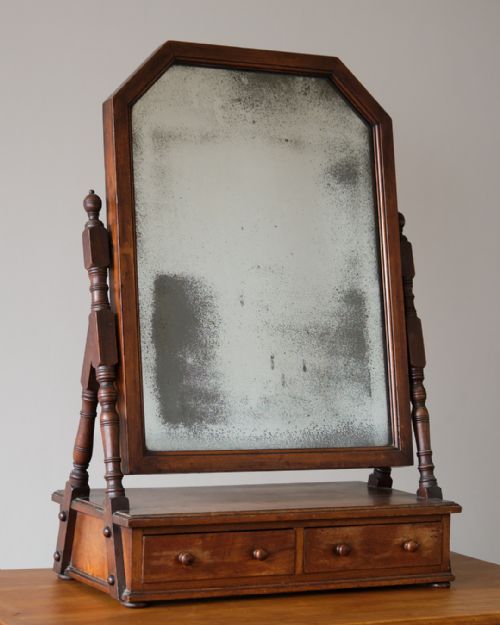
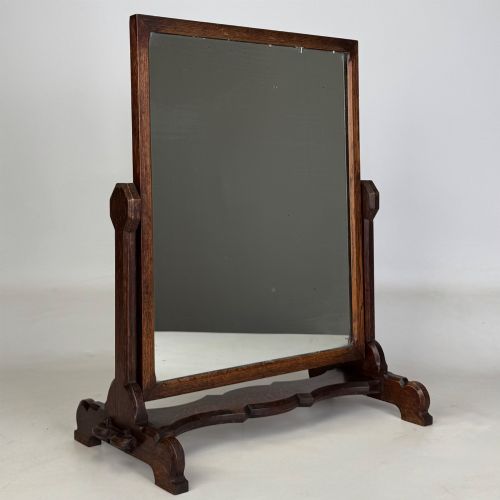
Object forms documented here range from washstands and shaving stands to cheval mirrors and small tabletop dressing glasses.
Judging the range
The distinction between standard utility furniture and superior pieces rests on the choice of timber, the presence of fine inlay, and the integrity of the marble or mirror glass. Workshops using figured satinwood or heavy rouge marble demonstrate higher craftsmanship than standard pine utility pieces.
Hardware and movement mechanics define the upper tier of shaving stands and dressing mirrors, where telescopic brass fittings and stamped metal mounts remain robust and precise. The inclusion of fitted vanity boxes or documented retailing provenance further separates standard bedroom items from exceptional examples.
Walker & Sons·WMF·Heal & Sons·Harrods·Mappin & Webb·James Shoolbred·Gillows
The Edwardian Vanity Stand Glossary
- Cheval mirror
- A freestanding full-length dressing mirror suspended in a frame that allows it to tilt. It typically stands on four legs or a secure floor base.
- Repoussé
- A metalworking technique where the artisan hammers the design from the reverse side to form raised decorative patterns on brass or silver. This adorns mirror frames and vanity accessories.
- Shaving stand
- An adjustable mirror and stand combination designed for gentlemen's grooming. It often incorporates small drawers, trays or tripod bases.
- Washstand
- A bedroom cabinet or table designed to hold a basin, jug and washing accessories. Many incorporate marble slabs and tiled backs to protect bedroom walls.
- Strut mirror
- A small table mirror supported by a hinged prop or leg at the back. These portable pieces sit easily on dressing tables.
Edwardian Vanity Stand: Frequently Asked Questions
What is an edwardian vanity stand used for?
These pieces served daily bedroom routines, providing designated spaces for washing, shaving, or arranging hair and clothing.
Today, they function as decorative and practical furniture in modern bedrooms or bathrooms, holding toiletries or displaying vintage objects.
How do I tell an Edwardian stand from a Victorian one?
Edwardian examples tend to feature lighter timbers like satinwood and simpler inlaid decoration, reflecting a shift away from heavy, dark Victorian mahogany and walnut.
Design styles also offer clues, with Arts and Crafts and Art Nouveau influences appearing heavily in early twentieth-century pieces.
Are marble top washstands waterproof?
The marble slabs on top of these stands provide a natural, highly water-resistant surface intended for splashing water during washing.
However, the wooden cabinetry underneath requires care to prevent moisture damage to the antique polish and joints.
How do adjustable shaving stands work?
Adjustable shaving stands use telescopic brass rods or pivoting mirror frames that allow you to raise, lower, or tilt the glass to suit the user.
These mechanical brass and iron fittings operate by tightening screw keys or sliding within weighted tripod bases.