

Edwardian Upholstered Dining Chair
These edwardian upholstered dining chair examples combine period craft with comfortable seating, offering practical elegance for everyday dining.
Edwardian Upholstered Dining Chair
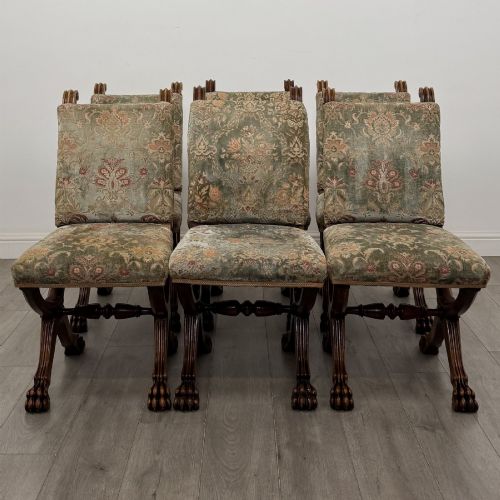
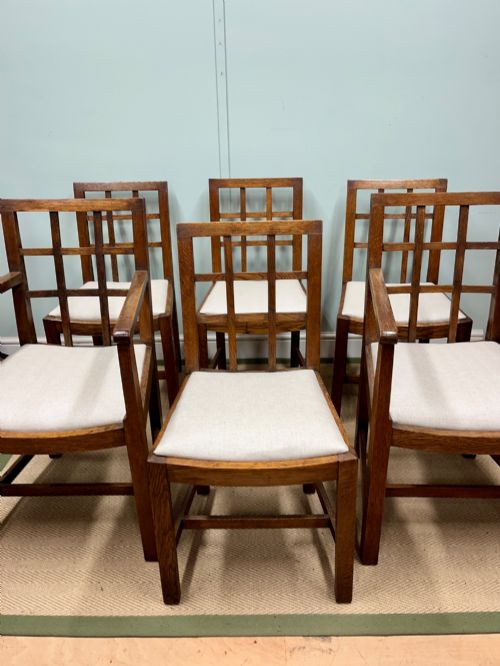
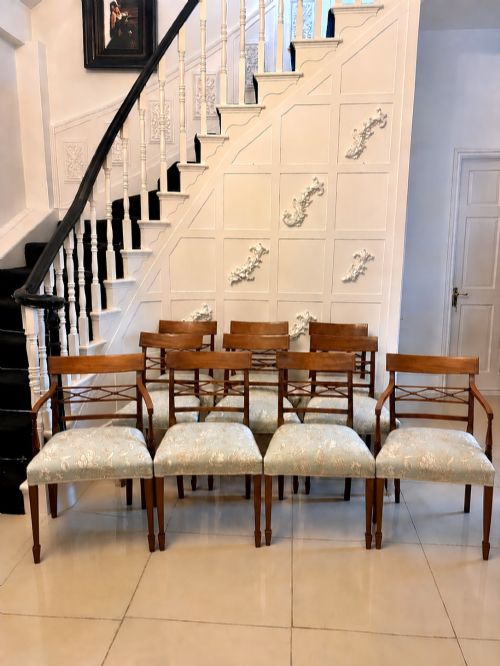
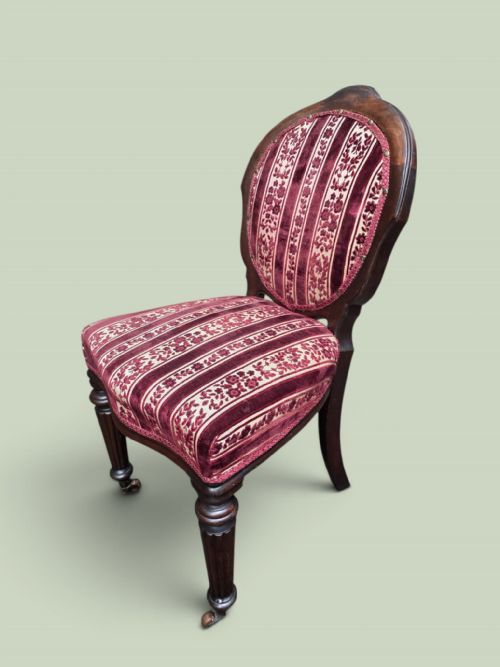
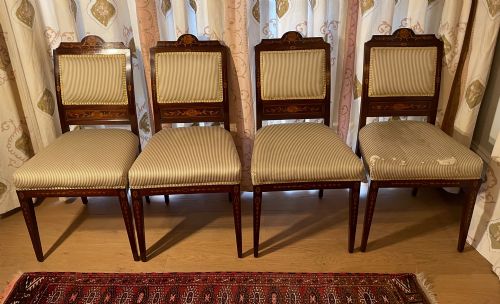
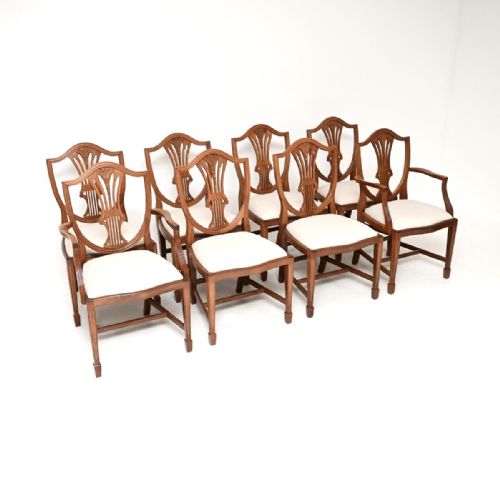
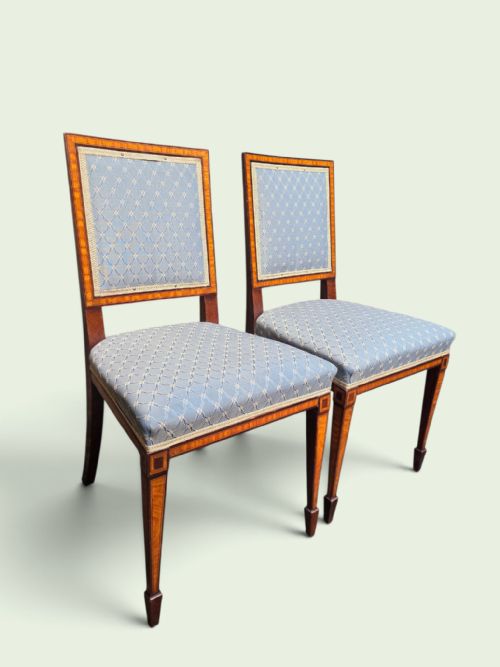
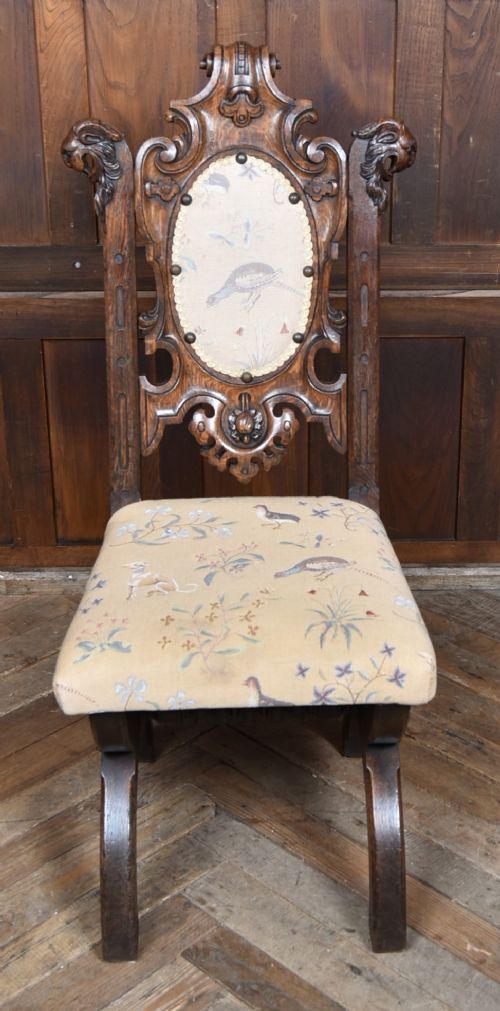
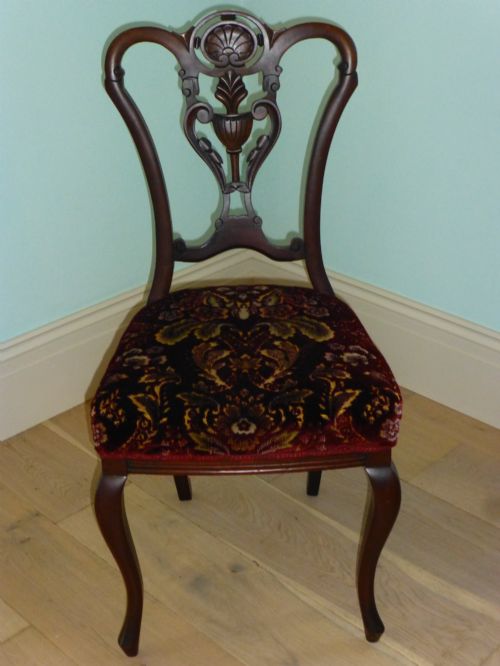
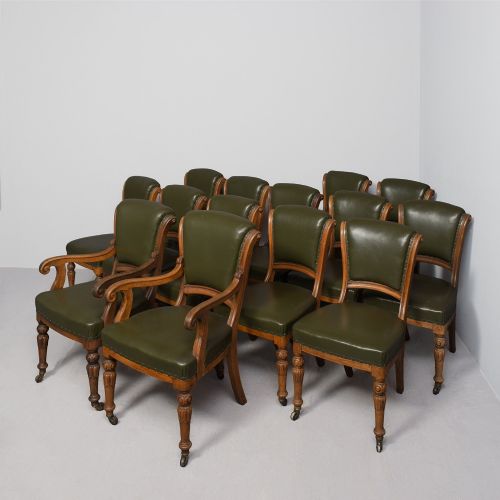
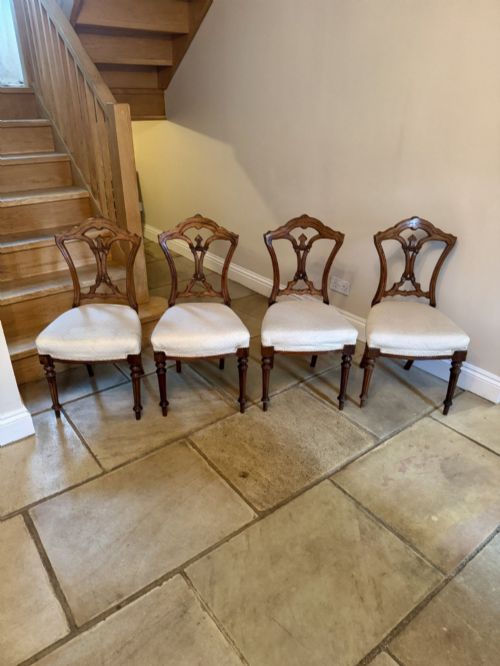
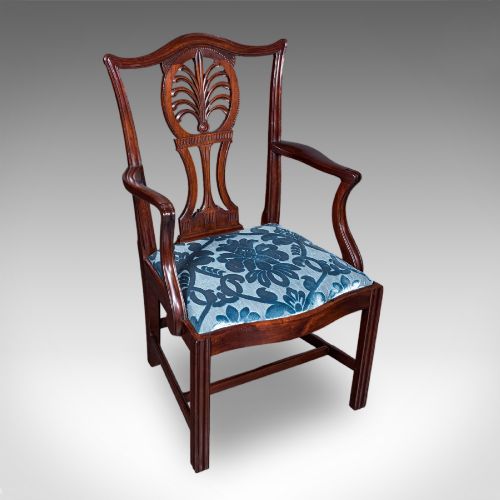
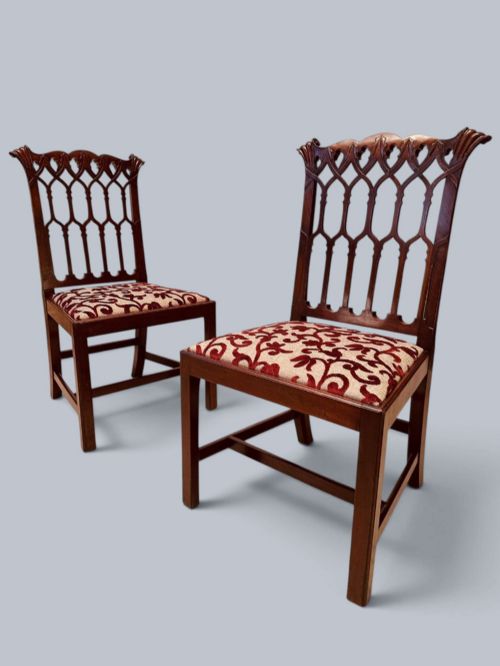
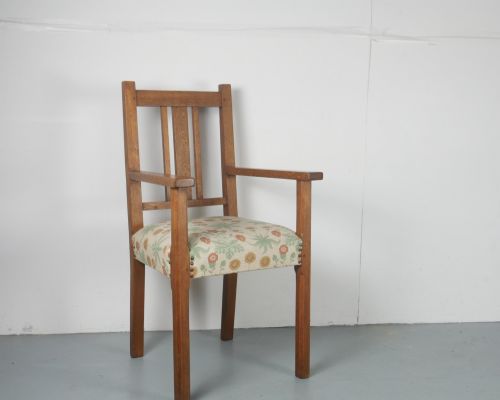
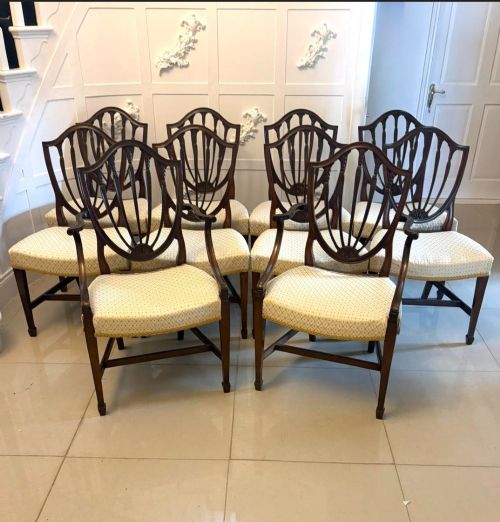
An edwardian upholstered dining chair delivers the solid timber construction and restrained elegance typical of the period around nineteen hundred. Buyers frequently encounter sets of mahogany or oak dining chairs alongside occasional carvers and armchairs.
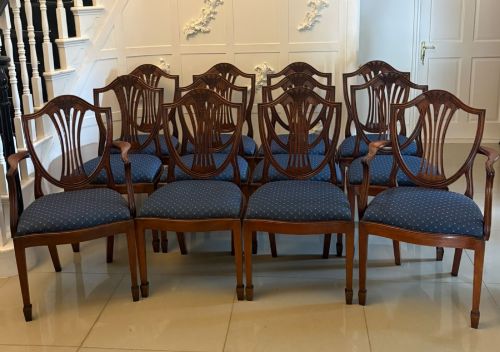
While Edwardian examples dominate, the selection also includes Victorian pieces and revival styles such as Hepplewhite, Sheraton, and Jacobean. These chairs often feature upholstered seats in fabric, velvet, leather, or textile, paired with wooden frames in mahogany, walnut, or oak.
Materials and construction methods
Makers built these chairs primarily using dense hardwoods like mahogany, walnut, and oak, often shaping the timber into inlaid backs, barley twists, or carved top rails. Brass fittings occasionally appear on castors or structural reinforcements.
Upholstery techniques involved durable textiles, velvet, fabric, or leather stretched over supportive internal webbing and stuffing. Frames relied on traditional joinery methods to ensure stability during daily use around the dining table.
Edwardian Upholstered Dining Chair Retail Price Guide 2026
Typical asking prices for edwardian upholstered dining chair among the pieces listed under this phrase on Sellingantiques today, from the lower quarter to the upper quarter. They describe what is for sale here now, not the wider market.
Listings feature woods such as mahogany, oak, walnut, and beech paired with upholstery in fabric, leather, velvet, and textile.
Distinctions in quality and execution
Superior examples display precise timber selection, crisp carving, and subtle inlay work that remains tight within the frame. Poorer specimens show loose joints, faded or brittle secondary woods, and careless replacement upholstery.
Sets that survive intact with uniform colour and matching grain patterns command greater attention than mismatched assemblages gathered together later. The crispness of carved details like shield backs or lyre backs indicates the skill of the original workshop.
Maple and Co·M. D. Miller and Sons·Howard and Sons·Charles Tozer
The Edwardian Upholstered Dining Chair Glossary
- Carver chair
- An armchair designed specifically for the head of a dining table. These often accompanied sets of smaller side chairs.
- Inlay
- A decorative technique where contrasting strips of lighter wood are fitted flush into the primary timber surface. This method defines many Edwardian mahogany pieces.
- Shield back
- A chair back shaped in the outline of a heraldic shield, popular in revival designs inspired by eighteenth-century makers.
- Barley twist
- A turned wooden column resembling the spiral shape of barley grain. This decorative turning appears frequently on oak dining chairs from the period.
- Cane back
- A woven rattan panel forming the central support of the chair back. It offers a lighter visual weight compared to solid timber.
Edwardian Upholstered Dining Chair: Frequently Asked Questions
How do I care for antique leather upholstery?
Clean leather surfaces gently with a dry or slightly damp cloth to remove dust. Avoid harsh chemical cleaners that strip natural oils from the hide.
Condition the leather periodically using specialist balms recommended for antique furniture. Keep the chairs away from direct sunlight and strong heat sources to prevent cracking.
Are Edwardian dining chairs sturdy enough for daily use?
Most Edwardian dining chairs are constructed from robust hardwoods like mahogany and oak. Their frames are built to withstand regular seating when joints remain sound.
Check the stability of the legs and frame periodically. Professional regluing of loose joints ensures the chairs remain serviceable for everyday dining.
How can I identify an Edwardian chair from a Victorian one?
Edwardian chairs generally display lighter proportions and simpler, brighter mahogany or inlaid decoration. Victorian examples tend to be heavier with darker finishes and deeper carved details.
Review the overall silhouette and timber choice to determine the likely period. Revival styles from both eras often incorporate earlier design motifs.