


Edwardian Turned Wood
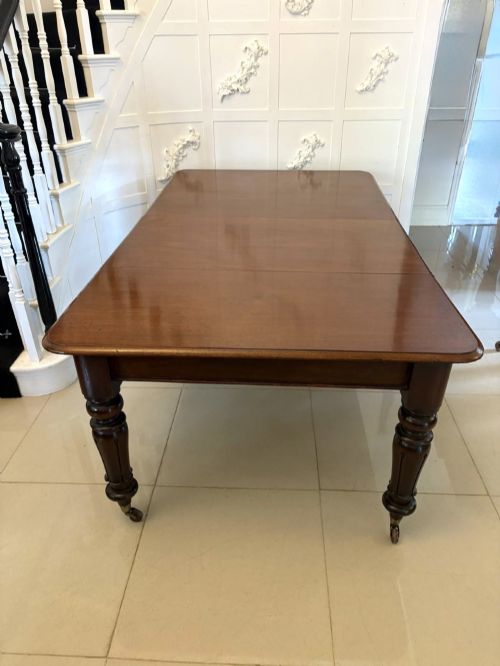
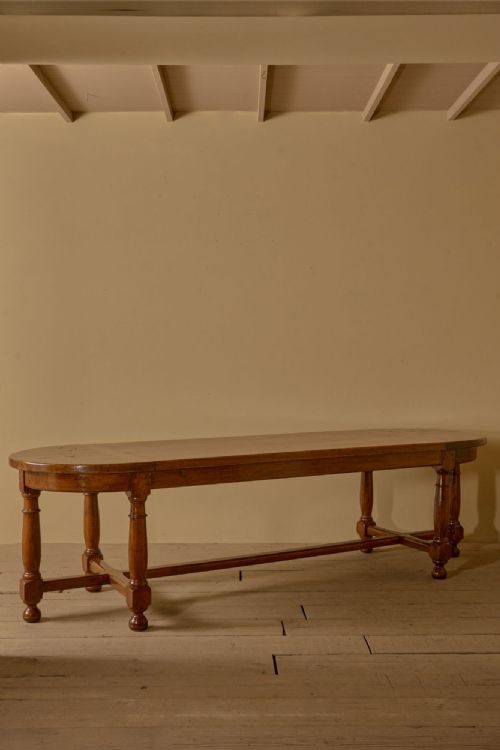
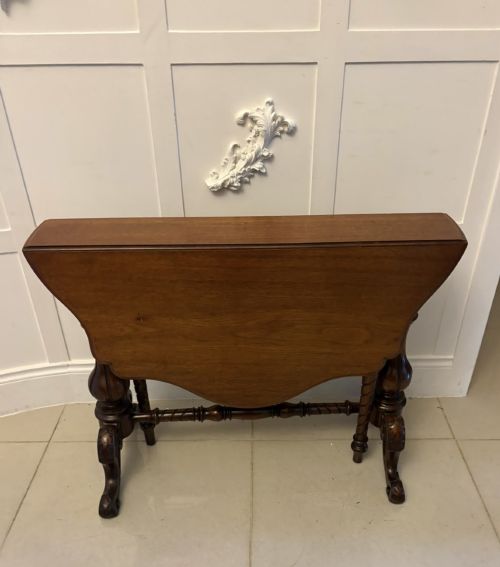
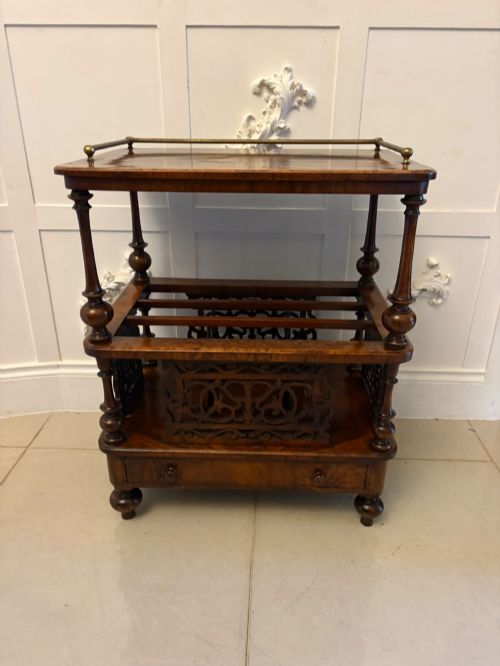
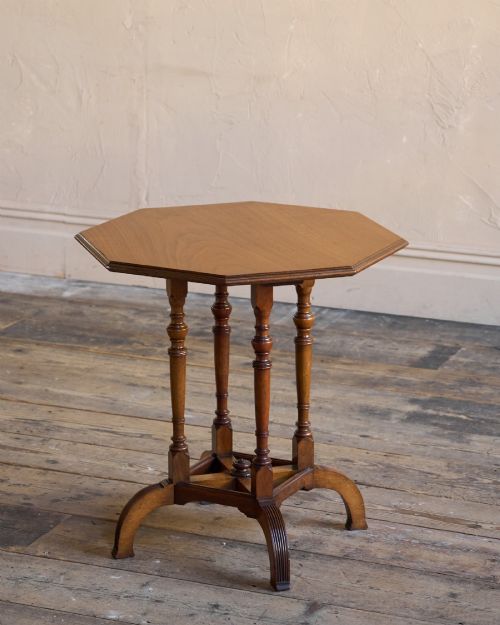
Edwardian turned wood brings functional warmth to interiors through shaped table legs, pedestals, and stands.
Edwardian Turned Wood
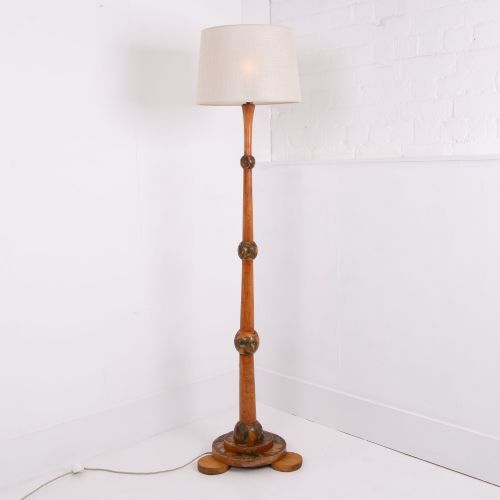
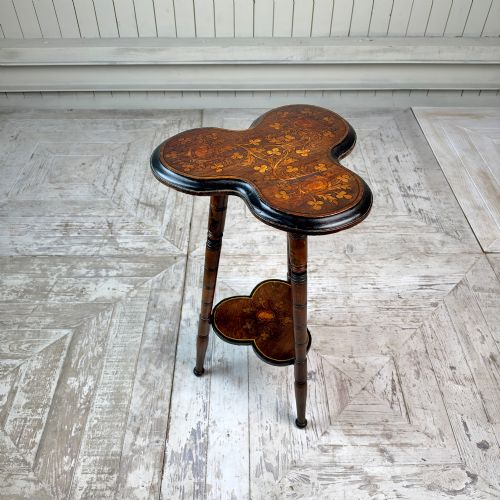
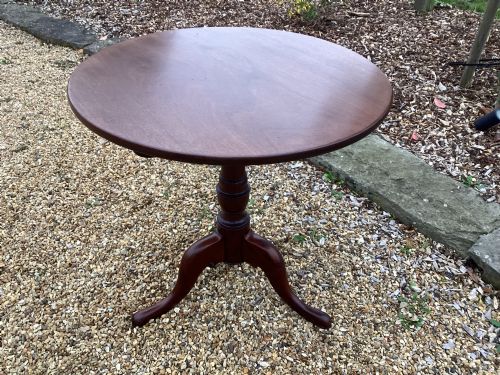
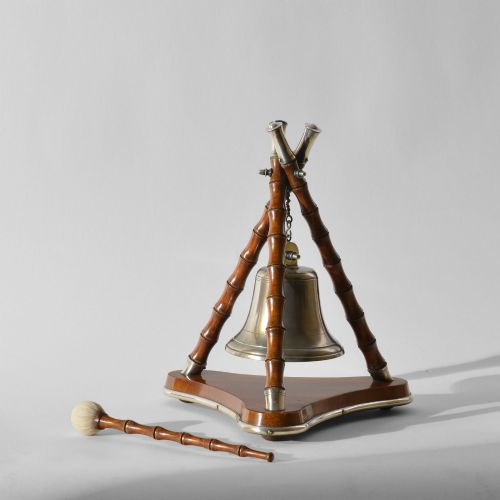
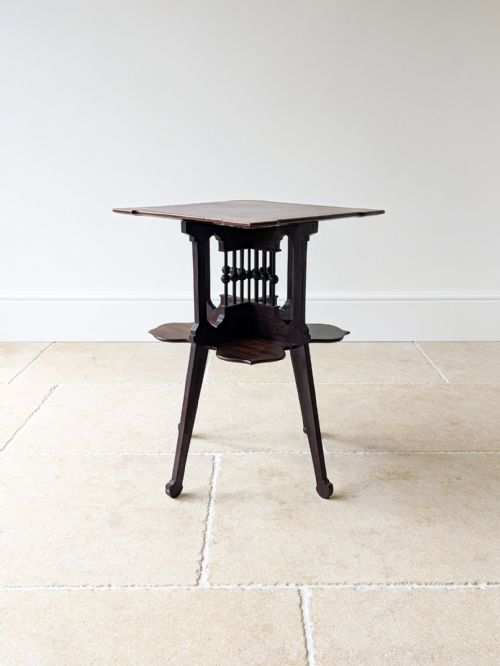
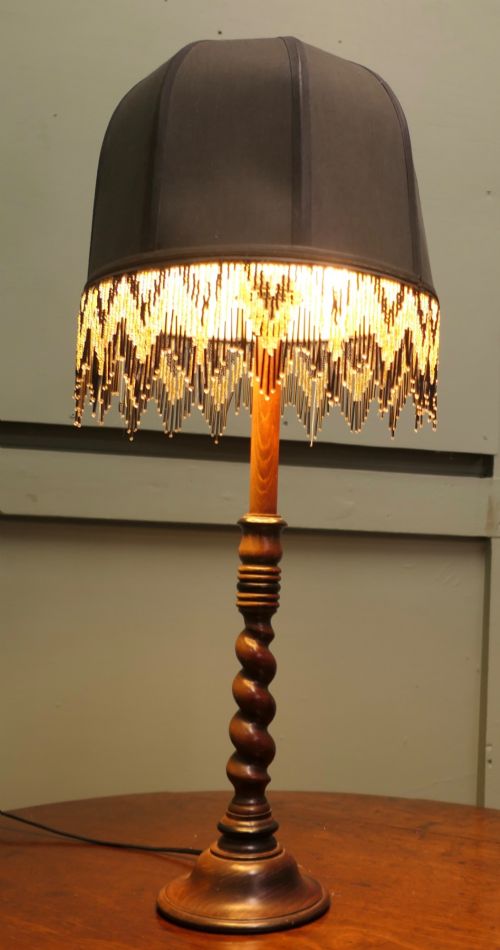
When searching for Edwardian turned wood, buyers encounter functional furniture and decorative accessories shaped on a lathe. These domestic items include nests of tables, floor-standing smoking stands, plant stands, and occasional tables.
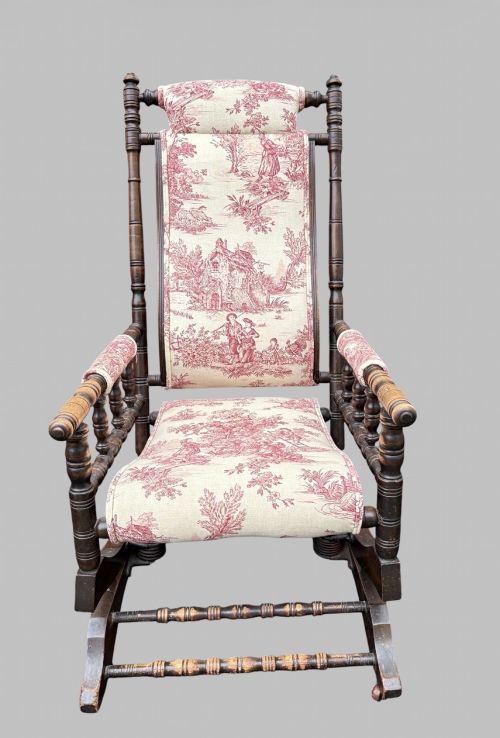
The objects available on this page lean heavily towards Edwardian and late Victorian designs executed in mahogany, oak, and beech. Makers utilised turning to add rhythm and visual interest to structural supports like legs, stretchers, and columns.
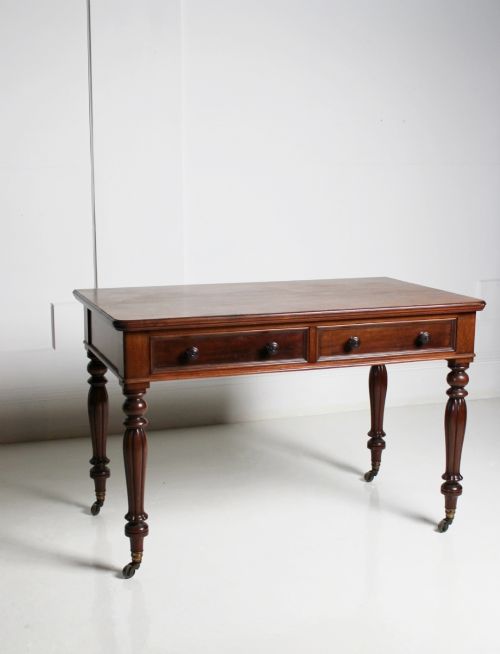
While side tables and nests of tables dominate the selection, buyers also find occasional larger pieces featuring shaped supports. The aesthetic prioritises domestic utility combined with straightforward decorative turning.
Materials and Turning Techniques
Cabinet makers relied primarily on dense hardwoods such as mahogany, oak, and beech for turned elements. Wood is secured on a lathe and shaped with chisels and gouges to create spindles, balusters, and reeded columns.
Joinery techniques matched the functional demands of each object, using mortise and tenon joints alongside straightforward turning. Secondary timbers appear in concealed areas, while principal surfaces showcase the natural grain of the selected wood.
Edwardian Turned Wood Retail Price Guide 2026
Typical asking prices for edwardian turned wood among the pieces listed under this phrase on Sellingantiques today, from the lower quarter to the upper quarter. They describe what is for sale here now, not the wider market.
Decoy pigeons made from painted wood sit patiently among the furniture, waiting for an unexpected desk to guard.
Standards of Execution
Quality in turned pieces rests on the crispness of the chisel work and the balance of the proportions. Superior examples display sharply defined beads, coves, and reels without splintering or tear-out in the grain.
The selection of timber significantly alters the finish, with highly figured mahogany or well-quartered oak elevating standard forms. Structural integrity in joints and stretchers ensures the turned supports remain stable under daily use.
Thonet·Druce and Co·German H.A.C.
The Edwardian Turned Wood Glossary
- Baluster turned leg
- A vertical support shaped with a convex bulge tapering towards the bottom. This classical form frequently appears on side tables and small cabinets.
- Quartetto nest
- A set of four graduating tables designed to slide neatly beneath one another. They gained popularity during the late nineteenth and early twentieth centuries for entertaining.
- Spindle back
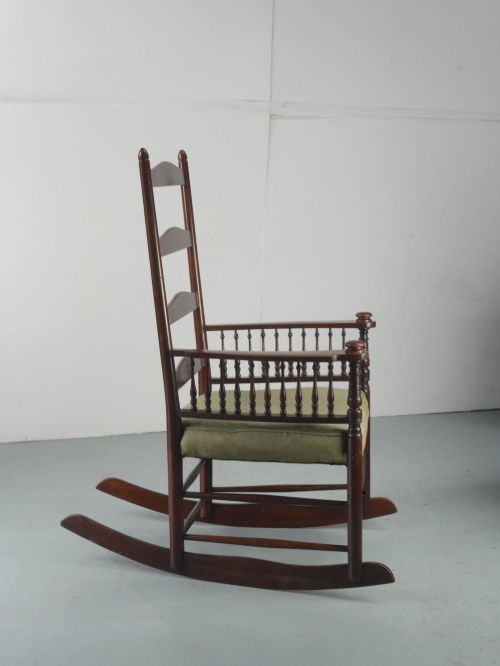
- A chair back constructed from a series of thin, turned wooden rods. These vertical elements provide light structural support while keeping the furniture visually airy.
- Torchere
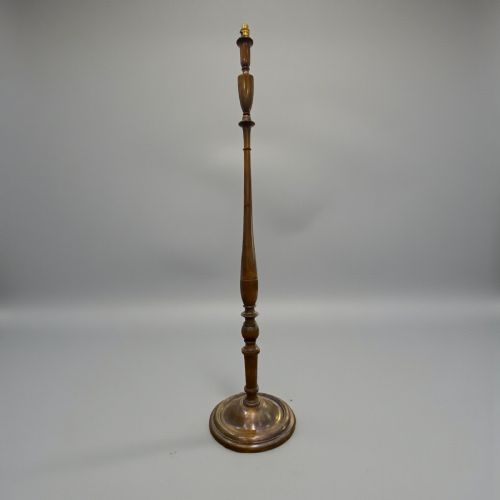
- A tall, slender stand designed to hold a light source or plant. They often feature a heavily turned central column on a tripod base.
- Bobbin turning
- A form of lathe work producing a series of rounded wooden spheres or discs resembling bobbins on a thread. It creates a distinctive, textured profile on legs and frames.
Edwardian Turned Wood: Frequently Asked Questions
How do I identify Edwardian turned wood?
Look for lighter timbers like oak and mahogany combined with slender, refined turning styles. These pieces often lack the heavier proportions found in earlier Victorian items.
Examine the construction methods and wood selection to distinguish the period from later reproductions. The turnings tend to be precise and tailored to domestic spaces.
Where should I place a nest of tables?
Nests of tables work well beside sofas or armchairs where surface space is needed intermittently. They slide away compactly when floor space is prioritized.
Position them in living rooms or studies to provide accessible perches for books or drinks without cluttering the room.
Are turned floor lamps stable?
Floor-standing standards and smoking stands feature weighted or broad bases to balance the tall, turned shaft. They are designed for standard domestic placement.
Ensure the lamp stands on level flooring to maintain balance when the shade or fittings are adjusted.
How do I clean polished wood?
Dust regularly with a soft, dry cloth to prevent particulate accumulation on the turned surfaces. Avoid silicone-based sprays that build up over time.
Apply a traditional beeswax polish sparingly when the wood appears dry to nourish the grain and maintain the satin sheen.