

Edwardian Turned Wood Stand
An Edwardian turned wood stand brings vertical timber form and functional poise to a hallway, corner or bedside.
Edwardian Turned Wood Stand
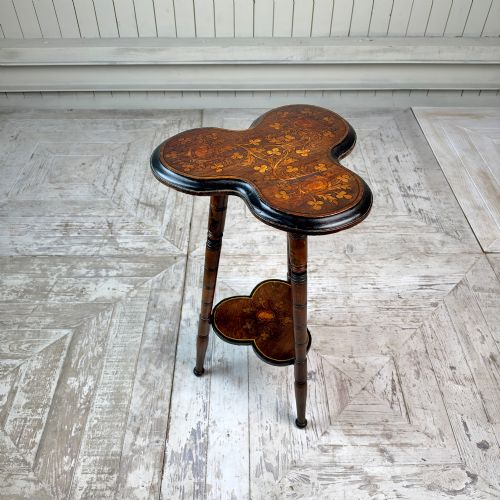
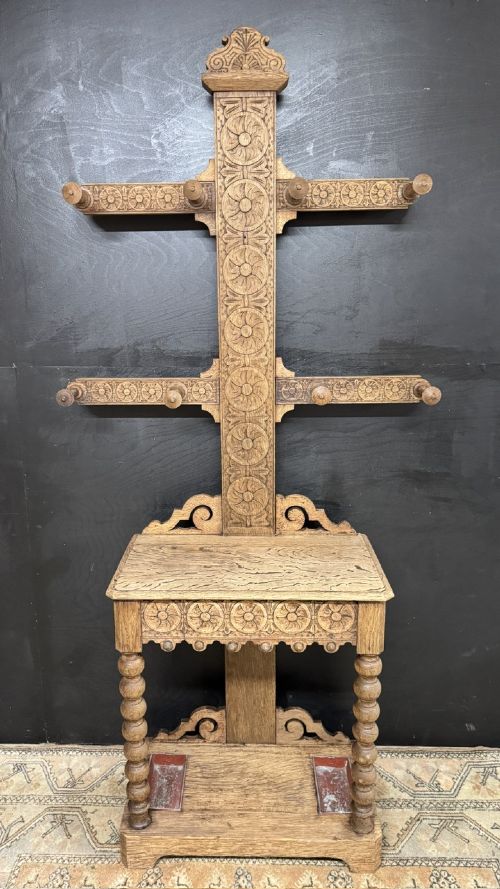
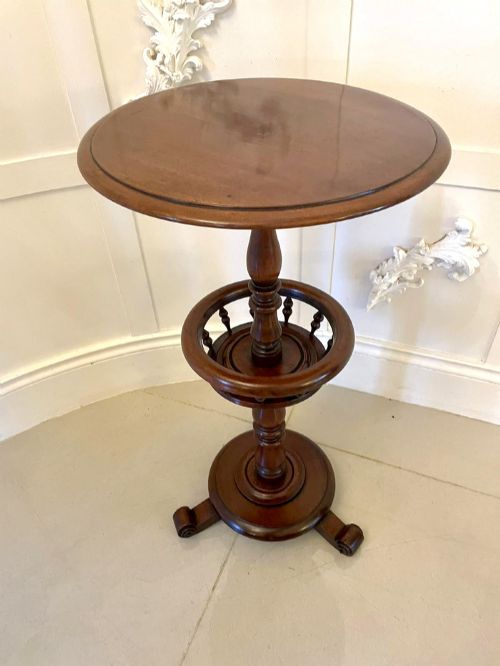
When you search for an edwardian turned wood stand, you encounter pieces designed primarily to support plants, lamps, smoking accessories or reading materials in domestic interiors. The surviving examples on this page span the Edwardian period alongside adjacent nineteenth and twentieth-century eras, reflecting the domestic habits of the time.
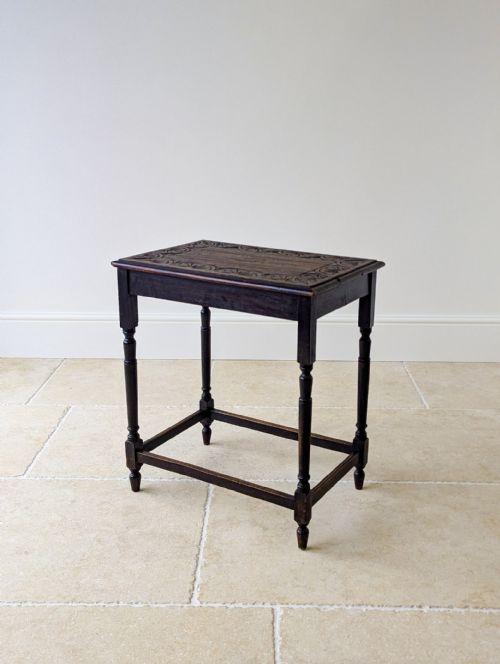
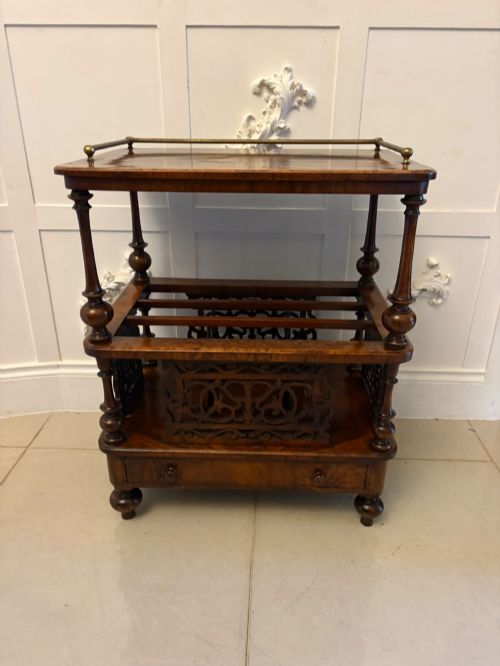
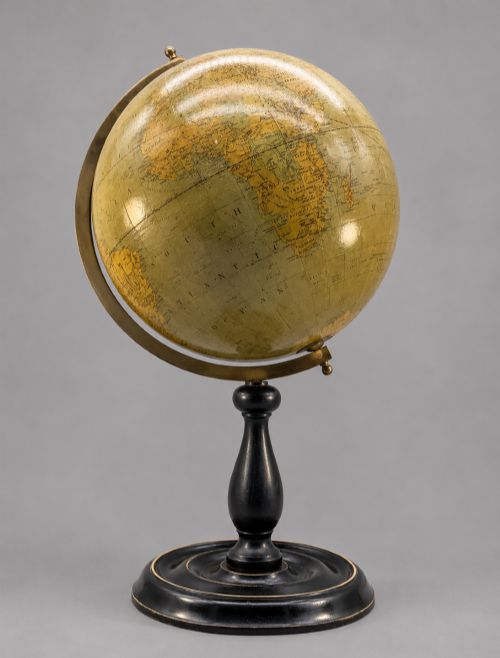
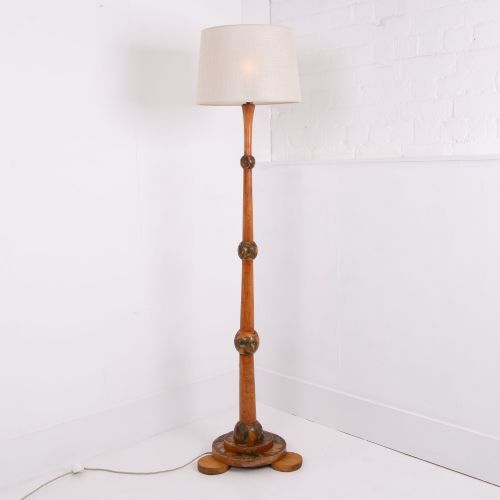
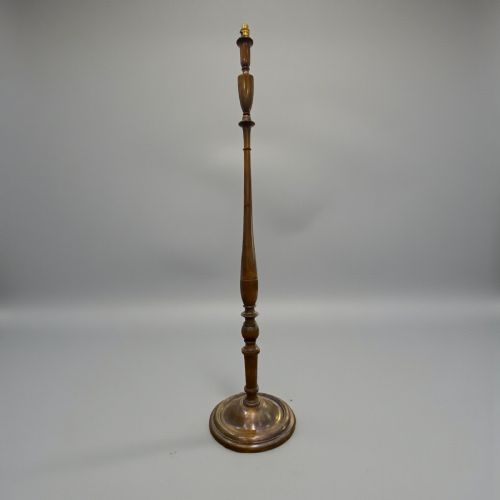
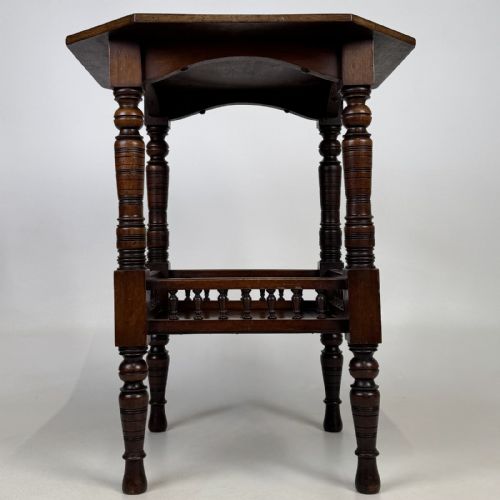
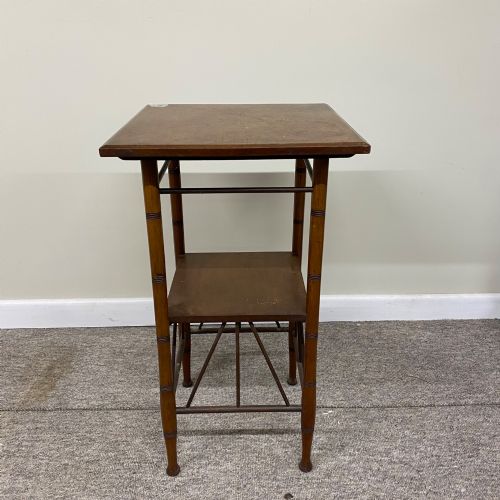
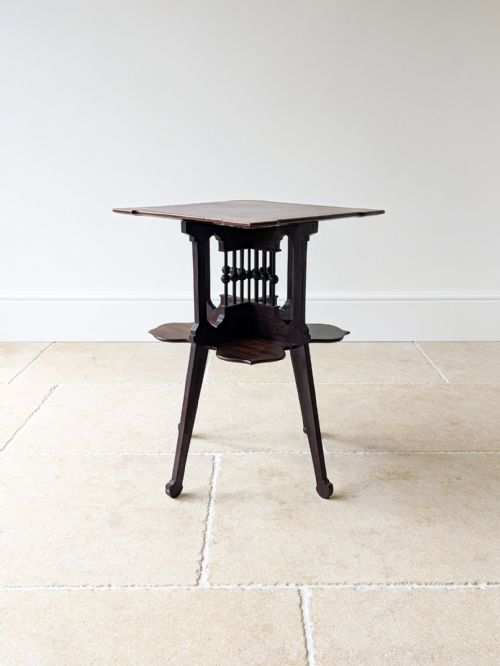
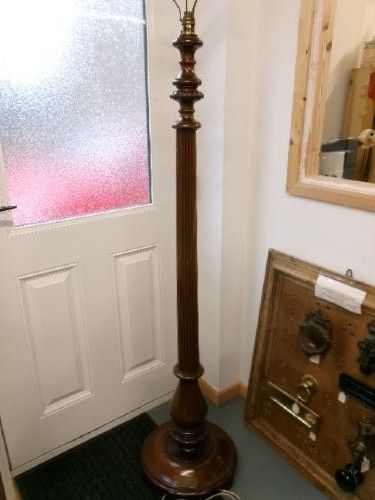
The most frequent form you meet is the tall columnar support, such as a plant stand, torchere or floor lamp standard, utilising lathe-turned shafts. Alongside these vertical forms, smaller occasional tables and smoking stands incorporate turned wooden components into their legs and supports.
The materials recorded in these pieces are predominantly timber, spanning mahogany, oak, walnut, beech and yew wood, sometimes augmented with brass or glass details. They bridge decorative display and practical utility in the home.
Materials and construction
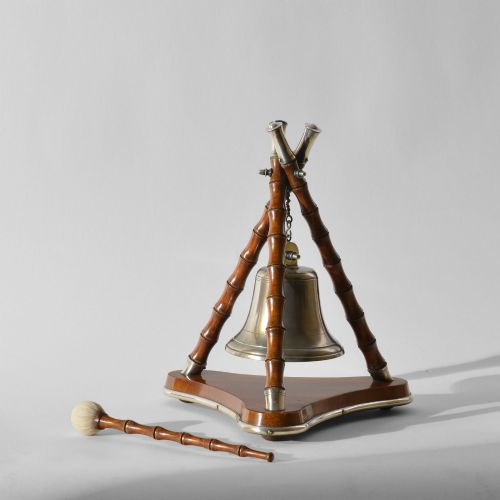
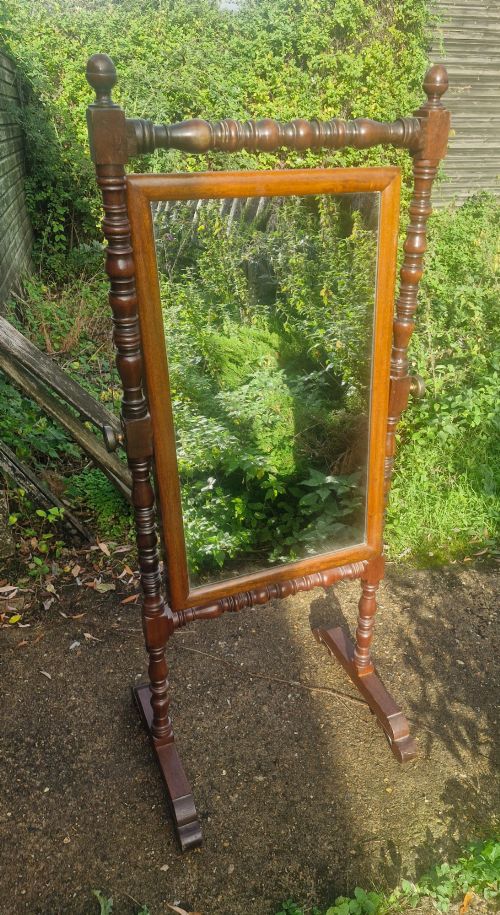
The primary construction relies upon solid hardwoods and occasionally pine or ash, shaped through both carpentry joinery and lathe turning. Craftsmen shaped shafts and columns on the lathe to create reeded, fluted or barley twist profiles.
Assembly methods combine traditional mortise and tenon joints with turned threaded components or iron fixings where stability is required for taller plinths and floor-standing lamp standards. Timber surfaces are finished to highlight the natural grain of mahogany, oak and walnut.
Edwardian Turned Wood Stand Retail Price Guide 2026
Typical asking prices for edwardian turned wood stand among the pieces listed under this phrase on Sellingantiques today, from the lower quarter to the upper quarter. They describe what is for sale here now, not the wider market.
Some stands were made specifically to hold pipes and tobacco, proving that Edwardian relaxation required its own dedicated piece of turned timber.
Judging quality and execution
Quality in these stands rests upon the crispness of the lathe work and the selection of figured timber for tops and columns. A superior piece shows deeply carved or sharply turned profiles without filling or soft timber substitutions.
Stability and weight distribution separate better examples from lesser ones, particularly in taller floor-standing items like torcheres and lamp standards. Well-balanced tripod bases or weighted feet ensure the stand remains secure in daily use.
Druce & Co London·Thonet
The Edwardian Turned Wood Stand Glossary
- Barley twist
- A spiral turning resembling a twisted rope, carved or shaped into furniture legs and vertical columns. This decorative technique appears frequently on nineteenth and early twentieth-century wooden stands.
- Tripod base
- A support structure utilising three legs radiating from a central column to provide balance on uneven floors. It is a common feature on occasional tables and plant stands.
- Plant stand
- A freestanding piece of furniture designed to elevate potted plants off the floor. They are built in various heights and utilise turned wooden shafts to support a small platform.
Edwardian Turned Wood Stand: Frequently Asked Questions
What is an edwardian turned wood stand used for?
These pieces were built to serve specific functional roles in period homes, acting as elevated platforms for potted plants, reading lamps, smoking requisites or decorative items. Their slender proportions allowed them to occupy narrow hallways, corners or beside seating without crowding the room.
Over time, many have adapted to modern domestic uses, frequently holding table lamps or functioning as bedside display surfaces while retaining their original decorative silhouette.
How do I distinguish Edwardian stands from Victorian ones?
Edwardian pieces generally lean towards lighter proportions, simpler lines and brighter mahogany or inlaid decoration, reflecting a shift away from heavy Victorian ornamentation. Victorian equivalents often display darker finishes, more robust timbers like oak and ash, and heavier turned details such as barley twists.
Examining the secondary woods, fixings and overall weight helps clarify the period of manufacture, though stylistic crossover between late Victorian and early twentieth-century production remains common.
Are these stands stable enough for modern lamps?
Most floor-standing standards and torcheres were engineered to support the weight of oil lamps, heavy candlesticks or early electric fixtures safely. Their balanced bases and solid wood construction provide adequate support for contemporary lampshades and bulbs.
For taller floor lamps, checking the spread of the tripod or the weight of the base ensures the piece remains secure in rooms with high foot traffic.
What timbers were used for these stands?
Cabinetmakers utilised a range of domestic and imported hardwoods, with mahogany being particularly favoured for its fine grain and rich colour. Oak, walnut, beech and yew wood also appear frequently across the surviving examples on this page.
Secondary woods like pine or ash sometimes form internal structures or less visible components, while occasional brass or fabric elements provide functional contrast.