


Edwardian Travel Luggage
Edwardian travel luggage brings robust craftsmanship and historical character into modern interiors as practical storage or statement tables.
Edwardian Travel Luggage
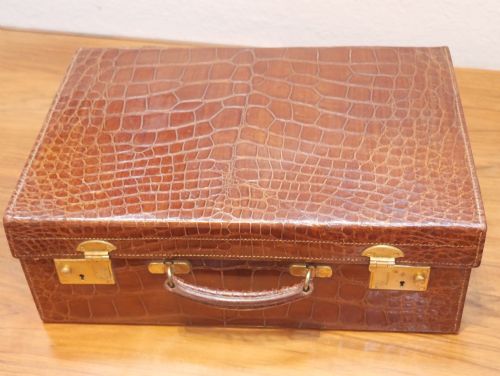
Edwardian travel luggage encompasses durable chests, robust trunks, and specialised cases built for transit during the late nineteenth and early twentieth centuries. Buyers seeking edwardian travel luggage will find pieces designed for specific journeys, ranging from large steamer trunks to compact hat boxes and vanity cases.
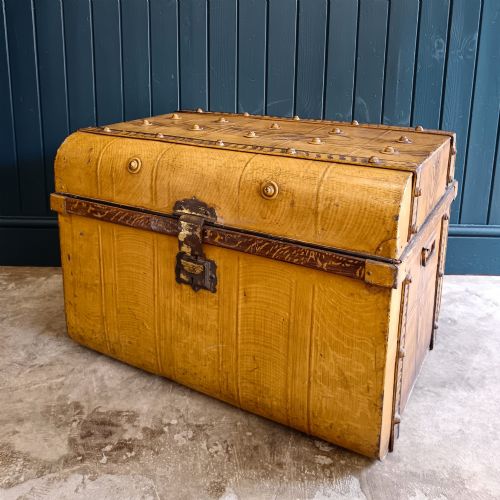
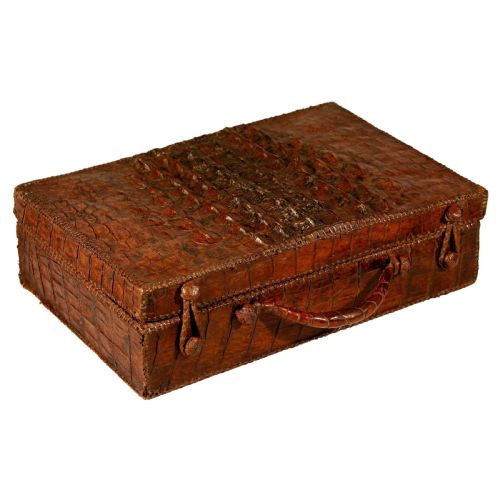
The selection on this page draws heavily from the Edwardian period alongside nineteenth century and early twentieth century examples. Common forms include leather suitcases, canvas travel bags, and metal shipping chests equipped for international voyages and military campaigns.
How They Were Made
Maker workshops constructed these pieces using sturdy foundational materials like wood, iron, and sheet metal, layered with protective outer coverings of leather, canvas, and vellum. Structural rigidity relied on heavy brass mountings, iron banding, and reinforced stitching to withstand the demands of global transit.
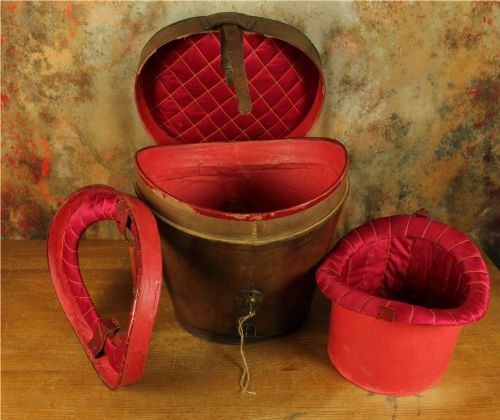
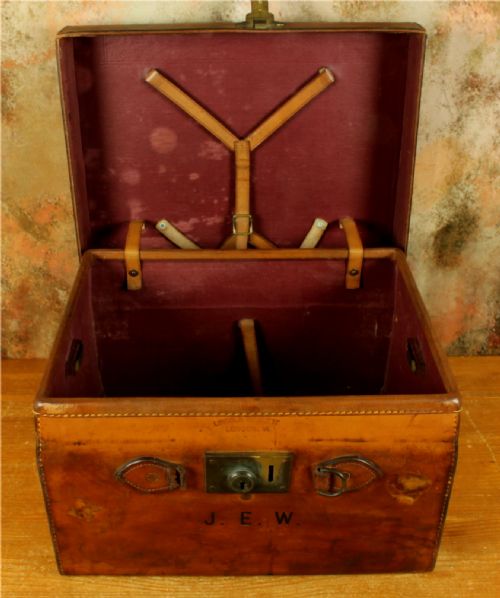
Interiors often featured bespoke fittings made from wood, fabric, and paper, tailored for specific items such as hats, guns, or grooming sets. Many examples incorporate specialised compartments and secured linings designed to protect personal belongings during long journeys.
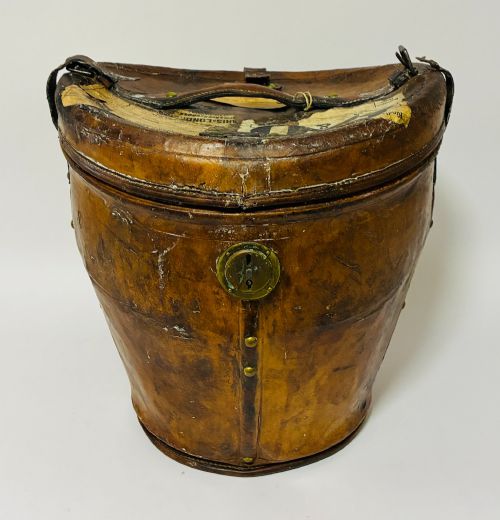
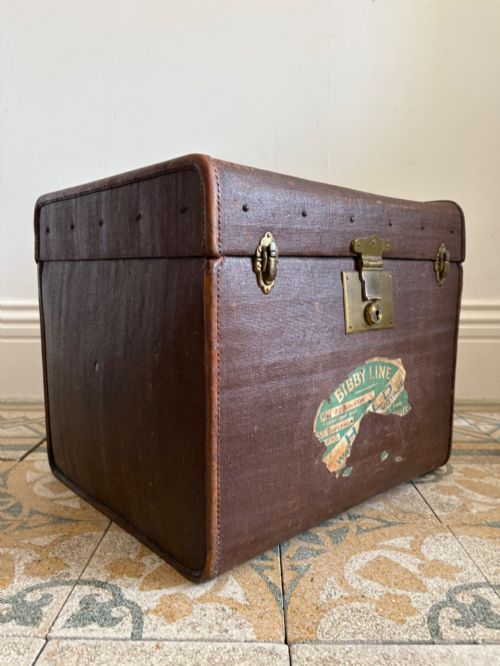
A well-travelled trunk retains its original steamship labels, whispering tales of grand voyages across oceans long past.
What Varies in Quality
Quality in these pieces depends heavily on the integrity of the original materials and the sophistication of the internal fittings. Trunks retaining bespoke interior compartments, original maker stamps, and robust brass hardware represent superior craftsmanship.
The degree of preservation in the exterior leather, canvas, and structural framing separates standard utility items from high-end bespoke luggage. Examples featuring documented provenance or historic travel labels offer an extra layer of historical depth.
Lincoln Bennett·Finnigan's Manchester·Allen of London·John Pound·Harrods·C.Antrobus·Finnegans of Bond Street London·Aux Etats Unis·LOUIS VUITTON·Goyard
The Edwardian Travel Luggage Glossary
- Steamer trunk
- A lower-profile travel trunk designed to fit beneath the cabin berths of ocean liners. These pieces often feature flat or slightly rounded tops for stacking.
- Campaign case
- Portable furniture and storage designed for military officers and travellers on the move. These items typically incorporate brass corners and sturdy handles for frequent transit.
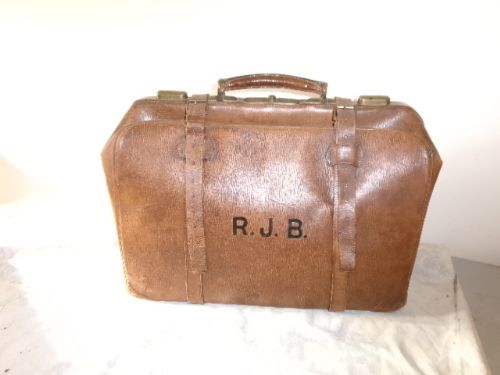
- Gladstone bag
- A small leather travel bag featuring a rigid frame that opens wide into two equal compartments. It gained popularity for medical practitioners and short journeys.
- Hat box
- A specialised rigid container shaped to transport tall or top hats safely. They frequently include internal framing to secure the hat crown.
- Vellum
- A fine parchment material utilised to cover luxury trunks and suitcases. It provides a smooth, durable exterior finish.
Edwardian Travel Luggage: Frequently Asked Questions
How do I use a vintage trunk at home?
These pieces serve effectively as living room coffee tables, bedroom blanket chests, or hallway storage solutions. Their robust construction allows them to support decorative objects while keeping clutter concealed.
Placing a trunk at the foot of a bed provides convenient storage for extra linens and cushions. Smaller cases work well stacked on side tables or used to display books and collections.
Can I travel with antique luggage today?
While many trunks and suitcases retain their structural integrity, modern baggage handling systems can damage delicate historical exteriors and vintage hardware. Leather and canvas cases from the early twentieth century are best suited for light personal use or vehicle travel.
For daily modern travel, smaller fitted cases or doctor bags require careful handling to preserve fragile internal linings and original brass clasps. Owners should condition older leather regularly if used actively.
How do I clean leather travel luggage?
Maintenance involves gentle dusting and the application of a quality leather conditioner to keep the hide supple. Avoid harsh chemical cleaners that can strip original patinas and historical finishes.
Canvas and metal components benefit from careful wiping with a dry or slightly damp cloth. Preserving original travel labels and stamps requires keeping moisture away from paper elements.
What indicates a piece is from the Edwardian era?
Edwardian travel luggage often exhibits specific material combinations, such as polished oak paired with brass, or refined leather finishes tailored for upper-class travel. Hardware design and fastening mechanisms reflect early twentieth-century manufacturing standards.
Maker stamps, internal fabric choices, and registration marks frequently help date pieces accurately. Comparing construction styles with Victorian predecessors reveals lighter, more streamlined forms suited to Edwardian transport.