





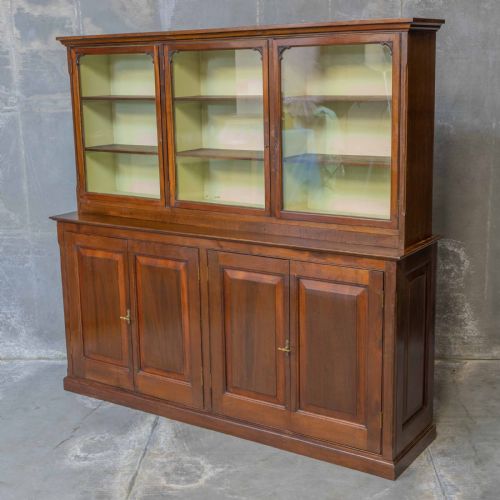
Edwardian Timber Cupboard
An edwardian timber cupboard brings practical storage and refined period joinery into a room, offering enduring utility for modern homes.
Edwardian Timber Cupboard
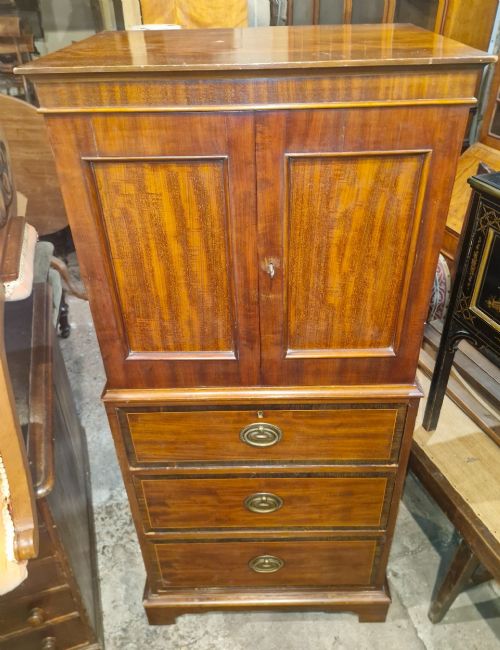
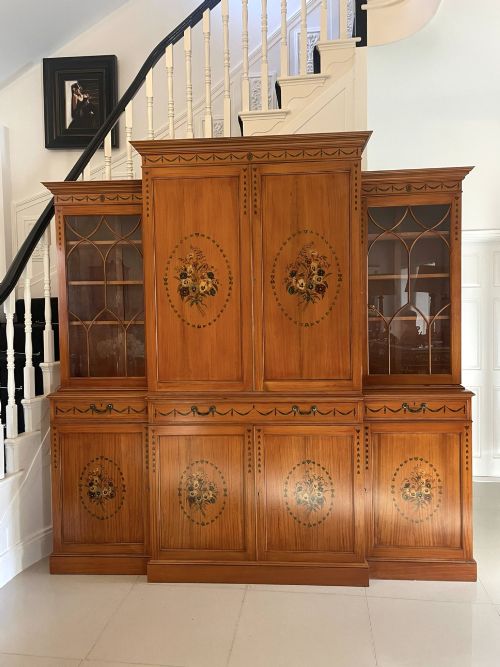
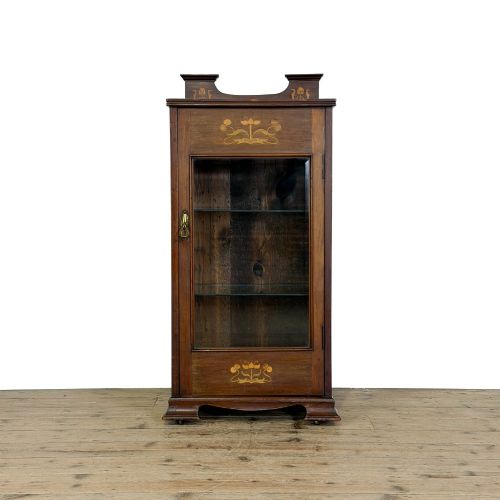
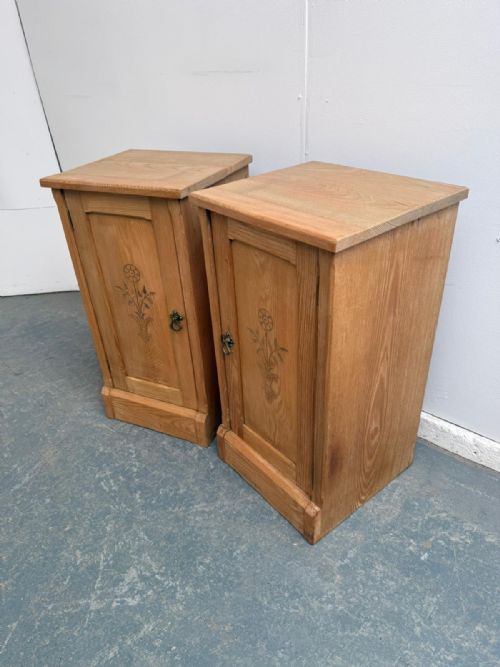
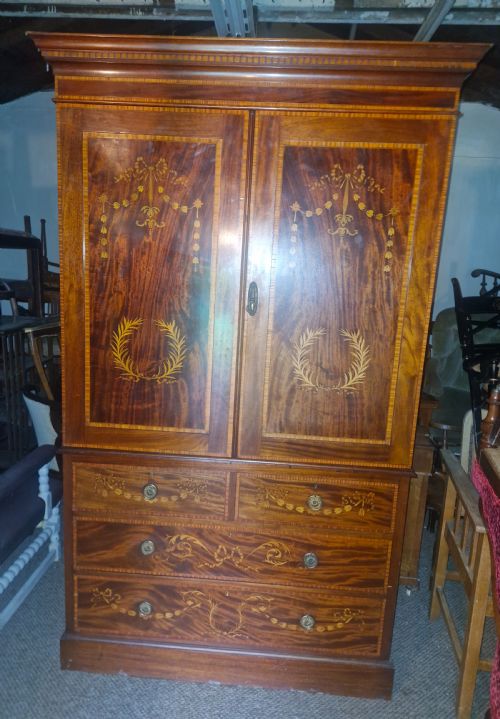
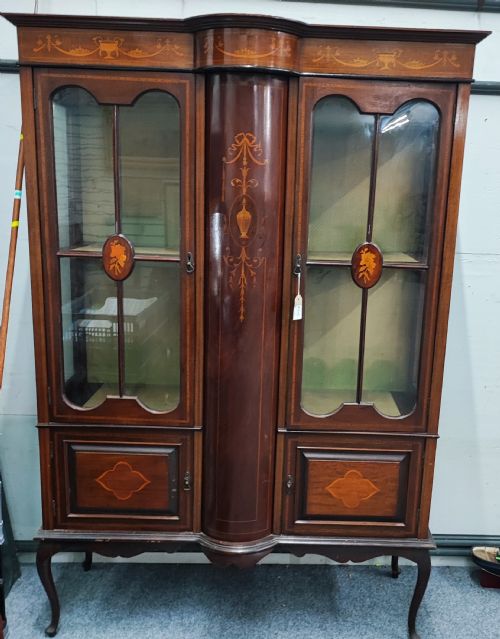
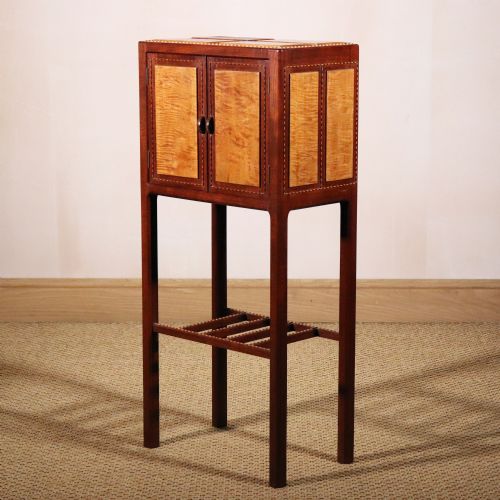
The most common versions met on this page are Edwardian mahogany, oak, and satinwood storage items. Many of these feature period characteristics such as wood inlay, glass panels, and brass hardware, reflecting both domestic utility and formal display.
How they were made
These items utilise traditional timbers including mahogany, oak, walnut, and satinwood, frequently enhanced with delicate wood inlay to create visual contrast. Structural integrity relied on solid joinery methods suited to heavy household use, whether forming a wardrobe or a compact bedside cabinet.
Glazing and metalwork appear regularly, with brass handles and glass doors distinguishing display cabinets and bookcases from enclosed storage presses. Waxed finishes and polished surfaces highlight the natural grain of the timber.
Edwardian Timber Cupboard Retail Price Guide 2026
Typical asking prices for edwardian timber cupboard among the pieces listed under this phrase on Sellingantiques today, from the lower quarter to the upper quarter. They describe what is for sale here now, not the wider market.
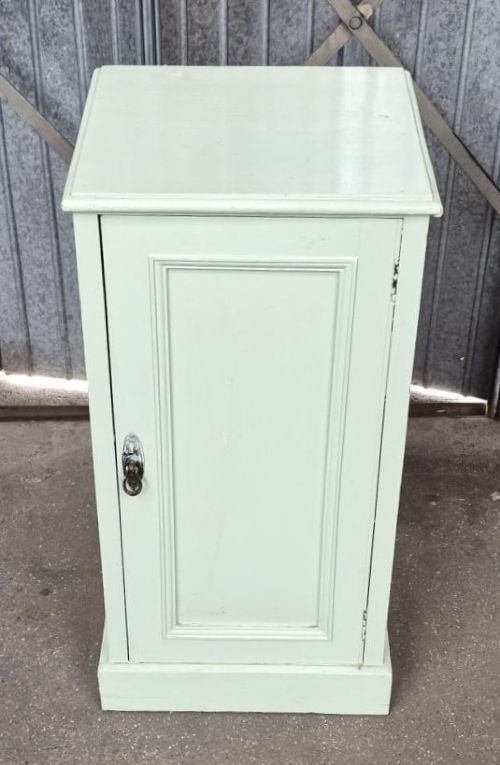
Object types range from display cabinets and wardrobes to linen presses, commodes, and specialised shop fitting bookcases.
What varies in quality
Quality in these pieces is dictated by the selection of timber and the precision of the decorative inlay. Cabinets built with figured woods like satinwood or burr elements stand apart from utilitarian designs through more ambitious craftsmanship.
The integration of original hardware, such as brass fittings and intact glass panels, elevates a piece. Structural refinement in cornices, door framing, and internal fittings also marks the distinction between standard workshop production and finer cabinet-making.
Druce & Co.
The Edwardian Timber Cupboard Glossary
- Inlay
- A technique where pieces of contrasting timber or other materials are inserted into depressions in the base wood to form decorative patterns. This method was widely utilised on Edwardian satinwood and mahogany furniture.
- Linen press
- A tall cupboard traditionally used for storing folded clothes and linens, typically featuring sliding trays or shelves behind upper doors. Examples often incorporate drawers in the lower section.
- Satinwood
- A hard, durable timber with a characteristic golden-yellow sheen and fine grain, prized for high-status cabinet-making and decorative veneers.
- Breakfront
- A cabinet design where the central section projects forward from the flanking sections, creating depth and architectural presence on larger bookcases and wardrobes.
- Arts and Crafts
- A design movement favouring handcraftsmanship, simple forms, and visible construction methods over mass-produced ornamentation.
Edwardian Timber Cupboard: Frequently Asked Questions
What defines an Edwardian timber cupboard?
These pieces generally date from the early twentieth century and showcase timbers such as mahogany, oak, and satinwood. They encompass various forms including display cabinets, wardrobes, and linen presses.
Many incorporate decorative wood inlay and brass hardware characteristic of the period's cabinet-making traditions.
How do I choose the right size?
Consider the intended room and the primary storage function, whether for books, clothing, or general household items. Smaller bedside cabinets and display units fit compact spaces, while breakfront bookcases and wardrobes require substantial wall space.
Measuring ceiling height and clearance for opening doors ensures a proper fit.
How should I care for timber surfaces?
Maintain polished wood by dusting with a soft, dry cloth and avoiding placement near direct heat sources or strong sunlight. Periodic application of appropriate wax preserves the finish and nourishes the timber.
Protect glass panels and brass fittings during routine cleaning.
Are these pieces suitable for modern interiors?
Their classic proportions and warm timber tones allow them to integrate smoothly into contemporary living spaces. They provide functional storage while introducing historic character and traditional craftsmanship to a room.
Wardrobes and bookcases serve everyday organisational needs effectively.