

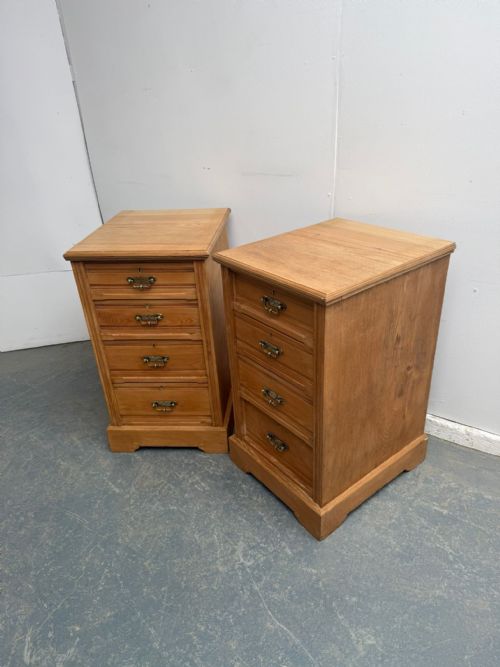
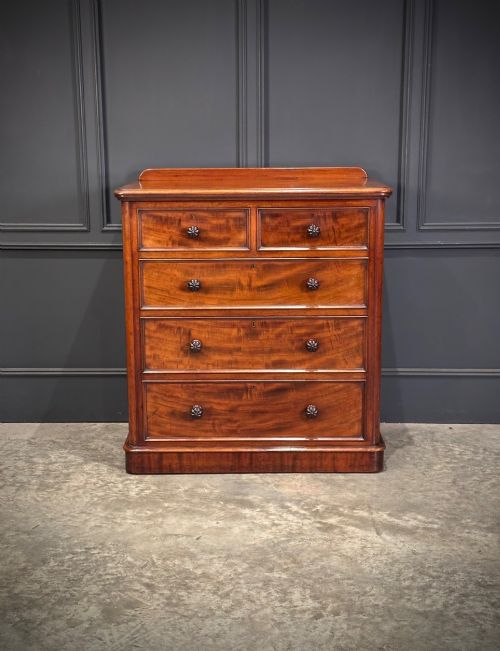
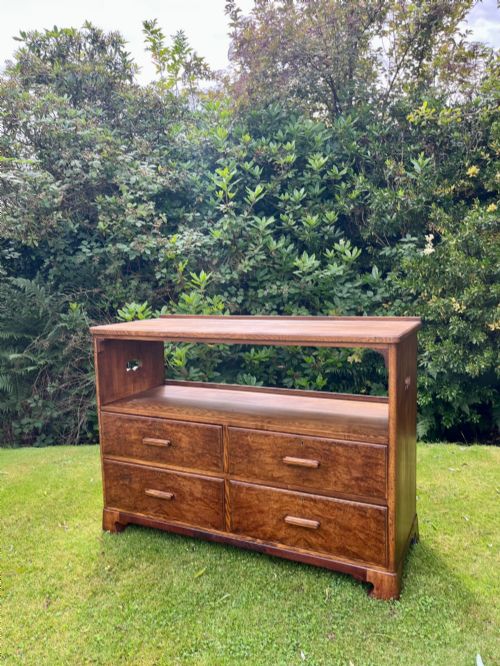
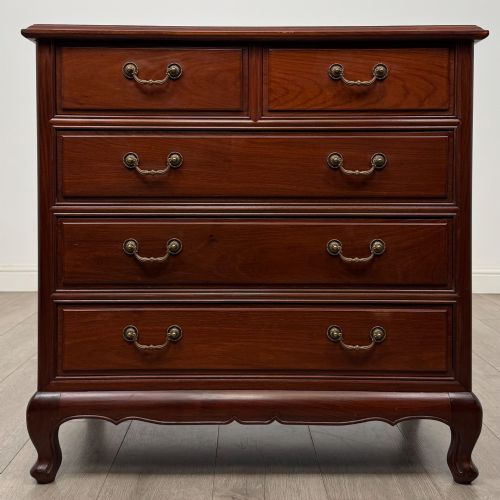




Edwardian Timber Chest
An edwardian timber chest brings practical storage and refined period character into a modern interior.
Edwardian Timber Chest
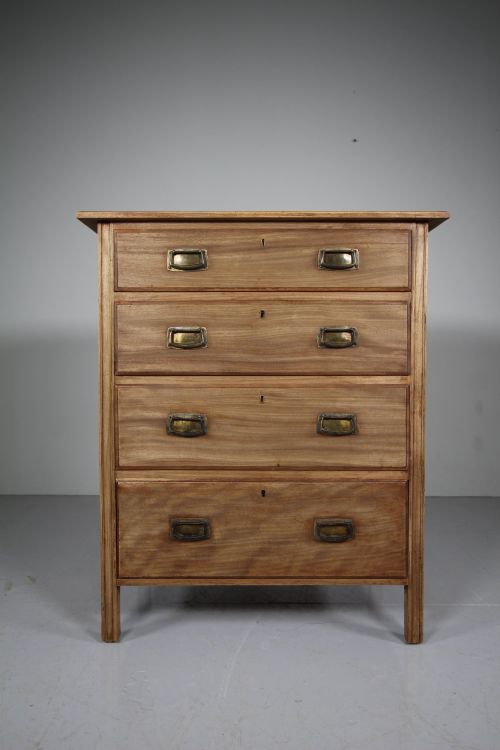
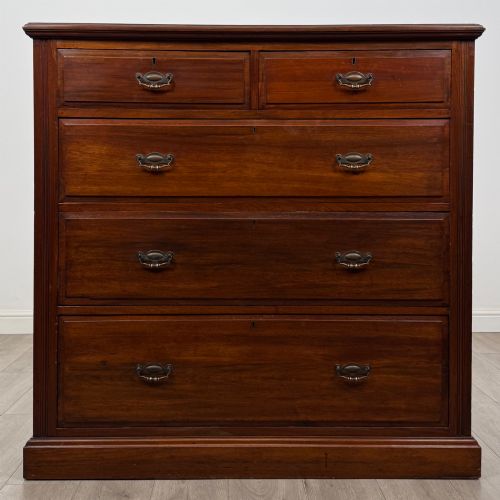
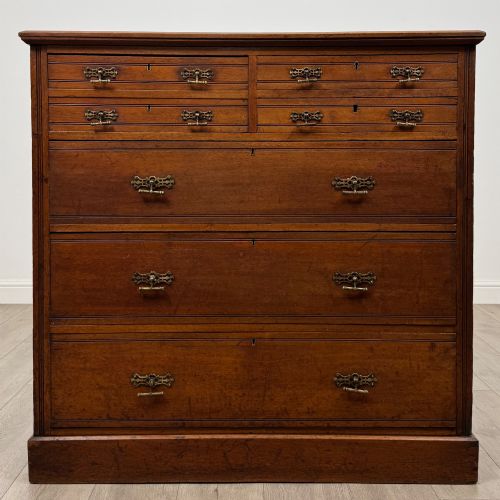
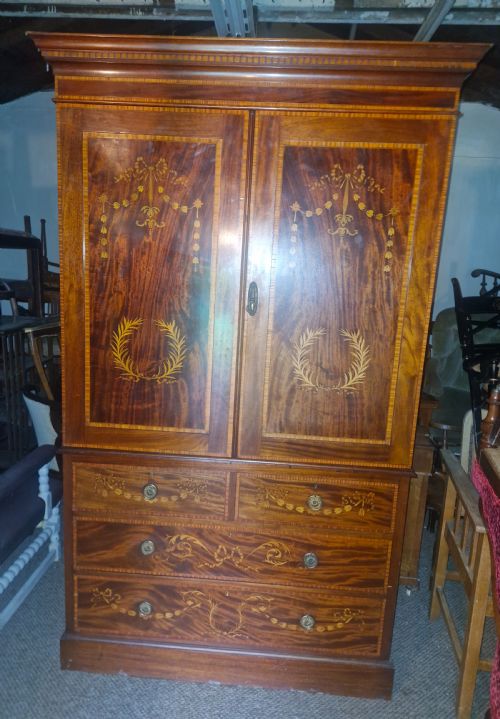
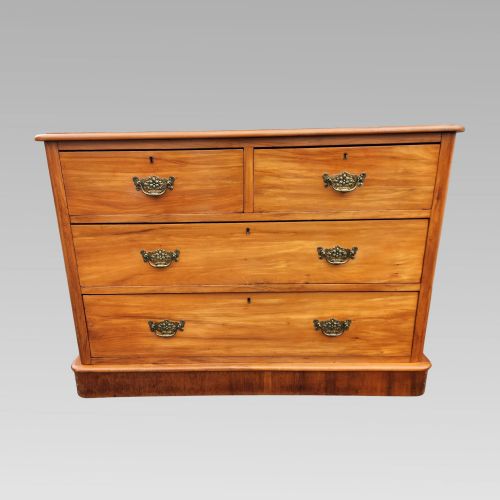
When searching for an edwardian timber chest, you encounter a range of forms from standard chests of drawers to specialised linen presses and bedside cabinets. The standard two-over-three drawer configuration in mahogany or walnut forms the backbone of these listings.
The material palette spans standard hardwoods such as oak and mahogany alongside lighter decorative timbers like satinwood and satin walnut. Pieces frequently date from the Edwardian era itself, while related examples stretch back into the Victorian period and forward into the 1920s.
Materials and Construction
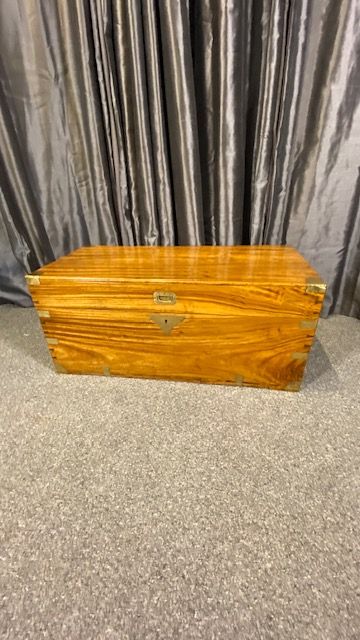
Makers utilised solid timbers and veneers such as mahogany, walnut, oak, ash, and satinwood, often accentuating the natural grain figures of the wood. Surfaces frequently received wax or polished finishes that highlighted the colour and texture of the material.
Brass handles, escutcheons, and hinges provided functional hardware that complemented the timber construction. Joinery techniques ensured sturdy frames for multi-drawer chests, linen presses, and smaller tabletop boxes.
Edwardian Timber Chest Retail Price Guide 2026
Typical asking prices for edwardian timber chest among the pieces listed under this phrase on Sellingantiques today, from the lower quarter to the upper quarter. They describe what is for sale here now, not the wider market.
Forms range from standard chests of drawers and bedside cabinets to watchmakers' drawer banks and specialised tool boxes.
Judging Quality
Quality depends upon the choice of timber and the degree of figuring in the wood, with highly figured mahogany, walnut, and satinwood standing out. The presence of original hardware, such as brass handles and working locks, elevates a piece.
Maker attribution also distinguishes certain examples, as workshop signatures from firms like Jas Shoolbred, Druce and Co., or Gillows indicate higher standards of cabinetmaking. Refined details like decorative inlay work separate standard utility items from superior examples.
Jas Shoolbred·Druce & Co.·Whytock and Reid·Gnome Et Le Rhone·Gillows of Lancaster·Morison & Co
The Edwardian Timber Chest Glossary
- Two over three
- A drawer arrangement featuring two smaller drawers above three wider full-width drawers. This layout remains common on standard chests.
- Linen press
- A tall storage piece combining upper cupboard doors with lower drawers. It was originally designed for storing household linens and garments.
- Wellington chest
- A tall, narrow chest of drawers secured by a hinged vertical locking flap on one side. This design kept the contents secure.
- Bowfront
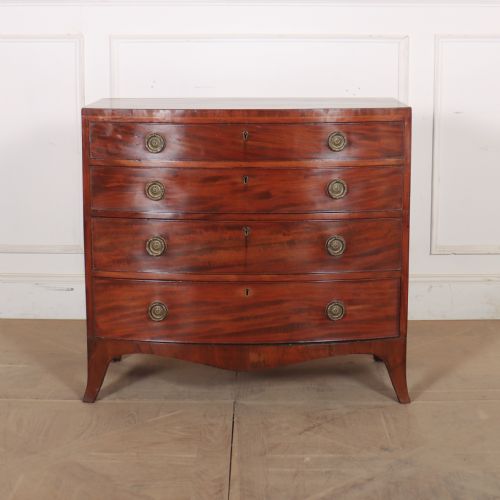
- A curved cabinet front that swells outward in the centre. This style adds visual depth to mahogany and walnut chests.
- Satinwood
- A pale, lustrous timber native to the tropics, used for fine veneers and decorative panels. It provides a bright contrast to darker hardwoods.
Edwardian Timber Chest: Frequently Asked Questions
How do I date an edwardian timber chest?
Dating relies on stylistic markers, construction methods, and timber choices recorded across the period. Edwardian pieces often display lighter woods like satinwood alongside traditional mahogany.
Comparison with Victorian or 1920s examples helps narrow the decade of production. Maker stamps and brass hardware styles offer further chronological clues.
Where should I place an edwardian timber chest?
These chests suit bedrooms, hallways, and living spaces requiring practical drawer storage. Smaller bedside cabinets and side cabinets fit tight corners.
Larger linen presses and chests of drawers anchor bigger walls and provide substantial capacity. Keeping timber away from direct heat sources protects the polish.
What is the difference between a chest and a press?
A standard chest consists entirely of horizontal drawers stacked vertically. It provides straightforward storage for folded clothing and smaller items.
A linen press incorporates upper shelving behind doors above a bank of lower drawers. This hybrid form served multiple household storage needs.
Are these chests made of solid wood?
Makers utilised both solid timber construction and high-grade wood veneers applied to secondary woods. Mahogany, walnut, oak, and ash frequently appeared in solid form for structural elements.
Veneers allowed craftsmen to display striking grain figures on drawer fronts and top panels without warping.