



Edwardian Telescope
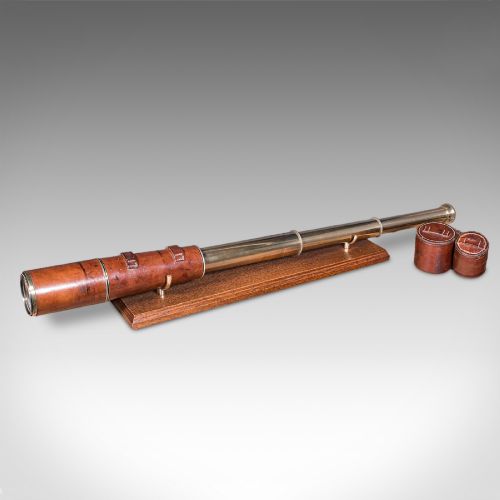
Edwardian telescope pieces are precision brass and leather instruments designed for clarity, offering a tangible connection to the practical optics of the early twentieth century.
Edwardian Telescope
When you search for an edwardian telescope, you are looking at optical instruments produced during the early twentieth century alongside related maritime and scientific equipment. The selection ranges from portable three-draw spyglasses to larger library and naval configurations.
The versions you are most likely to meet on this page span the Edwardian period and adjacent eras, constructed from durable materials suited to field and maritime use. These pieces reflect the functional aesthetic of British instrument makers working at the turn of the century.
Alongside dedicated optical tubes, the evidence shows related items such as scientific instruments and walking cane variants incorporating optical elements. Each piece demonstrates the mechanical ingenuity expected of the period.
Materials and construction methods
Brass forms the primary structural body for these instruments, providing the necessary weight and durability for precision draw tubes. Nickel plating also appears on later iterations to offer an alternative metallic finish.
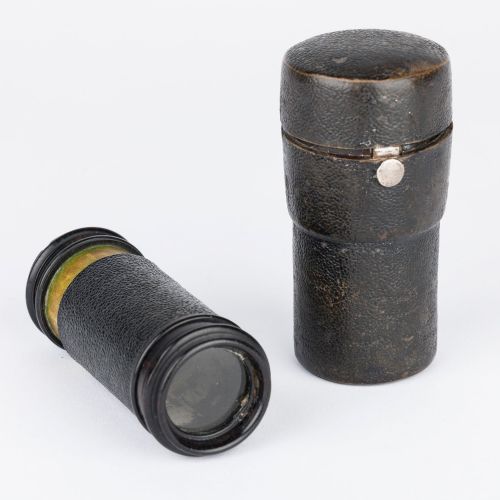
Leather and wood, including mahogany and bone, are utilised for exterior cladding and handle sections to ensure a secure grip during use. These organic materials are fitted carefully around the metal barrels.
Glass lenses focus light within the multi-draw configuration, allowing the user to extend the barrel for varying focal lengths. Makers assembled these components by hand to maintain optical alignment.
Edwardian Telescope Retail Price Guide 2026
Typical asking prices for edwardian telescope among the pieces listed under this phrase on Sellingantiques today, from the lower quarter to the upper quarter. They describe what is for sale here now, not the wider market.
Listings incorporate brass, leather, and glass across multiple periods, with a strong representation of nineteenth and early twentieth-century British craftsmanship.
Assessing quality in optical instruments
Quality in an edwardian telescope rests upon the clarity of the glass optics and the precision with which the draw tubes slide. Smoother mechanical action and sharper image reproduction separate finer workshop output from standard production.
The presence of signed maker inscriptions engraved onto the brass barrel elevates a piece significantly. Maker attribution provides a direct link to established London optical houses of the era.
The integrity of the exterior materials, whether stitched leather panels or carved bone sections, dictates the overall preservation of the instrument. Superior examples retain their original surface finishes without excessive replacement parts.
Clarkson London·Ross of London·Broadhurst Clarkson And Co·Negretti And Zambra
The Edwardian Telescope Glossary
- Spyglass
- A small, portable handheld telescope usually featuring multiple sliding draws. This term commonly describes compact versions used for quick observation.
- Draw
- A sliding tubular section of a telescope barrel. Multiple draws allow the instrument to collapse for transport and extend for use.
- Theodolite
- A precision optical instrument used for measuring angles in surveying and navigation. It shares mechanical and brass construction traits with period telescopes.
- Terrestrial telescope
- An optical instrument designed for viewing land-based objects rather than stars. It typically incorporates an erecting lens system to ensure the image appears right side up.
Edwardian Telescope: Frequently Asked Questions
How do I use a three draw telescope?
Gently pull each section of the brass barrel fully outward until the internal stops engage, ensuring the optical path is straight.
Focus the image by making minute adjustments to the final eyepiece draw until the target subject appears sharp.
Were these telescopes used at sea?
Many instruments from this period served as officer of the watch or naval telescopes. Their brass and leather construction resisted marine environments.
Captain and crew relied on them for signalling and navigation across open water.
How should I clean brass telescope barrels?
Dust the metal surface gently with a soft, dry cloth to remove loose particles. Avoid abrasive polishes that might remove historic patination.
Leather sections benefit from occasional treatment with appropriate conservation wax to maintain suppleness.
Can I mount a tabletop telescope?
Larger library and tabletop versions often feature dedicated mounting collars or heavy bases to support their weight. These stands allow steady viewing without hand fatigue.
Position the instrument near a window or on a stable desk surface for optimal use.