



Edwardian Tea Pot
An edwardian tea pot brings a touch of early twentieth-century elegance to the table, offering both decorative charm and a functional centrepiece.
Edwardian Tea Pot
When searching for an edwardian tea pot, you encounter pieces spanning the early decades of the twentieth century, often accompanied by matching sugar bowls and coffee pots in complete sets.
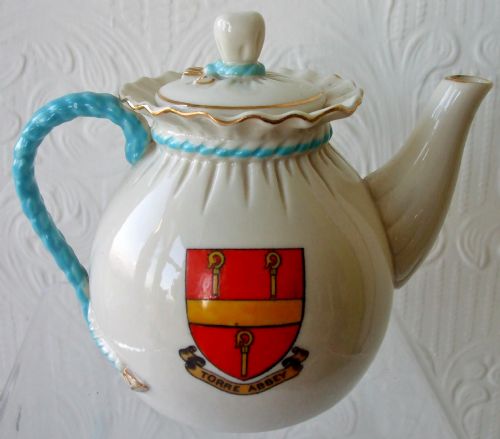
The selections on this page predominantly feature silver plate and sterling silver constructions, alongside notable ceramic examples including porcelain and porcelain-related pottery.
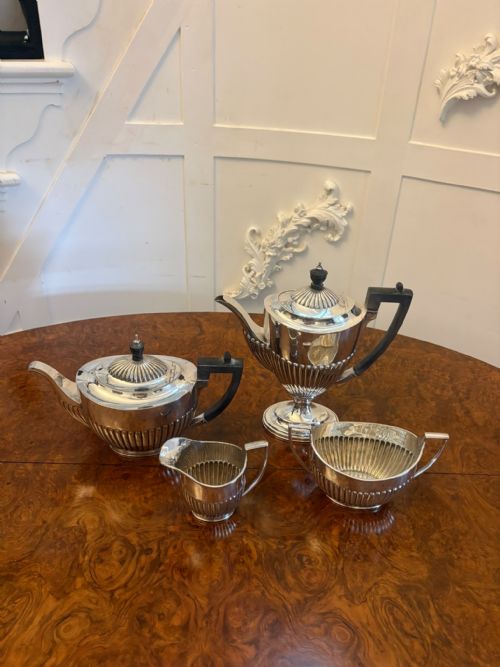
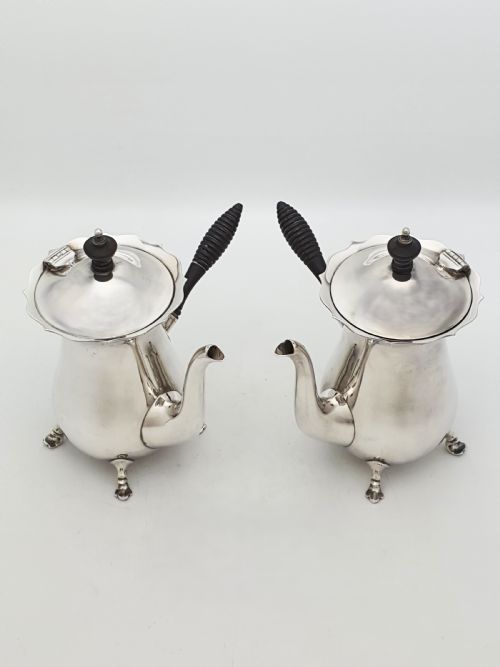
Forms range from individual teapots and ornate café au lait pots to extensive four and five piece tea services housed in original fitted cases.
Materials and construction
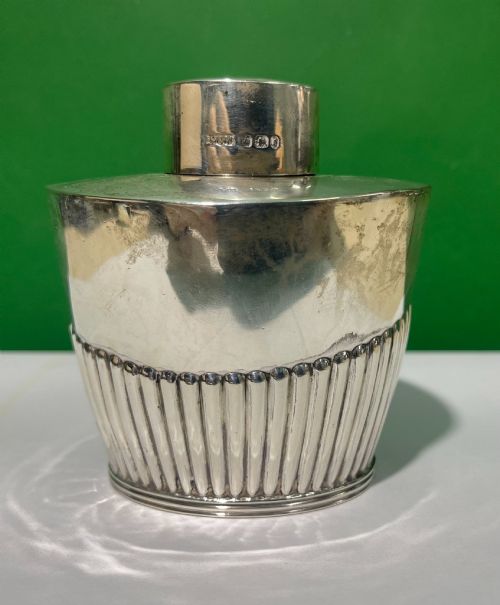
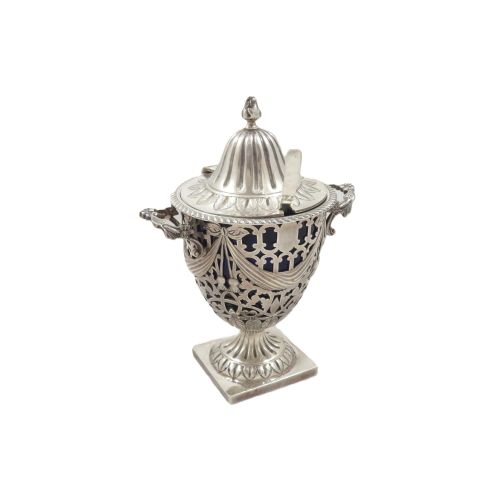
Metals form the backbone of this selection, utilising silver plate and sterling silver shaped into robust bodies, frequently accented with ebonised wood handles and knobs.
Ceramic pieces incorporate porcelain, enamel, and gold leaf applications, sometimes finished with handpainted and gilded details characteristic of the period.
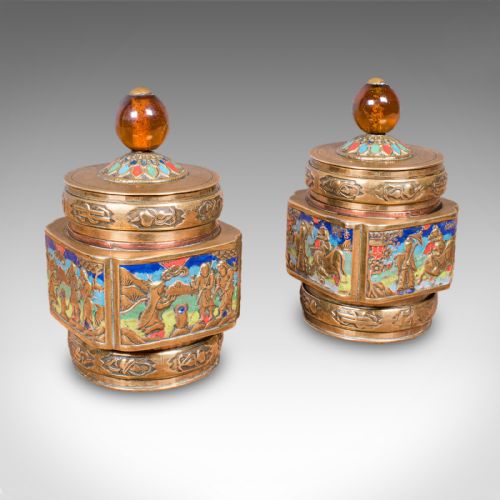
Techniques range from standard silversmithing and silver plating to specialised pottery production such as agateware and champlevé enamelling.
Edwardian Tea Pot Retail Price Guide 2026
Typical asking prices for edwardian tea pot among the pieces listed under this phrase on Sellingantiques today, from the lower quarter to the upper quarter. They describe what is for sale here now, not the wider market.
Some miniature chocolate pots and oriental spice pots survive in remarkably small scales, offering a delightful contrast to heavy five-piece services.
Distinctions in quality
Quality separates standard utilitarian wares from superior examples through the crispness of casting, the balance of handles, and the precision of silver hallmarks.
The presence of an original fitted case or a complete, matching multi-piece service elevates the desirability of a set significantly.
Artisanal touches like handpainted decoration, gold leaf gilding, and intricate champlevé work distinguish finer decorative items from mass-produced commercial output.
Walker and Hall·W.H. Goss·Coalport·Harry Atkin
The Edwardian Tea Pot Glossary
- Sterling Silver
- A silver alloy containing 92.5 percent silver by mass, standard for high-end British tableware. Hallmarks on these pieces typically indicate the assay office and year of manufacture.
- Silver Plate
- A base metal coated with a layer of silver, providing the visual appeal of solid silver at a different production tier. This material appears frequently across Edwardian tea services.
- Champlevé
- An enamelling technique where troughs are carved into the metal surface and filled with vitreous enamel before firing. It appears on decorative caddies and small vessels.
- Agateware
- Pottery made from blended clays of different colours to produce a marbled effect resembling natural agate stone. This technique creates distinct patterned surfaces on teapots.
- Café Au Lait Pot
- A vessel specifically designed for serving coffee with milk, often found alongside standard teapots in larger morning sets of the era.
Edwardian Tea Pot: Frequently Asked Questions
What pieces come in a set?
A standard service often includes a teapot, coffee pot, sugar bowl, and milk jug, sometimes accompanied by matching trays or kettles on stands.
Larger configurations span four or five pieces, occasionally preserved within fitted wooden boxes complete with original interior linings.
How do I care for silver plate?
Regular gentle cleaning with a soft cloth and proprietary silver polish maintains the shine without wearing down the plated surface.
Avoid abrasive materials and harsh chemical dips that can damage ebonised wooden handles or delicate enamel accents.
Are these pots still usable?
Many silver plated and sterling silver vessels remain structurally sound and capable of holding hot water for daily tea service.
Ceramic items and older porcelain pieces require careful handling to preserve delicate glazes, gilding, and handpainted details.
How do I identify Edwardian style?
Edwardian tea ware often reflects lighter, more graceful interpretations of earlier Rococo Revival motifs alongside cleaner turn-of-the-century lines.
Maker marks, registration numbers, and silver hallmarks provide definitive dates to confirm the production era of each piece.