



Edwardian Table Silverware
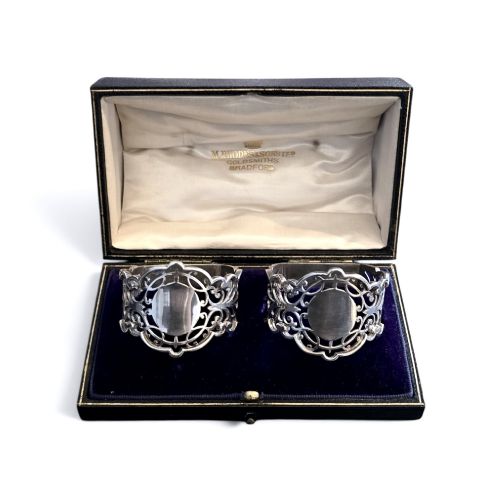
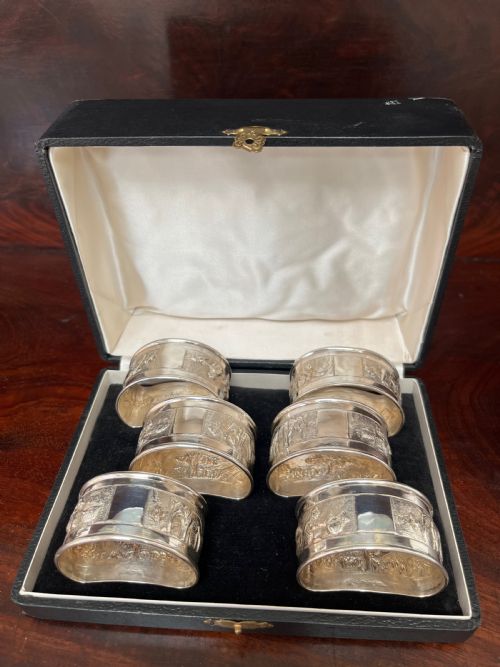
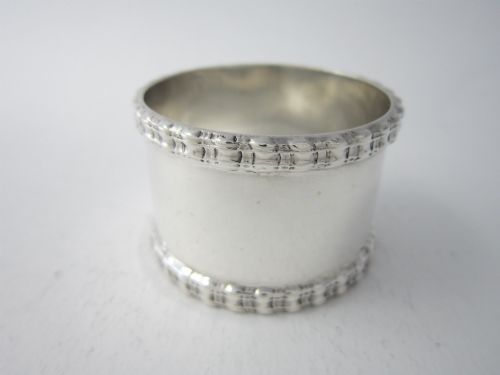
Edwardian table silverware brings bright silver service to the dining table with toast racks, mustard pots and cased napkin rings.
Edwardian Table Silverware
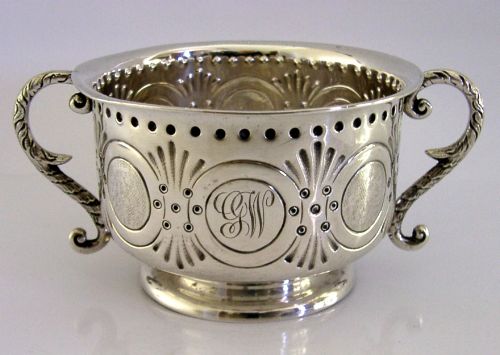
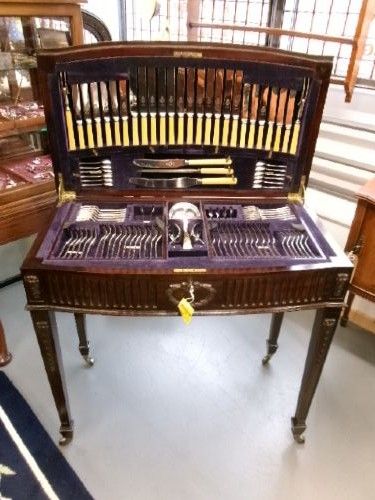
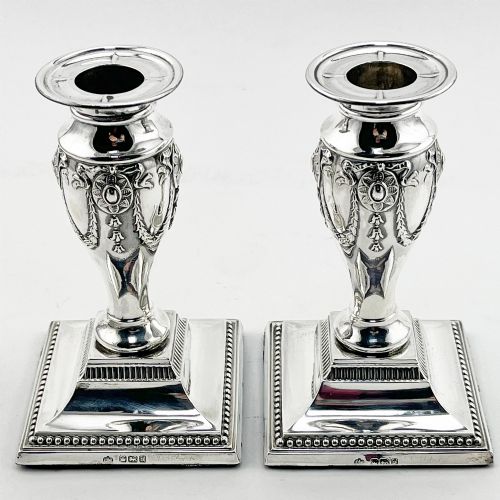
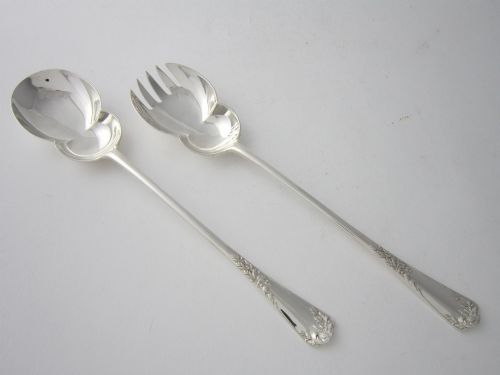
Edwardian table silverware encompasses the functional dining implements and decorative vessels designed for the early twentieth-century table. When searching for edwardian table silverware, buyers encounter objects ranging from individual mustard pots and toast racks to extensive cutlery canteens.
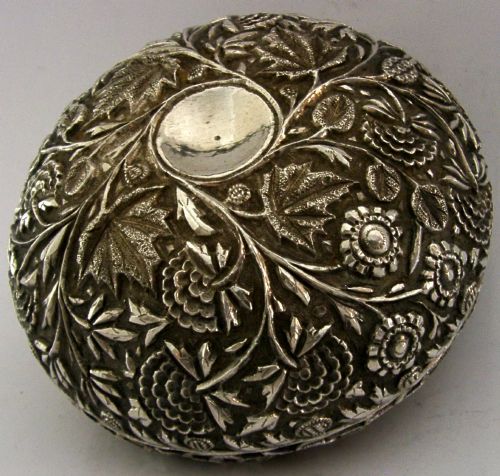
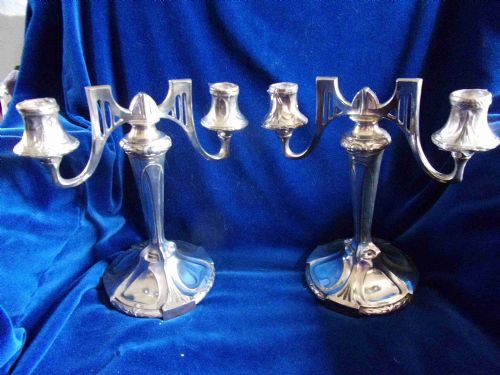
Makers and retailers such as Liberty & Co, Walker & Hall, and Mappin & Webb appear among the listings. Alongside British domestic work, styles reflect broader influences including Art Nouveau, Jugendstil, and Anglo-Indian design.
Materials and Construction
The material record relies heavily upon sterling silver and silver plate, shaped into hollowware and flatware. Supplementary materials appear in specific contexts, such as oak for cutlery canteens and velvet, silk, or brass for fitted presentation cases.
Manufacturing techniques combine traditional silversmithing with period machinery to produce crisp piercing, heavy gauge casting, and applied borders. Enamel decoration also appears on select pieces, adding colour and contrast to the silver surface.
Edwardian Table Silverware Retail Price Guide 2026
Typical asking prices for edwardian table silverware among the pieces listed under this phrase on Sellingantiques today, from the lower quarter to the upper quarter. They describe what is for sale here now, not the wider market.
Materials documented across the inventory include sterling silver, silver plate, oak, velvet, brass, and silk.
Evaluating Quality in Silverware
Quality rests upon the gauge of the metal and the crispness of the original chasing, piercing, or engraving. Heavier items with substantial weight demonstrate superior material investment compared to thin-walled alternatives.
Design integrity distinguishes standard production from exceptional work, particularly where stylistic movements like Art Nouveau or Jugendstil influence the form. The reputation of the maker, whether a major Sheffield firm or a distinct silversmith, further elevates a piece.
Barker Brothers·Liberty & Co·Walker & Hall·Mappin & Webb·Whiting Co·Roberts & Belk
The Edwardian Table Silverware Glossary
- Sterling silver
- A silver alloy containing 92.5 percent pure silver and 7.5 percent other metals, usually copper. This standard composition guarantees durability while maintaining a bright metallic lustre.
- Silver plate
- A base metal foundation coated with a thin layer of pure silver through electroplating. This method provided an accessible alternative to solid silver for larger dining items.
- Toast rack
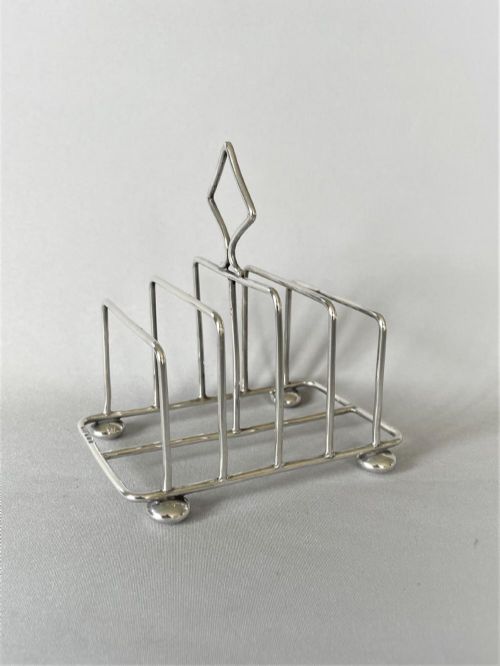
- A small table frame with arched metal dividers designed to hold slices of toast upright. These pieces prevent condensation from making the toast soggy.
- Sugar caster
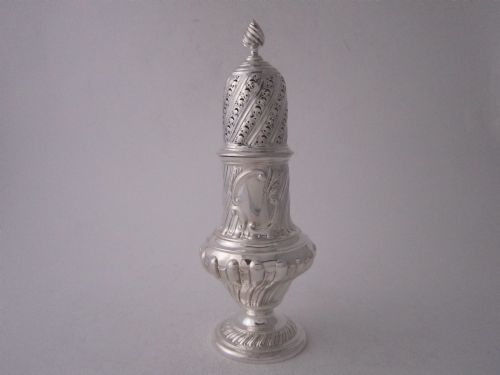
- A perforated vessel used for sprinkling castor sugar onto food. They feature removable pierced tops secured by threaded collars or bayonet mounts.
- Canteen
- A fitted wooden chest or box designed to store a complete set of cutlery. These oak containers often feature multiple tiers to organise flatware securely.
- Epergne
- A large central table ornament featuring a main bowl with multiple detachable branching arms and smaller dishes. They served as elaborate centrepieces for fruit, flowers, or sweets.
Edwardian Table Silverware: Frequently Asked Questions
What is included in edwardian table silverware?
This category covers small silver items and utensils used during dining, including toast racks, mustard pots, napkin rings, and sugar casters. Larger service pieces like bread dishes and cutlery canteens also fall under this heading.
Items range from single condiment vessels to extensive cased sets intended for formal hospitality. Materials primarily include sterling silver and silver plate.
How do I care for silver on the dining table?
Regular use helps prevent tarnish accumulation, as natural handling removes surface oxidation. Hand washing with mild soap and warm water immediately after use protects the metal from food acids.
Avoid abrasive cloths or harsh dips that remove microscopic layers of silver over time. Store pieces in dry conditions away from direct sunlight.
How do I identify the date of a silver piece?
British silver typically bears hallmark stamps that indicate the assay office, the maker's mark, and a specific date letter corresponding to the year of testing. These official marks provide precise chronological information.
Stylistic cues such as Edwardian proportions or Art Nouveau motifs help narrow down the period when hallmarks are absent or worn.
What is the difference between solid silver and silver plate?
Solid silver, including sterling standard, consists of the precious metal throughout its entire structure. It carries full hallmark stamps guaranteeing the metal purity.
Silver plate applies a thin coating of silver over a base metal core such as nickel silver or brass. Plated items generally bear maker marks indicating the plating technique rather than silver assay stamps.