

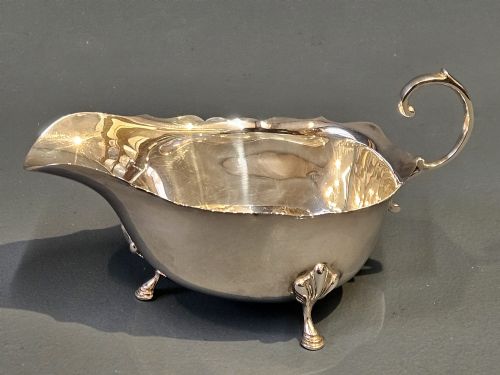


Edwardian Table Jugs
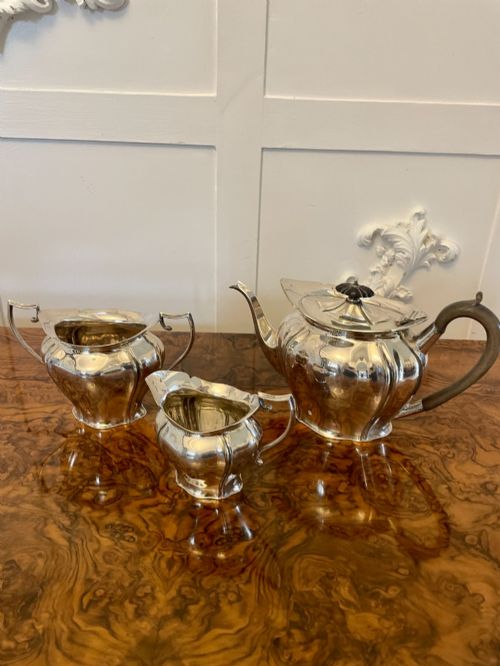
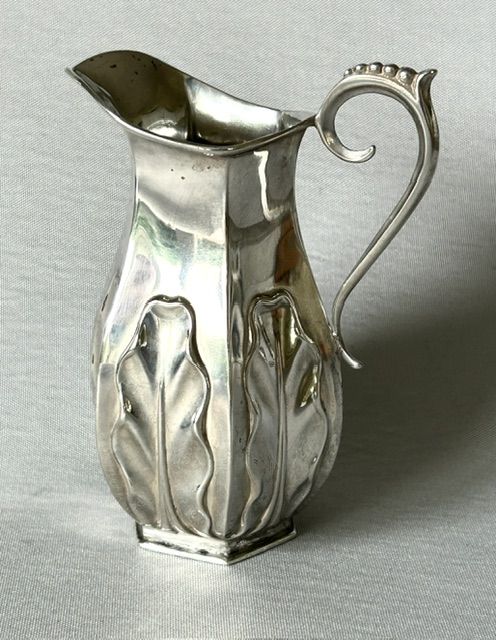
These Edwardian table jugs are versatile vessels in silver plate, sterling silver, cut glass, and enamel, designed to bring elegance and utility to any dining setting.
Edwardian Table Jugs
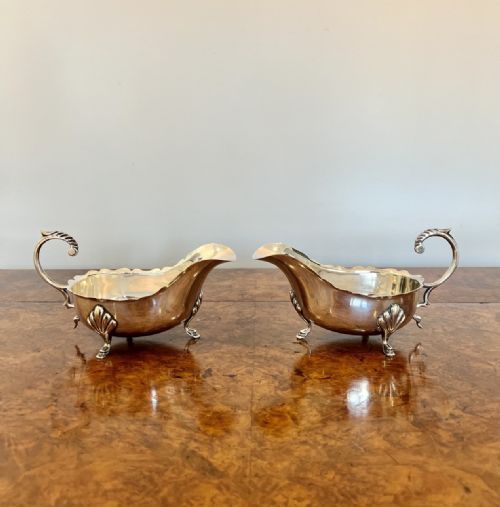
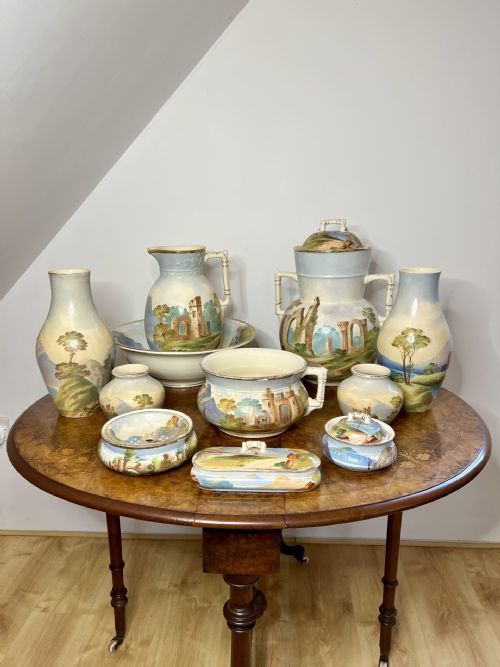
Edwardian table jugs encompass a practical variety of forms, including cream jugs, sauce boats, decanters, ewers, and wash sets, appearing alongside adjacent styles from the late Victorian and George V periods.
A buyer examining these listings is most likely to encounter silver plated sauce boats and cut glass ewers or decanters dating from around 1900, reflecting the domestic routines of the era.
The objects combine functional utility with decorative appeal, utilising materials like amber glass, cranberry glass, earthenware, and glazed ceramic alongside precious metals.
Materials and construction
Makers shaped these pieces from sterling silver and durable silver plate, alongside heavy lead crystal and cut glass that required expert blowing and wheel-cutting techniques.
Ceramic examples such as Coalport ewers and glazed earthenware wash sets demonstrate traditional pottery methods, while other pieces integrate enamel and wood details into their construction.
Edwardian Table Jugs Retail Price Guide 2026
Typical asking prices for edwardian table jugs among the pieces listed under this phrase on Sellingantiques today, from the lower quarter to the upper quarter. They describe what is for sale here now, not the wider market.
Coalport and Stevens & Williams items bring a splash of amber and cranberry glass to the dining table.
Assessing quality
Quality in these table jugs rests upon the crispness of the glass cutting, the depth and clarity of the silver plating, and the refinement of the ceramic body.
Superior examples display balanced proportions, clean casting on sauce boats and handles, and intact decorative elements that demonstrate the skill of the original workshop.
Stevens & Williams·Coalport
The Edwardian Table Jugs Glossary
- Sauce boat
- An open vessel with a lip and handle used for serving gravies or sauces at the table. These often sit upon an attached or matching undertry.
- Ewer
- A large jug with a wide spout and elaborate handle, historically used for pouring water but frequently utilised as a decorative centrepiece.
- Silver plate
- A base metal, typically copper or nickel-brass, coated with a thin layer of pure silver. This technique offered the appearance of solid silver at a lower cost.
- Lead crystal
- Glass containing metal oxide to increase brilliance and weight, allowing for deep, sharp decorative cutting. It produces a clear ring when struck.
- Cranberry glass
- A rich red-pink glass coloured by the addition of gold chloride during melting. It gained popularity in Victorian and Edwardian tableware.
Edwardian Table Jugs: Frequently Asked Questions
What were Edwardian table jugs used for?
These vessels served functional roles in formal dining and domestic hygiene, containing cream, gravy, wine, or water.
They were displayed prominently on dining tables, sideboards, or washstands as part of coordinated household sets.
How do I clean antique silver plated jugs?
Silver plate requires gentle cleaning with a specialised non-abrasive polish to preserve the thin metallic layer.
Avoid harsh scrubbing or chemical dips that can strip the plating and expose the underlying base metal.
Can I use cut glass decanters for daily dining?
Cut glass and lead crystal decanters remain entirely suitable for holding water, wine, or spirits during meals.
Hand washing in warm water prevents thermal shock and protects the delicate glass surface from damage.
How can I tell an Edwardian jug from a Victorian one?
Edwardian pieces generally exhibit lighter, more restrained ornamentation compared to the heavier revival styles of the late Victorian era.
Date marks, maker stamps, and stylistic shifts toward simpler forms help determine the exact period of manufacture.