



Edwardian Table Globe
These edwardian table globe pieces are geographical and decorative desk items from the early twentieth century that bring historic cartography into a room.
Edwardian Table Globe
An edwardian table globe is a small terrestrial globe designed for desktop placement during the early twentieth century. These pieces record the political boundaries, shipping routes and geographic knowledge of the period.
The versions most likely to appear here include terrestrial globes from the Edwardian era alongside small globes and globe-form elements incorporated into lamps and lighting fixtures. They combine educational utility with decorative appeal.
How they were made
Makers constructed these pieces using printed paper maps segmented into gores and carefully applied to a spherical core. Brass and various woods formed the stands, mountings and bases that supported the globe sphere.
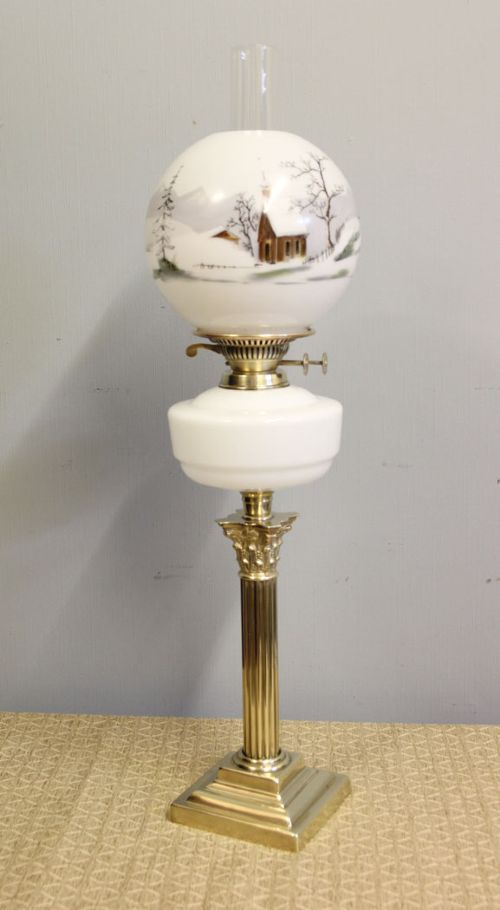
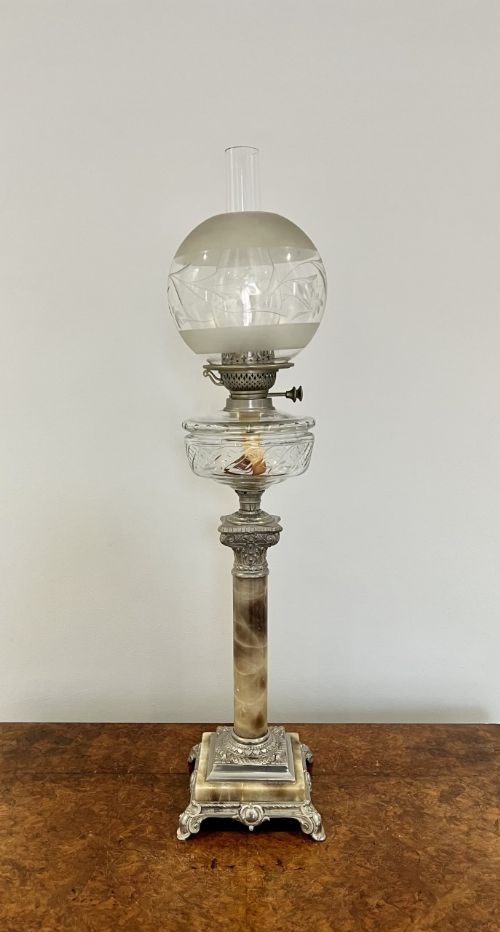
Lighting fixtures of the period combined brass frameworks with glass globes, opaline glass shades or milk glass elements. Metalwork involved casting and finishing in brass, while glass components utilised moulding and etching techniques.
Edwardian Table Globe Retail Price Guide 2026
Typical asking prices for edwardian table globe among the pieces listed under this phrase on Sellingantiques today, from the lower quarter to the upper quarter. They describe what is for sale here now, not the wider market.
Object forms span terrestrial globes, converted oil lamps, chandeliers and table lamps reflecting styles from Gothic Revival to Art Nouveau.
What varies in quality
Quality in an edwardian table globe depends on the precision of the cartographic printing and the clarity of the geographical details. Finer examples retain their original surface varnish and paper integrity without significant fading or staining.
The standard of the supporting stand also dictates the overall merit of the piece. Solid brass fittings and well-turned wooden bases demonstrate superior craftsmanship compared to simpler or replacement mounts.
The Edwardian Table Globe Glossary
- Terrestrial globe
- A spherical model of the Earth displaying landmasses, oceans, countries and major cities. These objects serve both educational and decorative functions.
- Gore
- A tapering paper strip printed with map details that is pasted onto a spherical ball to form the map surface of a globe. Several gores meet at the poles.
- Opaline glass
- An opaque or semi-translucent glass, often white or pastel-tinted, widely used for Victorian and Edwardian lighting shades and globe components.
- Brass
- A copper and zinc alloy utilised extensively for the stands, meridians and structural mounts of table globes and desk lamps.
Edwardian Table Globe: Frequently Asked Questions
What is an edwardian table globe?
An edwardian table globe is a miniature terrestrial globe produced around the early twentieth century for display on a desk, table or shelf.
These pieces reflect the geography, empires and trade routes of the period while serving as decorative objects.
How do you read the dates on these globes?
Cartographic details such as country names, colonial territories and capital cities help indicate the period in which the globe was printed and manufactured.
Comparing the depicted political boundaries with historical records provides an accurate timeframe for the piece.
Where were table globes placed?
These globes were typically positioned on library tables, partners desks or study bookshelves in Edwardian homes and offices.
Their compact size allowed them to be easily consulted during reading or correspondence.
How should I care for paper globes?
Paper globes require placement away from direct sunlight to prevent the printed gores from fading or yellowing over time.
Keeping them in stable humidity conditions protects the paper and the underlying spherical core from warping.