



Edwardian Sugar Shaker
An edwardian sugar shaker brings pierced silver and glass to the tea table, offering both form and function for the collector.
Edwardian Sugar Shaker
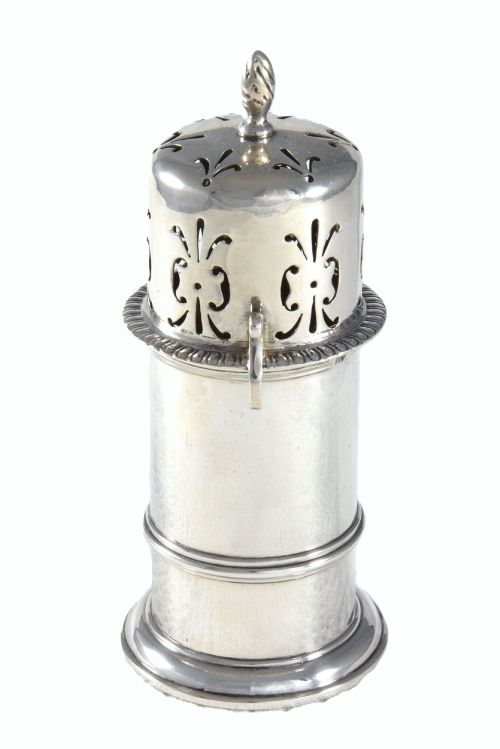
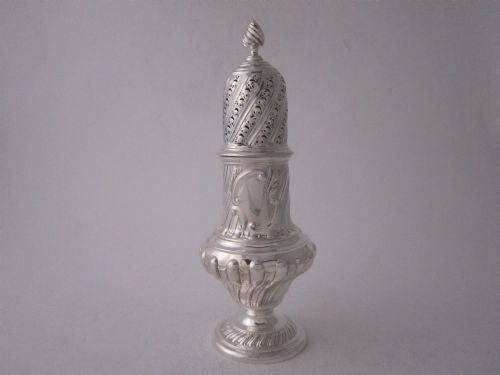
An edwardian sugar shaker stands as a functional piece of tableware designed to dispense caster sugar over fruit or desserts. These vessels appear frequently in sterling silver alongside cut glass bodies, often accompanied by related dining accessories like pepper casters.
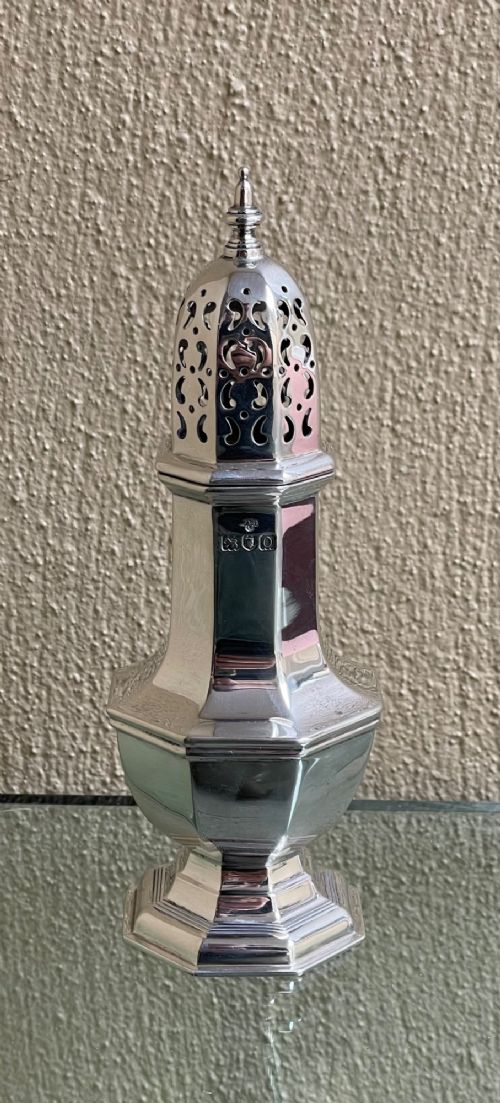
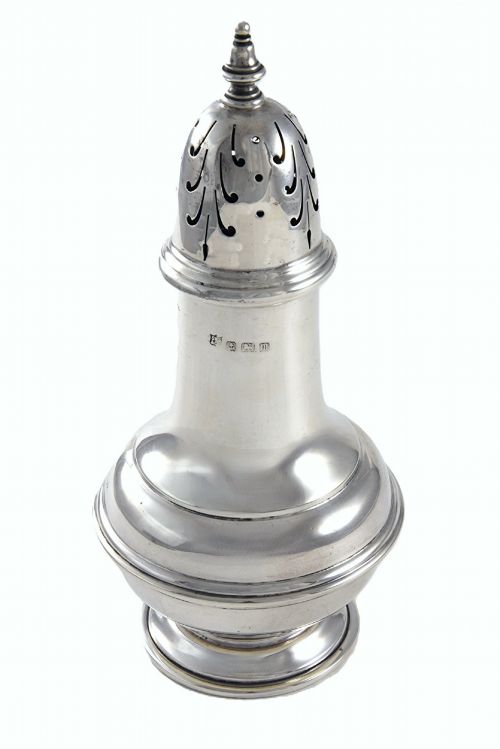
Most examples originate from the early decades of the twentieth century, though the selection includes Victorian predecessors and later Georgian Revival interpretations. Collectors encounter both slender baluster profiles and polygon sides with round tops reflecting the later art deco shift.
Materials and Construction
Lids are pierced with geometric or floral patterns to allow the controlled sprinkling of sugar, secured by push-fit or screw mechanisms. Makers stamped hallmarks directly onto the silver components to denote assay offices, town marks and sterling standards.
Edwardian Sugar Shaker Retail Price Guide 2026
Typical asking prices for edwardian sugar shaker among the pieces listed under this phrase on Sellingantiques today, from the lower quarter to the upper quarter. They describe what is for sale here now, not the wider market.
Some shakers arrived in presentation cases, ready for Victorian households to sweeten their strawberries with absolute precision.
Markers of Quality
Weight and gauge of the metal define the tactile substance of a piece, distinguishing substantial solid silver vessels from lighter alternatives. Crispness in the piercing of the lid and clarity of the hallmarks indicate superior workshop execution.
The Barker Brothers·Roberts And Belk
The Edwardian Sugar Shaker Glossary
- Caster
- A small container with a pierced lid used for sprinkling sugar or spices. These vessels take various vertical forms on the dining table.
- Hallmark
- An official stamp applied to precious metals indicating purity, maker and year of assay. These marks provide definitive historical context for silver items.
- Pounce Pot
- A small shaker historically used to sprinkle resin powder over un-sanded paper to blot ink. These pieces share a closely related form to sugar casters.
- Sterling Silver
- An alloy consisting of pure silver and other metals to increase durability while maintaining brilliance. This material forms the primary body of most listed shakers.
Edwardian Sugar Shaker: Frequently Asked Questions
What is an edwardian sugar shaker used for?
These vessels serve to dispense fine caster sugar onto desserts, porridge, or fruit during formal dining. Their pierced lids allow an even distribution across the plate.
Beyond practical use, they function as decorative silver tableware on the dining sideboard or within a collection display.
How do I clean antique silver?
Cleaning requires a soft microfiber cloth and specialised silver polish applied gently to avoid wearing down hallmarks or embossed details. Harsh chemical dips strip the natural patination built up over decades.
Store pieces in dry conditions away from direct sunlight to minimise tarnishing between uses.
Are all sugar shakers made of silver?
Many examples consist entirely of solid sterling silver, while others combine cut glass bodies with silver pierced tops. The material choice influences both the weight and the visual texture of the piece on the table.
Both solid metal and glass-bodied variants date across the same periods and share identical tabletop functions.
How can I tell the date of a piece?
Assay office marks and date letters stamped onto the silver components provide the exact year of manufacture. Stylistic clues such as polygon sides or embossed floral motifs also point toward specific decades like the Edwardian era or the 1930s.
Maker marks help cross-reference production records for further chronological accuracy.