

Edwardian Style Side Chair
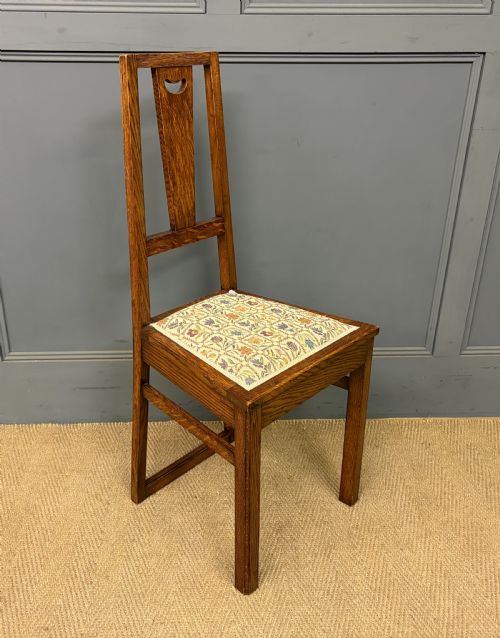
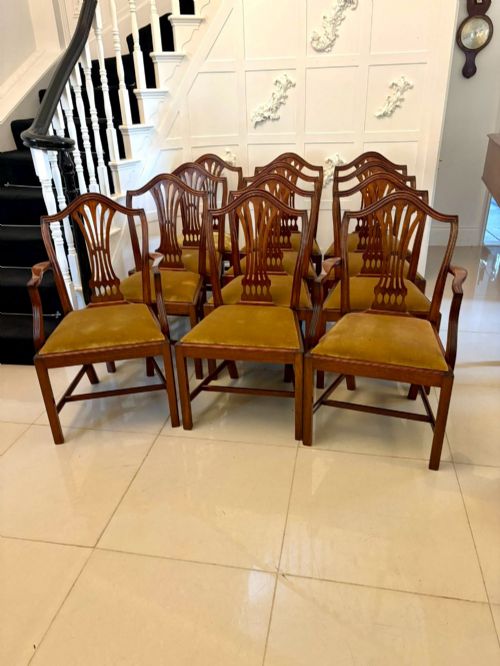
These edwardian style side chair examples are seating pieces shaped by the aesthetic revivals of the early twentieth century.
Edwardian Style Side Chair
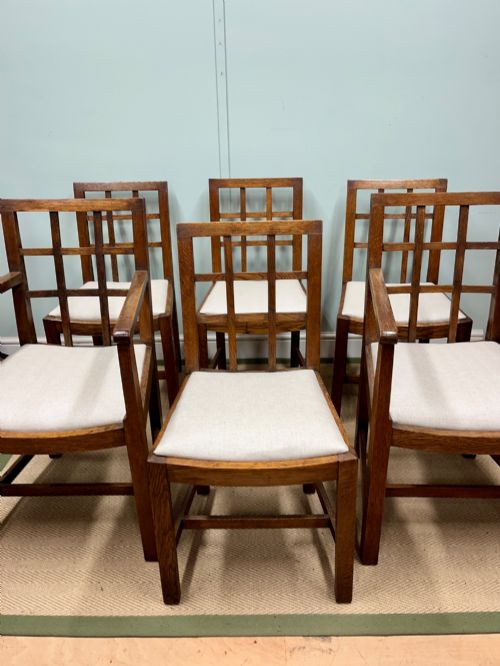
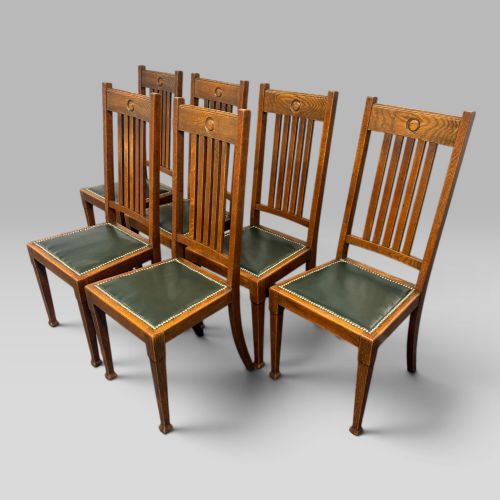
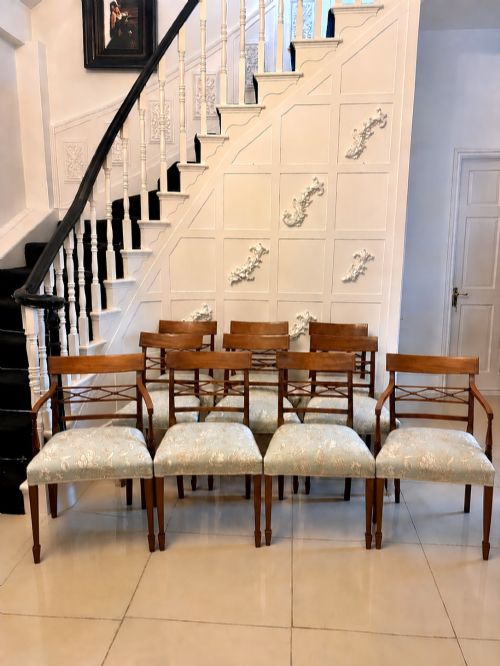
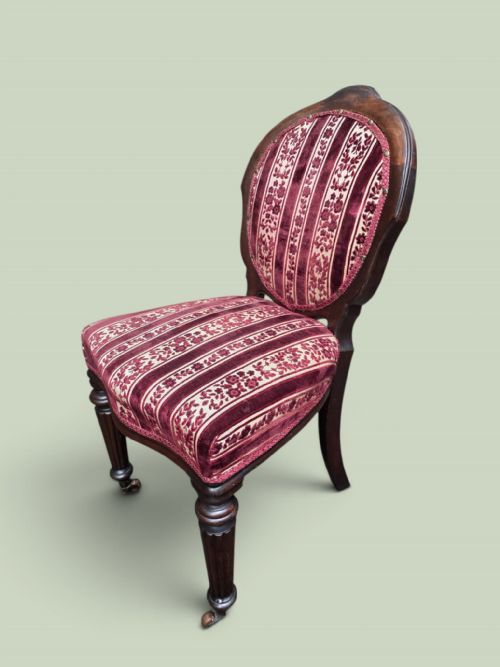
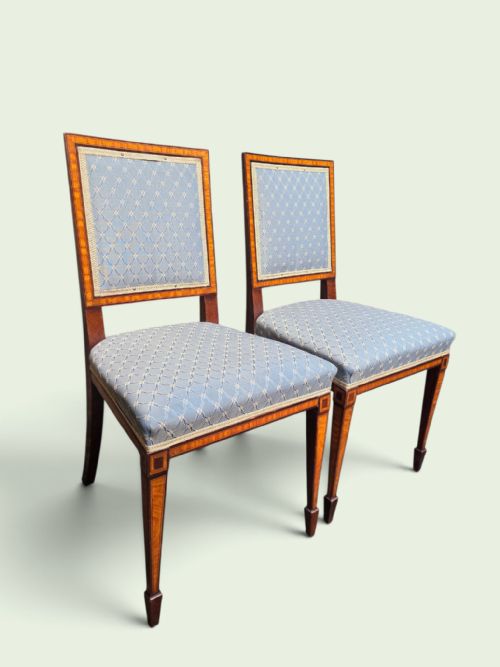
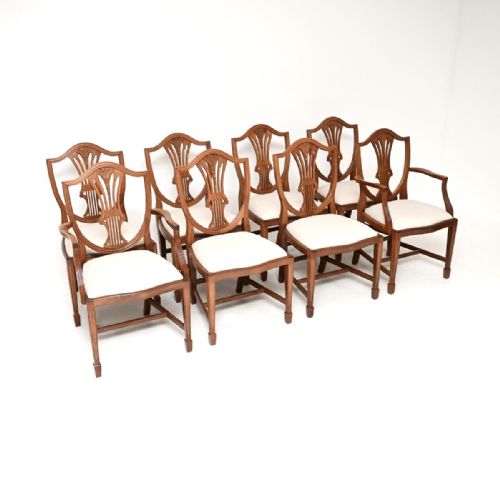
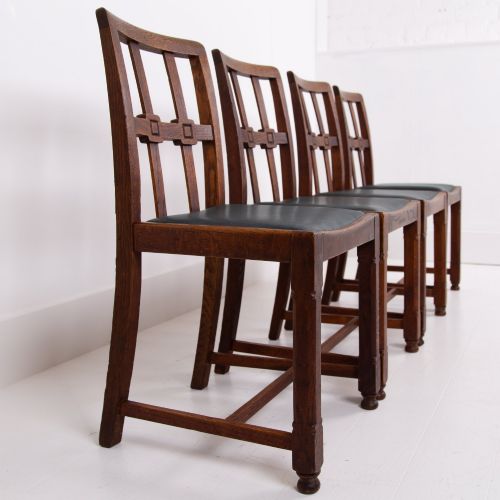
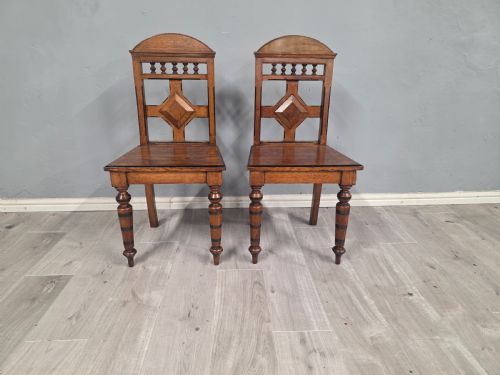
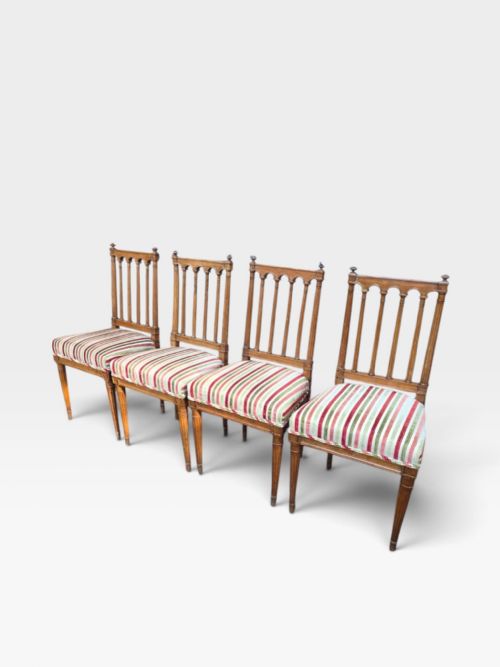
When you search for an edwardian style side chair, you encounter seating built during the early decades of the twentieth century alongside later interpretations drawing on earlier cabinet-making traditions. The pieces on this page span forms such as dining chairs, salon chairs, and hall chairs produced across the Edwardian era and surrounding decades.
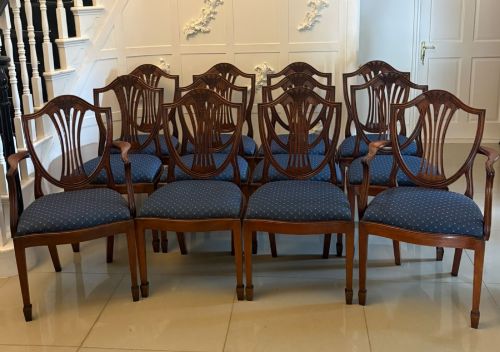
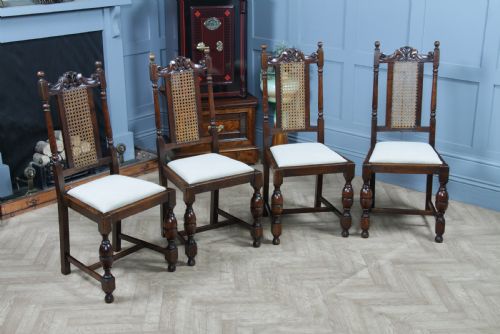
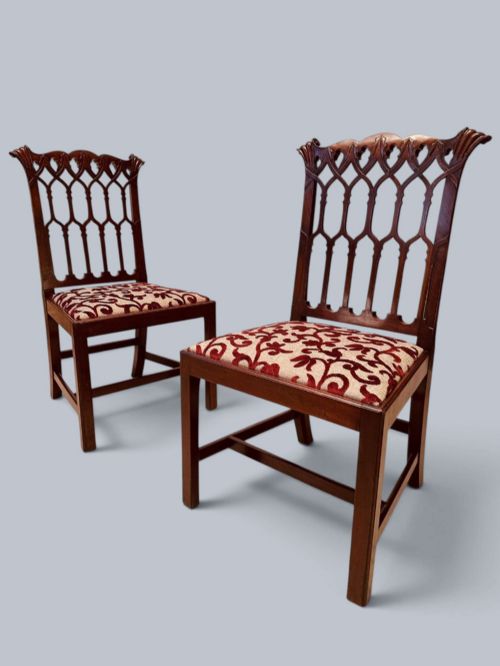
The most common variations you meet combine mahogany or oak timbers with upholstered pads in fabric, leather, or velvet. Makers frequently turned to Georgian, Sheraton, and Hepplewhite revival idioms, translating eighteenth-century proportions into lighter, domestic seating suited to period interiors.
Materials and construction
Carpenters constructed these chairs primarily using solid mahogany or oak, occasionally incorporating maple, satinwood, or walnut for decorative contrast. Elements such as cane panels and turned barley twist supports appear frequently across the workshop output recorded in the evidence.
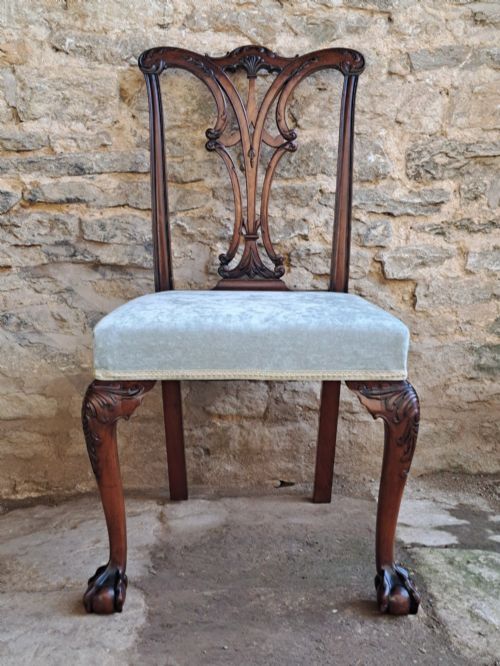
Upholstery techniques applied textiles, leather, and velvet over sprung or padded seats, while decorative details relied on inlaid wood veneers and carved shield backs. Joinery followed traditional framing methods to ensure domestic durability.
Edwardian Style Side Chair Retail Price Guide 2026
Typical asking prices for edwardian style side chair among the pieces listed under this phrase on Sellingantiques today, from the lower quarter to the upper quarter. They describe what is for sale here now, not the wider market.
Listings feature seating produced across the Edwardian era, Victorian period, and the 1920s using mahogany, oak, cane, and leather.
Factors in quality
The distinction between standard commercial production and finer work rests on timber selection and the crispness of hand-carved details. Chairs that retain well-defined inlay, tightly woven cane, and robust mahogany frames demonstrate superior workshop standards.
Makers identified with specific retail houses or documented design movements display greater fidelity to historical revival proportions. The integrity of the original joints and the preservation of secondary timbers further separate workshop pieces from mass-produced seating.
Liberty's·E A Taylor·Guillows·Goodyers·Charles Tozer·Codina·Cowtan & Sons
The Edwardian Style Side Chair Glossary
- Side chair
- A chair without arms designed primarily for dining or occasional use around a room.
- Shield back
- A chair back shaped in the outline of an inverted heraldic shield, popularized during the eighteenth century and revived in later periods.
- Cane
- Woven rattan material used to form breathable panels in seat backs and frames.
- Revival
- A design movement that borrows decorative motifs and structural forms from past centuries.
- Bergère
- An enclosed upholstered armchair with wooden framing exposed around the sides.
Edwardian Style Side Chair: Frequently Asked Questions
How do I identify an Edwardian side chair?
Edwardian side chairs typically show lighter framing, mahogany or oak construction, and decorative influences drawn from Sheraton or Hepplewhite revival styles. They often feature subtle inlay work or shaped splats.
Examining the underside and timber grain helps confirm the period of manufacture alongside any associated workshop labels.
Were these chairs used for dining?
Many examples served as formal dining seating, supplied individually or in larger matched sets for household entertaining. Other lighter variants functioned as salon or bedroom chairs.
Their proportions accommodated domestic spaces of the early twentieth century while referencing earlier historical forms.
How do I care for antique upholstery?
Maintaining fabric, leather, or velvet upholstery requires gentle vacuuming and protection from direct sunlight to prevent fibre degradation. Leather surfaces benefit from periodic conditioning to preserve suppleness.
Avoiding excessive moisture protects both the textile covering and the underlying wooden frame.