



Edwardian Style Rack
When you search an Edwardian style rack, you meet functional timber furniture designed for hallway storage, books, and daily organisation.
Edwardian Style Rack
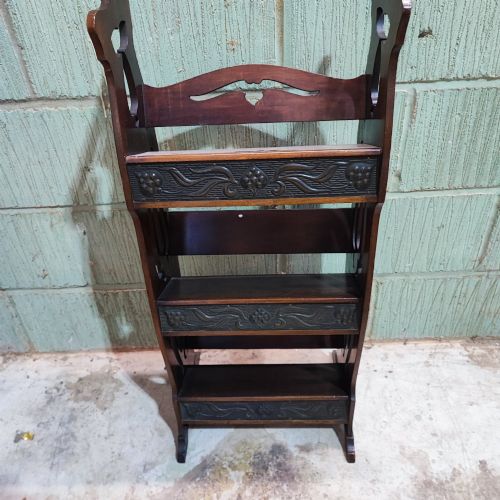
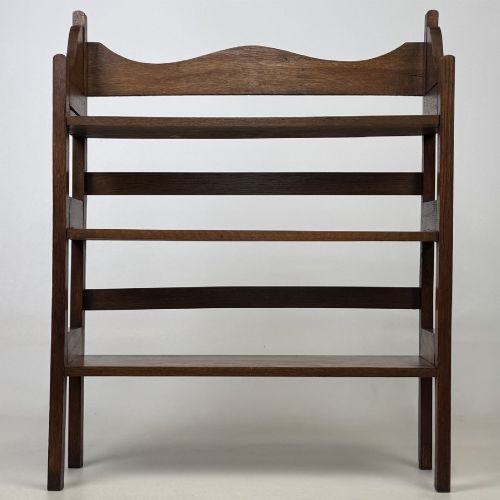
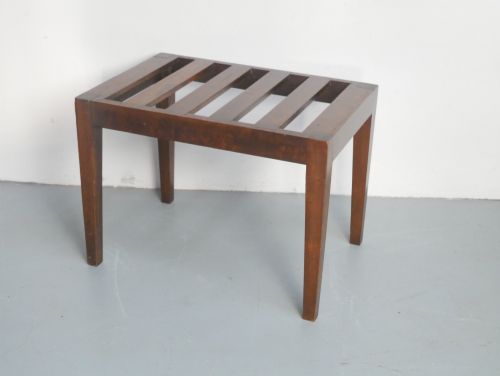
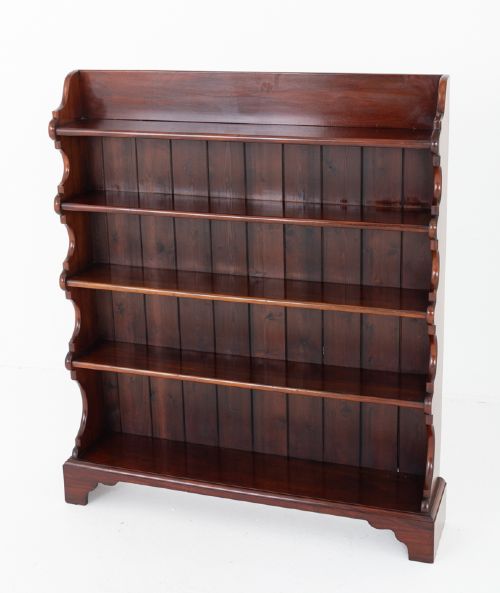
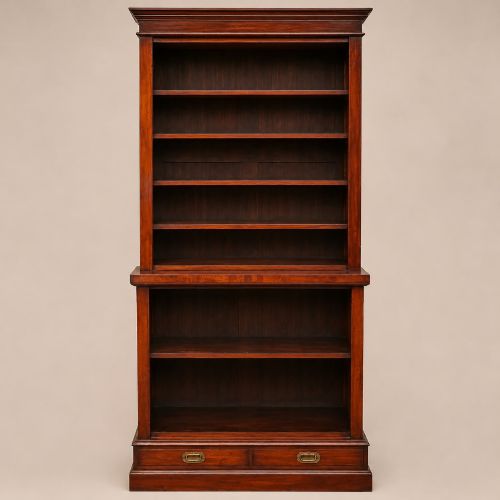
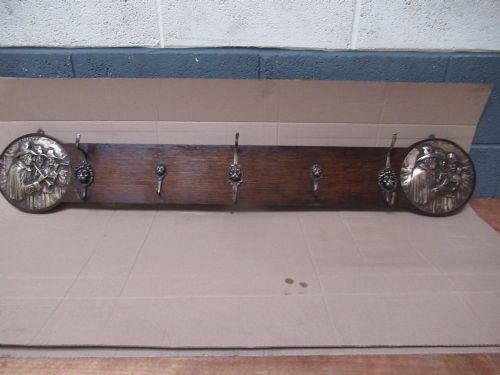
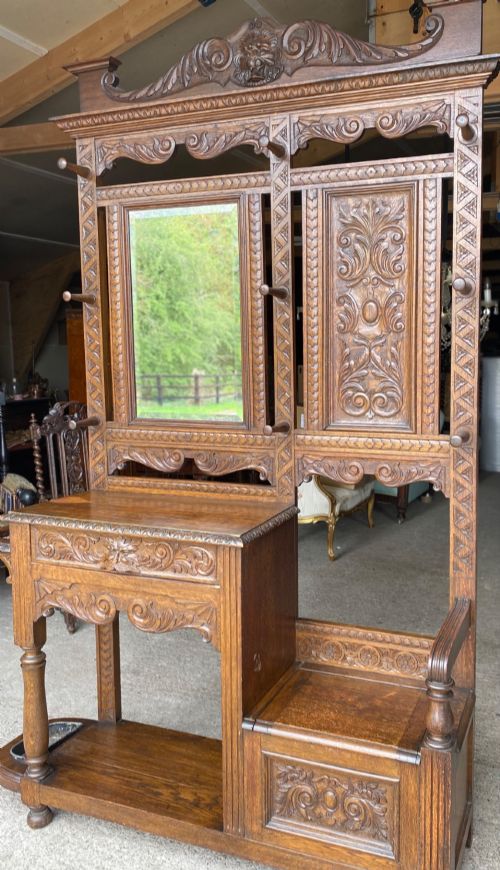
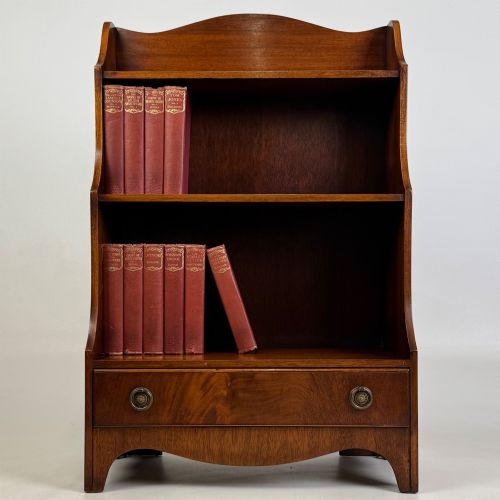
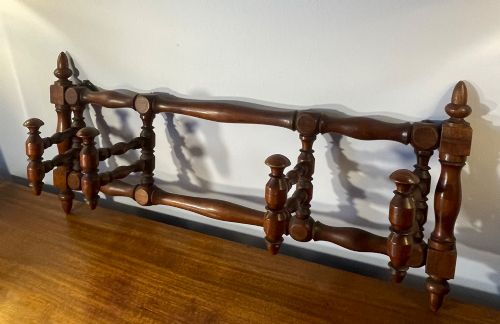
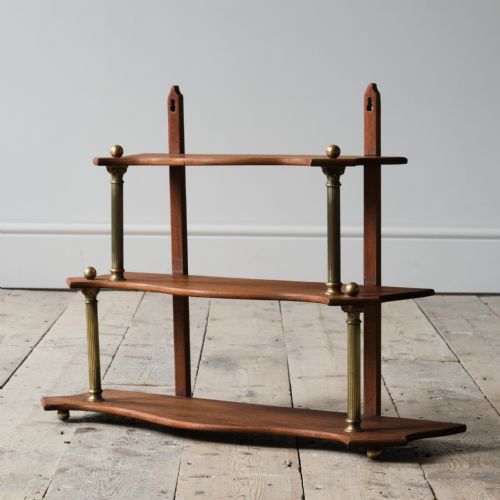
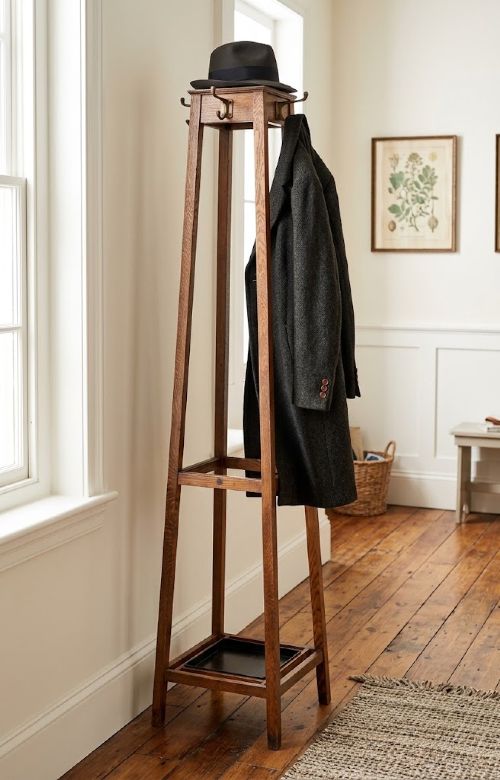
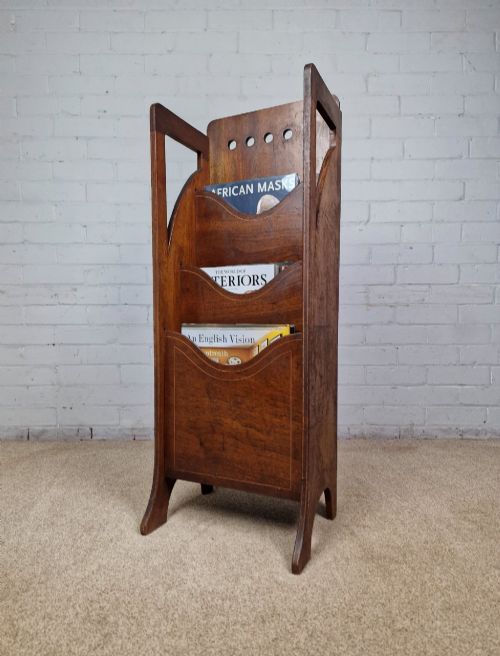
An edwardian style rack encompasses practical hallway and domestic furnishings, drawing primarily from the Edwardian period, the Victorian era, and the early twentieth century. Buyers encounter hat and coat stands, umbrella holders, magazine racks, bookshelves, and wall-hanging shelves.
Oak and mahogany form the backbone of these pieces, alongside bentwood creations and brass fittings. Workshops span multiple decades, incorporating Arts and Crafts ideals alongside Regency Revival and Georgian Revival aesthetics into everyday storage.
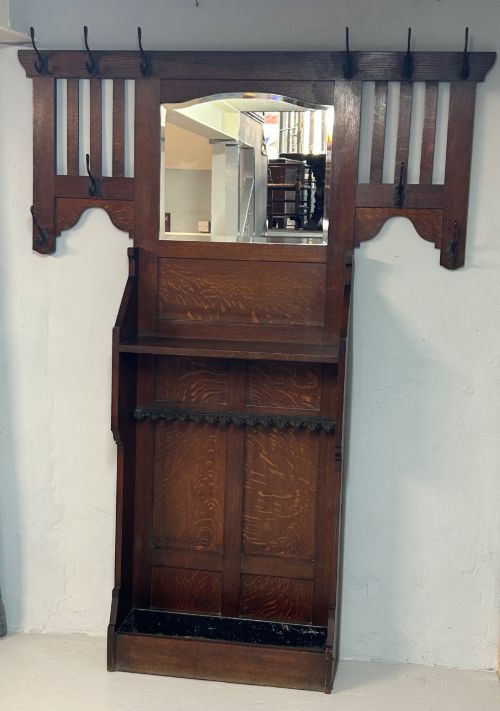
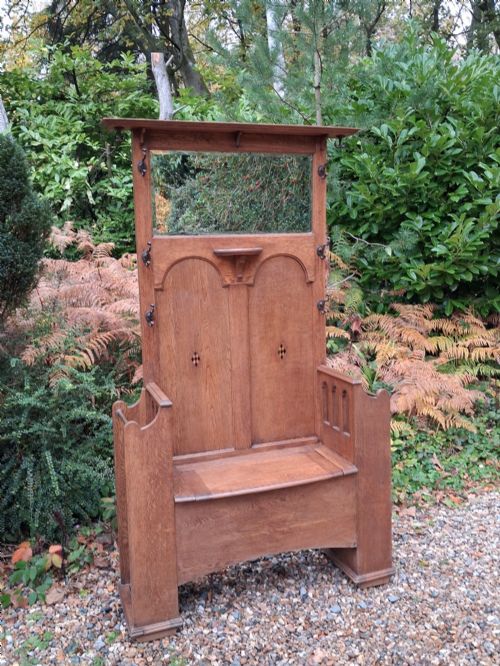
Hall stands and coat racks dominate the available selection, often combining hooks, rails, and umbrella wells into a single unit. Bookcases and canterburys offer alternative storage solutions suited to smaller domestic spaces.
Distinctions in manufacture
The standard of timber selection and joinery determines the structural integrity of each piece, distinguishing robust daily items from lighter constructions. Grain quality in oak and mahogany surfaces indicates the original maker's investment in materials.
Carved ornament and brass hardware execution reveal the level of workshop care. Refined profiling on bentwood curves and clean joinery lines separate accomplished examples from simpler utilitarian production.
Edwardian Style Rack Retail Price Guide 2026
Typical asking prices for edwardian style rack among the pieces listed under this phrase on Sellingantiques today, from the lower quarter to the upper quarter. They describe what is for sale here now, not the wider market.
Listings feature oak, mahogany, and bentwood constructed across the Victorian and Edwardian eras.
Thonet·Finnigans·Liberty·J. Parker of Woodstock
The Edwardian Style Rack Glossary
- Bentwood
- Timber shaped by steaming until pliable, allowing manufacturers to create curved frames for hat and coat stands. This technique gained widespread popularity in the nineteenth and twentieth centuries.
- Canterbury
- A low wooden stand fitted with vertical partitions, originally designed to hold sheet music or books. These pieces frequently incorporate a single lower drawer.
- Arts and Crafts
- A design movement prioritising visible construction, honest materials, and functional utility over excessive ornamentation. Oak forms the primary timber for these domestic objects.
- Hall Stand
- A tall piece of hallway furniture combining coat hooks, a mirror or panel, and umbrella wells. Many examples incorporate a small shelf or seat.
- Whatnot
- A set of open shelves supported by slender vertical columns, used for displaying or storing small household items. These units appear across Victorian and Edwardian interiors.
Edwardian Style Rack: Frequently Asked Questions
Where do these racks belong in a home?
Hall stands and coat racks suit entryways and corridors, keeping outerwear and umbrellas organised near the door. Smaller bookshelves and wall racks fit living spaces or studies for daily storage.
Positioning depends on the footprint of the object and the layout of the room. Wall-hanging shelves require secure fixing to support loaded books or items.
How do I identify an Edwardian piece?
Edwardian pieces often display lighter timbers such as mahogany and simplified proportions compared to heavier Victorian furniture. Details frequently reflect Georgian revival influences or clean Arts and Crafts lines.
Hardware choice and construction methods help narrow down the production era. Makers utilised machine assistance alongside traditional hand joinery during this period.
What maintenance do these wooden pieces need?
Routine dusting with a dry cloth keeps timber surfaces clean and prevents dust accumulation in carved details and joints. Applying appropriate wax occasionally preserves the finish of oak and mahogany.
Keep wooden furniture away from direct heat sources and extreme humidity fluctuations to prevent warping. Brass elements require gentle cleaning to maintain their appearance without damaging the surrounding wood.
How do bentwood stands differ from oak ones?
Bentwood stands rely on steamed and curved timber sections, creating lightweight frames with rounded profiles. Oak stands utilise solid board construction with mortise and tenon joinery for a heavier, sturdier build.
Bentwood items suited the cafe and domestic interior trade with their minimal footprints. Oak furniture provided robust permanence for busy hallways and libraries.