
Edwardian Stool
An edwardian stool brings practical domestic comfort and period character to a room, ranging from simple bedroom seating to piano benches.
Edwardian Stool
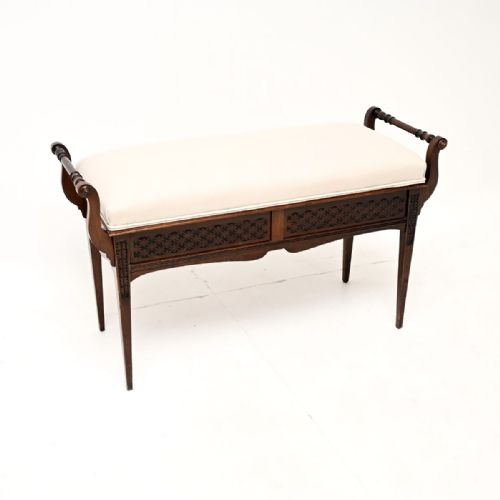
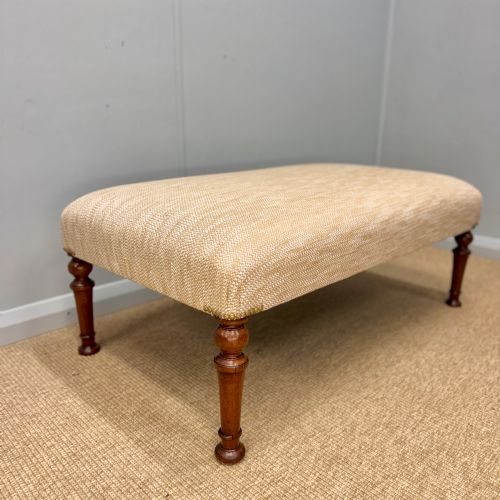
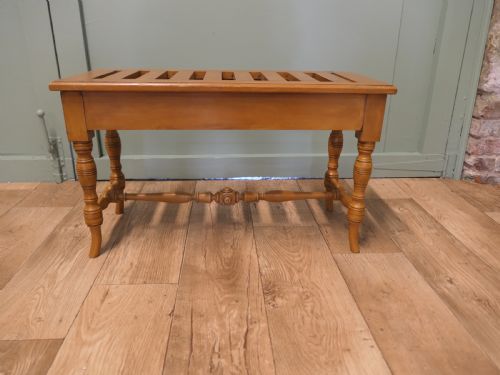
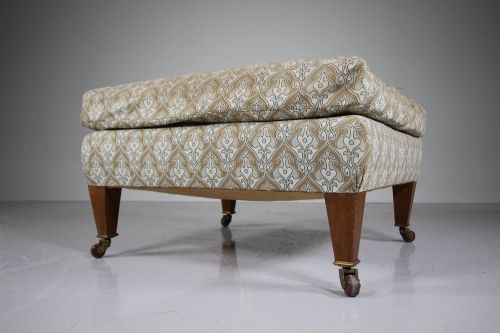
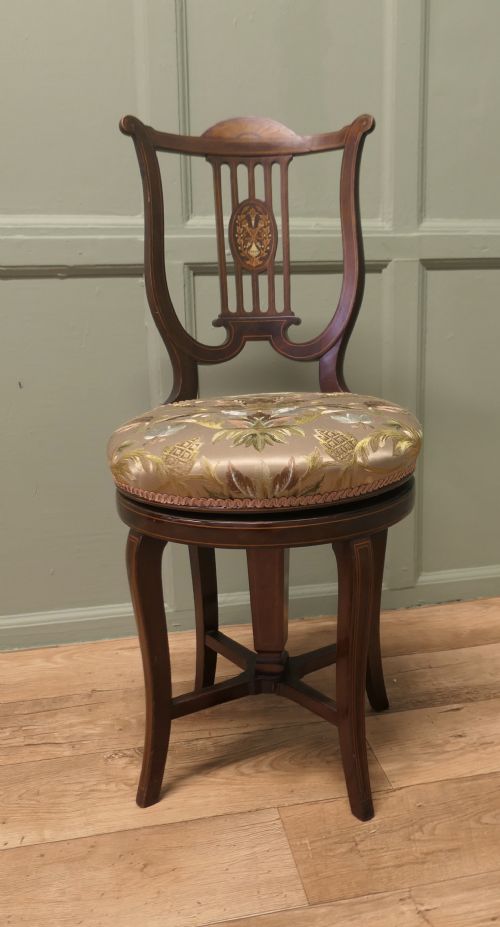
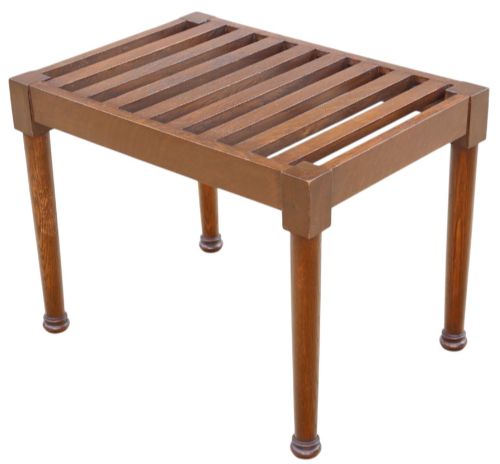
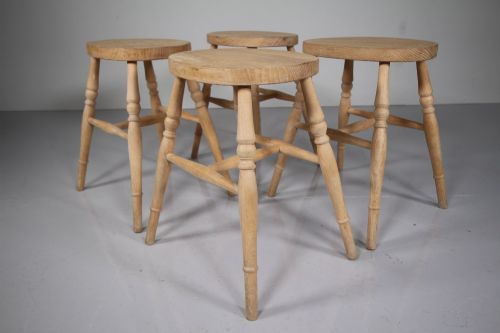
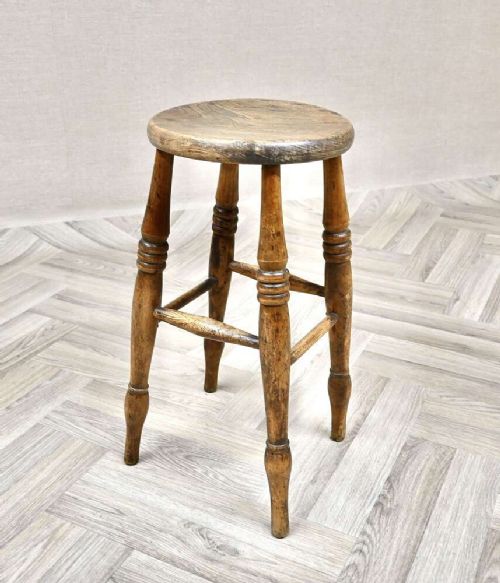
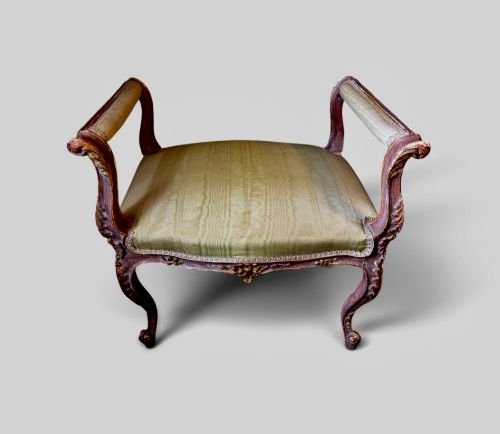
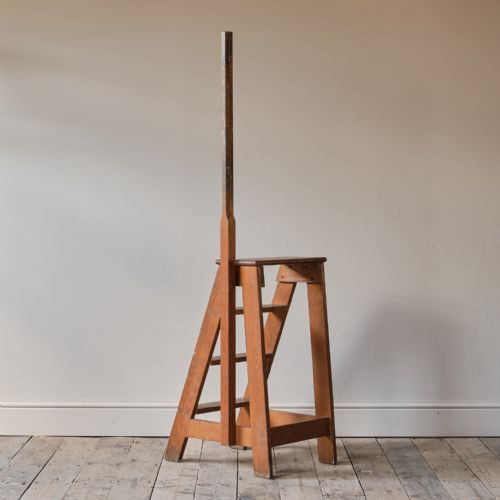
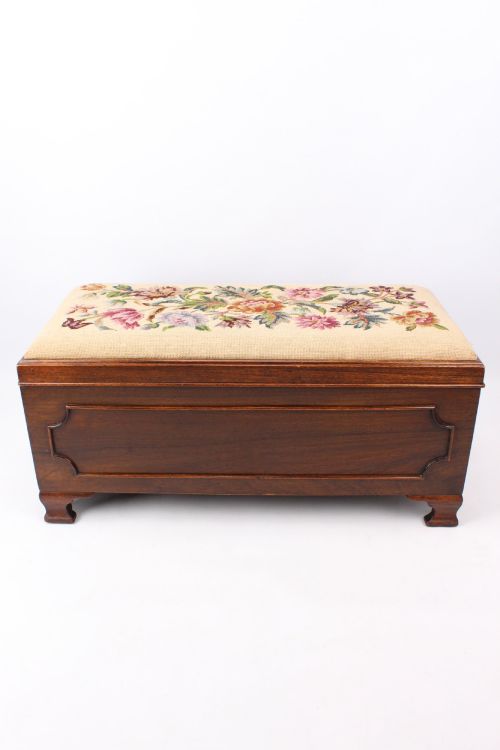
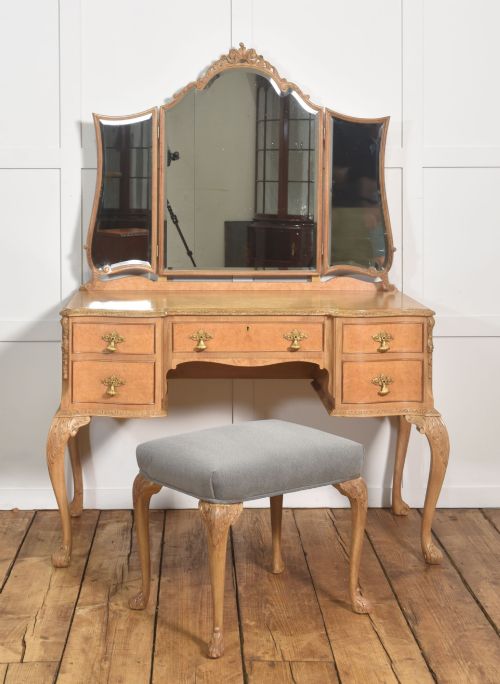
When you search for an edwardian stool, you encounter a variety of forms designed for specific domestic rooms, including piano stools, footstools, dressing table seats, and luggage racks. The majority of pieces appearing under this heading bridge the late nineteenth century and the early decades of the twentieth century, reflecting the domestic habits of the period.
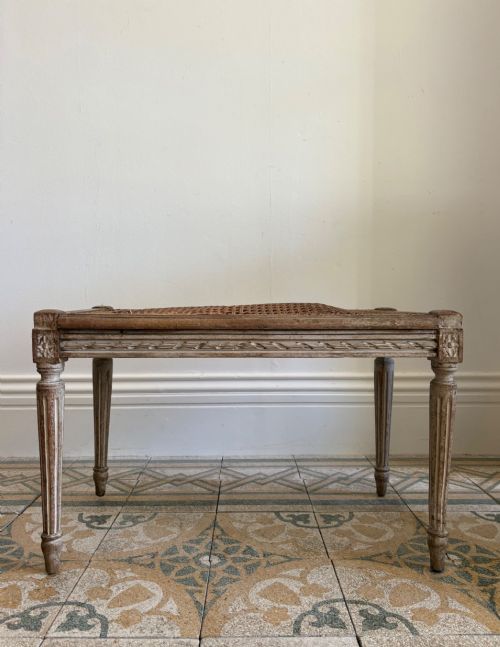
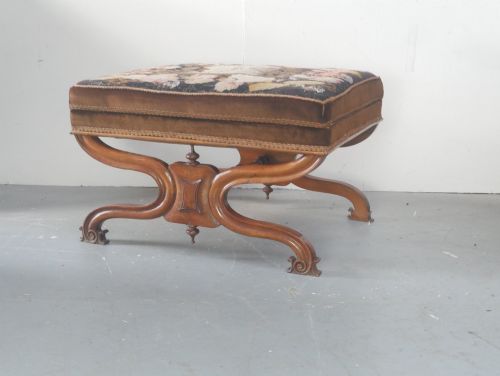
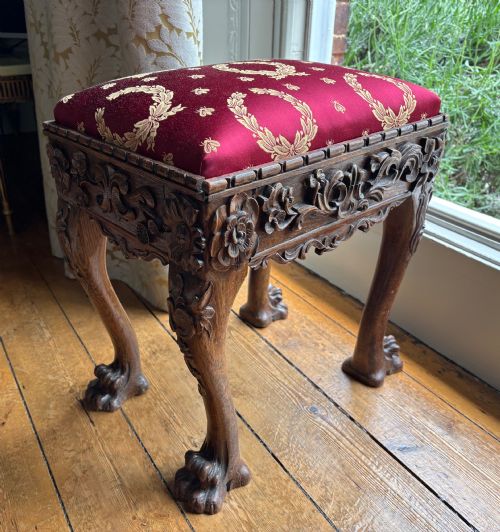
Makers of the era drew heavily on earlier historical vocabularies, producing pieces styled after Sheraton, Queen Anne, and Louis XVI revivals alongside utilitarian library steps and clerk seats. This range means a buyer finds simple turned-leg beech examples alongside heavily carved walnut and mahogany pieces upholstered in tapestry, leather, or chenille.
Materials and Construction
Cabinetmakers utilised hardwoods such as mahogany, walnut, oak, and satinwood for the frames, often employing turned legs, cabriole supports, or cross stretchers for stability. Beech and pitch pine served frequently for utility pieces like luggage racks and simpler domestic stools, sometimes finished with ebonising or paint.
Upholstery formed an integral part of the craft, utilising traditional webbing and stuffing finished in needlework, tapestry, or modern replacement fabrics. Brass fittings appeared on adjustable piano seats and revolving mechanisms, while cane seating provided a lighter alternative for bedroom furniture.
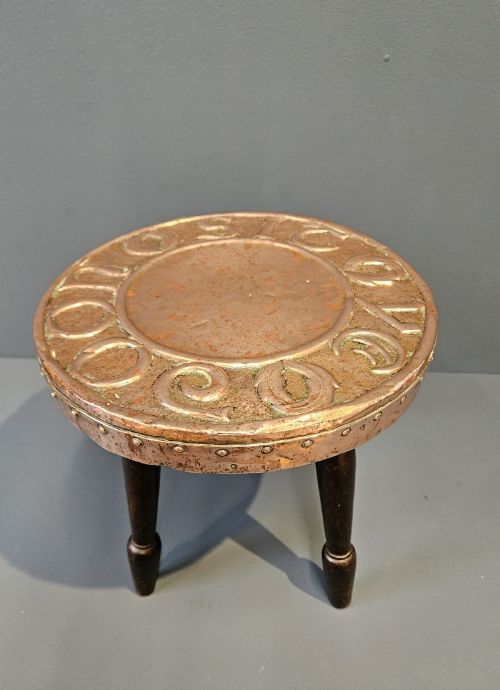
One exceptional Glasgow School piece carries the direct invitation 'Sit ye on', ensuring nobody mistakes its intended purpose.
Distinctions in Quality
The distinction between ordinary utility seating and fine cabinet work lies in the timber selection and the crispness of the carving. Pieces attributed to notable workshops display precise joinery, thoughtful secondary timbers, and well-executed stylistic details such as carved cabriole legs or inlay.
Upholstery standard and hardware functionality also define the upper tier of surviving examples. Smoothly operating rise-and-fall mechanisms on music chairs and robustly framed piano stools indicate superior original manufacture compared to standard domestic variants.
Arthur Simpson Of Kendal·Jas Shoolbred·Howard And Sons
The Edwardian Stool Glossary
- Cabriole leg
- A furniture leg that curves out and then in, resembling the leg of an animal. This form appears frequently on finer dressing table stools and revival pieces.
- Rise and fall
- A mechanical action allowing a seat height to be adjusted by turning. It is commonly found on piano and harpist stools from the period.
- Sheraton Revival
- A late nineteenth and early twentieth century style emulating the neoclassical designs of Thomas Sheraton. Pieces often feature satinwood, delicate inlay, and tapered legs.
- Luggage rack
- A folding or fixed stand designed for suitcases, usually fitted with wooden slats or webbing straps. They were standard furnishings in Edwardian guest bedrooms.
- Cross stretcher
- Horizontal wooden braces connecting the legs of a stool near the floor to provide additional structural rigidity. They are typical of seventeenth-century revival forms.
Edwardian Stool: Frequently Asked Questions
How do I identify an Edwardian stool?
Edwardian stools generally display lighter proportions and brighter timbers than their heavy Victorian predecessors, often combining Edwardian revival styles with traditional joinery.
Examination of the underside and interior frame timbers reveals tool marks and construction methods consistent with the early twentieth century.
Were piano stools adjustable?
Many Edwardian and late Victorian piano stools feature mechanical rise-and-fall systems operated by revolving the seat top. This allowed musicians to adjust their height easily while seated at the keyboard.
Fixed-height duet stools and upholstered benches were also common for two players.
Can I use a luggage rack as a coffee table?
Sturdy oak and mahogany luggage racks from the period provide a convenient height and stable surface for alternative modern uses. Many buyers adapt them as low side tables or occasional stands in living spaces.
Their slatted tops and folding frames suit compact rooms.
What woods were used for dressing table stools?
Makers most frequently selected mahogany, walnut, and satinwood for dressing table seats to match matching bedroom suites of the era. Softer woods like beech and pine served utilitarian forms and were often painted or ebonised.
Revival pieces frequently mirrored the prevailing wood choices of earlier centuries.