







Edwardian Sterling Silver Lighter
These edwardian sterling silver lighter pieces are functional smoking accessories fashioned in precious metal, offering both period charm and tangible tabletop utility.
Edwardian Sterling Silver Lighter
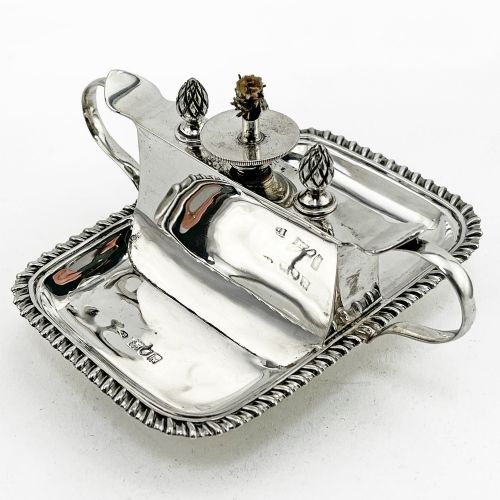
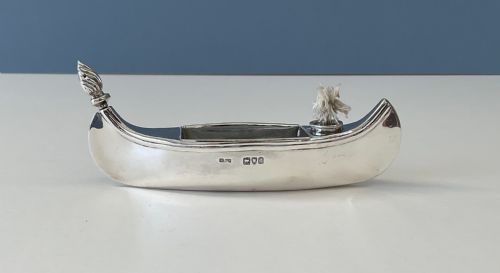
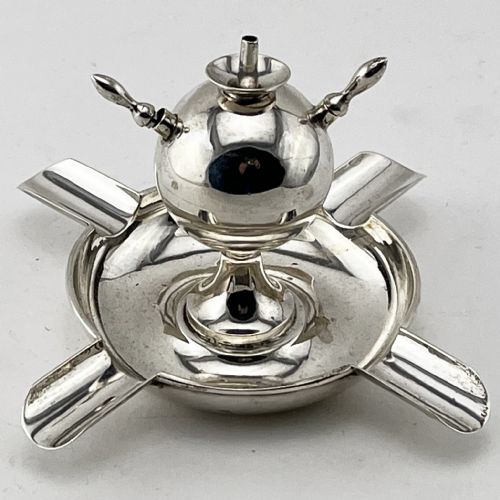
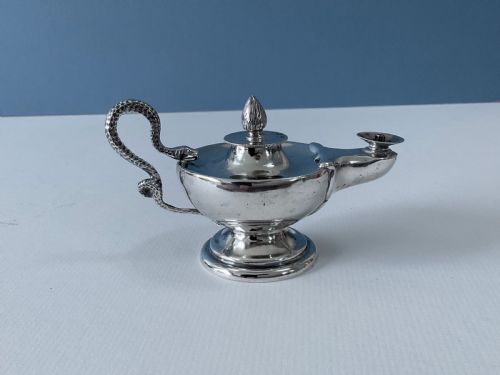
When you search for an edwardian sterling silver lighter, you encounter smoking accessories spanning table lighters, novelty forms, and pocket companions. These pieces range from substantial table cigar lighters to smaller novelty designs styled as oil lamps, canoes, and frogs.
How They Were Made
Makers utilised sterling silver and silver plate, often shaping the metal through casting and hand-finishing to achieve sculptural novelty forms like oil lamps and animals. Details such as enamel work and mounted horn added textural contrast to the precious metal bodies.
Internal components relied on simple mechanisms, incorporating fabric wicks, cotton, and striker plates to produce a flame. The construction prioritised both decorative display on a table and durable daily service.
Edwardian Sterling Silver Lighter Retail Price Guide 2026
Typical asking prices for edwardian sterling silver lighter among the pieces listed under this phrase on Sellingantiques today, from the lower quarter to the upper quarter. They describe what is for sale here now, not the wider market.
Listings incorporate sterling silver, silver plate, enamel, and horn across Edwardian, Victorian, and George V periods.
What Varies in Quality
Quality rests upon the crispness of the casting and the ingenuity of the novelty form, distinguishing standard table pieces from elaborate sculptural creations like frogs or classical oil lamps. Maker attribution and well-preserved hallmarks further elevate the standing of a piece.
The presence of supplementary materials, such as detailed enamel decoration or horn elements, alters the visual weight and complexity of the object. Heavier silver weight and superior engraving define the upper tier of these smoking accessories.
Goldsmith & Silversmith·Joseph Braham·Comyns
The Edwardian Sterling Silver Lighter Glossary
- Sterling Silver
- An alloy comprising ninety-two point five percent silver and seven point five percent other metals, typically copper. This standard composition guarantees durability for functional table objects.
- Vesta Case
- A small pocket container designed to hold matches and keep them dry. Many include an integrated striking surface on the base.
- Table Lighter
- A larger lighter intended to remain stationary on a desk or smoking table rather than be carried in a pocket. These often take sculptural or novelty shapes.
- Hallmark
- An official stamp applied to precious metals indicating the standard of purity, the assay office, and the year of manufacture. It provides verifiable historic context.
Edwardian Sterling Silver Lighter: Frequently Asked Questions
How were these table lighters used?
They served as communal flame sources in smoking rooms, libraries, and dining tables, allowing guests to light cigars or cigarettes easily.
Users struck a match or utilised the internal wick mechanism depending on the specific design of the table lighter.
How do I identify an Edwardian piece?
You look primarily at the hallmarks stamped into the silver, which record the assay office and date letter corresponding to the Edwardian reign. Stylistic cues such as neoclassical revival motifs also point to the period.
Comparing the form and manufacturing style with documented maker records helps confirm the era of production.
What is the difference between a vesta and a lighter?
A vesta is a pocket container specifically made to store matches and provide a striking surface, whereas a lighter contains a permanent fuel reservoir and wick system.
While both belong to smoking accessories, their mechanical function and intended placement differ entirely.
How should I care for silver table lighters?
You maintain the metal by gentle cleaning with a specialised silver cloth to preserve the polished surface without wearing away fine details or hallmarks.
Keeping them dry and displaying them away from direct moisture protects any internal fabric wicks and cotton components.