


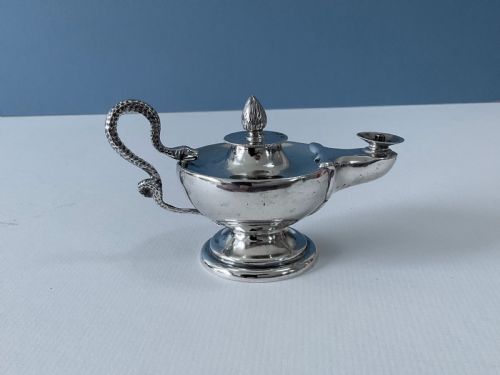


Vintage Silver Cigar Lighter
These vintage silver cigar lighters are substantive table pieces designed to sit proudly in a smoking room, bringing both function and decorative weight to a surface.
Vintage Silver Cigar Lighter
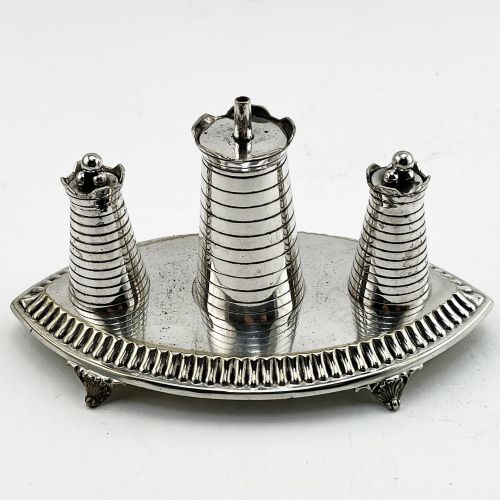
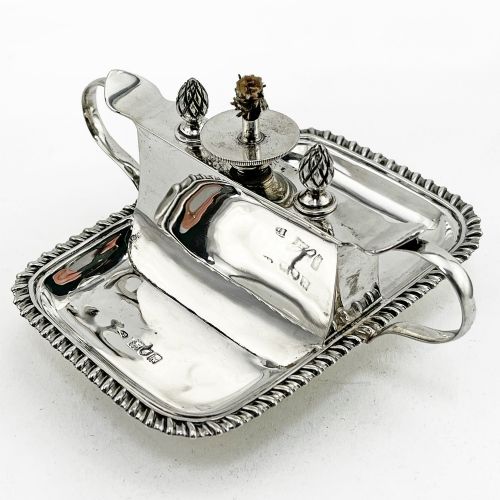
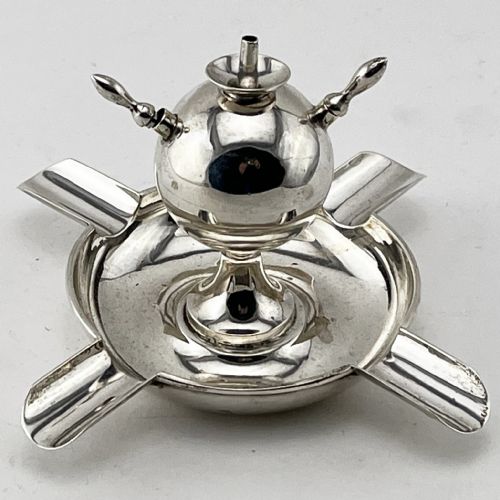
A vintage silver cigar lighter is a substantial table accessory designed for lighting cigars in a nineteenth or early twentieth century interior. These pieces frequently take the form of table lighters, smoking compendiums, or cigar boxes.
Buyers browsing this selection will most often encounter table lighters shaped as classical oil lamps or novelty pieces, dating from the Victorian and Edwardian eras through to the 1930s. Such items reflect the social rituals of smoking when tobacco was enjoyed in dedicated rooms or studies.
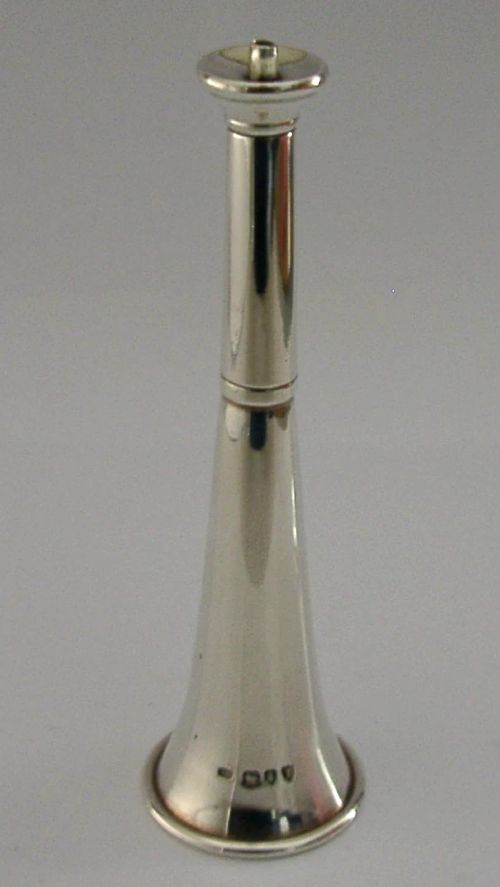
The objects span simpler functional vessels to elaborate novelty forms like hunting horns, castles, and fire carriages. They function as both historical smoking gear and decorative desk ornaments.
How they were made
Makers utilised sterling silver and silver plate over a metal core, sometimes combining cut glass and wood elements to create heavier smoking compendiums and cigar boxes. These materials gave the lighters the necessary weight and durability for daily use on a heavy mahogany table.
Construction techniques involved silversmithing, casting, and mounting, particularly evident in elaborate novelty pieces formed as animal horns or architectural models. Internal reservoirs held cotton wicks that drew fuel to sustain a steady flame for lighting large cigars.
Materials recorded across the inventory include sterling silver, silver plate, cut glass, wood, and cotton.
What varies in quality
Quality in these table lighters rests upon the crispness of the casting and the weight of the metal utilised in the body and base. Pieces produced by recognised makers display superior chasing and detailed engraving compared to standard commercial examples.
Novelty forms vary significantly in execution, with superior pieces showing anatomical accuracy or architectural precision rather than generalised shaping. The integrity of the hallmarks and the preservation of original mounts also dictate the standing of an individual piece.
Braham·Goldsmith & Silversmith·Comyns·Mappin & Webb·Elkington
The Vintage Silver Cigar Lighter Glossary
- Sterling silver
- A standard of silver alloy consisting of 92.5 percent pure silver by mass and 7.5 percent other metals, usually copper. This alloy provides the durability required for functional table objects.
- Silver plate
- A layer of silver applied to a base metal core such as nickel silver or another alloy. It offers the appearance of solid silver at a different tier of production.
- Smoking compendium
- A desk or table set that groups multiple smoking accessories together in one unified container or stand. These often incorporate cigar boxes, lighters, and match holders.
- Hallmark
- An official stamp applied by an assay office to indicate the purity of the metal content, the maker, and the year of manufacture. These marks allow collectors to trace the origin of silver items.
Vintage Silver Cigar Lighter: Frequently Asked Questions
How were table lighters used?
These lighters sat permanently on a smoking table or desk, providing a reliable flame for guests and hosts to light cigars and cigarettes indoors. A cotton wick extended from the vessel to maintain the flame.
They were tended regularly with fuel to ensure they remained ready for use during social gatherings or quiet evenings in the study.
What materials are common?
Sterling silver and silver plate dominate these pieces, frequently supported by internal metal cores and cotton wicks. Some larger compendiums incorporate cut glass and wood.
Base metals like nickel silver appear alongside solid silver, while structural elements lean on traditional silversmithing metals for stability.
Are novelty designs common?
Novelty designs form a significant portion of the selection, ranging from classical oil lamps to hunting horns and miniature castles. Makers enjoyed playing with form to spark conversation.
These whimsical shapes allowed Victorian and Edwardian craftsmen to demonstrate their casting and chasing skills beyond standard utilitarian objects.
How do I identify periods?
Victorian and Edwardian pieces carry distinct stylistic markers, often supported by legible hallmarking on the silver body. Classical Revival motifs point towards specific nineteenth-century design revivals.
Examining the manufacturing techniques and the weight of the silver helps separate earlier Victorian items from later 1930s productions.
How do I care for silver?
Silver table pieces require gentle cleaning with appropriate cloths to remove tarnish without harming delicate chasing or engraved details. Avoid abrasive cleaners that strip the upper layer of the metal.
Storing them away from excessive moisture preserves both the silver exterior and any internal wood or glass components.