
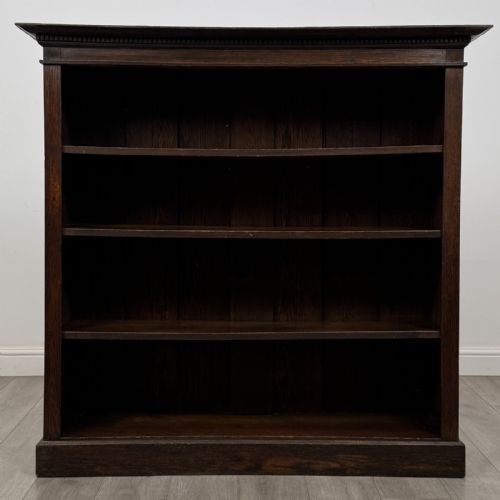
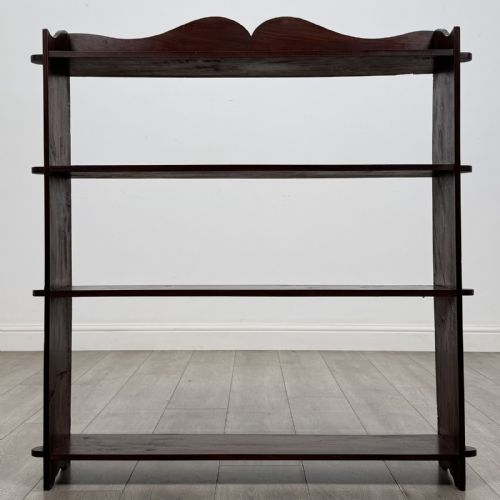
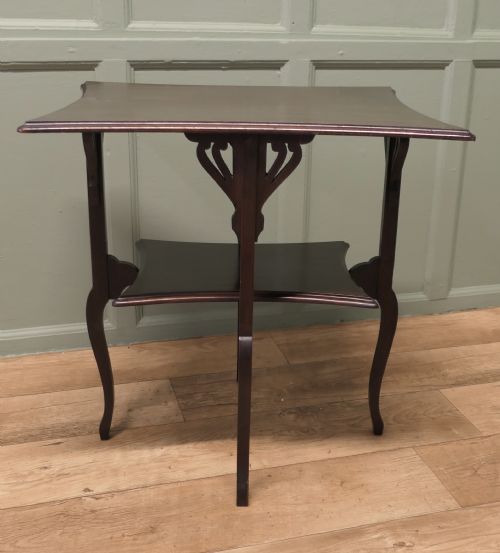
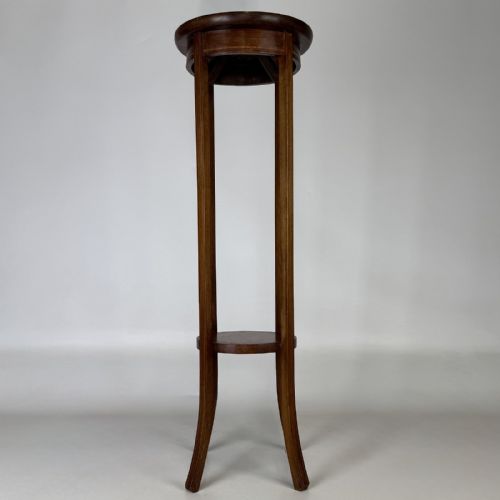
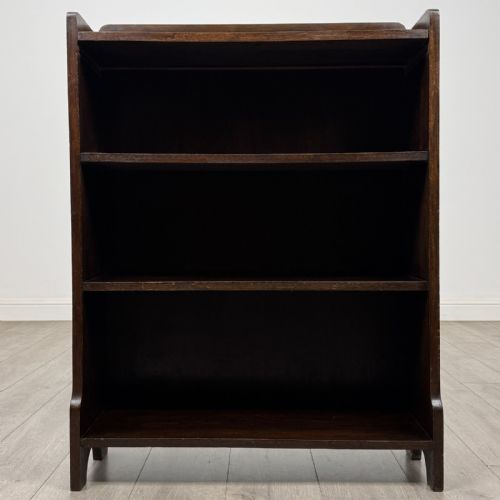
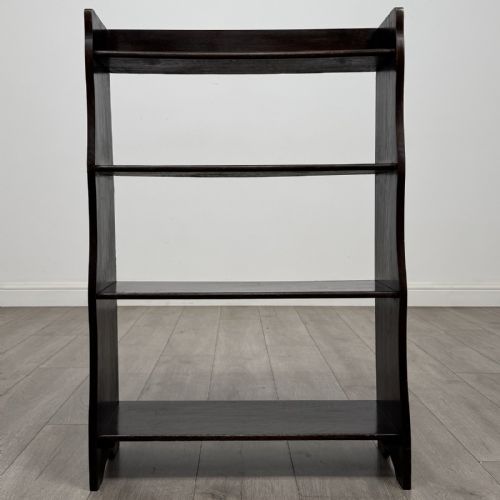
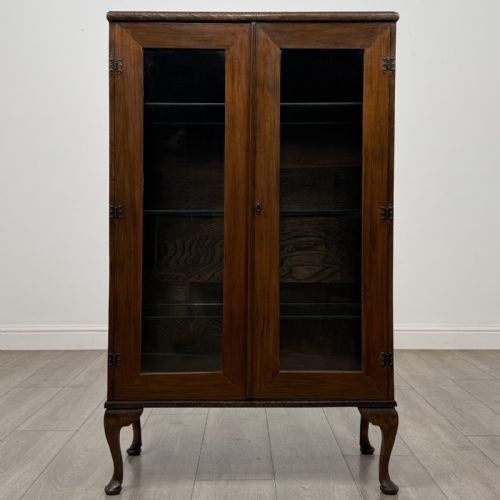
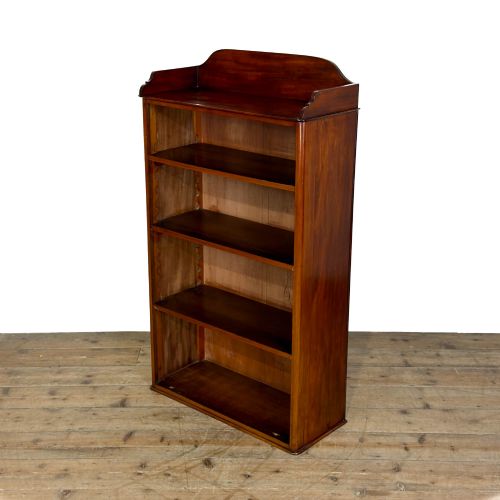
Edwardian Standing Shelves
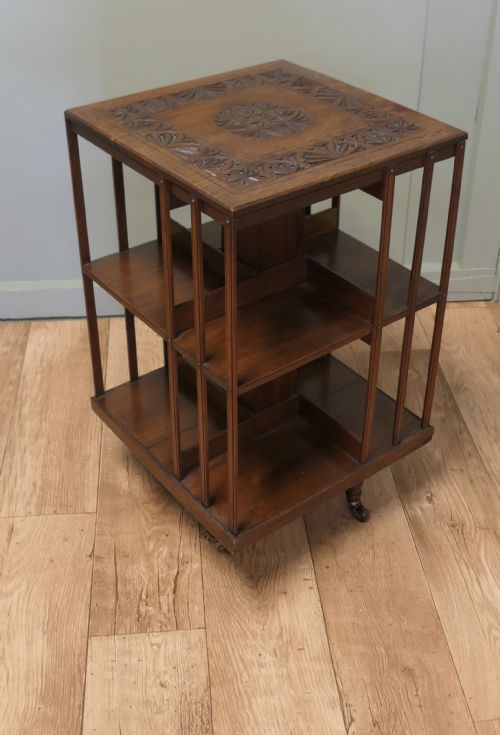
Edwardian standing shelves are practical display furniture crafted to hold books and objects, combining utility with refined period timberwork.
Edwardian Standing Shelves
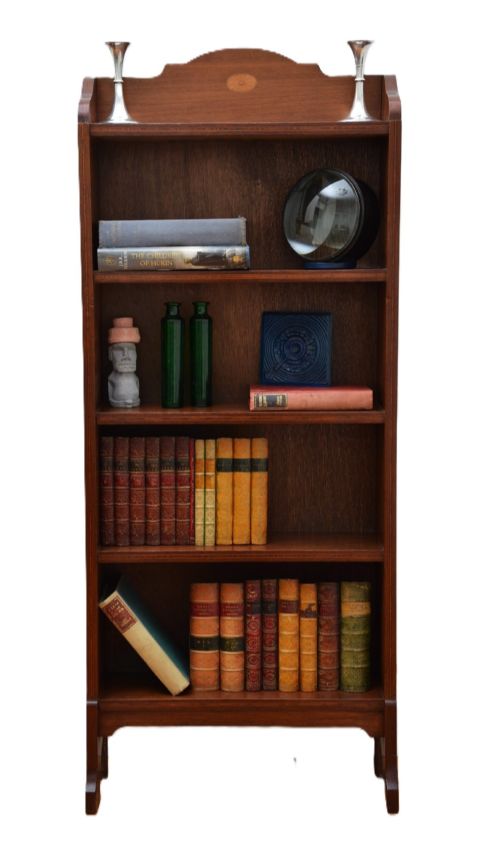
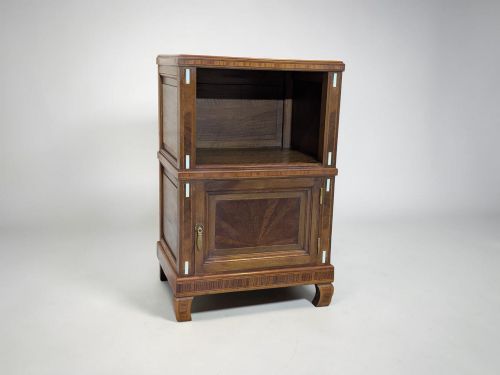
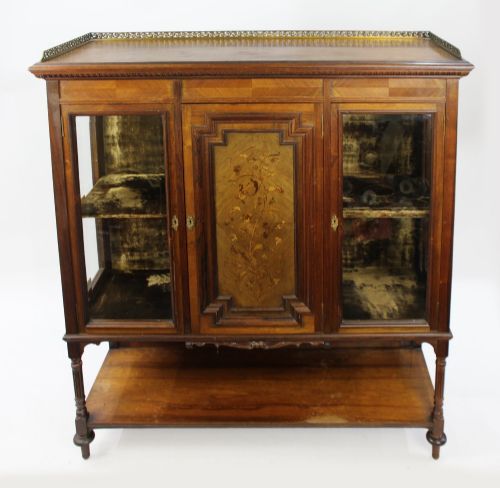
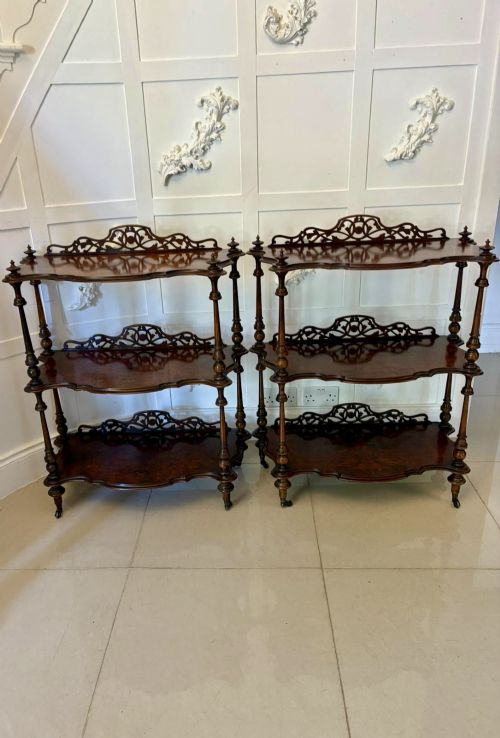
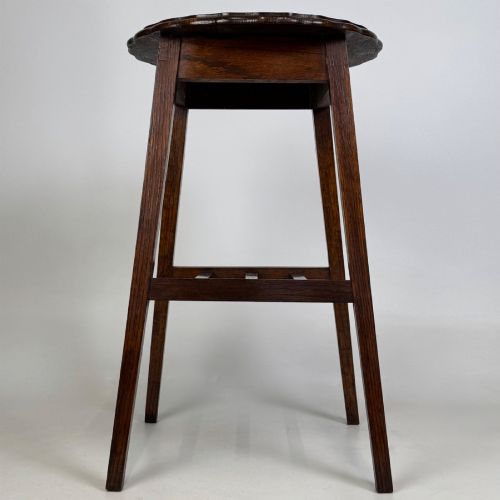
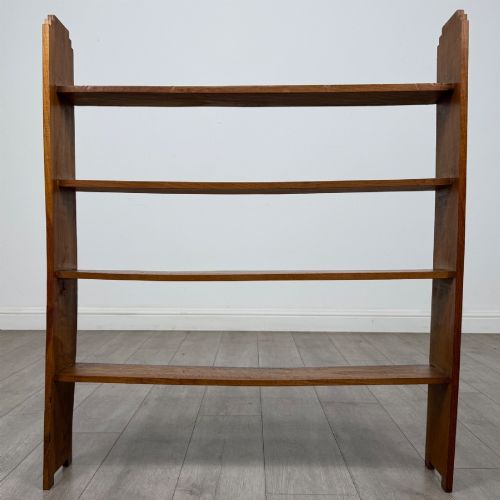
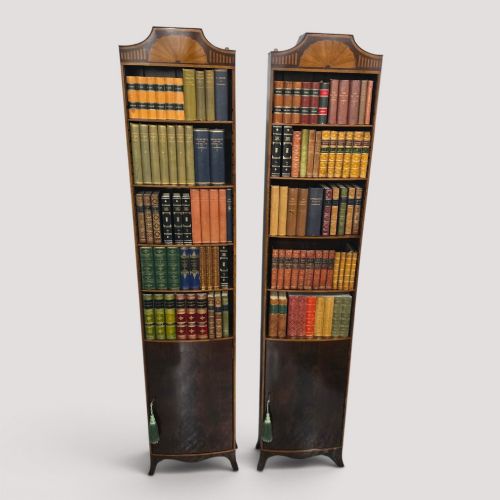
When you search for edwardian standing shelves, you find open bookcases, narrow bookshelves, and etageres designed for domestic use. The pieces appearing here span the Edwardian period alongside late Victorian and early twentieth-century examples, maintaining a focus on vertical storage.
Most items take the form of open bookcases or tiered display shelves rather than enclosed cabinets. They utilise compact footprints suited for rooms where floor space is limited, providing accessible tiers for books and ornaments.
Materials and Construction
Carpenters built these shelves primarily in oak and mahogany, often incorporating decorative elements such as satinwood inlay, boxwood stringing, and brass castors. Secondary materials include rosewood, bamboo, and ebonised wood found on specific etageres and display pieces.
Construction techniques rely on solid timber frames and open backs, occasionally featuring adjustable shelves or beaded edges. Workshops combined structural stability with refined surface finishes to create durable furniture suitable for daily domestic utility.
Books and ornaments found stable homes on these shelves while brass castors allowed tired Victorians to chase the evening sun.
Craftsmanship and Proportion
Quality in these pieces rests on the choice of timber, the precision of inlaid details, and the overall balance of proportion. Finer examples display carefully selected grain patterns in mahogany or golden oak, paired with crisp stringing or marquetry.
The integration of functional elements, such as smoothly moving adjustable shelf supports or solid brass hardware, separates standard utility items from higher workshops. Structural integrity, clean joinery, and the condition of the polish determine the lasting merit of each piece.
Trevor Page and Co·Liberty and Co
The Edwardian Standing Shelves Glossary
- Etagere
- A tiered piece of furniture with open shelves used for displaying small objects or ornaments. These pieces typically feature multiple levels supported by slender columns.
- Whatnot
- A multi-shelved open cabinet or stand designed for books, ornaments, or collections. The form originated earlier but remained popular through the Victorian and Edwardian eras.
- Inlay
- A decorative technique where contrasting materials are inserted into recessed portions of the base timber. Common examples include satinwood or boxwood set into mahogany.
- Parquetry
- Geometric patterns formed by small pieces of wood fitted together to create a mosaic effect on tabletops or shelf surfaces. This technique highlights the skill of the cabinetmaker.
- Beaded edge
- A narrow, rounded moulding run along the corner or border of a shelf or frame. It adds subtle textural detail to otherwise plain timber edges.
Edwardian Standing Shelves: Frequently Asked Questions
What distinguishes Edwardian shelves from Victorian ones?
Edwardian pieces generally feature lighter proportions and simpler lines than earlier Victorian furniture. Makers often utilised brighter golden oak or refined mahogany with restrained inlay.
Heavier mouldings and darker finishes appear more frequently on late Victorian examples, whereas Edwardian designs favour airier structures suited for smaller urban rooms.
How were standing shelves used in period homes?
Households placed these shelves in libraries, drawing rooms, and hallways to hold everyday reading material and decorative items. Open tiers allowed immediate access to books rather than protecting them behind glass doors.
Tall narrow versions fitted neatly into alcoves, while smaller etageres stood beside seating areas to display ceramics and small ornaments.
Are the shelves usually adjustable?
Many open bookcases from this era feature adjustable shelves supported by wooden ratchets or metal pins. This allowed owners to alter shelf heights for varying book sizes.
Fixed shelves remain common on smaller etageres and specific specialist display units where structural rigidity takes priority over flexibility.
How should I care for antique timber shelves?
Keep wooden shelves away from direct heat sources and strong sunlight to prevent the timber and polish from drying out. Regular dusting with a soft, dry cloth maintains the surface finish.
Applying a traditional beeswax polish occasionally helps nourish the wood without building up a heavy residue that attracts dust.