


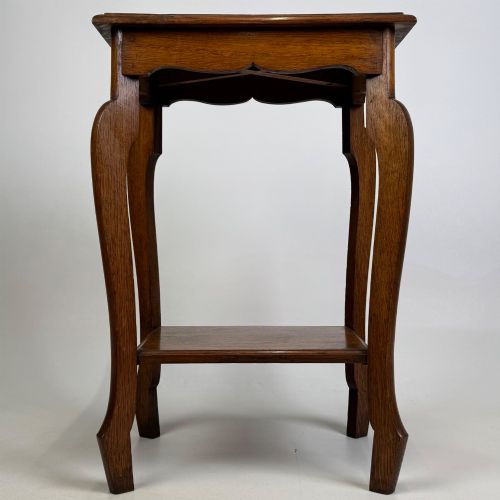
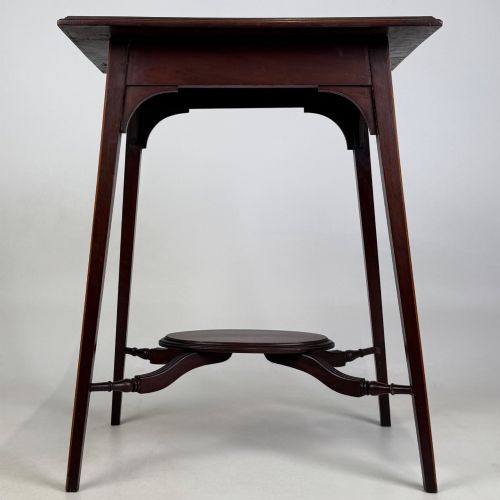
Edwardian Standing Lamp
An edwardian standing lamp brings tall, adjustable brass or carved timber illumination to a room, offering period character alongside practical floor-level lighting.
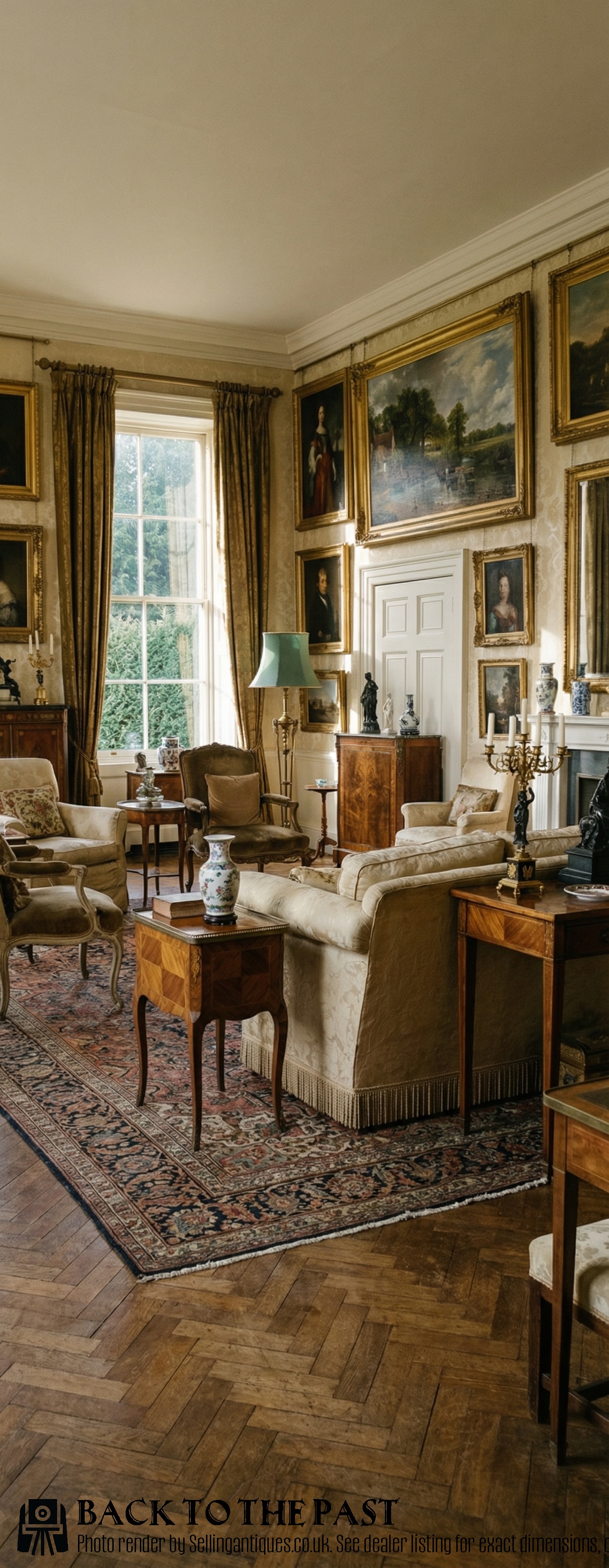
Edwardian Standing Lamp
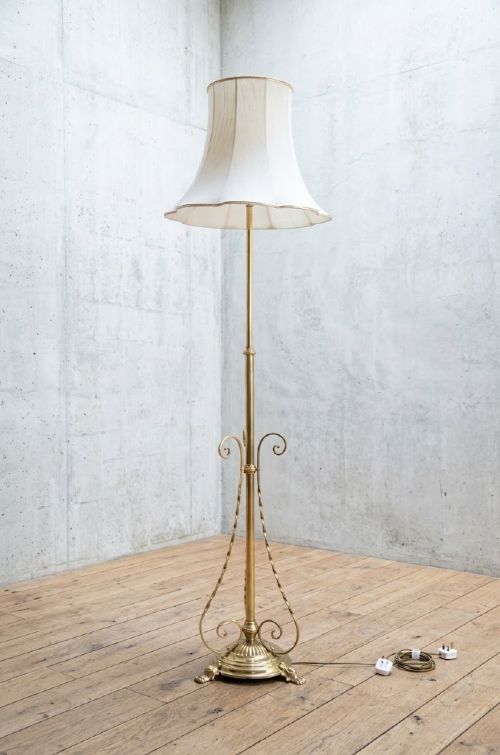
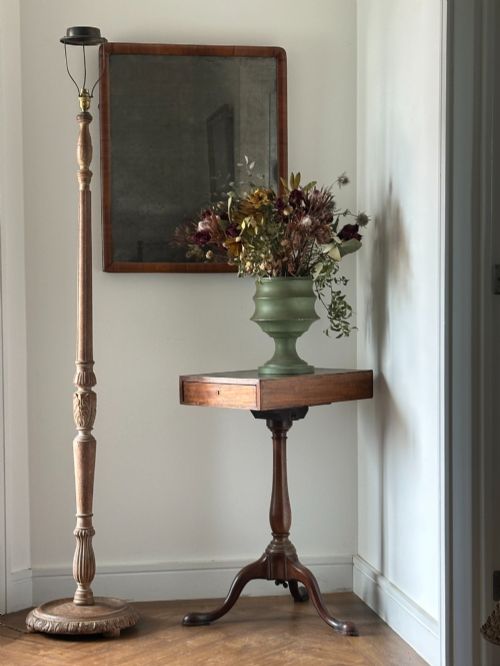
The edwardian standing lamp encompasses tall floor lamps, standard lamps, and associated lamp tables produced during the early twentieth century and late nineteenth century. These pieces combine vertical wooden or brass columns with adjustable reading mechanisms, oil reservoirs, or electric fittings, often pairing illumination directly with small occasional surfaces.
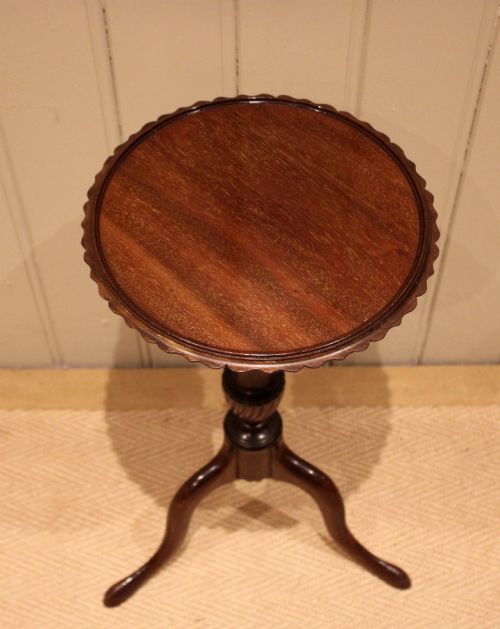
Most examples originate from the Edwardian period itself, alongside related late Victorian and early twentieth-century interpretations in brass, oak, and mahogany. Floor-standing variants frequently utilise heavy weighted bases or tripod supports to maintain stability while extending height.
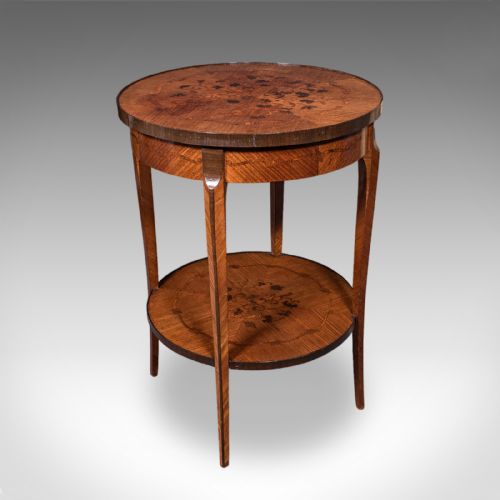
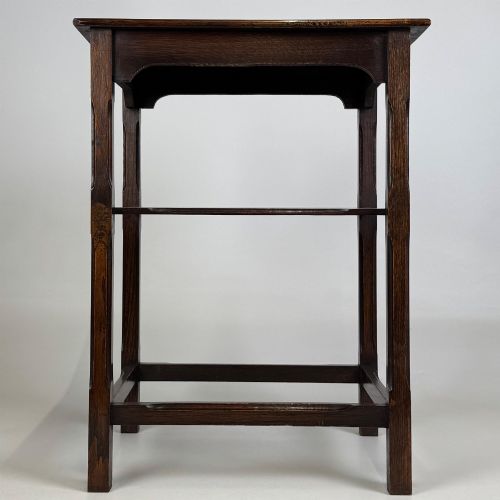
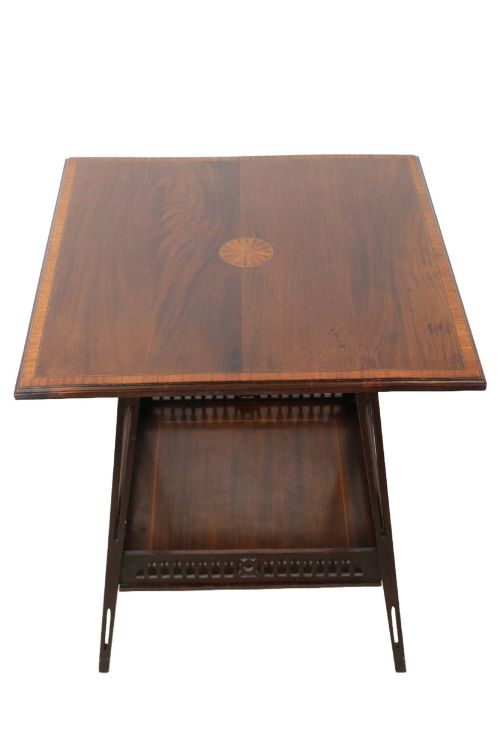
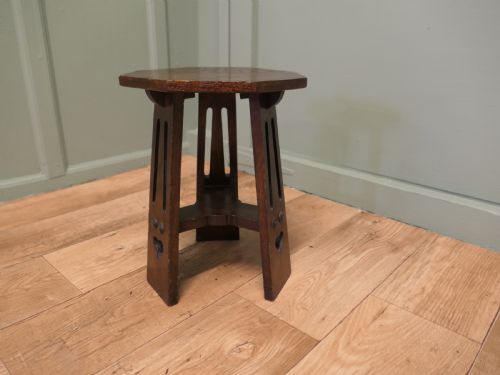
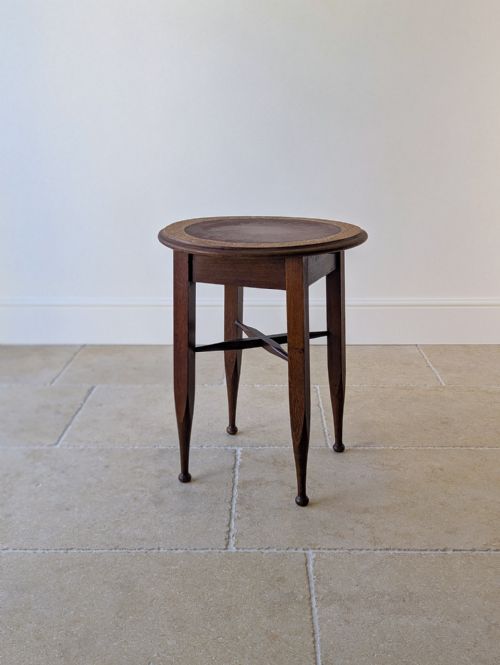
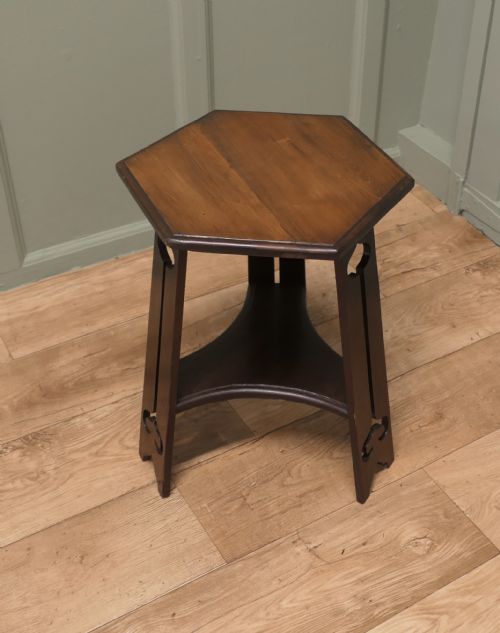
Buyers also encounter hybrid forms such as plant stands, etageres, and side tables that served equivalent domestic functions beside seating areas. These shared domestic roles mean similar turned, carved, and inlaid vocabularies appear across both lighting and small furniture listings.
Materials and Construction
Makers utilised solid and veneered timbers including oak, mahogany, walnut, and rosewood, frequently incorporating wood inlay, carved enrichment, or brass and ormolu mounts. Floor lamps employ heavy cast brass or weighted timber bases to support tall vertical columns, sometimes incorporating height-adjustable mechanisms and swiveling reading arms.
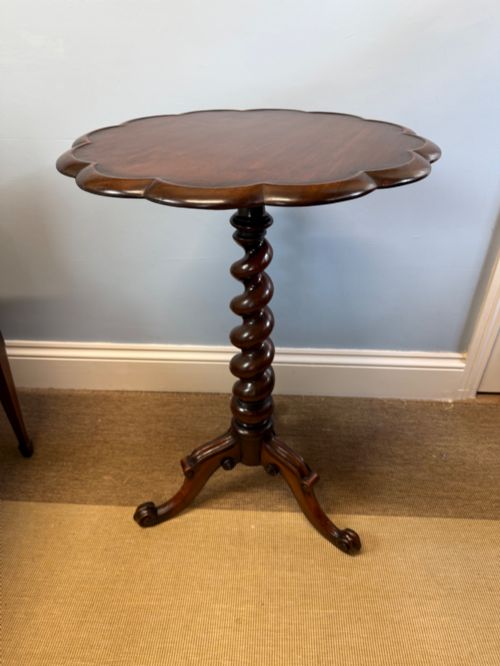
Surface treatments range from polished lacquered finishes and parcel gilding to limed oak and hand-carved barley twist turnings. Fabric elements appear on corresponding shades, while structural joints rely on traditional cabinetmaking techniques suited to slender floor-standing forms.
Swivel reading lamps let Edwardians angle light precisely where needed, proving that awkward reading angles troubled past generations just as much.
Assessing Craftsmanship and Distinction
Quality separates standard production from exceptional work through the crispness of carved detail, the weight and finish of brass or ormolu mounts, and the stability of the tall vertical shaft. Superior examples demonstrate thoughtful integration between the supporting column and the base, avoiding the wobble common in lighter or poorly proportioned uprights.
The choice of primary timber and secondary veneers also dictates distinction, with finely figured mahogany, selected oak, and subtle chequered or wood inlay marking out finer workshops. Mechanism fluidity in adjustable height standards or swiveling reading arms further distinguishes superior utility from basic execution.
Trevor Page & Co·Liberty & Co·William Birch
The Edwardian Standing Lamp Glossary
- Standard Lamp
- A term historically used for a floor standing lamp designed to illuminate a room from a vertical post. These tall fixtures often incorporate weighted bases and adjustable brackets.
- Ormolu
- Gilded bronze mounts applied to furniture and light fittings for decorative contrast. This technique enhances the visual richness of Edwardian mahogany and lacquer pieces.
- Barley Twist
- A spiral turning carved into wooden table legs, plant stands, and lamp columns. The profile adds texture and reflects light across the turned surface.
- Etagere
- A set of open shelves for displaying small decorative objects or books. Edwardian examples occasionally combine display surfaces with lamp placement.
- Chinoiserie
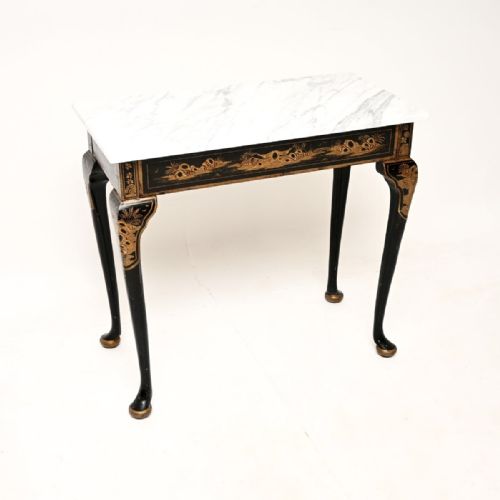
- European decorative style imitating Chinese artistic traditions, often featuring hand-lacquered surfaces and painted motifs. This finish appears on occasional tables and side pieces from the period.
Edwardian Standing Lamp: Frequently Asked Questions
How do I wire an antique floor lamp?
Most antique metal and wooden standards require modern rewiring to meet current safety standards. A qualified electrician can thread modern flex through internal channels without altering the exterior period fabric.
Retaining original switches or brass lamp holders preserves the authentic appearance while ensuring the fixture is safe for daily domestic use.
Where should I place a standard lamp?
These tall fixtures suit corners, beside reading armchairs, or adjacent to low side tables where vertical height balances low seating arrangements. Adjustable reading variants provide directional illumination for specific tasks.
Ensure heavy bases sit on level flooring to prevent tipping, particularly when utilising height-adjustable arms or heavy brass columns.
How do I distinguish Edwardian from Victorian lamps?
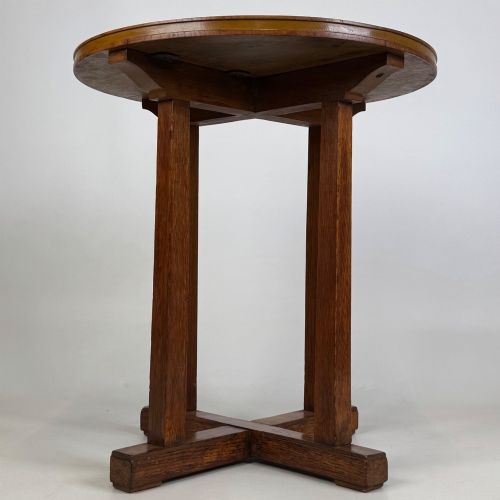
Edwardian lighting typically favors lighter proportions, simpler lines, and softer wood tones compared to heavier, darker Victorian counterparts. Arts and Crafts influences often introduce frank oak construction and honest joinery.
Victorian standards frequently rely on heavy Corinthian brass columns or ornate oil lamp reservoirs, whereas Edwardian pieces commonly transition toward early electrical fittings.
What is an occasional table lamp combination?
Many Edwardian designs combined a central standing column with small fixed tables or tray tops for convenience. These multi-functional pieces saved space beside drawing room seating.
Examples range from mahogany wine tables to oak plant stands adapted to support portable lighting or display items.