




Edwardian Sports Memorabilia
Edwardian sports memorabilia brings together tangible pieces of early twentieth-century pastimes, offering a direct link to the games and athletic pursuits of the era.
Edwardian Sports Memorabilia
When you search for edwardian sports memorabilia, you encounter a diverse selection of items connected to athletics, pastimes, and competitive games from the late nineteenth and early twentieth centuries. The pieces on this page span several decades, crossing from Victorian and Edwardian origins into the 1920s and 1930s.
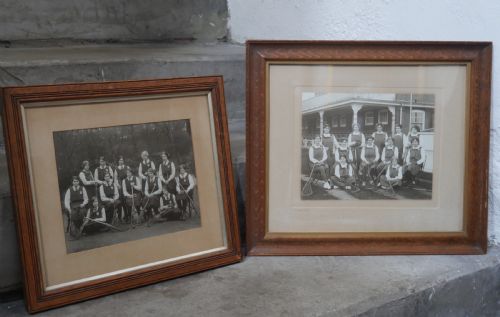
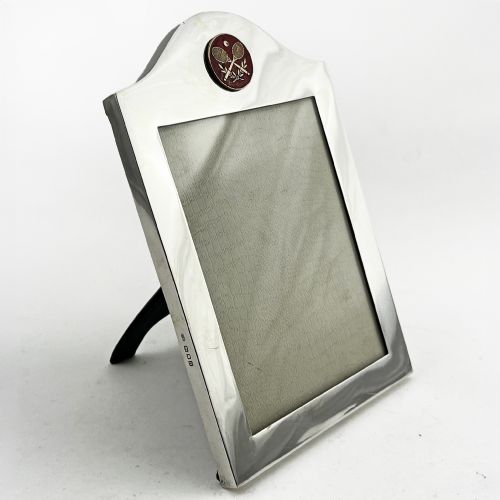
The variety of forms includes equipment, medals, framed photography, oil paintings, and functional novelty items related to traditional pursuits. You will find everything from wooden lawn bowls and leather medicine balls to silver curling medals and walking sticks shaped like golf clubs.
Many objects reflect specific sporting disciplines such as golf, cricket, tennis, racing pigeons, and football. These pieces range from personal accessories like silver pocket watch chains and fobs to larger items including exercise clubs and life-size carved wood figures.
How they were made
The construction of these items relies heavily on traditional materials such as wood, oak, beech, and leather, often paired with metals like sterling silver, steel, cast iron, and brass. Makers utilised durable substances suited to active use, alongside finer metals for commemorative presentation pieces.
Surface decoration and finishing techniques vary according to the object type, incorporating pressed brass, enamel details, and detailed hand-carved woodwork. Photographic prints and oil paintings capture sporting teams and subjects with period pigments and framing methods.
Edwardian Sports Memorabilia Retail Price Guide 2026
Typical asking prices for edwardian sports memorabilia among the pieces listed under this phrase on Sellingantiques today, from the lower quarter to the upper quarter. They describe what is for sale here now, not the wider market.
Pressed brass cycling brooches come equipped with working miniature wheels that actually spin.
What varies in quality
Quality in these pieces is dictated by the fineness of the materials and the skill evident in the manufacturing or artistic execution. Hand-carved wooden items and hallmarked sterling silver pieces show a higher standard of craftsmanship than mass-produced utilitarian goods.
The preservation of working mechanical elements or original finishes distinguishes superior examples from heavily worn items. Engraved inscriptions, named subjects, and known makers provide an additional layer of distinction that elevates specific objects.
The Edwardian Sports Memorabilia Glossary
- Sterling Silver
- A silver alloy containing 92.5 percent pure silver and 7.5 percent other metals, commonly used for medals and picture frames. Hallmarks on these items indicate the assay office and year of testing.
- Hickory
- A dense, resilient wood traditionally utilised for the shafts of early golf clubs due to its flexibility and strength. It requires careful maintenance to prevent drying and splitting.
- Fob
- A short strap, ribbon, or chain attached to a pocket watch, often featuring an attached medallion or charm. In sporting contexts, these frequently commemorated specific club victories or matches.
- Companion Set
- A matching group of fireplace tools, though sporting variants utilise the term for grouped cast iron figures or functional hearth accessories styled around athletic themes.
- Medicine Ball
- A heavy, leather-covered ball filled with dense material, utilised for physical training and conditioning exercises during the early twentieth century.
Edwardian Sports Memorabilia: Frequently Asked Questions
What sports are represented in these collections?
The items cover a wide range of athletic pursuits, including golf, cricket, tennis, football, lacrosse, and lawn bowls. You will also find pieces dedicated to racing pigeons, cycling, and general fitness training.
Each discipline brings its own distinct form of equipment and memorabilia, reflecting how people played and commemorated their favourite games over a century ago.
How do I identify an Edwardian piece?
Edwardian items date from the reign of King Edward VII between 1901 and 1910, though the broader material culture of the era often stretches from the late Victorian period into the 1920s. Look for stylistic cues, specific manufacturing techniques, and occasional hallmarked dates on silver components.
Comparing the materials and forms against documented examples helps clarify the exact manufacturing period of each individual object.
How were leather sports items maintained?
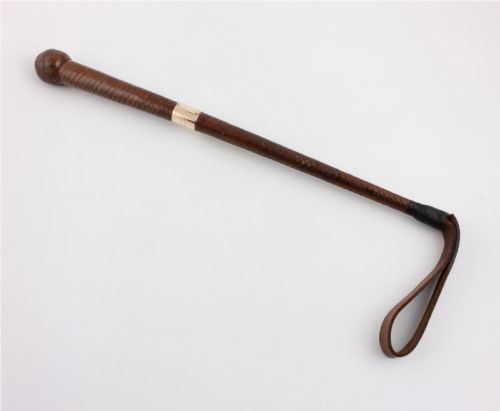
Leather items such as medicine balls and riding crops require regular conditioning to keep the hide supple and prevent cracking over time. Traditional treatments help preserve the original surface texture without damaging the historical integrity of the piece.
Keeping these objects away from direct sunlight and excessive moisture ensures the leather remains stable in a modern home.
Can these items still be used today?
While some wooden items and solid metal pieces retain their physical robustness, most buyers treat historical sports memorabilia as decorative or display objects. Using antique leather balls or vintage golf clubs for active sport risks damaging fragile materials that have aged over decades.
Displaying them in controlled indoor environments allows you to appreciate their craftsmanship safely.