




Edwardian Sporting Silver
Edwardian sporting silver captures the competitive spirit of the era through sterling silver fobs, menu holders, and presentation pieces.
Edwardian Sporting Silver
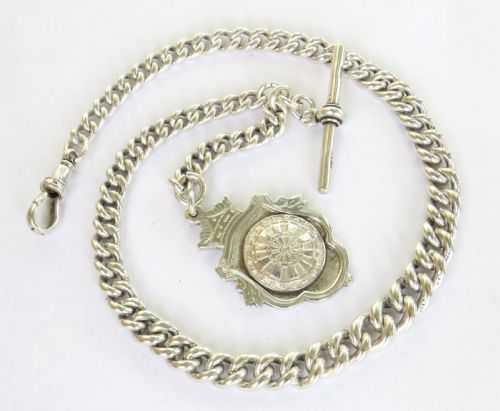
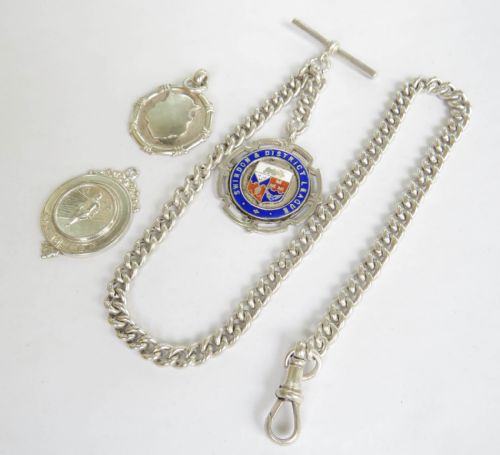
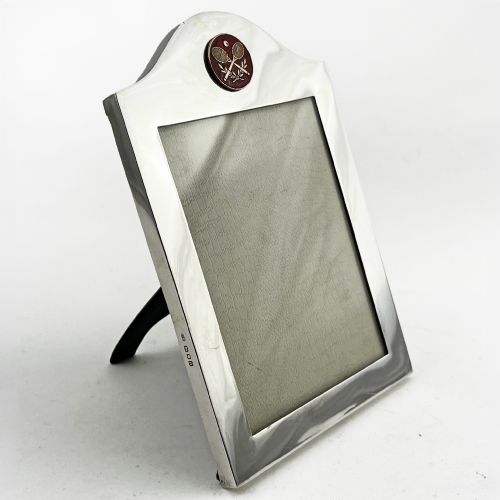
Edwardian sporting silver comprises commemorative objects and personal accessories linked to pastimes like golf, darts, and fishing, emerging primarily from the early twentieth century alongside Victorian precursors. These pieces include pocket watch chains with sport-specific fobs, photographic frames, table lamps, and novelty items that celebrated athletic pursuits and country sports.
The objects frequently honour specific events and clubs, documenting matches, curling competitions, and hunting achievements with engraved dates or presentation inscriptions. While many items date firmly from the Edwardian decade, the category also encompasses late nineteenth-century Victorian examples and pieces extending into the 1920s.
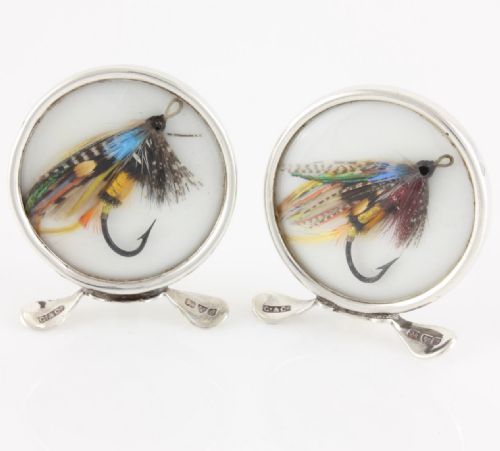
Buyers encounter a diverse range of forms, from functional menu card holders and pheasant peppers to taxidermy table lamps and walking sticks shaped like golf clubs. These artefacts served as both utilitarian household accessories and prized personal tokens of athletic victory.
Materials and construction methods
The construction relies heavily on sterling silver and silver plate, often enhanced with polychrome enamel work to depict targets, club insignia, or game birds in vivid detail. Artisans also integrated organic elements such as feathers, deer hooves, and otter feet, mounting taxidermy specimens directly onto silver hardware or wooden bases.
Silversmiths utilised traditional techniques of casting, repoussé, and detailed hand engraving to render the textures of golf clubs, darts boards, and animal pelts with remarkable fidelity. Rose gold details frequently appear as contrasting highlights on watch chains and fobs, adding tonal depth to the precious metal components.
Edwardian Sporting Silver Retail Price Guide 2026
Typical asking prices for edwardian sporting silver among the pieces listed under this phrase on Sellingantiques today, from the lower quarter to the upper quarter. They describe what is for sale here now, not the wider market.
Listings feature periods spanning the Victorian era through the 1920s, incorporating materials such as enamel, glass, wood, and feathers alongside sterling silver.
Factors determining quality
Maker attribution and provenance elevate the standing of a piece, particularly when bearing the marks of established silversmiths or retailers. The survival of original elements, including undisturbed taxidermy or intact rose gold highlights, preserves the integrity and historical value of the object.
Grey and Co·David McGregor·A Barrett Piccadilly London
The Edwardian Sporting Silver Glossary
- Sterling silver
- An alloy consisting of ninety-two point five percent silver and seven point five percent other metals, typically copper. This standard composition is marked with hallmarks to guarantee metal purity.
- Fob
- A small medallion or ornament attached to a pocket watch chain. In sporting contexts, these often depict specific games like darts, football, or curling.
- Repoussé
- A metalworking technique where the smith hammers the metal from the reverse side to form a raised design in relief. It allows for expressive ornamentation on presentation goblets and frames.
- Hallmark
- An official stamp applied to precious metals indicating the standard of purity, the assay office, and the date letter. These marks provide definitive clues to a piece's age and origin.
Edwardian Sporting Silver: Frequently Asked Questions
What sports are represented in this silver?
The pieces record a wide variety of pastimes popular in the late nineteenth and early twentieth centuries, including golf, cricket, darts, curling, fishing, and shooting. Items range from presentation goblets for cricket matches to specialised fobs for football and darts.
Other notable examples incorporate hunting and angling themes, such as fly fishing menu holders, otter foot brooches, and pheasant pepper pots. Each object reflects the specific recreational culture of the Edwardian era and the Victorian period preceding it.
How were watch chain fobs used?
Watch chain fobs were worn suspended from a pocket watch chain across a waistcoat, serving as both decorative ornaments and badges of personal achievement. They were frequently awarded as prizes in local tournaments or commissioned by clubs to mark victories.
These small metal pieces often featured enamelled targets or miniature representations of sporting equipment like golf clubs and dartboards. They allowed the owner to quietly display their athletic prowess or affiliation with a particular sport.
Are taxidermy items common in sporting silver?
Taxidermy elements frequently appear combined with silver mounts in Edwardian and late Victorian sporting pieces, reflecting the Victorians' fascination with natural history and field sports. Examples include table lamps fashioned from deer hooves and brooches made from otter feet.
These items served as tangible trophies of the hunt, encased or fitted with precious metals to transform raw game into refined domestic decor or personal adornment. They demonstrate the era's taste for blending wildlife mementos with functional craftsmanship.
How do I date Edwardian sporting pieces?
Dating relies primarily on official silver hallmarks stamped onto the metal, which indicate the exact assay office and year of manufacture. Stylistic cues, such as the distinct aesthetic of the Edwardian period or earlier Victorian design motifs, provide further chronological context.
Inscribed presentation dates and engraved competitor names often offer a precise timeline for when a competition took place. Comparing the object type and manufacturing technique against known records helps confirm its era of origin.