


Edwardian Sofa Seat
These pieces known as an edwardian sofa seat bring practical comfort and refined timber frames to sitting rooms, blending structured upholstery with lighter proportions.
Edwardian Sofa Seat
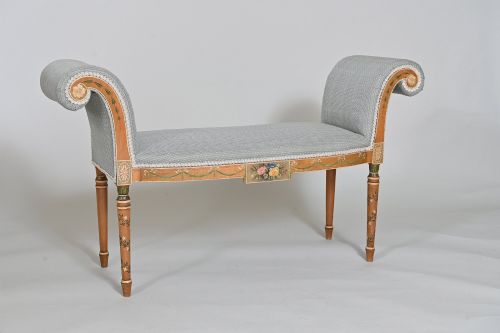
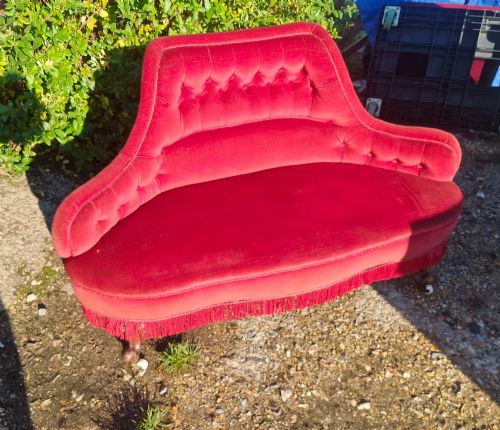
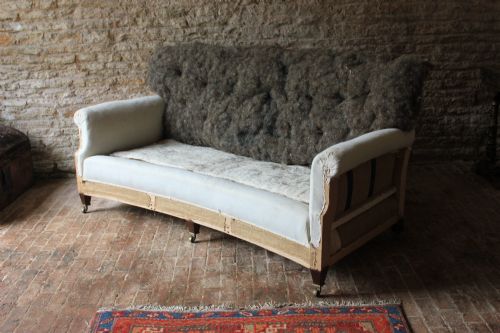
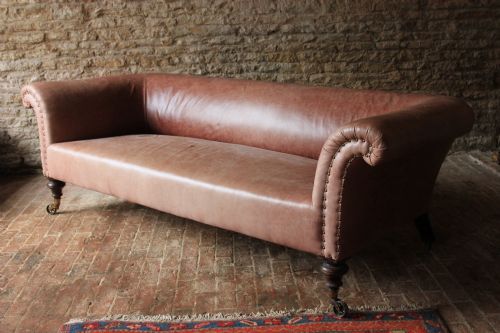
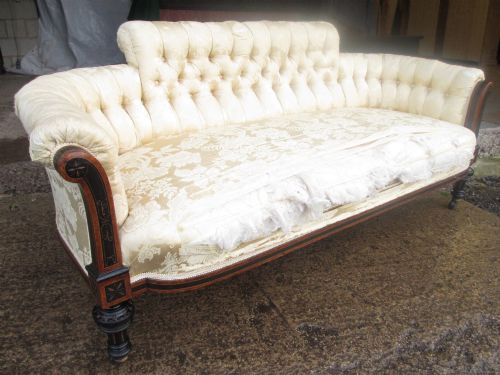
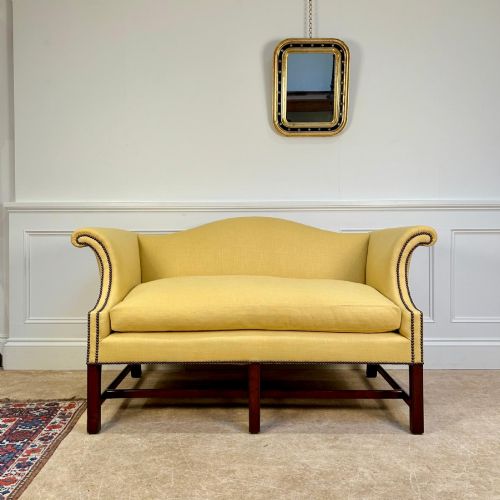
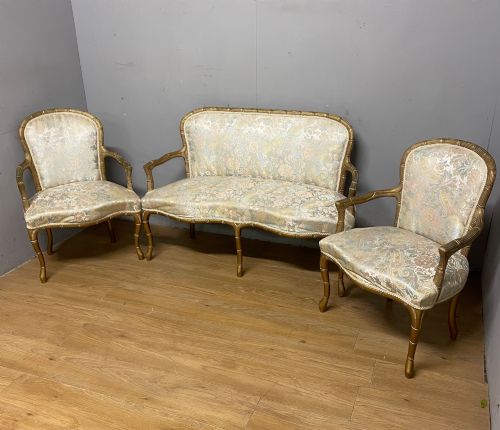
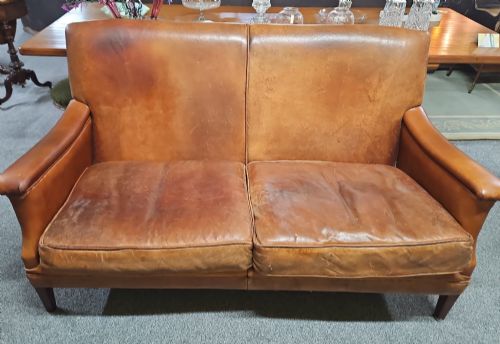
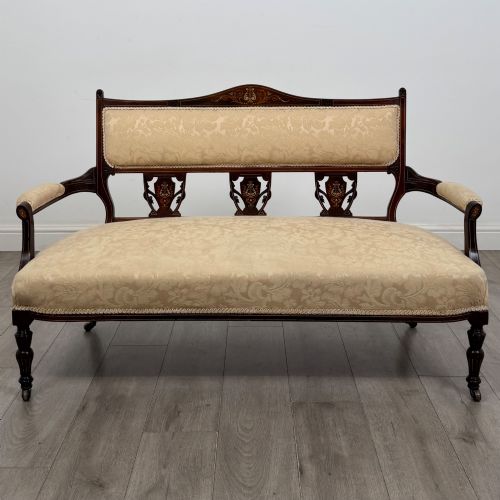
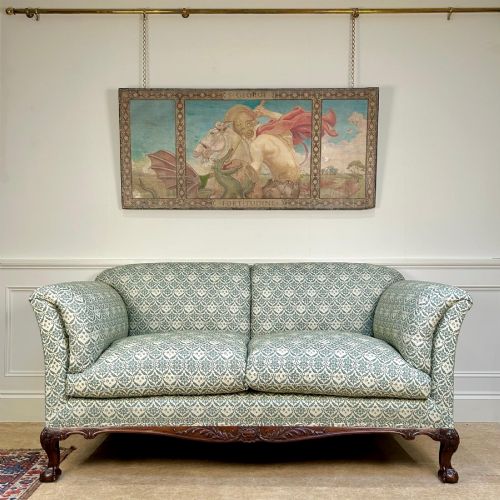
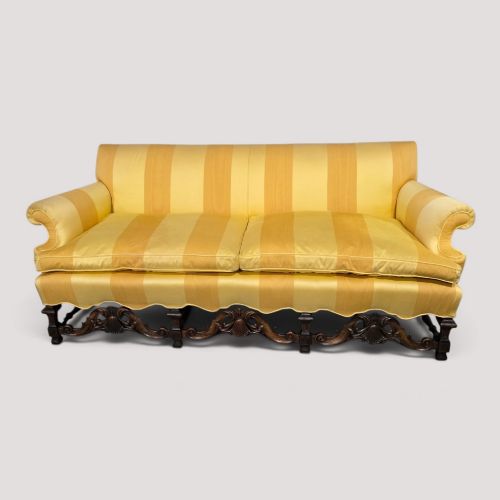
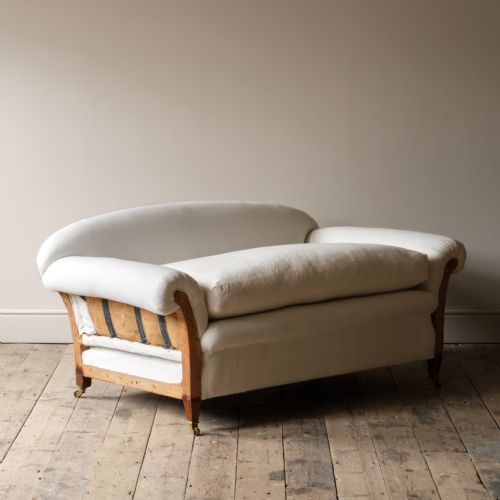
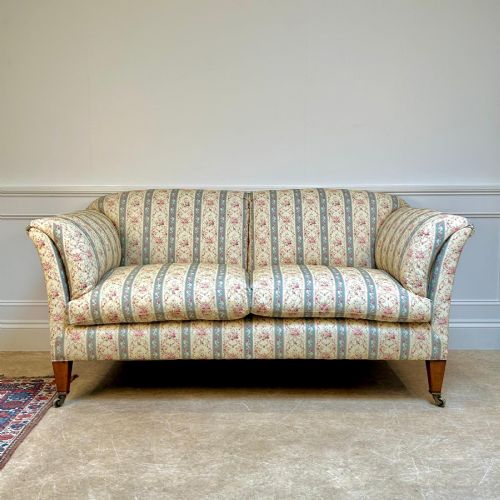
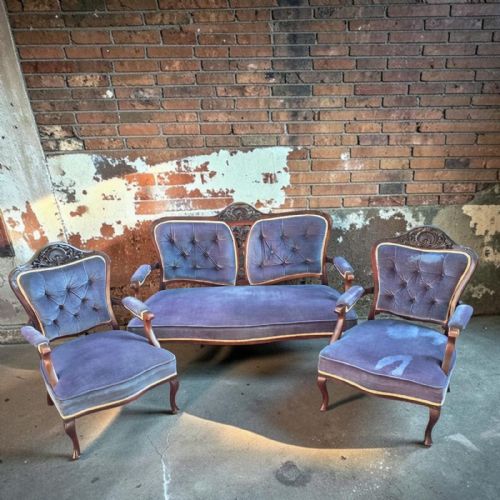
An edwardian sofa seat spans compact settees, window seats, and deep country house couches created during the early twentieth century and the surrounding decades. You meet forms ranging from small inlaid satinwood and mahogany frames to larger upholstered multi-seater couches.
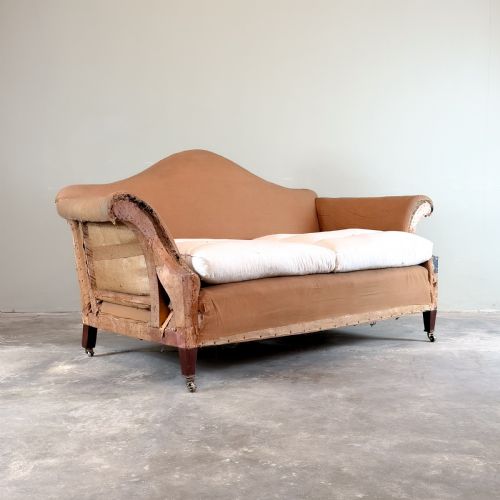
The objects combine domestic seating with decorative woodwork, appearing in variations such as camel backs, bench loveseats, and chair-back end-of-bed seats. Makers from the period drew upon traditional English lines alongside revival influences.
Pieces frequently reflect transitional tastes, bridging late Victorian heaviness and lighter Edwardian proportions. Their scale suits both formal drawing rooms and private chambers.
Materials and construction
Frames rely upon timbers such as mahogany, walnut, satinwood, and oak, often shaped with carved details or delicate string inlay. Structural support is reinforced with brass fittings and traditional joinery methods.
Upholstery incorporates materials like velvet, leather, and patterned fabric, paired with feather cushions and woven canework for seating surfaces. Selected examples utilise bentwood techniques or painted finishes upon the wooden framework.
Edwardian Sofa Seat Retail Price Guide 2026
Typical asking prices for edwardian sofa seat among the pieces listed under this phrase on Sellingantiques today, from the lower quarter to the upper quarter. They describe what is for sale here now, not the wider market.
Some models were specifically built to occupy the narrow strip of floorboards directly at the bottom of a four-poster bed.
Distinctions in craftsmanship
Superior examples demonstrate meticulous attention in the precision of wood inlay, the crispness of carved elements, and the integrity of the frame timbers. Higher tiers often feature documented maker attribution and refined proportions that balance decorative appeal with structural endurance.
Simpler productions rely on plain timber and basic upholstery without inlaid enrichment or complex joinery. The distinction lies in the harmony between the decorative ornamentation and the underlying cabinetwork.
Howard and Sons·Hampton and Sons·Thonet
The Edwardian Sofa Seat Glossary
- Settee
- A medium-sized upholstered seat with a back and arms, designed for more than one person. It provides a lighter alternative to a bulky couch.
- Inlay
- A decorative technique where contrasting pieces of wood or satinwood are inserted into the primary timber surface. This creates flat geometric or floral patterns along the frame.
- Canework
- A woven lattice pattern made from rattan or cane, frequently utilised for seat panels or backrests. It offers a lightweight, breathable surface.
- Bergere
- An enclosed upholstered armchair or sofa featuring a wooden frame and cane sides or back. The style originates from French furniture traditions.
- Chippendale-Style
- A design influenced by eighteenth-century cabinetmaker aesthetics, characterised by carved ribbon backs and cabriole legs. Edwardian makers frequently revived these motifs on mahogany frames.
Edwardian Sofa Seat: Frequently Asked Questions
What defines an edwardian sofa seat?
These pieces comprise smaller settees, window seats, and couches produced around the early twentieth century. They emphasise lighter wooden frames and comfortable upholstered cushions.
Craftsmen utilised timbers like mahogany and satinwood, often embellishing the structures with inlay or carved details suited for refined domestic interiors.
How were these seats used?
Owners placed these items in drawing rooms, bedrooms, and window recesses for daytime resting or conversation. Their compact scale allowed flexible placement compared to massive Victorian settees.
Deeply cushioned variants also served informal country house sitting rooms, prioritizing relaxed lounging.
How do I distinguish periods?
Distinctions rely upon timber choice, upholstery style, and decorative motifs present on the frame. Victorian examples tend toward heavier walnut and dense carving, while Edwardian pieces favor brighter mahogany and inlaid satinwood.
Revival styles bridge these eras by combining earlier cabinetmaking shapes with lighter twentieth-century proportions.
How do I live with them?
Integrating these seats into modern interiors involves pairing their exposed timber frames with complementary historic or contemporary furniture. Their modest dimensions suit entryways, bedrooms, and smaller reception spaces.
Care requires gentle maintenance of the wood finishes and periodic attention to the upholstered cushions.