





Edwardian Smoking Accessory
These pieces for an edwardian smoking accessory range from floor-standing stands to pocket vesta cases, offering tactile utility for tobacco collectors.
Edwardian Smoking Accessory
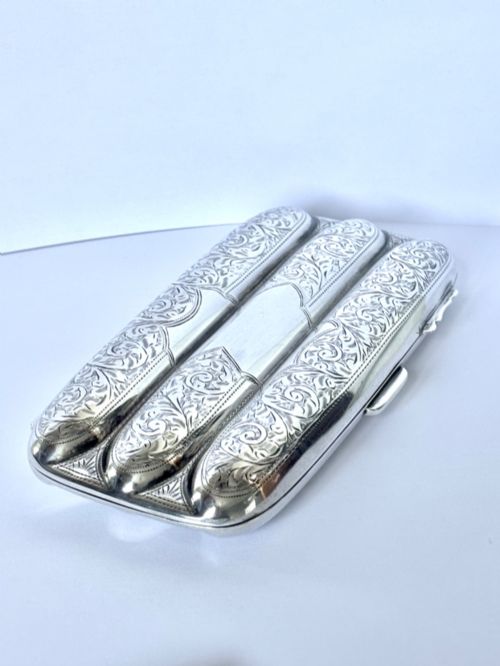
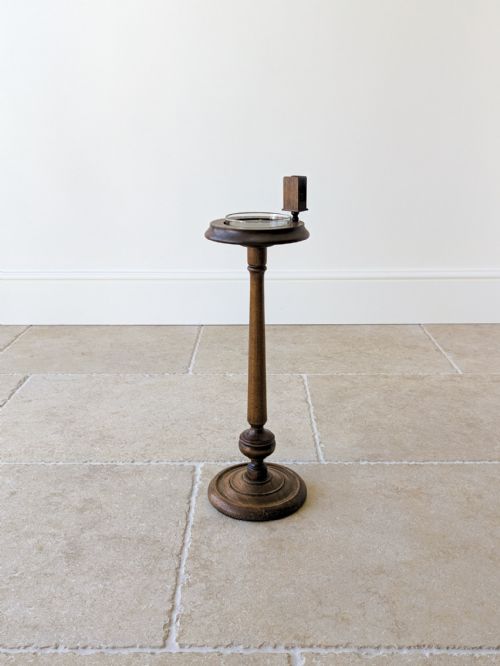
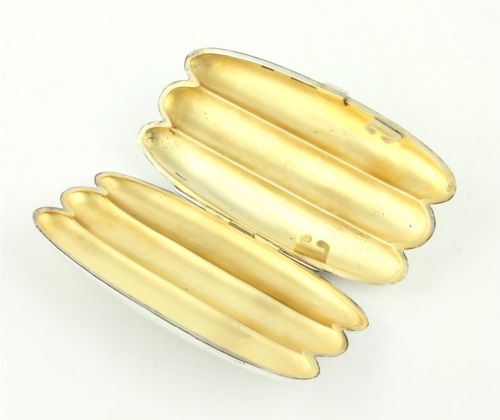
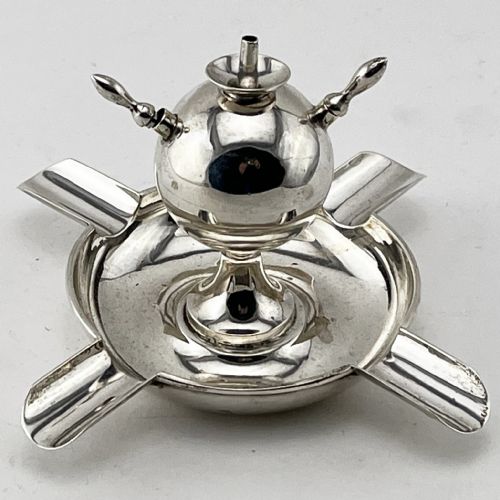
An edwardian smoking accessory encompasses objects designed for tobacco enjoyment, spanning large floor-standing stands and cabinets down to pocket-sized cigar cases and match safes. The selection on this page leans toward sterling silver table lighters, mahogany stands, and fitted cases originating from the late nineteenth and early twentieth centuries.
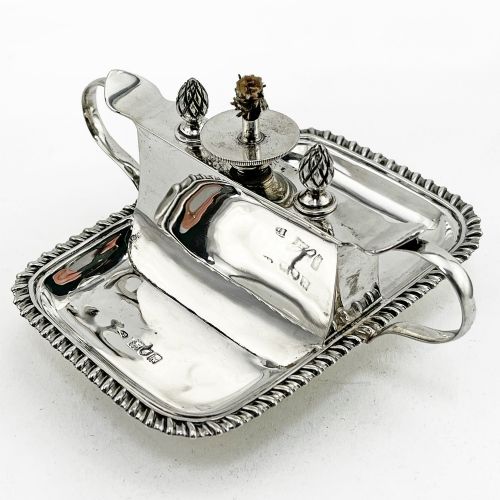
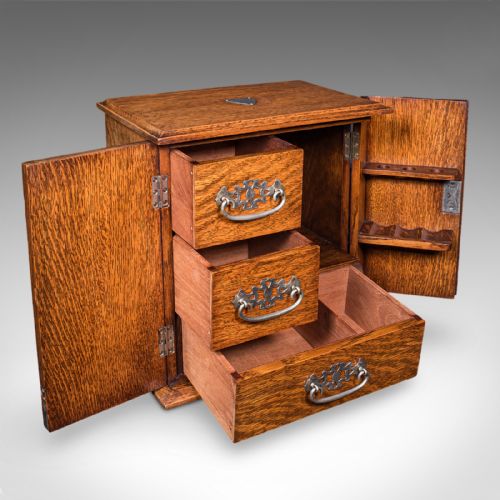
Buyers encounter distinct forms such as table cigar lighters modelled on classical oil lamps, locking gentleman's cabinets in burr walnut or mahogany, and glass match strikers mounted in silver. Pieces from the Edwardian era sit alongside Victorian predecessors and occasional 1920s examples, reflecting the social rituals of smoking in earlier domestic interiors.
Materials and construction
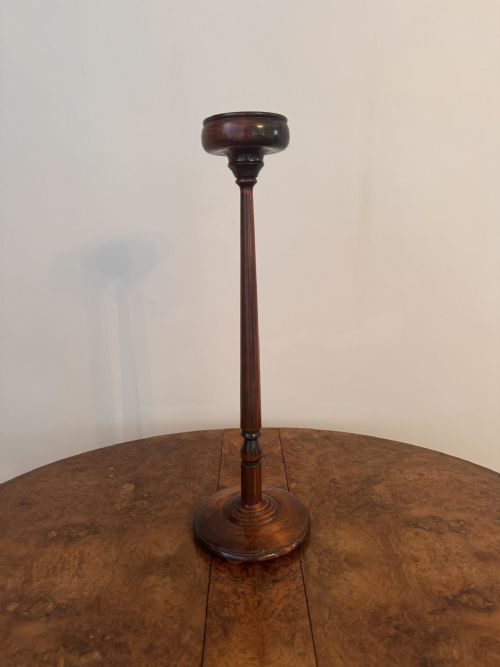
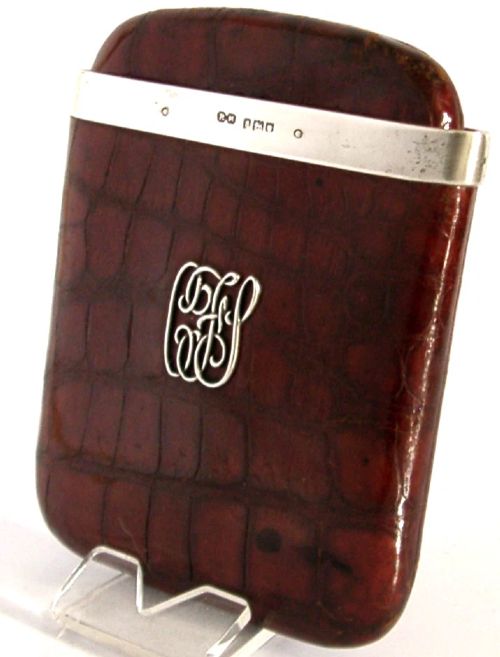
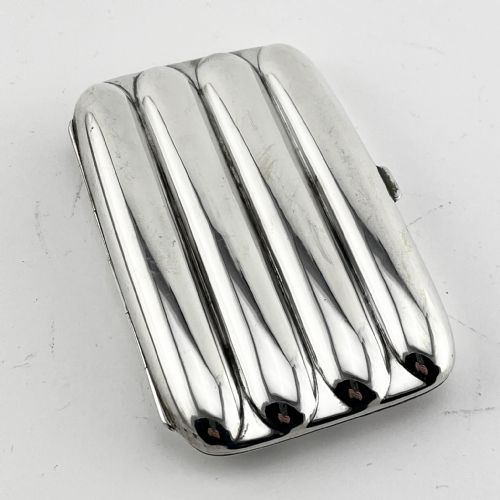
Sterling silver dominates the metalwork, shaped into vesta cases with leaf and scroll engraving, torpedo-shaped pocket cigar cases, and heavy table lighters. Woodwork relies on mahogany and burr walnut for floor-standing smokers stands and locking tabletop cabinets, sometimes complemented by crocodile skin leather.
Edwardian Smoking Accessory Retail Price Guide 2026
Typical asking prices for edwardian smoking accessory among the pieces listed under this phrase on Sellingantiques today, from the lower quarter to the upper quarter. They describe what is for sale here now, not the wider market.
Smoking stands occasionally disguise themselves as miniature fire carriages, bringing theatrical charm to the Edwardian smoking room.
Standards of execution
Quality rests upon the crispness of the chasing on silver vesta cases, the integrity of cabinet locks and interior dividers, and the retention of original fitted cases. Maker attribution, such as work by Zimmerman or Sampson Mordan, elevates the standing of an item.
The choice of materials dictates the upper tier, seen in solid silver gilt mounts, hardstones like onyx and lapis lazuli, and intricate hand-carved meerschaum. Simpler plated boxes and utilitarian stands form the everyday baseline of the category.
Zimmerman·Sampson Mordan·George Betjemann·Goldsmith & Silversmith
The Edwardian Smoking Accessory Glossary
- Vesta case
- A small pocket container designed to hold matches and keep them dry. These cases usually feature a hinged lid and a striking surface on the base.
- Table lighter
- A stationary mechanical device for lighting cigars or cigarettes, kept on a desk or smoking table. They frequently take decorative shapes such as classical oil lamps.
- Meerschaum
- A soft white mineral carved into intricate pipe bowls and cheroot holder chambers. It absorbs nicotine during use and gradually colours with age.
- Cheroot holder
- A small tube fitted with a mouthpiece to hold a narrow open-ended cigar. They are often preserved in original velvet-lined leather cases.
- Suigaraake
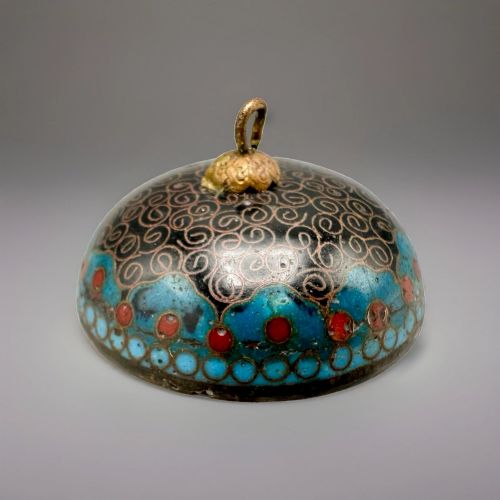
- A Japanese term for an ashtray, frequently executed in cloisonne enamel during the Meiji period. These items entered Western collections through international trade.
Edwardian Smoking Accessory: Frequently Asked Questions
How do I clean sterling silver smoking accessories?
Use a soft cloth and a gentle silver polish to remove tarnish without wearing away engraved leaf and scroll details. Avoid abrasive cleaners that scratch the metal surface.
Keep moisture away from the interior linings of cigar cases and wooden cabinets during the process to protect leather and fabric components.
What is the difference between a vesta and a match striker?
A vesta case is a portable pocket container with an integrated striker used to carry matches outside the home. A match striker is typically a heavier glass or ceramic table piece with a roughened surface.
Table strikers remain stationary in a smoking room or study, whereas vestas travel in waistcoat pockets.
How were smoking cabinets used in Edwardian homes?
Gentlemen used smoking cabinets to securely store cigars, loose tobacco, and pipes under lock and key in studies or drawing rooms. The locking mechanism protected valuable inventory from household staff and guests.
Interior drawers and racks kept different leaf strengths and accessories organised in one dedicated piece of furniture.
Can I still use antique table lighters?
Most antique table lighters operate on mechanical spark wheels and cotton wicks that require maintenance and modern fuel to function. Many collectors prefer to preserve them as decorative desk objects rather than operational smoking tools.
If activation is desired, consult a specialist to check the internal mechanism and fuel seals safely.