

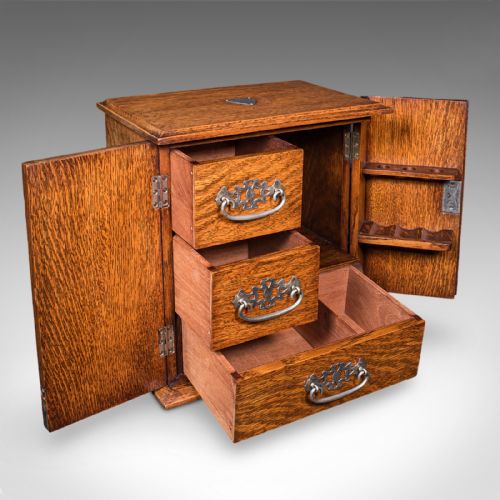


Edwardian Smoker Accessories
Edwardian smoker accessories are functional objects designed for tobacco use, bringing period craftsmanship and utility to any interior.
Edwardian Smoker Accessories
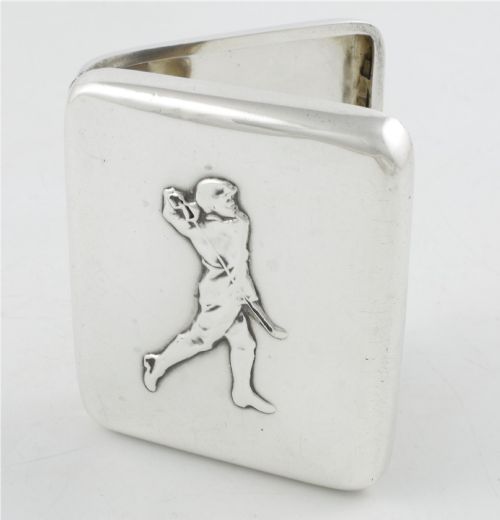
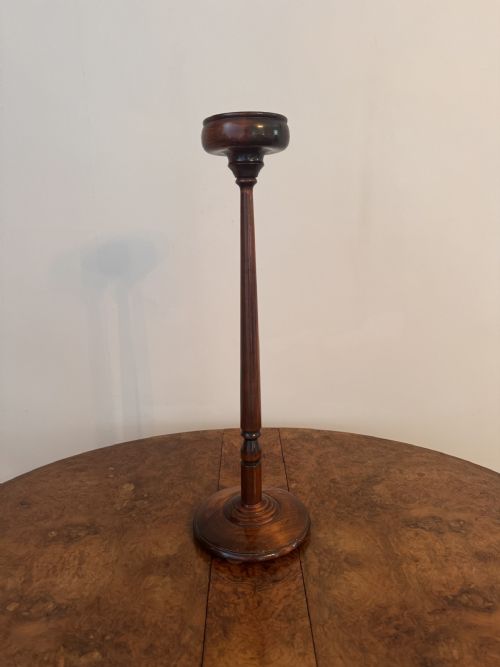
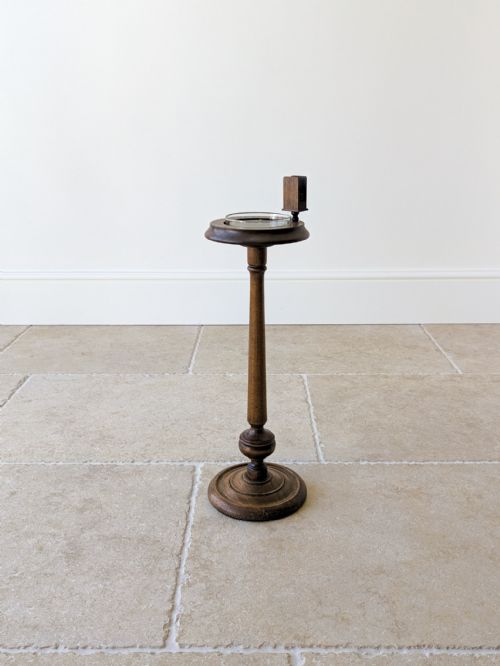
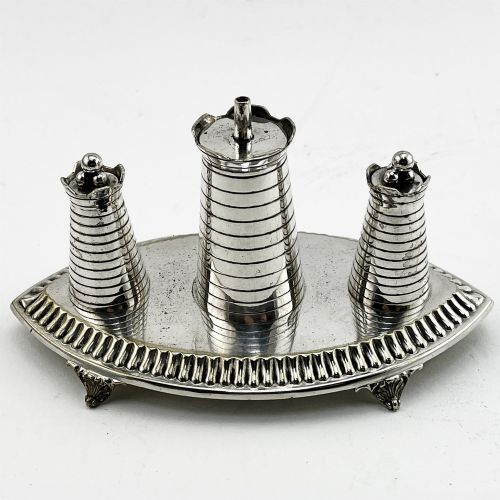
When searching for edwardian smoker accessories, buyers encounter a focused selection of pieces designed for personal tobacco use and entertaining. These items include smoking stands, cabinets, table lighters, ashtrays, vesta cases, and cigar cases from the early twentieth century.
Floor-standing smoking stands and tabletop smoking cabinets form the prominent choices on this page, often constructed in rich timbers. Smaller items like silver vesta cases and cigar cases also appear alongside novelty table lighters.
The objects span periods from the Victorian era through the Edwardian years and into the 1920s, reflecting changing social habits in domestic smoking culture. Most items originate from English workshops and utilise traditional materials of the period.
Materials and construction
Makers utilised solid timbers such as mahogany and oak for larger furniture pieces like smoking stands and cabinets. These woods were turned, joined, and polished to produce durable items for the home.
Metalwork played a central role, utilising sterling silver, silver plate, nickel silver, and base metals for items like lighters, ashtrays, and vesta cases. Glass and cotton elements also feature in compendiums and novelties, combining different textures within single objects.
Edwardian Smoker Accessories Retail Price Guide 2026
Typical asking prices for edwardian smoker accessories among the pieces listed under this phrase on Sellingantiques today, from the lower quarter to the upper quarter. They describe what is for sale here now, not the wider market.
A silver smoking compendium shaped like a fire carriage brings whimsical Victorian engineering directly to the smoking table.
Assessing quality and execution
The standard of execution separates standard utilitarian items from finer examples produced by established silversmiths or specialist cabinet makers. Crisp detailing on cast metalwork and precise joinery on wooden stands indicate superior workshop origins.
Material thickness and the integrity of mechanisms, such as hinges on cigar cases or the fittings on table lighters, determine the durability and finish of the piece. Hallmarks on silver items provide clear evidence of maker marks and assay office standards.
John Grinsell & Sons
The Edwardian Smoker Accessories Glossary
- Vesta case
- A small pocket container designed to hold matches and keep them dry. These items often feature hinged lids and maker hallmarks.
- Table lighter
- A mechanical device for igniting cigars and cigarettes, styled to sit on a desk or smoking table. They frequently employ silver plating or novel shapes.
- Smoker's compendium
- A fitted box or stand containing multiple smoking requisites in one place. These sets typically incorporate match holders, ashtrays, and cigar cutters.
- Tobacciana
- Antiques and collectibles relating to the consumption of tobacco. The category encompasses everything from pipes and humidors to lighters and stands.
Edwardian Smoker Accessories: Frequently Asked Questions
What are edwardian smoker accessories?
Edwardian smoker accessories are decorative and functional items used for storing, lighting, and consuming tobacco during the early twentieth century.
They range from large floor-standing wooden cabinets and smoking stands to small pocket vesta cases and table lighters made of silver.
How were smoking cabinets used?
Smoking cabinets were placed in reception rooms or studies to keep cigars, tobacco, and pipes secure and organised.
Locked doors prevented unauthorized access to expensive cigars, while internal compartments kept accessories tidy.
What materials are common?
Common materials include hardwoods such as mahogany and oak for larger furniture pieces, alongside sterling silver and silver plate for smaller items.
Glass and base metals also appear in novelties and table lighters.
How do I identify periods?
Periods are identified through hallmarks on silver items, manufacturing styles, and prevailing design movements like Art Deco or Victorian revival.
Wood types and construction methods also provide clues to the decade of origin.