

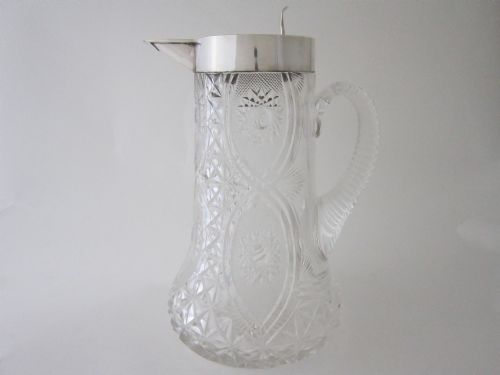


Edwardian Silver Water Jug
An edwardian silver water jug brings functional elegance to a table, combining sterling silver or silver plate with cut glass and crystal.
Edwardian Silver Water Jug
An edwardian silver water jug represents the refined dining and hospitality habits of the early twentieth century, appearing in sterling silver, silver plate, and cut crystal combinations. You will most frequently encounter silver-mounted glass bodies and complete tea sets spanning the Edwardian period and adjacent George V years.
The selection includes large serving vessels intended for water, claret, lemonade, and hot water alongside matching coffee pots. Makers utilised materials such as cranberry glass and woven cane handles to create distinct variations within standard household forms.
Materials and construction
Silversmiths combined sterling silver and electroplated nickel silver with blown and cut glass bodies. Mounts, handles, and hinged lids required precise metalworking to secure snugly against heavy crystal and glass reservoirs.
Craftsmen applied hand-engraved floral designs and scroll patterns directly onto the metal mounts. Natural materials like cane appeared on handles for insulation and grip during pouring.
Edwardian Silver Water Jug Retail Price Guide 2026
Typical asking prices for edwardian silver water jug among the pieces listed under this phrase on Sellingantiques today, from the lower quarter to the upper quarter. They describe what is for sale here now, not the wider market.
Listings feature periods spanning from the nineteenth century through the Victorian, Edwardian, and George V eras, alongside Arts and Crafts styles.
Judging quality in silver jugs
The distinction between standard production and superior work lies in the weight of the metal and the depth of the glass cutting. Heavier silver mounts and crisp facets on crystal bodies demonstrate greater investment of time and material by the maker.
Proportion and balance dictate the success of the piece when lifted. Better examples display secure hinge mechanisms, clean solder joints, and unblemished glass free from internal clouding.
William Comyns·Walker and Hall·Archibald Knox for Liberty and Co·Elkington and Co·Harrison Brothers and Howson·Gorham
The Edwardian Silver Water Jug Glossary
- Sterling silver
- A silver alloy containing 92.5 percent pure silver by mass and 7.5 percent other metals, usually copper. This standard alloy provides the necessary durability for functional tableware.
- Silver plate
- A layer of silver applied to a base metal such as nickel silver or copper. Electroplated versions became widespread during the nineteenth and twentieth centuries.
- Cut glass
- Glass decorated by grinding facets and patterns into the surface using wheels. Deeply cut crystal enhances the refraction of light through the vessel.
- Claret jug
- A pouring vessel specifically designed for serving red wine, typically featuring a glass body with a silver spout, handle, and hinged lid.
Edwardian Silver Water Jug: Frequently Asked Questions
What is an edwardian silver water jug used for today?
These vessels function effectively as serving pitchers for water or iced beverages at formal dining tables. They also serve as decorative display pieces in cabinets or on sideboards.
Collectors frequently utilise them during dinner parties to pour water or wine, appreciating the tactile weight and historical craftsmanship during actual use.
How do I clean an edwardian silver water jug?
Maintenance requires specialised silver polish applied gently with a soft cloth to avoid scratching the underlying metal. Care must be taken around glass bodies and hinged lid mechanisms.
Running these antique pieces through an automatic dishwasher damages both the silver plating and the clarity of the cut glass. Hand washing with mild soap and warm water suits the glass interiors best.
Are these jugs made of solid silver or silver plate?
The inventory contains both sterling silver and silver-plated examples alongside electroplated nickel silver items. Hallmarks stamped into the metal usually indicate the exact standard of silver used.
Silver-plated versions feature a base metal beneath the surface layer, whereas sterling pieces consist of solid silver throughout the body and mounts.
How can I tell if a jug is from the Edwardian period?
Dating relies on assay office hallmarks, maker's marks, and stylistic indicators typical of the early twentieth century. Design motifs often combine late Victorian heaviness with emerging Arts and Crafts influences.
Form and material combinations, such as cranberry glass paired with silver mounts, frequently point directly toward manufacture around nineteen hundred.