






Edwardian Silver Top Jar
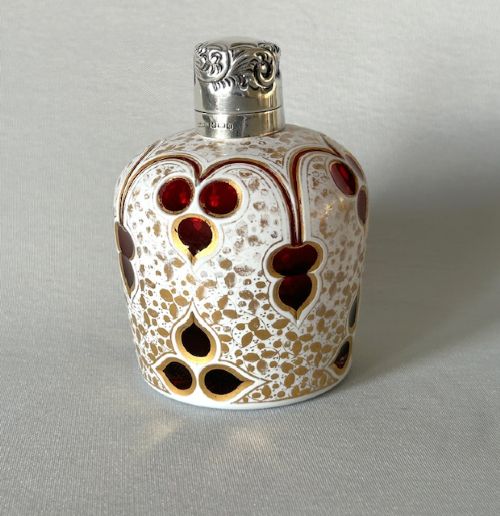
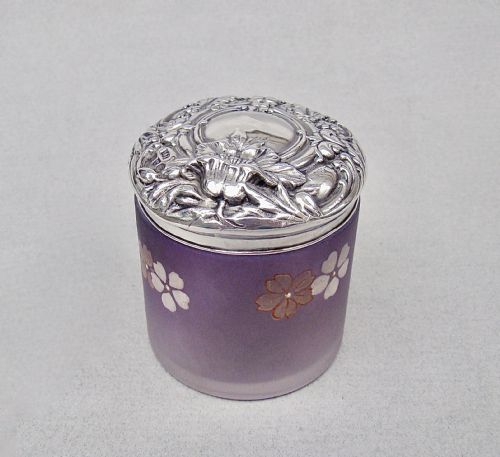
These edwardian silver top jar items combine cut crystal and sterling silver lids for the dressing table.
Edwardian Silver Top Jar
An edwardian silver top jar brings together functional glass vessels and hallmarked metal work for daily use in the dressing room or parlour. These pieces appear most frequently as dressing table jars, scent bottles, and trinket boxes originating from the Edwardian period and adjacent decades.
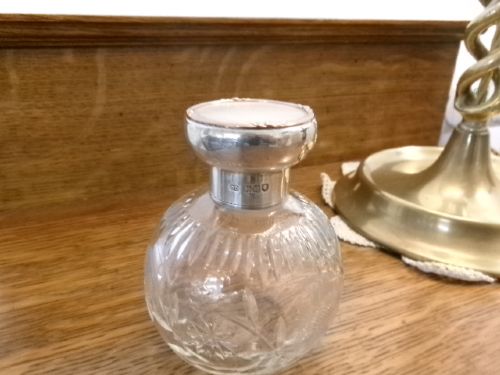
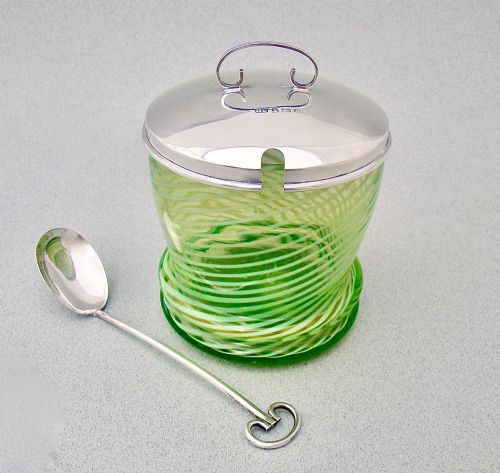
Makers produced these containers in diverse forms ranging from large biscuit barrels and tea caddies down to small vanity jars and perfume bottles. Cut glass and crystal form the lower body, paired with fitted metal covers stamped with assay office hallmarks.
How they were made
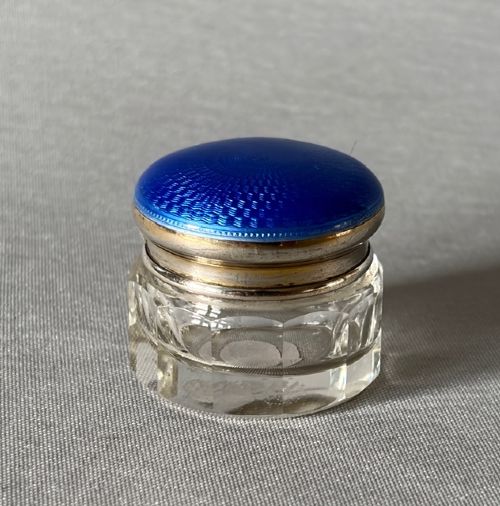
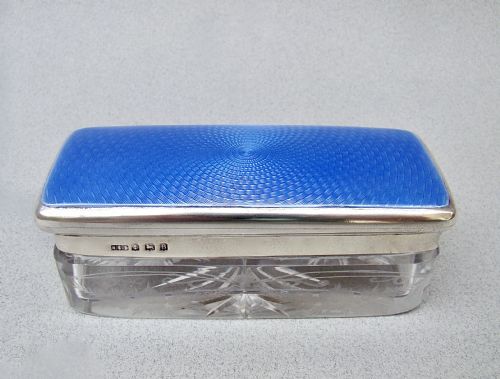
Silversmiths shaped sterling silver or silver plate into lids, often decorating the metal surface with enamel, tortoiseshell, or intricate embossed patterns. Glassblowers and cutters formed the matching bodies through deep faceting and intricate cutting techniques.
Workshops united the components using cork or collar mounts to secure the metal top to the glass container. Assay offices in Birmingham, Chester, and London stamped the silver portions with date letters and maker's marks.
Edwardian Silver Top Jar Retail Price Guide 2026
Typical asking prices for edwardian silver top jar among the pieces listed under this phrase on Sellingantiques today, from the lower quarter to the upper quarter. They describe what is for sale here now, not the wider market.
Listings feature items spanning the Victorian, Edwardian, and Art Deco eras, constructed from cut crystal, sterling silver, enamel, and tortoiseshell.
What varies in quality
Weight and thickness of the silver lid separate standard examples from superior work, alongside the clarity and depth of the cut glass body. Makers who added guilloche enamel or tortoiseshell panels introduced greater craftsmanship to the finished object.
Crispness of the hallmarks and the preservation of the glass facets distinguish well-kept specimens from heavily worn items. Matching sets or matched pairs demand closer attention to the individual maker's marks stamped upon each component.
Henry Clifford Davis·Goldsmiths and Silversmiths Co·Barnsley and Co·William Comyns
The Edwardian Silver Top Jar Glossary
- Hallmark
- Official stamps applied to precious metals indicating the assay office, standard of purity, and year of manufacture. These marks allow collectors to date individual pieces precisely.
- Guilloche
- A decorative technique where a precise, intricate pattern is mechanically engraved into metal beneath a translucent enamel layer. This finish appears frequently on Art Deco vanity items.
- Cut Crystal
- Glass containing lead oxide that increases weight and brilliance, shaped by cutting deep geometric patterns across the surface. It provides the heavy base for many dresser jars.
- Biscuit Barrel
- A covered ceramic, glass, or metal container designed for storing dry biscuits on the dining or drawing room table. Edwardian examples often feature silver plated or solid silver mounts.
Edwardian Silver Top Jar: Frequently Asked Questions
What were these jars used for?
These containers held perfumes, powders, and small personal items on dressing tables and desks.
Larger versions served as biscuit barrels or tea caddies in formal entertaining spaces.
How do I date an edwardian silver top jar?
Examine the hallmarks stamped directly onto the silver lid for specific assay office symbols and date letters.
Stylistic cues like Art Nouveau curves or geometric Art Deco lines also point to particular manufacturing decades.
Are the lids solid silver?
Many lids consist of solid sterling silver bearing official town and maker marks.
Other examples utilise silver plate over a base metal foundation.
How should I clean the glass and silver?
Wash the glass body gently in warm soapy water while keeping moisture away from any interior liners or cork mounts.
Polish the metal lid carefully with a soft cloth, avoiding abrasive cleaners that might harm enamel or tortoiseshell inserts.