






Edwardian Silver Sewing Tool
These edwardian silver sewing tool pieces combine practical utility with whimsical sculptural forms that collectors prize for their intricate detail.
Edwardian Silver Sewing Tool
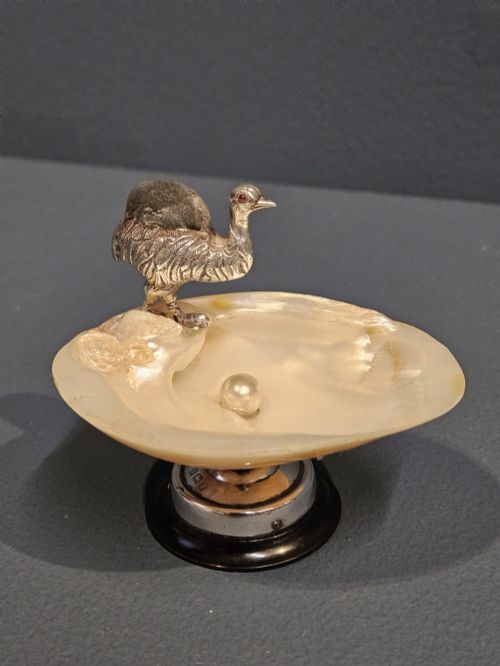
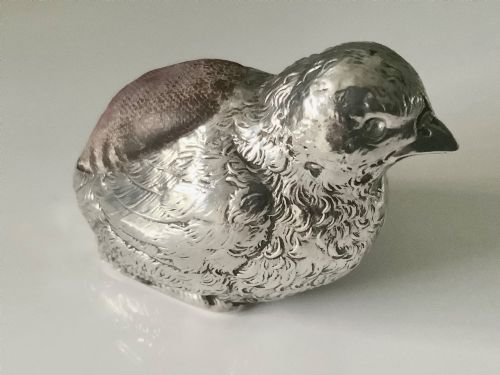
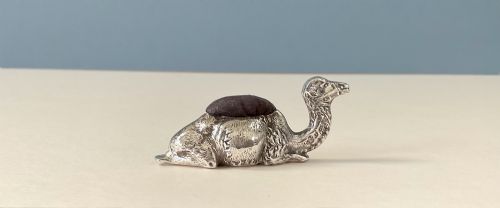
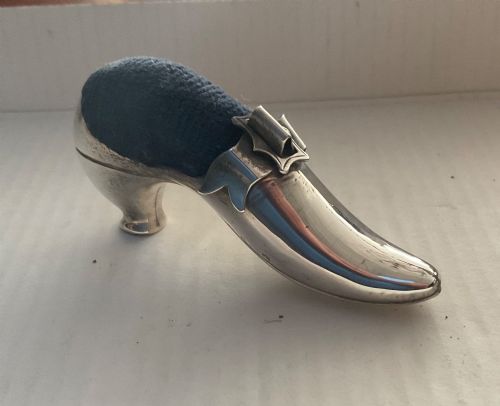
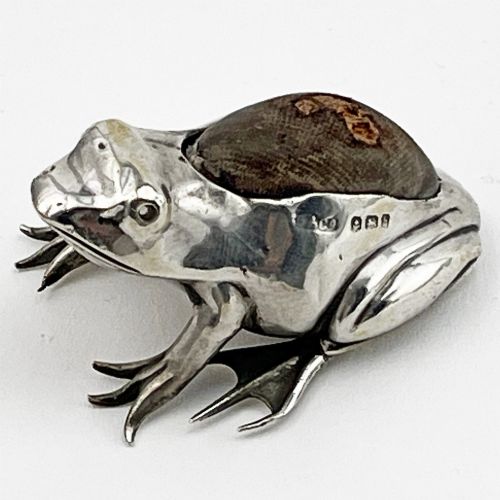
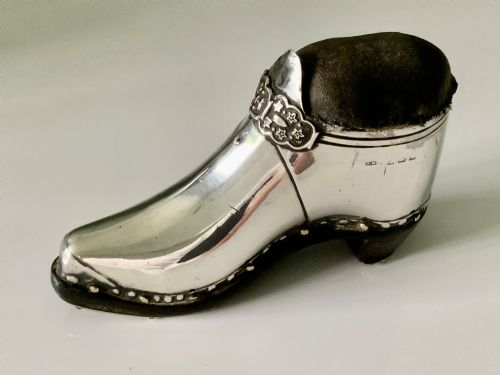
An edwardian silver sewing tool encompasses everything from cased etuis to individual pin cushions and thread holders fashioned during the early twentieth century. Pin cushions dominate the selection, appearing frequently in figurative novelty shapes rather than simple pads.
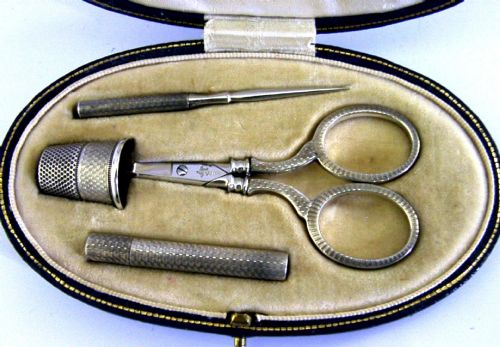
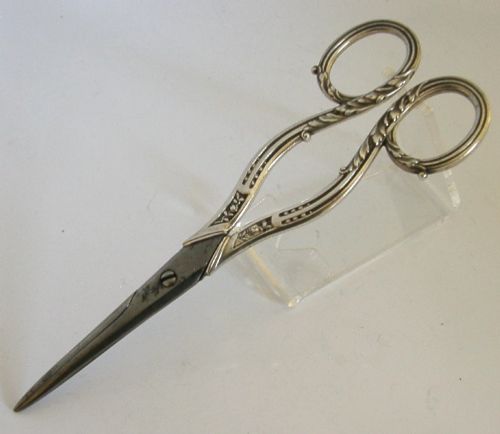
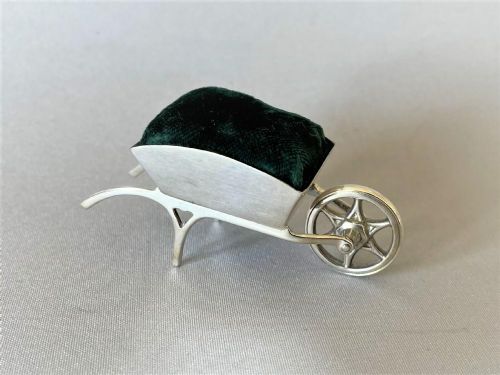
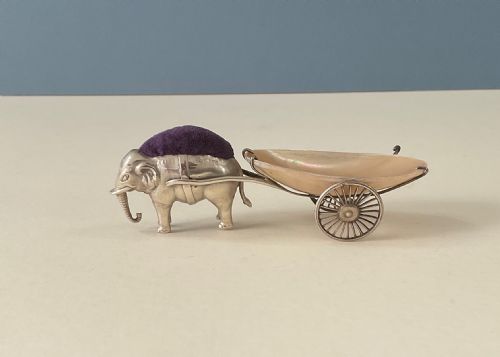
Makers shaped sterling silver into whimsical representations of animals, footwear, vehicles and everyday objects to sit upon a dressing table or workbox. Alongside these small novelties, listings include handled scissors, cotton holders and complete sewing kits.
The period spans late Victorian transition pieces through to the George V era, capturing a distinct taste for decorative silver work. These items served a practical function in domestic sewing while also acting as charming desk or table ornaments.
Materials and Construction Methods
Silversmiths utilised sterling silver alongside steel for cutting edges, velvet or fabric for cushion inserts, and occasionally glass, shell or leather elements. Metalwork involved piercing, casting and repousse techniques to render detailed feathers, fur texture and floral scrollwork.
Fabric and velvet provided the soft core for pin cushions, secured tightly within silver frames shaped as animals, shoes or railway lamps. Structural integrity relied on solid silver fabrication combined with steel mechanisms for functional scissors and sewing kits.
Edwardian Silver Sewing Tool Retail Price Guide 2026
Typical asking prices for edwardian silver sewing tool among the pieces listed under this phrase on Sellingantiques today, from the lower quarter to the upper quarter. They describe what is for sale here now, not the wider market.
Listings span the Edwardian and George V periods, featuring sterling silver, velvet, fabric, steel, leather, glass and shell materials.
Distinctions in Quality and Execution
The degree of sculptural definition separates standard items from exceptional novelty pieces, particularly in animal forms where feather or fur engraving must remain crisp. Pierced floral scrollwork on cotton holders requires precise metal piercing to achieve balanced, elegant negative space.
Maker marks and legible hallmarks contribute significantly to the standing of a piece, indicating origin and silver purity clearly. The survival of the original fabric or velvet insert alongside intact structural components determines the overall integrity of the sewing accessory.
Adie & Lovekin
The Edwardian Silver Sewing Tool Glossary
- Pin Cushion
- A small domestic accessory filled with fabric or velvet to hold pins during needlework, often fashioned into novelty shapes during the Edwardian period.
- Etui
- A small cased container designed to hold sewing implements like needles, scissors and threads.
- Novelty Silver
- Silver items shaped playfully to resemble animals, vehicles, clothing or inanimate objects rather than traditional domestic forms.
- Sterling Silver
- A silver alloy containing proportions of silver and other metals to ensure durability in decorative and functional objects.
- Repousse
- A metalworking technique where the silver is hammered into relief from the reverse side to create raised decorative designs.
Edwardian Silver Sewing Tool: Frequently Asked Questions
What is an edwardian silver sewing tool?
These items are small silver implements and accessories used for needlework, manufactured primarily during the early twentieth century. They include fitted etuis, scissors, thread holders and sculptural pin cushions.
Many examples take whimsical figurative forms such as animals, birds, shoes and vehicles. They reflect the high standard of domestic silver craft from the period.
How were silver pin cushions used?
Pin cushions held pins and needles safely at hand during sewing, embroidery and dressmaking tasks in the home. The padded velvet section received the pins while the silver base provided stability on a table.
Beyond basic utility, novelty versions served as decorative ornaments on dressing tables. Their amusing shapes often sparked conversation among guests.
What materials appear alongside silver?
Makers incorporated velvet and fabric to form the functional padded inserts for holding pins securely. Steel components provided the necessary cutting edge for scissors and needles within sewing kits.
Additional materials such as glass, shell and leather turn up in specific cased etuis and holders. Sterling silver remained the primary medium for the exterior chassis and decorative mounts.
How do I identify an edwardian piece?
Dating relies heavily on hallmarks stamped into the silver, denoting assay offices, date letters and maker marks. Stylistic cues like the Belle Epoque influence and Edwardian novelty designs help distinguish these objects from earlier Victorian work.
Forms such as roller skates, railway lamps and specific animal motifs align closely with early twentieth-century production trends. Examining the construction techniques provides further context for the manufacturing era.