



Edwardian Silver Ring Holder
Edwardian silver ring holder pieces are small domestic items designed to keep jewellery safe, combining period form with functional utility.
Edwardian Silver Ring Holder
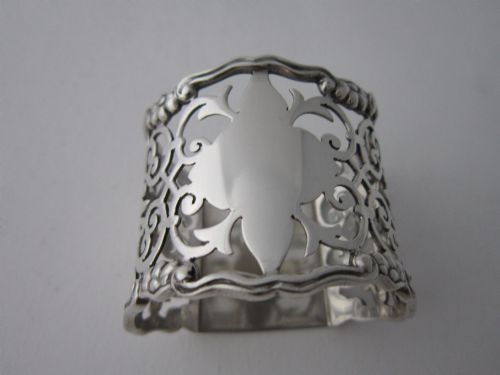
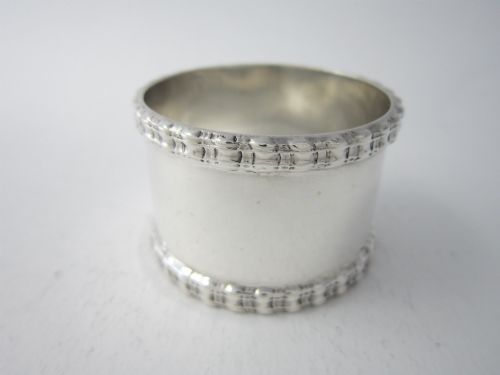
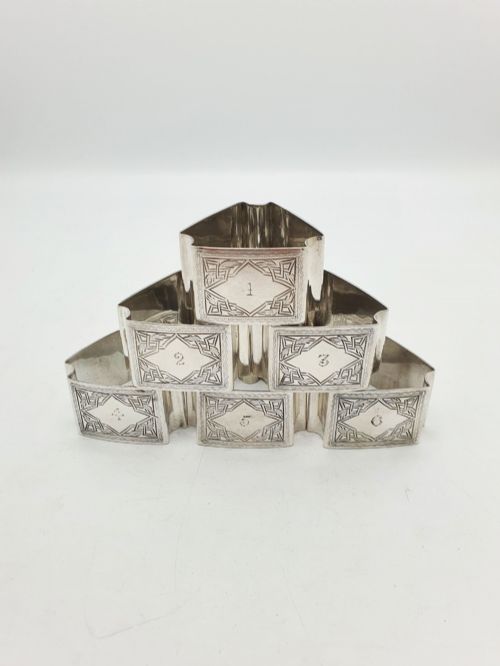
When searching for an edwardian silver ring holder, a buyer examines small domestic metalwork items primarily originating from the Edwardian period, alongside related domestic pieces such as napkin rings and string holders. The listings combine items specifically identified as ring trees or ring holders with associated domestic silver forms.
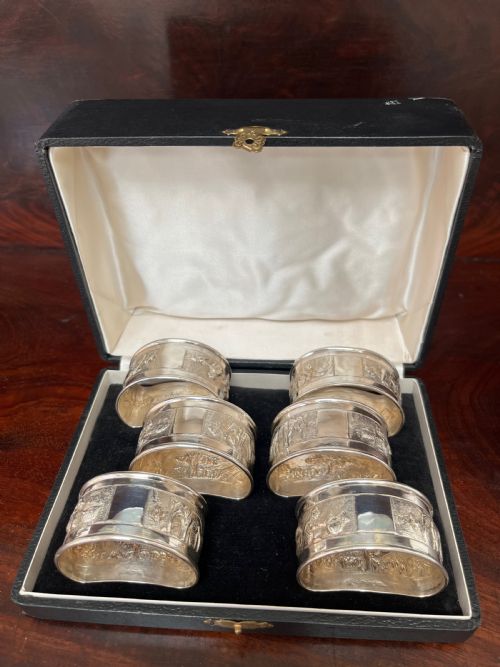
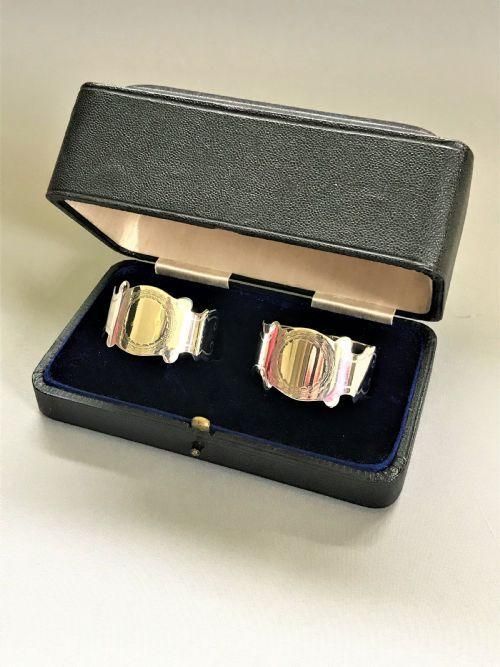
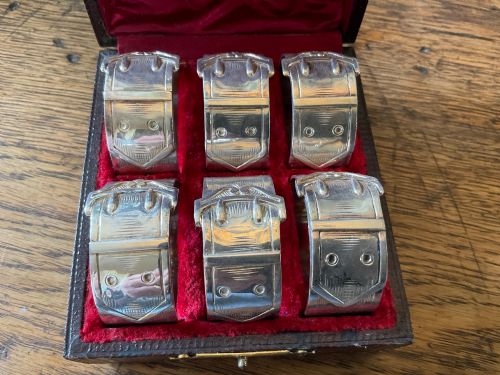
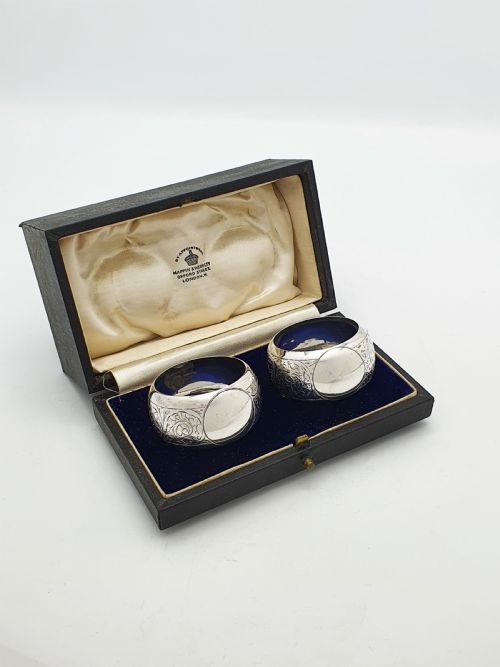
Most pieces seen on this page date from the Edwardian era or the broader span of the early twentieth century, utilising sterling silver and silver plate. The selection reflects domestic habits of the period, encompassing individual ring stands, cased pairs, and matched sets.
How they were made
Makers utilised sterling silver and silver plate as the primary metallic materials for these pieces, shaping them through standard silversmithing techniques of the era. Some examples incorporate internal or fitted elements utilising silk, velvet, leatherette, leather, and wood.
Decorative treatments on related domestic items include enamel work and arts and crafts styling, whilst structural forms range from plain bands to items modelled as belt buckles or specific desk accessories.
Listings span multiple decades, incorporating Victorian, Edwardian, and George V periods alongside Arts and Crafts designs.
What varies in quality
The distinction between standard commercial output and finer pieces lies in the weight of the metal and the crispness of any applied decoration or maker stamping. Pieces produced by notable workshops exhibit more deliberate attention to form and finish.
Condition and completeness also separate examples, particularly where original fitted cases involving materials like leatherette or silk remain intact alongside the silver object.
C.T. Burrows & Sons·Tiffany & Co·Liberty & Co·Mappin & Webb·Guild of Handicraft
The Edwardian Silver Ring Holder Glossary
- Edwardian
- Pertaining to the reign of King Edward VII, spanning from 1901 to 1910, known for lighter and more refined domestic silver designs. Pieces from this era often display graceful proportions.
- Sterling Silver
- An alloy consisting of 92.5 percent silver and 7.5 percent other metals, usually copper, to increase durability. This standard was widely utilised by British silversmiths.
- Silver Plate
- A base metal object coated with a thin layer of silver through electroplating or older methods. It offered an accessible alternative to solid sterling items in domestic settings.
- Arts and Crafts
- A design movement advocating handcraftsmanship and traditional techniques as a reaction against mass production. Objects in this style often feature honest construction and understated ornamentation.
- Cased Set
- A collection of matching items supplied in a fitted presentation box lined with materials such as silk or velvet. These sets were frequently used for gifting on domestic occasions.
Edwardian Silver Ring Holder: Frequently Asked Questions
How do I identify an Edwardian piece?
Examination of hallmarks stamped into the metal reveals the assay office, date letter, and maker's mark.
Comparing these marks against official assay records confirms the exact year of manufacture during the Edwardian period.
Were these items meant for daily use?
Domestic silver objects were produced for everyday household utility as well as formal dining and dressing table organisation.
Many survived within fitted presentation cases, indicating they were treated as valued personal possessions.
What materials accompany the silver?
Interiors and presentation boxes frequently incorporate textile linings such as silk, velvet, and leatherette alongside wooden structural elements.
Enamel decoration also appears on specific arts and crafts pieces from the same era.
How do I care for silver ring holders?
Gentle cleaning with a specialised silver cloth prevents the buildup of tarnish without wearing down raised details or hallmarks.
Storing pieces away from damp environments preserves both the metal surface and any internal textile linings.