




Edwardian Silver Plated Candlesticks
Edwardian silver plated candlesticks bring the refined metalwork of the early twentieth century to the dining table with a bright, durable finish.
Edwardian Silver Plated Candlesticks
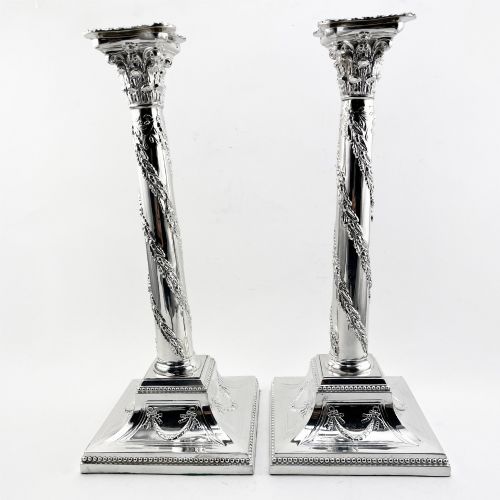
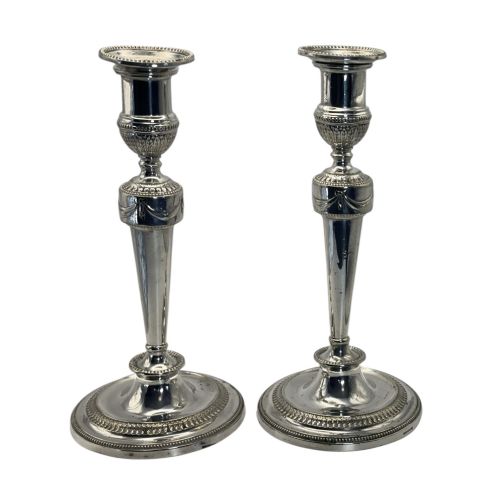
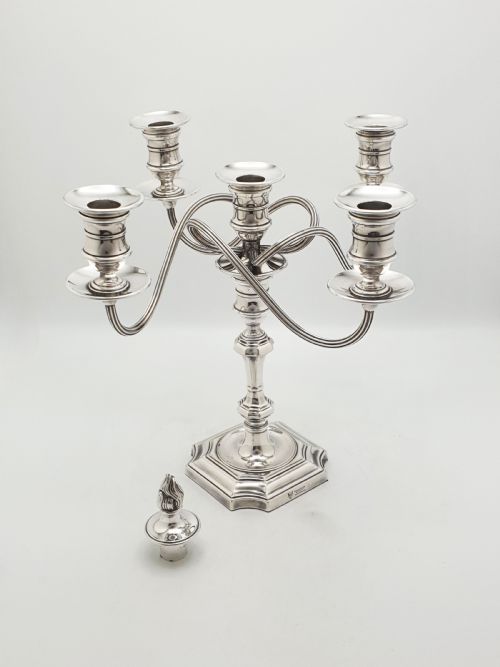
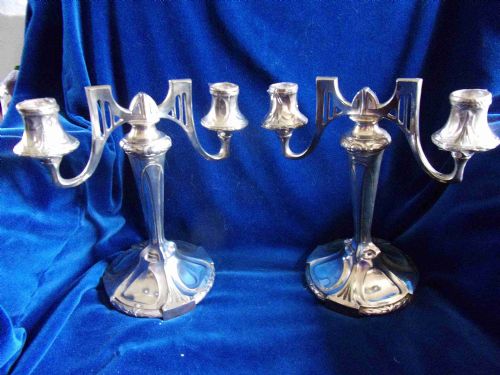
Edwardian silver plated candlesticks bridge the late nineteenth century and the early decades of the twentieth century, appearing frequently as matching pairs or larger candelabra suites. These pieces reflect the dominant interior tastes of the era, drawing upon Neoclassical, Adam revival, and Rococo forms alongside clean-lined Art Nouveau designs.
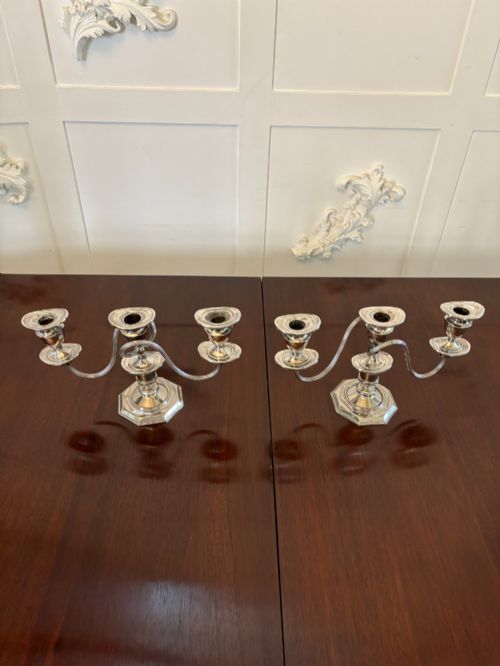
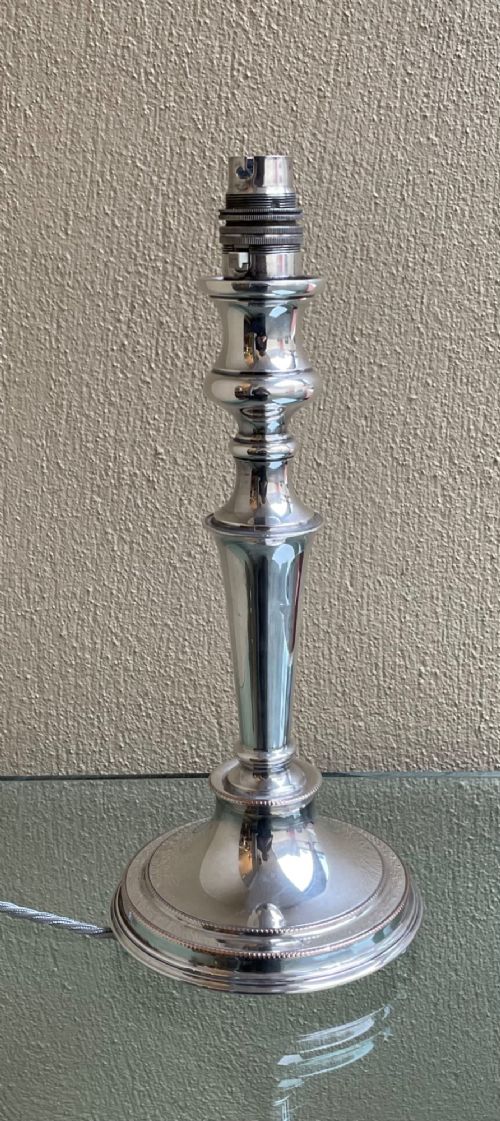
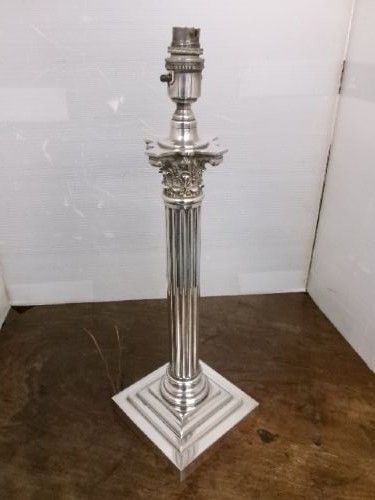
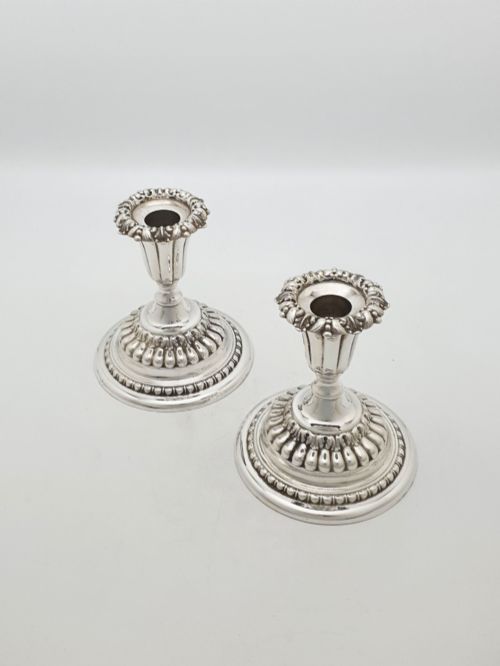
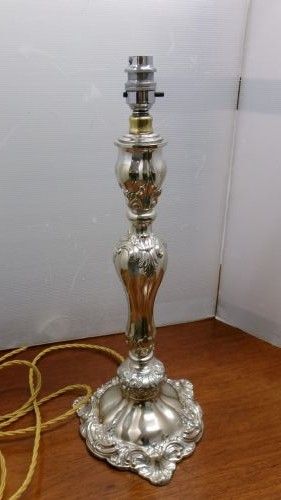
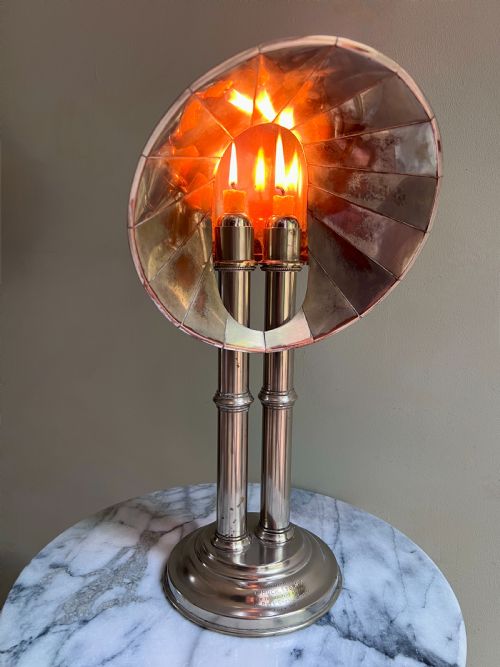
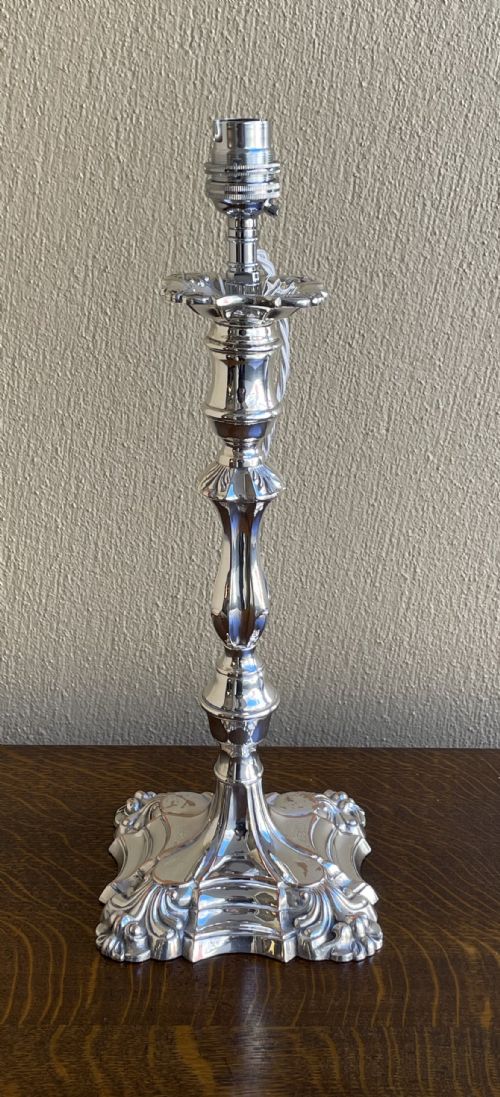
The selection ranges from low domestic chamber sticks and classic Corinthian column designs to taller five-light candelabra and converted table lamps. Alongside standard candlesticks, the listings encompass related lighting forms such as reflector candle lamps, desk lamps, and standard lamps sharing the same plated metal construction.
Materials and construction
Production relies heavily on base metals such as brass, nickel silver, and electroplated nickel silver, commonly abbreviated as EPNS, which provided a sturdy structural core. Manufacturers applied a layer of silver to this metal foundation using electroplating techniques developed during the Victorian period, allowing for mass-produced items with the appearance of solid silver.
Certain specialty items integrate secondary materials like walnut wood, fabric shades, or weighted bases to ensure stability during use. Surface treatments span from polished silver plate and silvered pewter to specific regional variations originating from English workshops.
Edwardian Silver Plated Candlesticks Retail Price Guide 2026
Typical asking prices for edwardian silver plated candlesticks among the pieces listed under this phrase on Sellingantiques today, from the lower quarter to the upper quarter. They describe what is for sale here now, not the wider market.
Some adventurous Victorians apparently read railway timetables by the faint, flickering glow of a silver-plated travelling horn of plenty.
Assessing quality in plated lighting
Quality in these pieces is dictated by the crispness of the cast ornamentation and the thickness of the original plating over the underlying metal base. Finer examples retain sharp detailing along acanthus leaves, reeded columns, and cast scrollwork, whereas heavily polished examples may show thin spots where the base metal begins to show through.
The integrity of the construction, the weight of the piece, and the retention of maker marks or registration numbers further distinguish standard production items from workshop masterworks. Matching pairs that preserve their original components and surface patination represent the upper tier of surviving examples.
Mappin & Webb·Veritas Lamp Works·John Pound & Co·WMF
The Edwardian Silver Plated Candlesticks Glossary
- Electroplated nickel silver
- A base alloy of copper, nickel, and zinc coated with a layer of pure silver through an electrolytic process. This material became the industry standard for durable domestic tableware and lighting.
- EPNS
- The common trade abbreviation for electroplated nickel silver found stamped on the underside or bases of many pieces. It confirms the non-precious metallic core beneath the silver surface.
- Corinthian column
- A classical architectural column form featuring ornate acanthus leaves and scrolls around the capital. This style was frequently adapted for tall candlesticks and table lamps.
- Candelabra
- A branched candlestick holding multiple candles or light fittings on a single central shaft. These multi-light items often formed part of large table suites.
- Sheffield silver plated
- A term describing items produced in the tradition of early fused plate, though later Edwardian pieces generally utilise modern electroplating methods rather than the older mechanical fusion process.
Edwardian Silver Plated Candlesticks: Frequently Asked Questions
Were these candlesticks converted to electricity?
Many surviving examples retain their original configurations designed strictly for wax candles, while others have been adapted as table lamps over the decades. Conversions often occurred to modernise household lighting while retaining the decorative quality of the antique metal base.
Buyers should examine the underside and internal fittings to determine whether wiring has been added. Unconverted pieces preserve their historical function, whereas lamps offer practical illumination for modern interiors.
How do I identify the period of silver plated candlesticks?
Examine the stylistic cues, such as the restrained elegance of Edwardian Neoclassicism or the flowing botanical lines of Art Nouveau. Maker marks, registry numbers, and specific abbreviations like EPNS stamped into the base provide reliable chronological markers.
Heavier neoclassical Corinthian columns often point to late Victorian or Edwardian production. Comparing the form against dated exhibition pieces or documented workshop catalogues confirms the era of manufacture.
Are these items made of solid silver?
These pieces consist of a base metal core, such as brass or nickel silver, covered by a thin outer layer of pure silver. This construction method provided the visual appeal of solid silver at a fraction of the weight and cost.
Testing the metal or inspecting worn areas usually reveals the yellowish or greyish base metal underneath. Hallmark stamps on plated goods denote the plating method rather than solid precious metal standards.