



Edwardian Silver Plate Tableware
Edwardian silver plate tableware brings practical elegance to the dining table, offering polished surfaces and decorative forms that elevate everyday meals.
Edwardian Silver Plate Tableware
Edwardian silver plate tableware encompasses a diverse range of dining and serving accessories designed for formal and domestic meals. When searching for Edwardian silver plate tableware, buyers encounter an array of specialised dining items that reflect the social rituals of the early twentieth century.
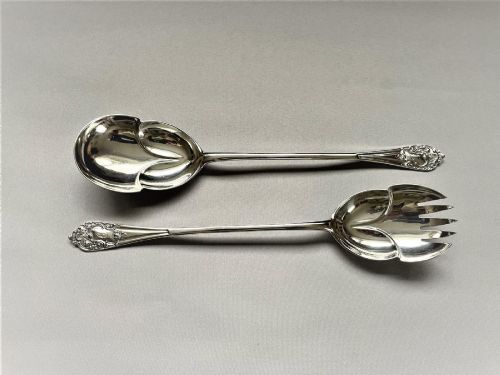
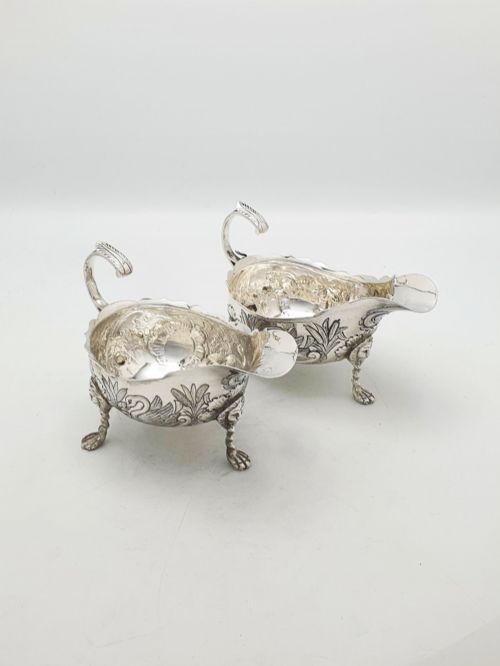
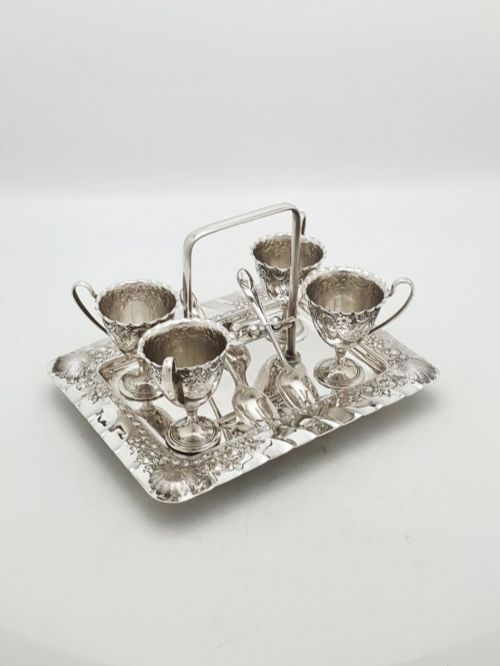
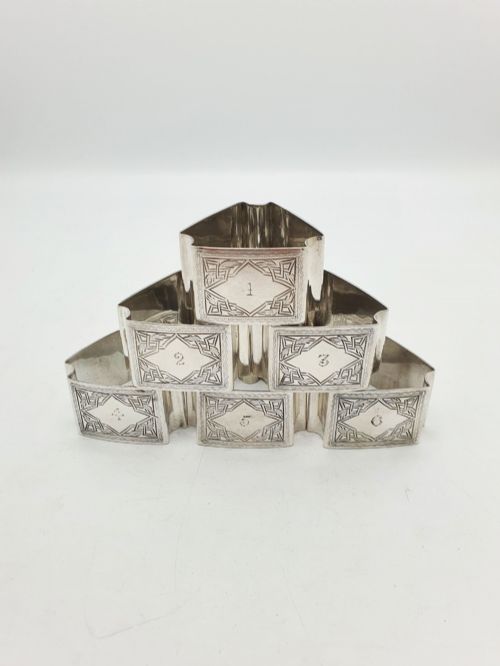
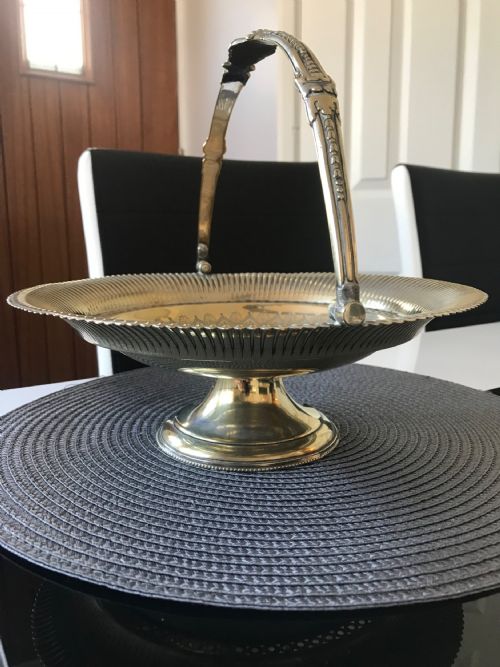
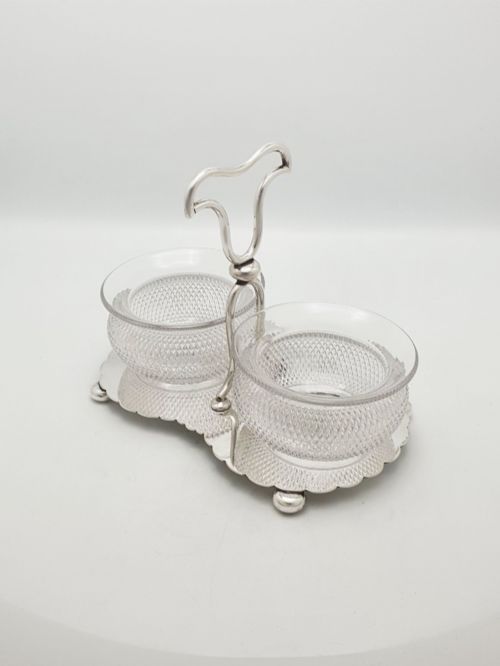
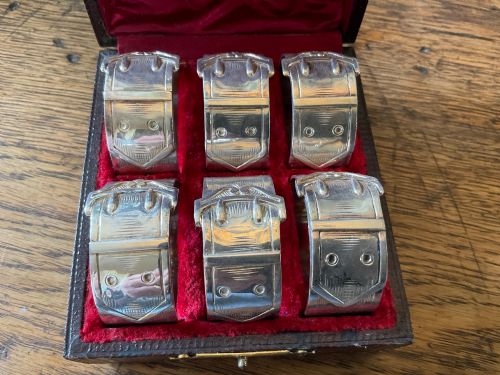
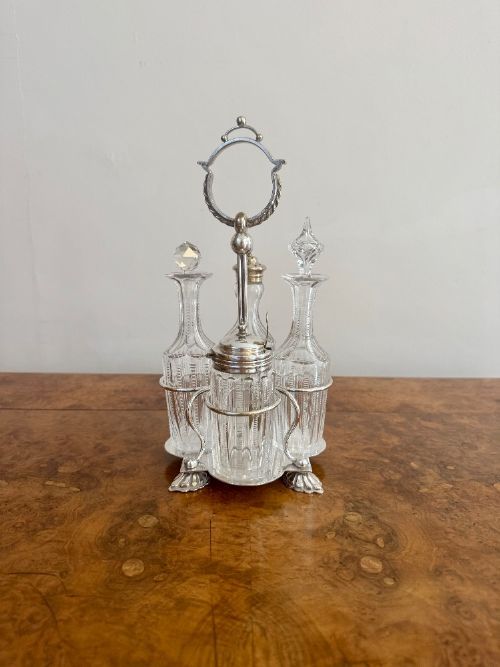
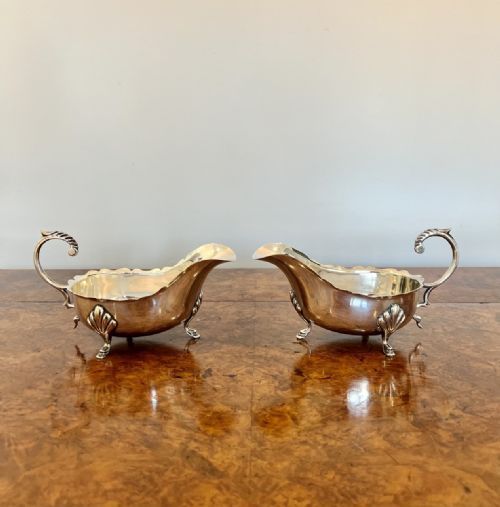
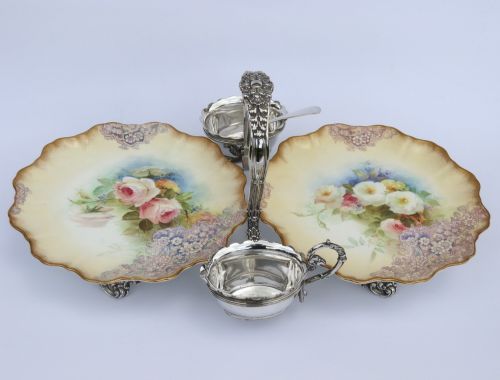
The objects span practical serving vessels and decorative accoutrements, with specific forms dominating current selections. Biscuit barrels, egg cruet sets, napkin rings, sauce boats, tea sets, and toast racks appear frequently alongside fruit baskets and condiment stands.
While the pieces bear the distinct aesthetic sensibilities of the Edwardian era, items originating from adjacent periods such as the late Victorian era and the nineteen-twenties also contribute to the selection. These functional items demonstrate the period's preference for elaborate table presentation and organised dining service.
Materials and construction
These items rely principally upon a base metal core coated with a thin layer of silver through electroplating techniques, creating the appearance of solid silver at a more accessible cost. Electroplated nickel silver provides a durable foundation for many vessels, whilst related pieces incorporate cut glass, ceramic inserts, cranberry glass, wood, and velvet to add texture and colour contrast.
Manufacturing methods involve shaping metal through spinning, stamping, and casting, complemented by decorative techniques including embossing, piercing, and hand engraving. Glass components are frequently moulded or cut into geometric and floral patterns, then fitted securely into pierced metal frames or mounts.
Current listings feature materials including silver plate, electroplated nickel silver, cut glass, ceramic, velvet, and wood across diverse dining forms.
Distinctions in craftsmanship
Quality in these pieces rests upon the crispness of the chased or embossed ornament and the structural integrity of the base metal. Superior examples exhibit balanced proportions, secure joints, and well-defined decorative motifs that remain sharp rather than softened from excessive wear or poor initial casting.
The standard of plating and the preservation of the underlying metal dictate the visual appeal of each item. Finer items retain their reflective finish evenly across intricate handles, hinges, and pierced galleries, whilst lesser examples show thinning plate or compromised joins.
Walker and Hall·Asprey and Co·Harrods·Hamilton and Inches·Doulton Burslem
The Edwardian Silver Plate Tableware Glossary
- Silver Plate
- A base metal object coated with a thin layer of silver. This technique allowed manufacturers to produce elaborate tableware for the expanding middle classes.
- Cruet Set
- A matched set of containers for holding condiments such as salt, pepper, mustard, and vinegar. These sets often sit within a dedicated metal frame or stand.
- Biscuit Barrel
- A covered jar designed for storing dry biscuits or cookies. Edwardian versions frequently combine silver-plated mounts with cut glass or ceramic bodies.
- Toast Rack
- A small table frame with vertical metal dividers designed to hold slices of toast upright. This device prevented the toast from becoming soggy through condensation.
- Electroplated Nickel Silver
- A copper, nickel, and zinc alloy coated with silver through an electrolytic process. It served as the standard durable substrate for quality tableware.
Edwardian Silver Plate Tableware: Frequently Asked Questions
How were egg cruet sets used?
Egg cruet sets served boiled eggs during breakfast, holding individual egg cups alongside integrated spoons and salt cellars. The central handle allowed the entire assemblage to be passed easily around the breakfast table.
These sets often included small racks for toast fingers, combining multiple morning dining requirements into a single coordinated centrepiece.
What is a biscuit barrel used for?
Biscuit barrels held sweet or savoury biscuits for afternoon tea or after-dinner hospitality. The fitted lid helped keep the baked goods crisp within the dining room or drawing room.
Many examples feature glass or ceramic liners protected by pierced silver-plated frames, allowing hosts to display the contents attractively.
How do I care for silver plate tableware?
Silver plate requires gentle cleaning with non-abrasive silver polishes to maintain the reflective surface without wearing away the thin silver layer. Hand washing in warm soapy water immediately after use prevents tarnish from acidic foods.
Storing pieces in dry, tarnish-resistant cloths or specialised cabinets protects the metal from atmospheric moisture and excessive sulfur exposure.
How do I distinguish Edwardian from Victorian pieces?
Edwardian tableware generally exhibits lighter, more restrained Neoclassical or scrolling motifs compared to the heavier, highly ornate decorations favoured during the high Victorian period. The introduction of cleaner lines anticipates the emergence of later twentieth-century design sensibilities.
Object forms and accompanying hallmarks or registered design numbers often help narrow the production window between the late nineteenth century and the outbreak of the First World War.