



Edwardian Silver Knife
An edwardian silver knife brings functional elegance to the table, combining polished metal with organic accents like mother-of-pearl.
Edwardian Silver Knife
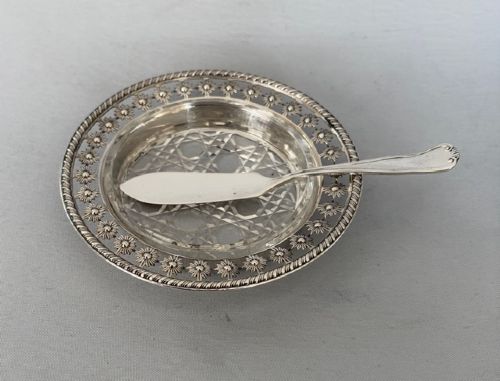
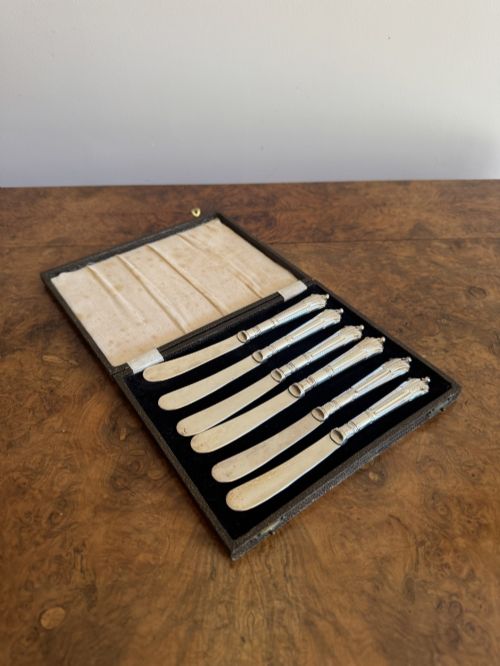
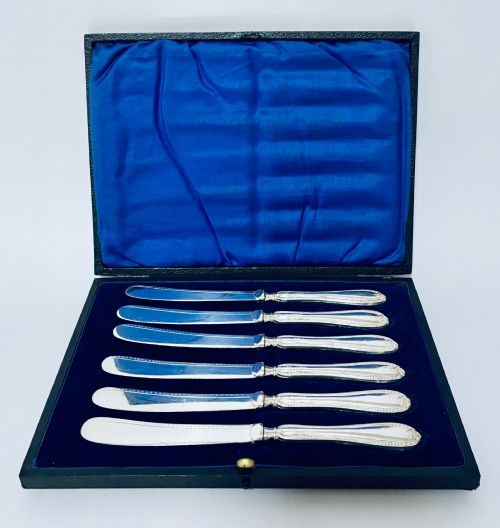
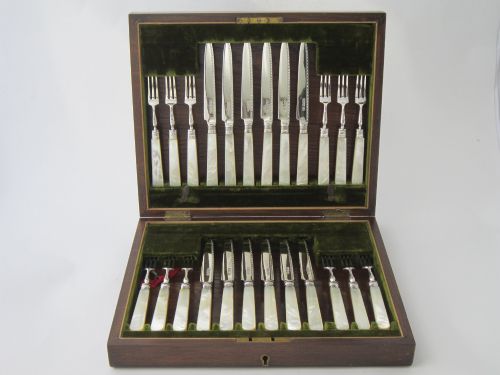
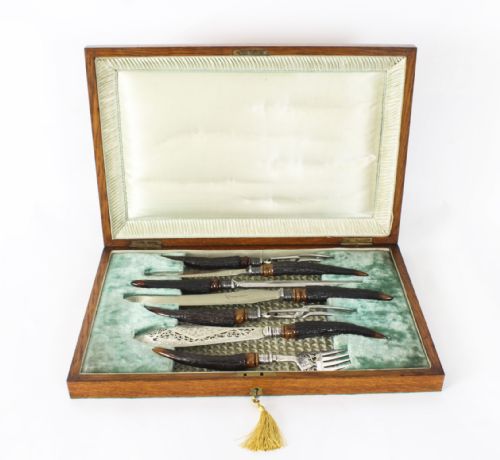
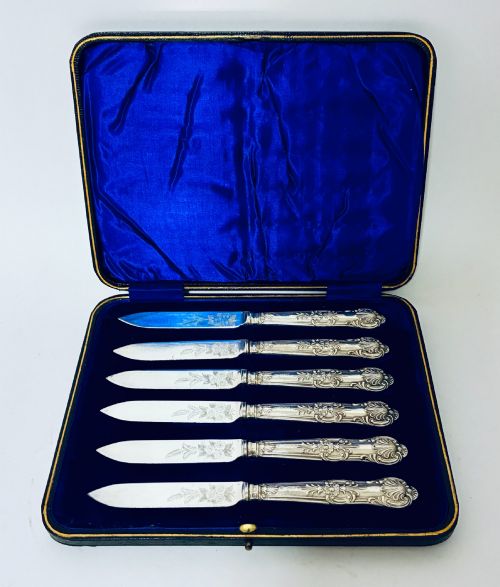
When searching for an edwardian silver knife, collectors encounter a diverse array of tablewares and desk accessories originating predominantly from the early twentieth century. The selection ranges from standalone fruit knives and butter spreaders to cased sets for dessert, fish, and wedding cakes.
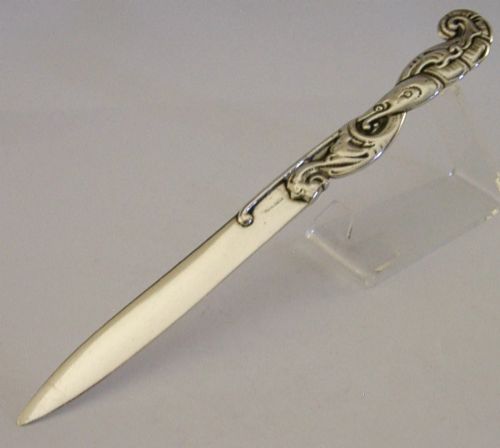
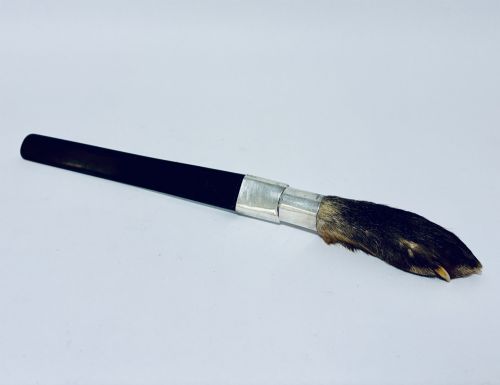
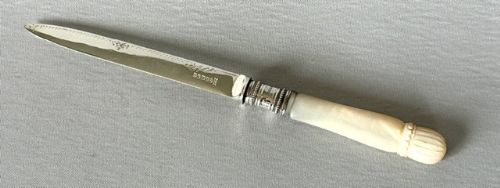
Beyond standard cutlery, the category encompasses related forms designed for the desk and writing table, including letter openers, paper knives, and page turners. Many pieces incorporate specialised elements such as folding mechanisms, combination tools, or accompanying glass butter dishes.
How they were made
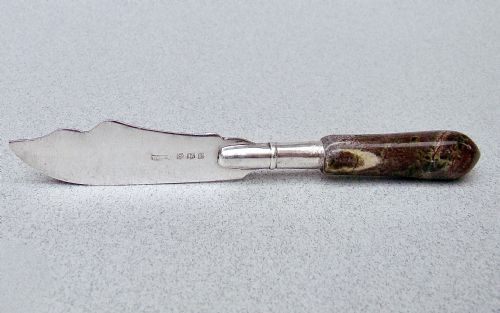
Makers combined sterling silver or silver plate with organic materials like mother-of-pearl, tortoiseshell, antler horn, and agate to construct handles and blades. Wood, ebonised elements, velvet, and silk frequently appear in fitted presentation cases and backing materials.
Blades and mounts often display hallmarks indicating assay offices in cities such as London, Birmingham, Sheffield, and Chester. Techniques included piercing, engraving, and mounting silver onto contrasting substrates for decorative desk and dining implements.
Edwardian Silver Knife Retail Price Guide 2026
Typical asking prices for edwardian silver knife among the pieces listed under this phrase on Sellingantiques today, from the lower quarter to the upper quarter. They describe what is for sale here now, not the wider market.
Listings feature sterling silver, silver plate, mother-of-pearl, tortoiseshell, and steel across periods from the nineteenth century through the Edwardian era and George V.
What varies in quality
The distinction between standard examples and superior pieces rests on the intricacy of the metalwork and the integration of specialised decoration, such as enamel work, hand-piercing, or novelty figural elements. Heavy gauge silver and original fitted presentation cases elevate a piece above simpler utilitarian counterparts.
The choice of handle material also influences the character of the object, with well-matched mother-of-pearl, intact tortoiseshell, or unusual stones like Connemara marble representing finer craftsmanship than plain wooden or basic plated alternatives.
The Goldsmiths & Silversmiths·Vale & John·William Graeme·Asprey & Co.·A. Barrett·Sampson Mordan & Co.·Edward Barnard & Son·Hilliard & Thomason
The Edwardian Silver Knife Glossary
- Hallmark
- Official marks stamped on precious metals indicating the assay office, standard of purity, and year of manufacture. These stamps provide a reliable method for dating British silver.
- Mother-of-pearl
- The iridescent internal layer of pearl oyster shells, frequently used for knife and fruit utensil handles. Its shimmering quality made it a favored material for Edwardian dining accessories.
- Page turner
- A desk accessory with a long blade used to separate the uncut pages of books or turn leaves smoothly. They were often mounted with silver handles and constructed from tortoiseshell or bone.
- Knife rest
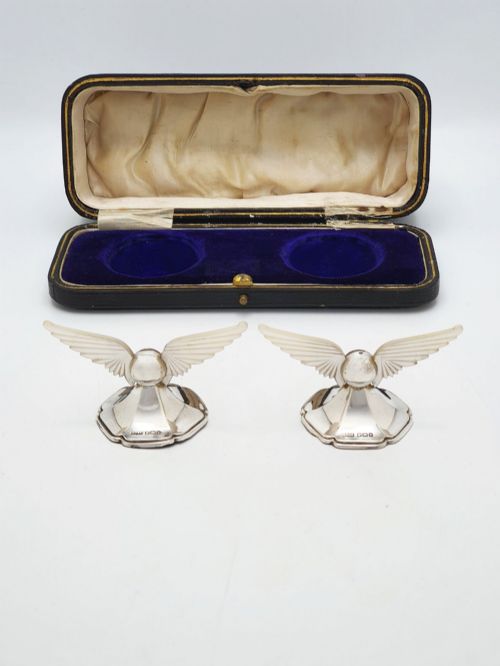
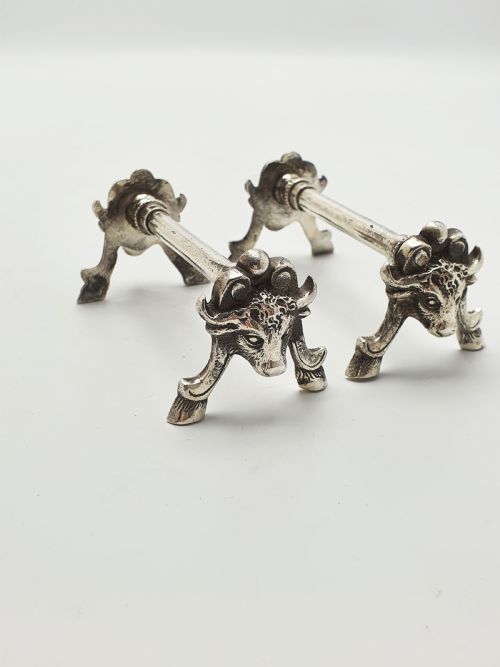
- A small support placed on the table to keep cutlery elevated between courses and protect table linens. Designs vary from simple silver bars to novelty animal forms in silver plate or cut glass.
Edwardian Silver Knife: Frequently Asked Questions
How are silver fruit knives different?
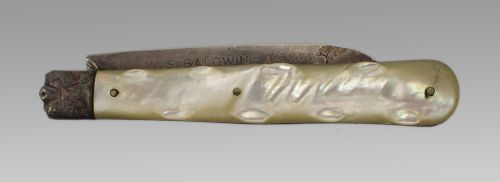
Silver fruit knives feature blades made of sterling silver rather than steel to prevent the citric acid from corroding the metal during use. They often include folding mechanisms or mother-of-pearl handles designed for personal dining.
These compact utensils were frequently carried in pockets or fitted cases alongside matching forks or specialised orange peelers.
Were these knives used daily?
Many items, such as butter knives and cake slices, served specific dining rituals and were brought out for tea or formal meals. Other pieces remained on writing desks as letter openers.
Cased sets were often given as wedding or christening gifts, meaning some pieces saw very little actual wear and retain their original presentation boxes.
How do I date an Edwardian piece?
Dating relies on reading the assay office marks and date letters stamped directly onto the silver components. Birmingham, Sheffield, and London offices utilised specific letter fonts for each year.
Stylistic indicators, such as Edwardian monograms or specific floral motifs, help narrow down the decade of manufacture when hallmarks are worn.
Can I use antique cutlery today?
Silver and mother-of-pearl utensils require gentle hand washing rather than dishwasher cleaning to preserve the delicate adhesives and soft materials. Acidic foods should be rinsed off promptly after use to protect the silver surface.
Using them for soft cheeses, butter, or fruit maintains their traditional function without causing undue stress to antique joints.