
Edwardian Sideboard
An edwardian sideboard brings sturdy proportions and subtle inlaid detail into a dining space, offering practical storage with distinct period character.
Edwardian Sideboard
When searching for an edwardian sideboard, you encounter low dining room storage pieces built around the turn of the twentieth century, alongside related side cabinets, dressers, and cupboards from the same era. These forms emerge from periods spanning the late nineteenth century into the early decades of the twentieth century, reflecting both Edwardian tastes and various revival styles.
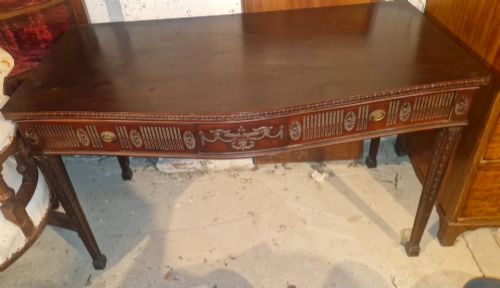
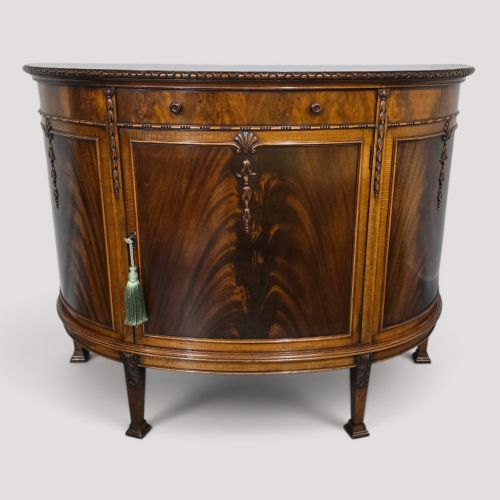
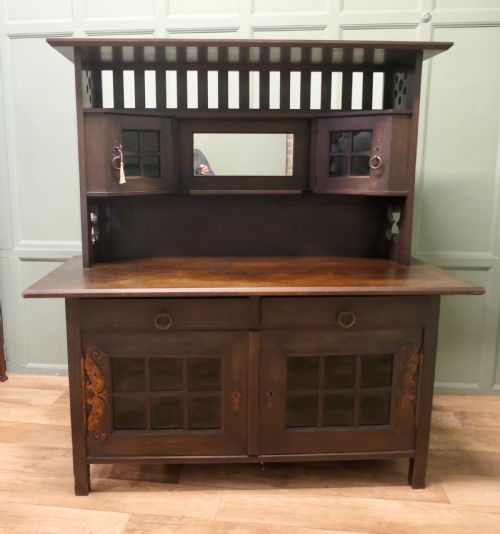
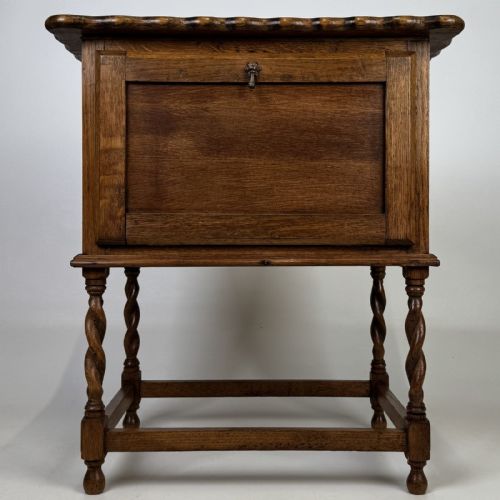
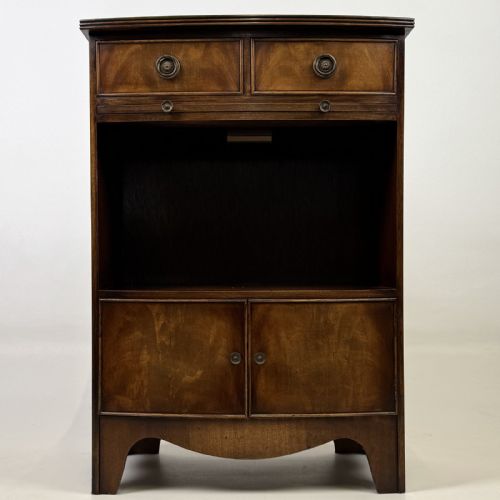
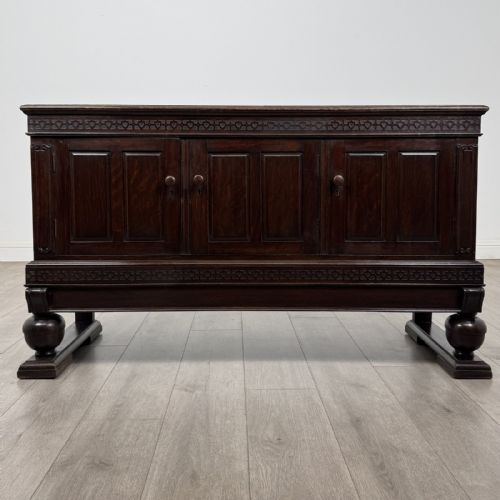
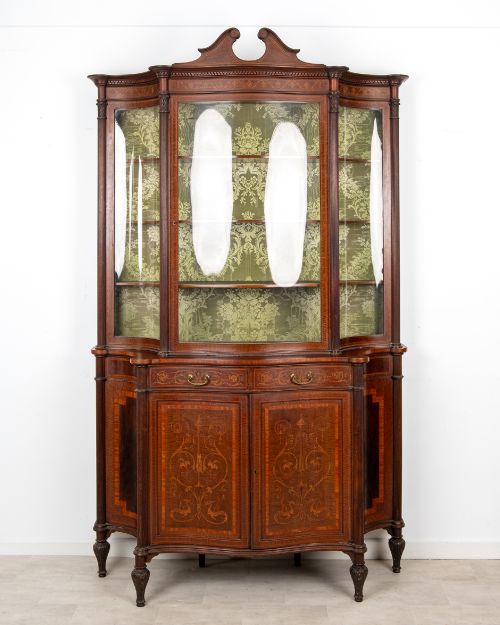
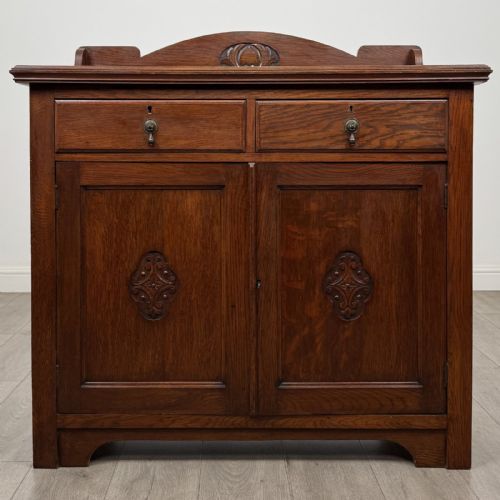
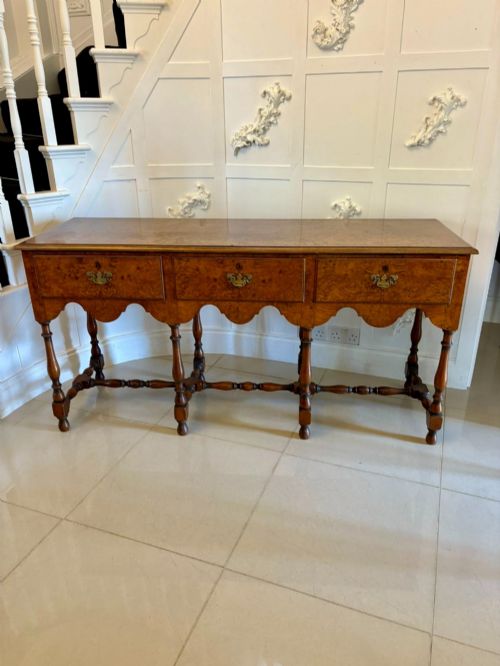
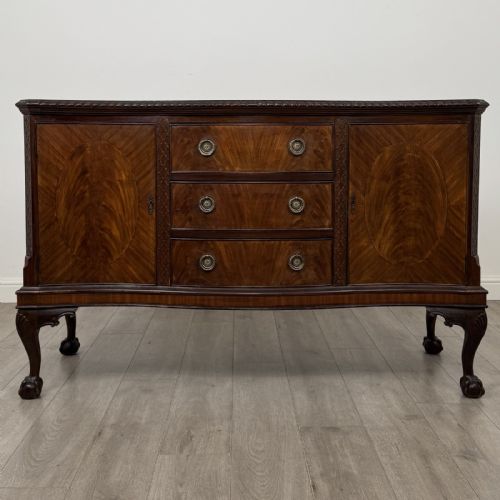
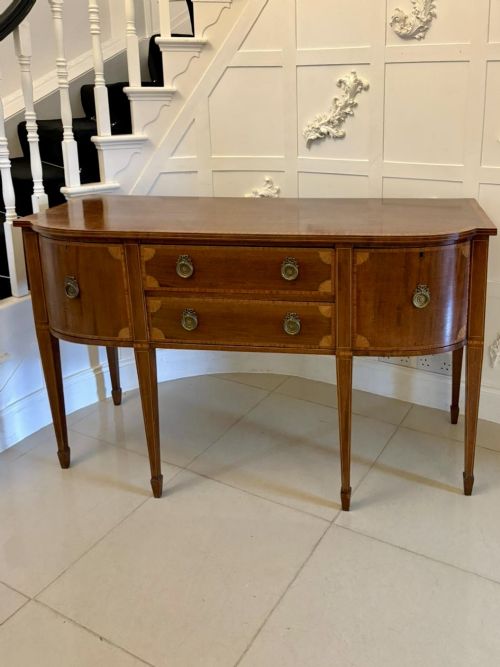
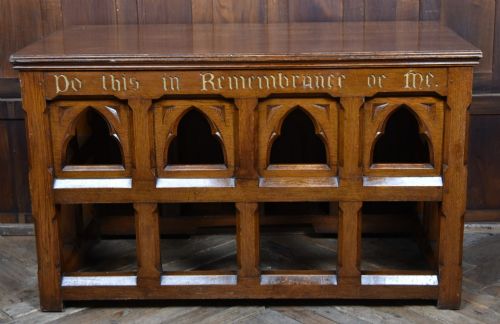
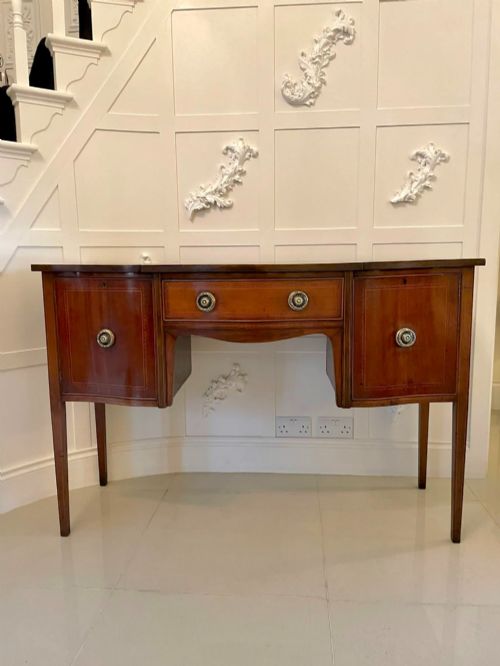
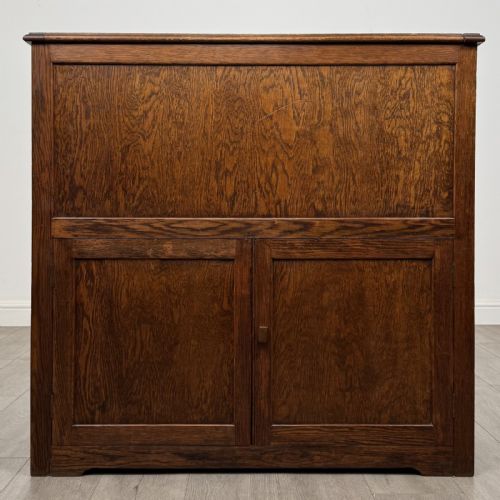
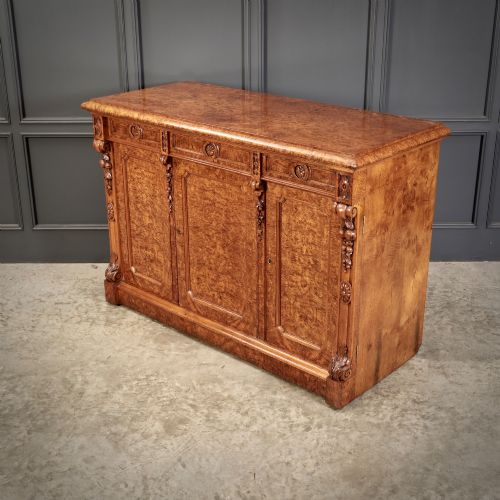
The version you meet most frequently on this page is constructed from mahogany, often enhanced with satinwood inlay or crossbanding, standing on tailored legs with variations like claw and ball feet or serpentine shapes. Alongside these polished mahogany formats, solid oak examples reflecting Arts and Crafts or Jacobean Revival influences appear regularly, alongside burr walnut pieces featuring cabriole legs.
Beyond standard sideboards, the selection encompasses related low cabinets, mirror back designs, and dresser bases intended for similar domestic utility in dining rooms and halls. Each piece balances functional surface areas and enclosed storage cupboards with the cabinet-making standards of its specific workshop origin.
Materials and Construction
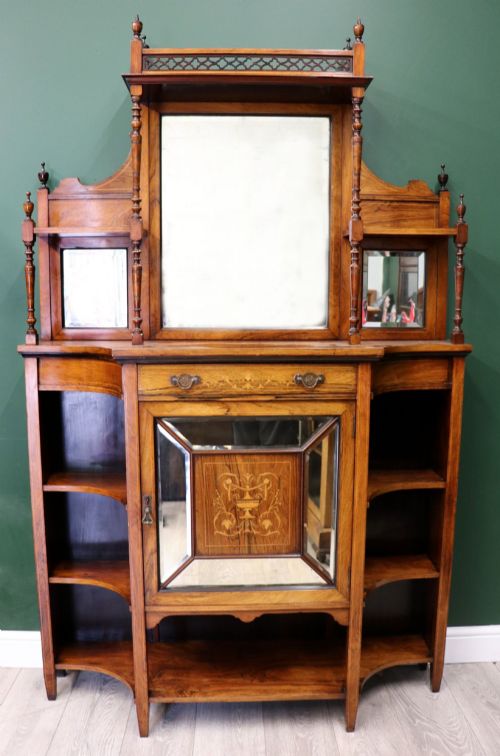
Makers built these pieces primarily using dense hardwoods like mahogany and oak, frequently selecting figured veneers such as burr walnut and satinwood to create decorative contrast on drawer fronts and doors. Inlaid stringing, marquetry, and crossbanding added geometric or floral detail to flat surfaces without disrupting the primary timber grain.
Structural joinery relied on traditional methods suited to heavy daily use, incorporating brass handles, hinges, and occasional ormolu mounts to secure doors and drawers. Turned elements, barley twist legs, raised galleries, and bracket feet were shaped by hand or lathe to support the main body of each cabinet.
Listings feature multiple periods, including Edwardian, Victorian, and the 19th Century alongside early 20th century examples.
What Varies in Quality
The standard of a piece depends on the depth of the timber selection and the precision of the cabinet work, particularly where secondary woods meet primary veneers on serpentine or bow-fronted carcases. Finer examples display carefully matched grain patterns across multiple doors and drawers, maintaining crisp lines in carved mouldings and inlaid motifs.
Hardware choice and interior fitting also divide standard utility items from superior workshops, with integrated pull-out slides, pigeon holes, and heavy brass or silver-plated furniture indicating higher original commissions. The execution of structural supports, from cabriole legs to claw and ball feet, dictates the overall stability and proportion of the design.
Leonard Wyburd for Liberty·Maple and Co·Shapland and Petter·Whytock and Reid·Hewetsons London
The Edwardian Sideboard Glossary
- Crossbanding
- A narrow strip of veneer laid around the border of a drawer front or table top with the grain running perpendicular to the centre panel. This technique frames the primary wood and provides a clean visual boundary.
- Serpentine
- A shaped furniture front featuring a concave centre flanked by two convex ends, or the reverse. This undulating curve requires precise woodworking to execute cleanly across doors and drawers.
- Marquetry
- The art of forming decorative patterns using thin veneers of various woods, shells, or metals applied to a wooden carcase. It transforms flat cabinet surfaces into pictorial or geometric designs.
- Barley Twist
- A carved wooden column or furniture leg resembling a spiral rope. This turning style is commonly found on oak furniture from revival periods.
- Satinwood
- A durable, yellowish timber prized for its lustrous sheen and smooth texture, frequently used for contrasting inlay work on dark mahogany furniture.
Edwardian Sideboard: Frequently Asked Questions
What is an Edwardian sideboard?
An Edwardian sideboard is a low dining room cabinet designed for storing tableware, linen, and cutlery, usually featuring cupboards, drawers, or a raised gallery.
These pieces reflect the domestic priorities of the early twentieth century, combining practical compartments with decorative wood veneers and revival styling.
How do I identify an Edwardian sideboard?
You can identify these pieces through their characteristic combination of Edwardian proportions, lighter timbers like satinwood inlay on mahogany, or solid oak construction.
They frequently display stylistic elements borrowed from earlier Georgian or Arts and Crafts traditions while maintaining turn-of-the-century manufacturing techniques.
Where were sideboards used?
Sideboards were placed primarily in dining rooms to serve food, display silver or ceramic items, and store serving dishes close at hand.
Their top surfaces functioned as serving stations during meals, while internal cupboards and drawers kept dining accessories organised.
How do I care for antique wood?
Care for antique wood by keeping pieces away from direct heat sources and sudden temperature fluctuations that can cause timber to split or veneers to lift.
Regular dusting with a dry, soft cloth and occasional application of appropriate wax helps preserve the natural finish and patina of the wood.