
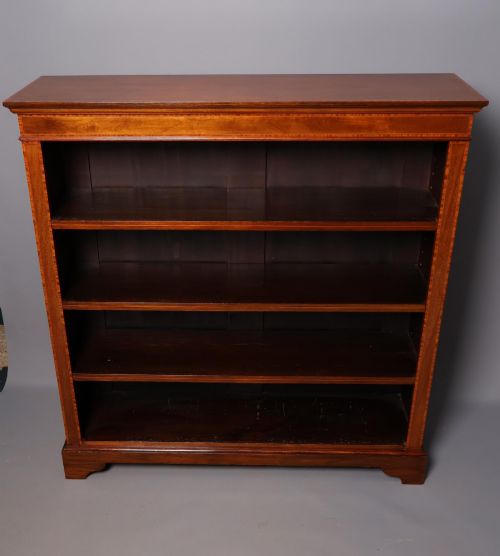
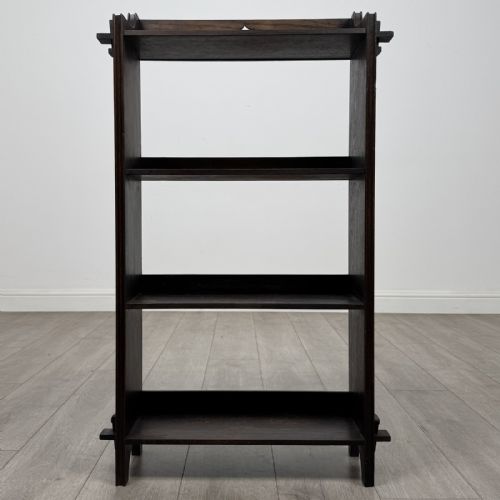
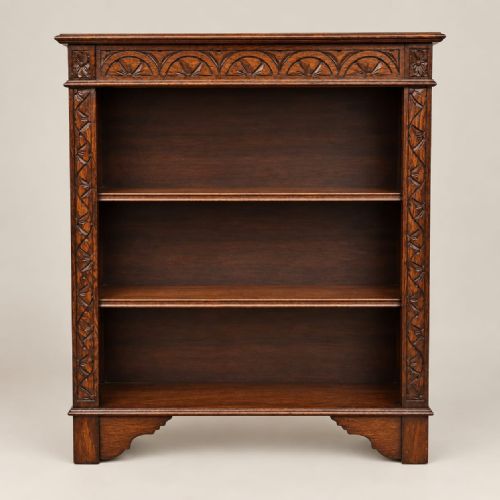
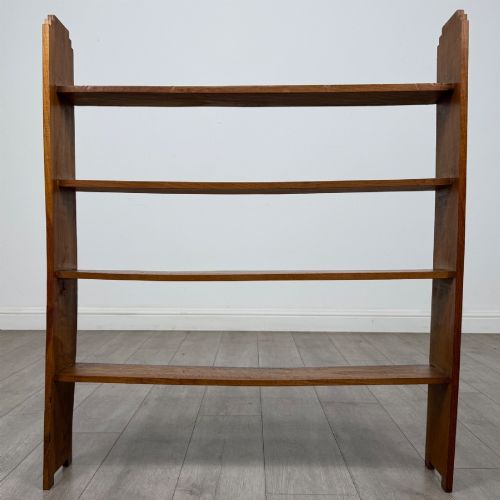
Edwardian Shelving Unit
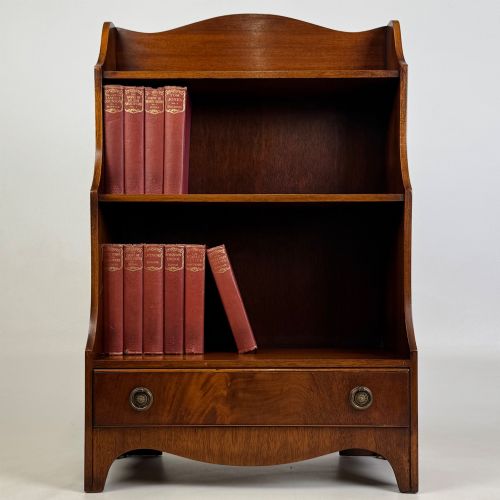
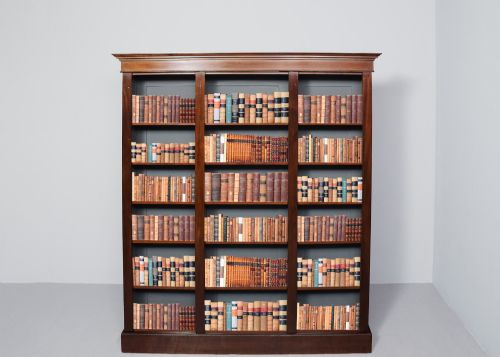
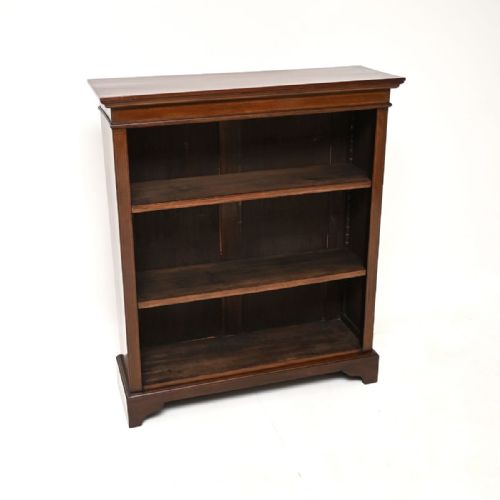
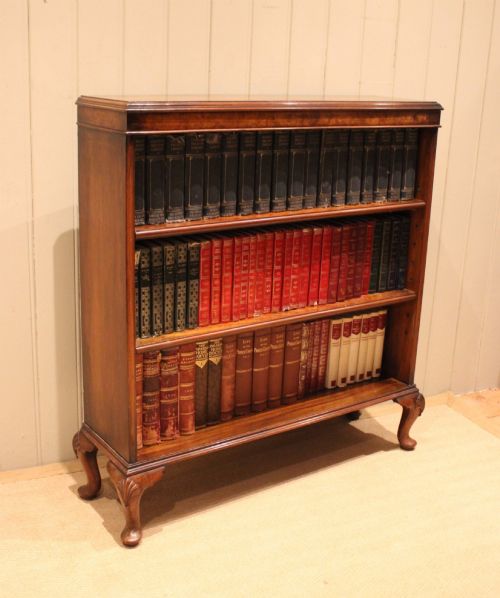
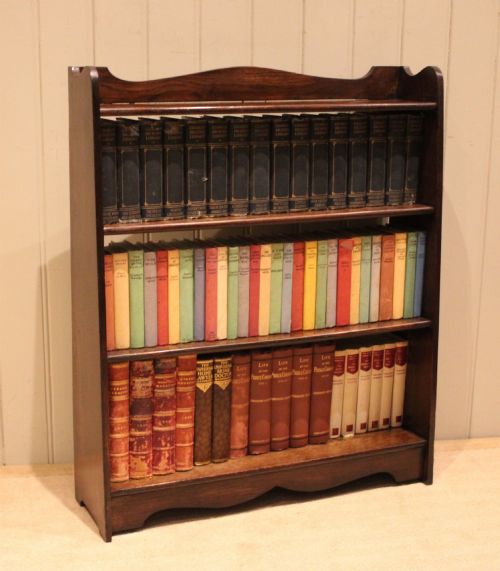
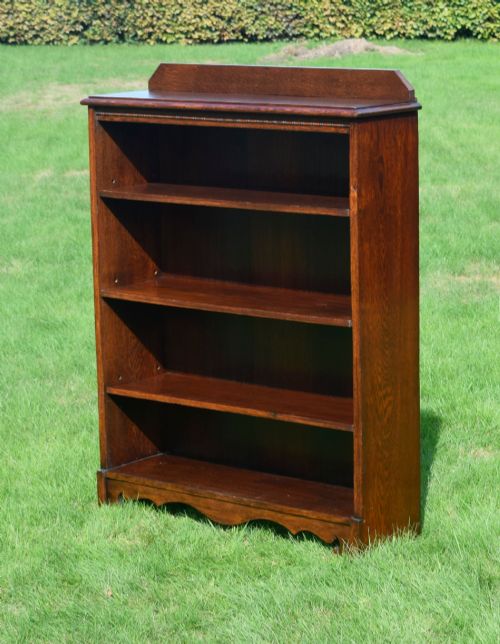
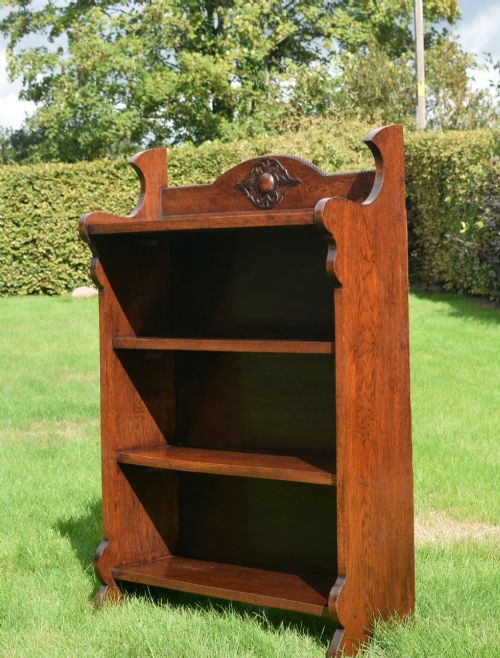
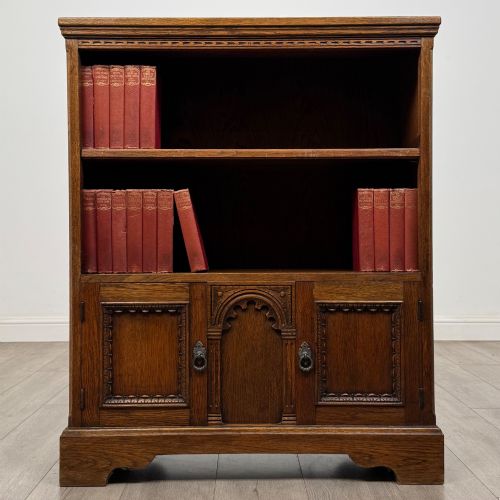
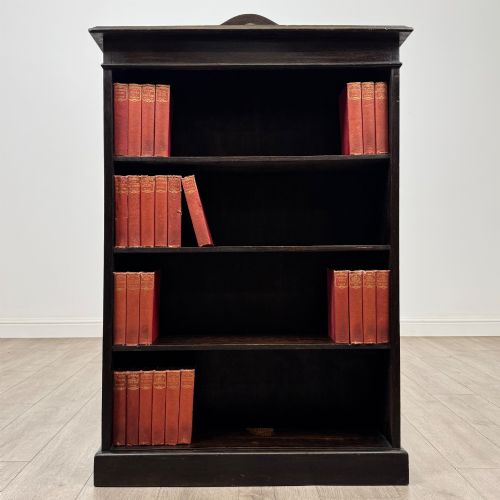
An edwardian shelving unit brings practical display space to a room, most commonly appearing here as an open oak or mahogany bookcase.
Edwardian Shelving Unit
When you search for an edwardian shelving unit, you find open bookcases, wall shelves, whatnots and etageres dating primarily from the early twentieth century alongside late nineteenth century Victorian examples.
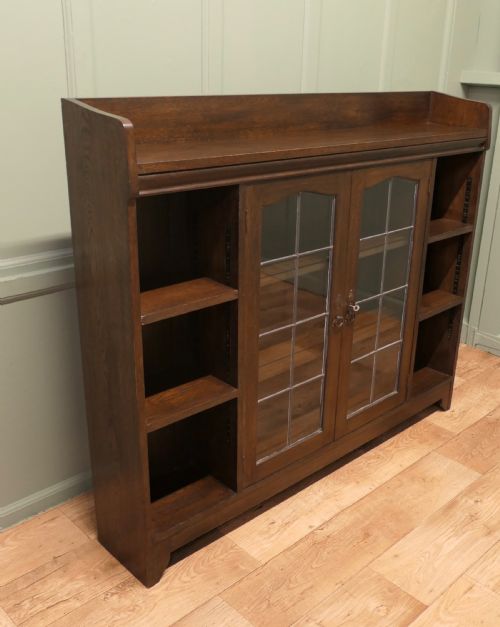
The pieces on this page lean heavily towards open oak bookcases and mahogany shelving, often incorporating adjustable shelves or small cupboards.
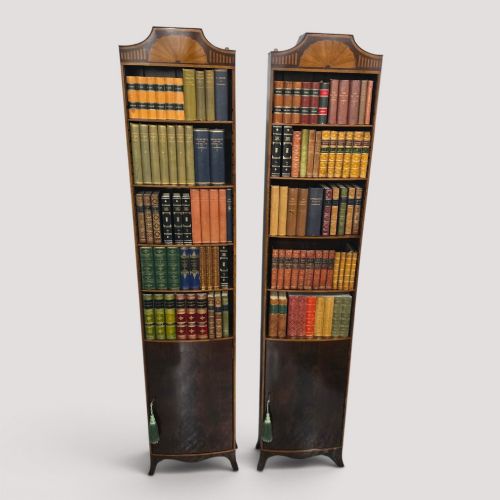
Makers and workshops of the period also produced pieces in walnut, burr walnut and rosewood, spanning styles from Arts and Crafts to Jacobean Revival and Queen Anne Revival.
How they were made
Cabinet makers utilised solid timbers and veneers such as oak, mahogany, walnut and satinwood, frequently building pieces with open backs or stepped tiers.
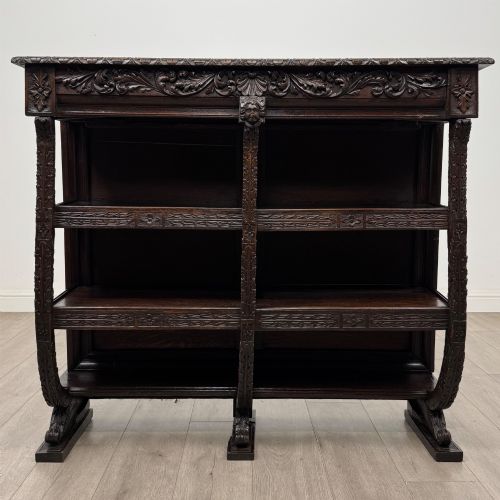
Detailing on these units relied on carved motifs, inlaid woodwork, beaded edges and brass hardware including castors.
Construction methods prioritised utility and display, resulting in sturdy freestanding bookcases and lighter etageres designed for regular domestic use.
A few clever pieces sit upon brass castors, ready to roll across the parlour floor at a moment's notice.
What varies in quality
The distinction between tiers of quality rests on the selection of timber, such as figured burr walnut versus plain oak, and the crispness of any carved or inlaid details.
Structural refinement also separates standard production from finer work, seen in adjustable shelving mechanisms, well-fitted joinery and the presence of original brass castors.
The Edwardian Shelving Unit Glossary
- Open bookcase
- A piece of furniture designed for book storage featuring unobstructed front access without glass or wooden doors. These units often utilise adjustable shelves to accommodate varying book heights.
- Waterfall bookcase
- A tiered shelving unit where each successive shelf steps back from the one below it, creating a descending profile. This form appeared in mahogany and walnut during the Victorian and Edwardian periods.
- Etagere
- A light stand with multiple open tiers for displaying small ornaments or books. Edwardian examples frequently incorporate brass elements and rosewood construction.
Edwardian Shelving Unit: Frequently Asked Questions
How do I use an edwardian shelving unit?
These units suit living rooms, studies or hallways for holding books, ceramics and decorative objects.
Open configurations allow for quick access and straightforward display of collections.
Are shelves usually adjustable?
Many open bookcases from this era feature adjustable shelves supported by pegs or track systems.
This adaptability accommodates volumes of different heights.
What woods were used?
Makers predominantly worked in oak and mahogany, alongside walnut, burr walnut and rosewood.
Some pieces also incorporate contrasting satinwood inlay or brass hardware.
How do I date these pieces?
Dating relies on stylistic clues, construction methods and timber choices spanning the late Victorian to early twentieth century periods.
Arts and Crafts models often display specific simplicity, while revival styles borrow earlier motifs.