
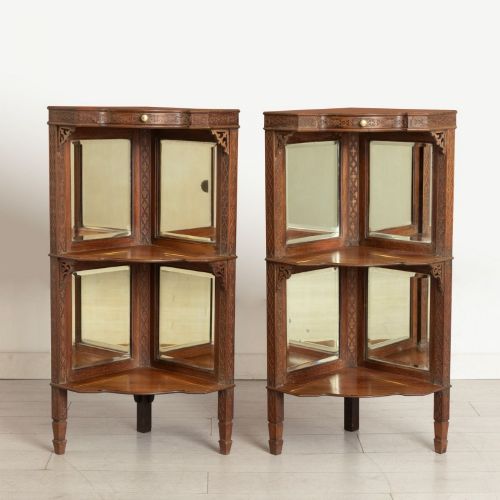
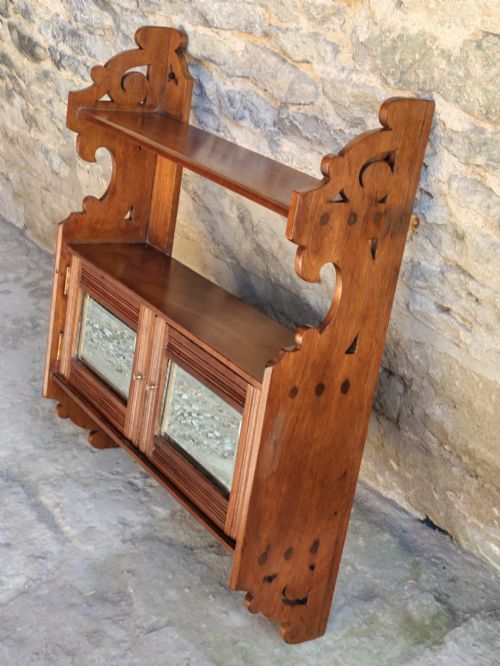


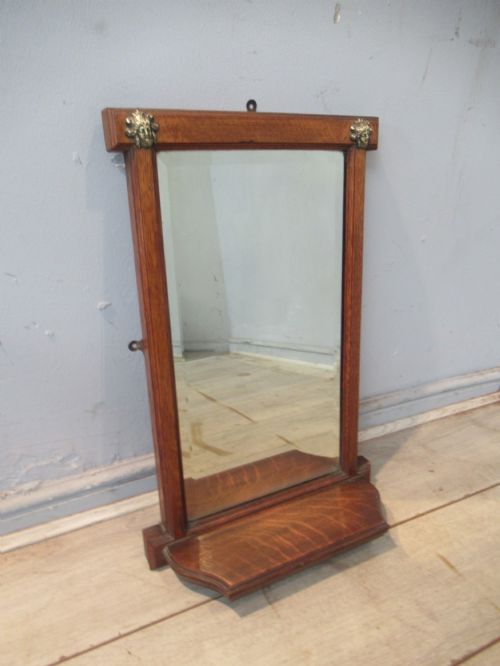


Edwardian Shelf Mirror
An edwardian shelf mirror combines a functional looking glass with handy ledges, bringing practical display space straight to the hallway or bedroom wall.
Edwardian Shelf Mirror
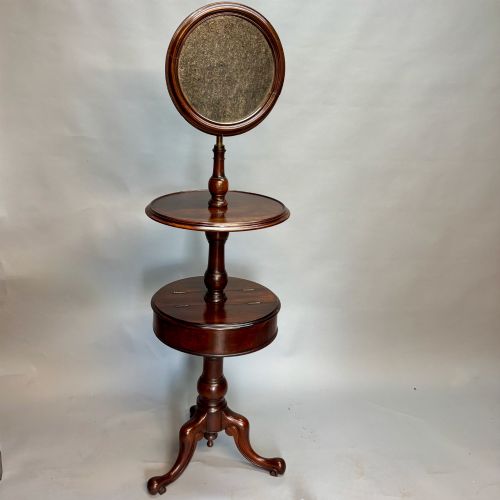
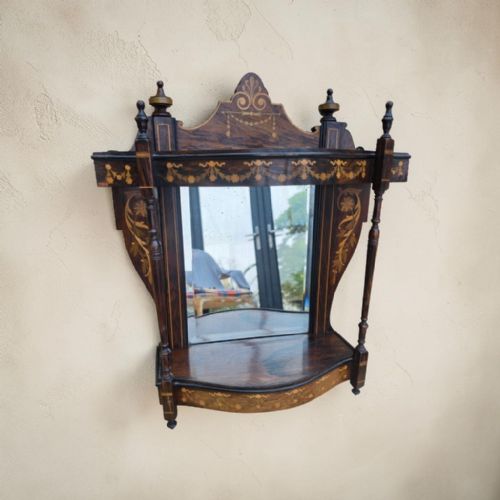
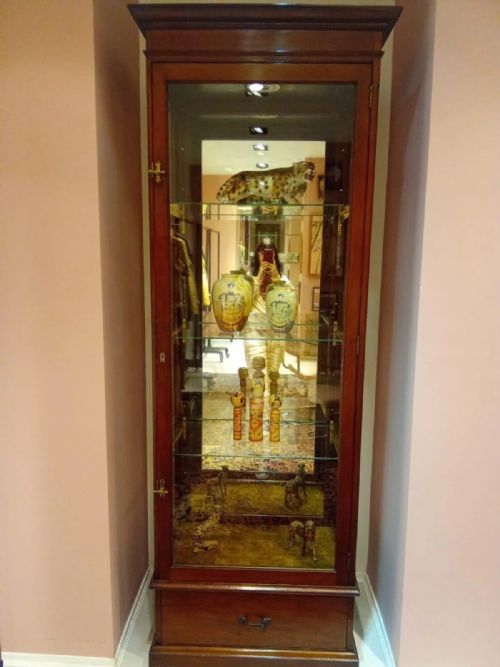
An edwardian shelf mirror hangs upon the wall, combining reflective glass with a small wooden ledge designed for daily essentials like letters or pocket watches. Most examples encountered here date from the Edwardian period itself, alongside related late Victorian pieces made around the turn of the century.
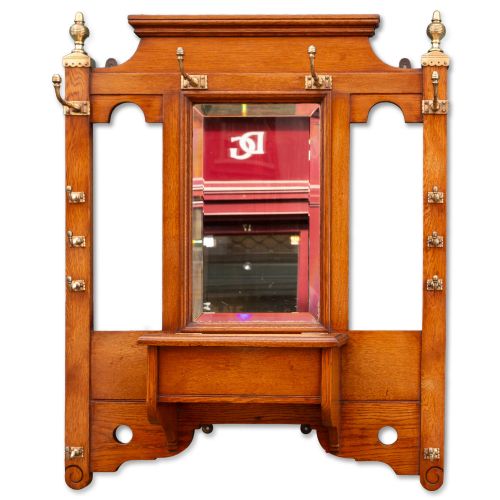
Makers constructed these wall-mounted pieces in varied timbers, frequently integrating coat hooks, key boxes, or lower brackets alongside the primary glass plate. The form serves compact domestic spaces, uniting the utility of a hallway mirror with the display capacity of a miniature bracket shelf.
How they were made
Craftsmen built these mirrors using solid hardwoods and selectedveneers, notably mahogany, oak, walnut, and rosewood. Timber frames often incorporated decorative marquetry inlay, delicate mouldings, or turned structural elements to catch the eye.
The mirror plates themselves were typically bevelled at the edges and secured into rebated frames behind wooden backing boards. Brass fittings provided sturdy hanging loops and, where applicable, paired with matching hooks or shelf supports.
Some Edwardian shelf mirrors double as last look stations complete with tiny key cupboards and clothes hooks for frantic morning departures.
What varies in quality
The choice of timber and the precision of the cabinetwork set the standard for each piece. Fine examples display crisp marquetry, tight joinery, and substantial frames rather than applied surface decoration.
The clarity and original state of the mirror plate also determine the tier of quality. Superior pieces retain clear, bevelled glass that integrates harmoniously with the proportions of the accompanying shelf.
Edwards & Roberts·Liberty & Co
The Edwardian Shelf Mirror Glossary
- Edwardian
- Relating to the reign of King Edward VII, spanning from nineteen hundred to nineteen ten. This era favoured lighter domestic furniture forms and refined inlay.
- Marquetry
- Decorative veneer work forming pictures or geometric patterns using various coloured woods. Craftsmen applied this technique to enhance the visual appeal of furniture frames and shelves.
- Bevel
- An angled edge cut along the perimeter of a mirror plate. This traditional detail catches the light and adds depth to the glass.
- Overmantel
- A large mirror or shelf structure designed to hang specifically above a fireplace mantelpiece. These grander pieces often share stylistic traits with smaller wall mirrors.
- Whatnot
- An open set of multiple shelves used for displaying ornaments. Smaller shelf mirrors borrow this multi-tiered display concept for compact wall mounting.
Edwardian Shelf Mirror: Frequently Asked Questions
Where should I hang a shelf mirror?
These pieces suit entrance halls, cloakrooms, or bedrooms where floor space is limited. They provide a final check before leaving the house while holding small daily items.
Ensure the wall fixings align securely with the weight of the timber frame and any displayed objects placed upon the ledge.
How do I date an edwardian shelf mirror?
Look to the timber selection, construction methods, and decorative motifs such as marquetry or brass hardware. Pieces from this era generally exhibit lighter proportions than heavier Victorian predecessors.
Backing boards, screw types, and mirror bevelling also offer reliable clues regarding the exact period of manufacture.
Can these mirrors support heavy objects?
The integrated ledges are intended for light decorative items, letters, or small grooming accessories rather than heavy ceramics. Overloading the shelf risks straining the joint fixings attached to the frame.
Check the structural stability of the brackets beneath the shelf before placing any cherished items upon the wood.
What woods were used for these mirrors?
Cabinetmakers utilised popular Edwardian timbers including mahogany, oak, walnut, and rosewood. These woods were often polished to a warm sheen or highlighted with contrasting inlay.
Selection depended on the desired finish, ranging from the rich red tones of mahogany to the pronounced grain of oak.