





Edwardian Serving Stand
An edwardian serving stand brings practical hospitality to a room, offering a stable surface for drinks and dishes.
Edwardian Serving Stand
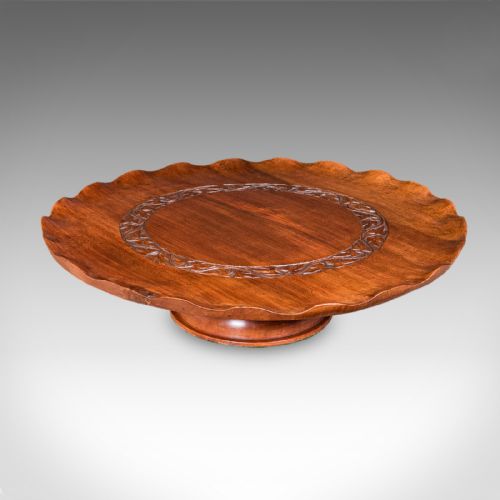
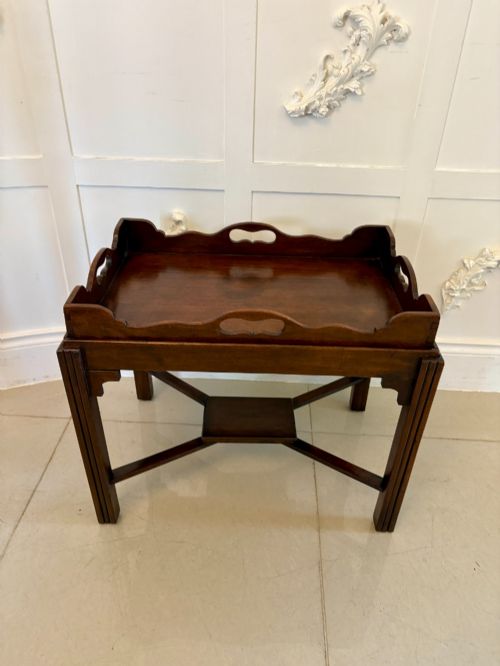
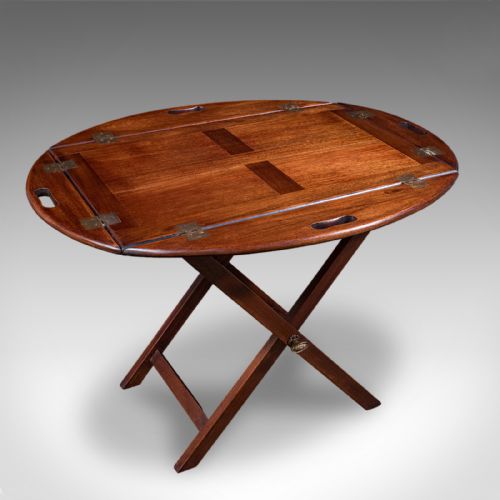
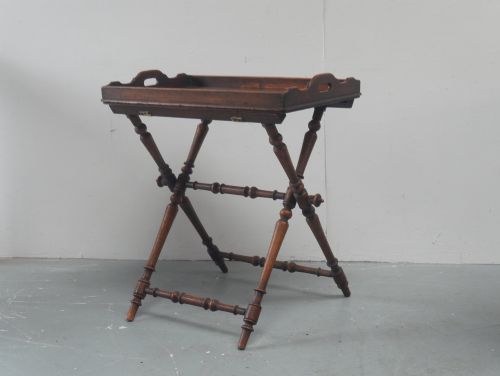
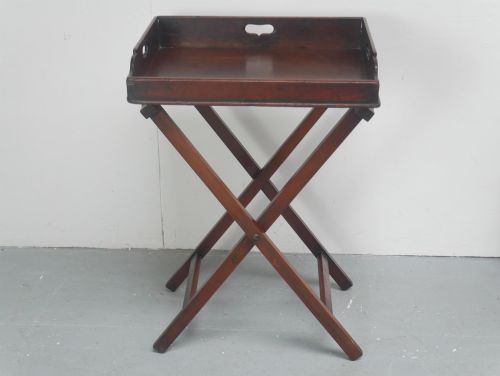
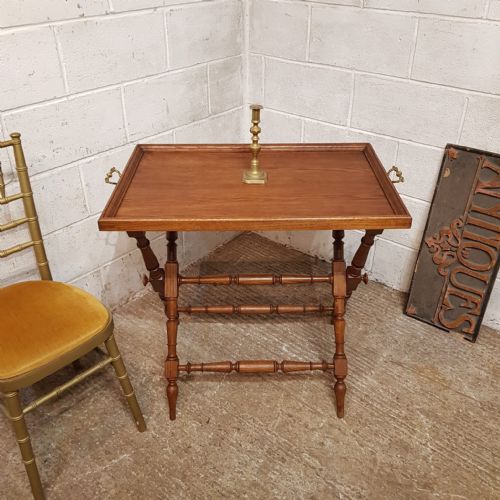
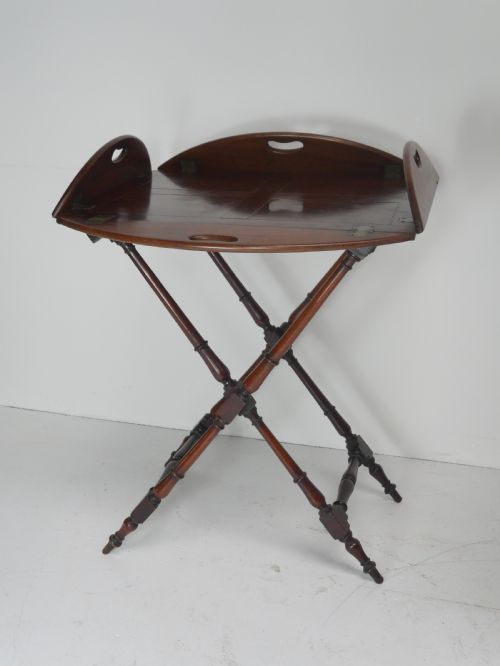
When you search for an edwardian serving stand, you encounter pieces designed to hold food, drink or tableware during social gatherings. These items take several structural forms, from folding butler trays on independent wooden supports to tiered dumb waiters and side tables with removable serving trays.
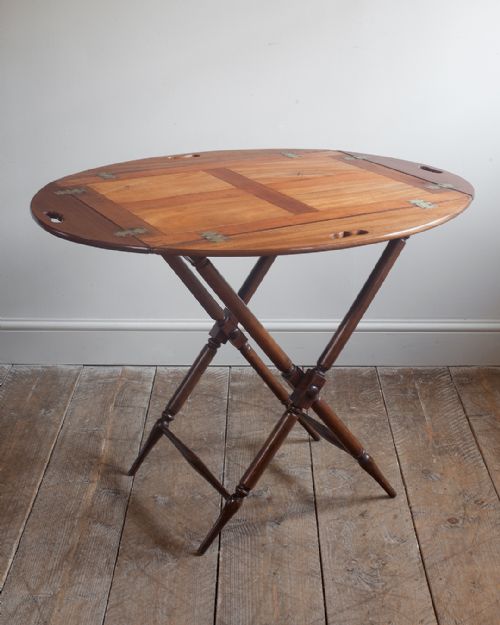
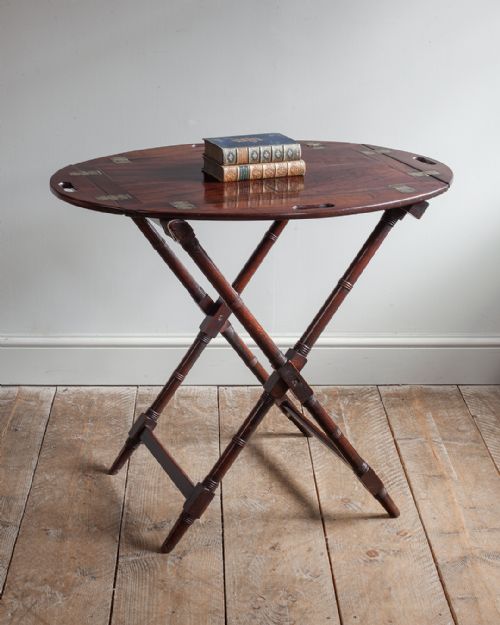
The versions most common on this page date from the Edwardian era and surrounding decades, executed in durable timbers like mahogany and oak. Many incorporate drop flaps or folding mechanisms that allowed servants to clear them away easily when the meal concluded.
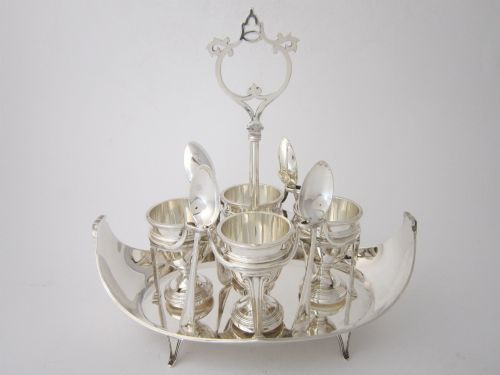
Makers of the period also produced variations featuring inlaid satinwood, brass handles and silver-plated fittings for formal dining rooms. Alongside these, simpler oak and walnut folding stands served everyday domestic needs in the country house and the suburban villa alike.
Materials and construction
Makers relied heavily on solid hardwoods such as mahogany, oak, walnut and rosewood to construct the frames and trays of an edwardian serving stand. These timbers offered the necessary strength to support heavy silver or ceramic dishes without warping over time.
Surface decoration often involved contrasting veneers like satinwood, marquetry inlay, or ebonising paired with gilt brass accents. Folding stands utilised sturdy hinged joints and cross-framing to ensure stability when assembled for use.
Edwardian Serving Stand Retail Price Guide 2026
Typical asking prices for edwardian serving stand among the pieces listed under this phrase on Sellingantiques today, from the lower quarter to the upper quarter. They describe what is for sale here now, not the wider market.
Listings feature mahogany, oak, walnut, rosewood, and satinwood alongside silver-plated metalwork.
Assessing quality and finish
The distinction between ordinary and superior examples lies in the selection of timber and the crispness of the cabinetwork. Finer pieces display carefully matched grain patterns, precise marquetry, and original brass hardware that fits the joinery without modification.
Structural integrity also separates the better specimens, where folding mechanisms operate smoothly and snugly without excessive play in the legs. Originality of the paired tray and stand adds considerably to the integrity of the piece.
The Edwardian Serving Stand Glossary
- Butler tray
- A portable wooden tray with hinged or fixed sides, designed to be lifted off its folding support frame. It allowed servants to carry courses between the kitchen and the dining room.
- Dumb waiter
- A tiered freestanding piece of furniture used to hold dishes and glasses near a dining table without requiring a servant present. They often feature multiple rotating or stationary circular shelves.
- Etagere
- A set of open shelves for displaying small objects or serving items, supported by slender upright pillars. They frequently appear in lighter woods with decorative brass or gilt details.
- Drop flap
- A hinged section on the edge of a tray or table top that can be lowered or raised to alter the surface area. This mechanism saved space when storing the stand between uses.
Edwardian Serving Stand: Frequently Asked Questions
What is an edwardian serving stand used for?
These stands served primarily to hold beverages, afternoon tea, or dishes of food during social gatherings in the home. They provided a movable surface that could be positioned near guests and folded away when no longer needed.
In modern rooms, they function well as side tables for drinks or as display surfaces for decorative objects. Their versatile design allows them to adapt easily to contemporary living spaces.
How do I distinguish an Edwardian stand from a Victorian one?
Edwardian examples generally lean towards lighter framing, simpler lines, and brighter satinwood or mahogany veneers influenced by Sheraton revivals. Victorian pieces tend to be heavier in proportion, utilising darker walnut or dense oak with more robust turning.
Examining the construction methods and the colour of the timber helps reveal the prevailing taste of the decade in which the item was constructed.
Are the trays usually removable from the stands?
Many traditional butler tray versions feature a tray that lifts entirely free from its folding X-frame base. Other variations integrate the top permanently into the table structure or utilise a detachable glass serving tray.
Checking the fit between the tray and the supporting base indicates whether the two elements were manufactured as a matched pair.
How should I care for the wood finish?
Maintain the polished timber surfaces by dusting regularly with a dry cloth and applying occasional coats of quality beeswax. Avoid placing hot or wet items directly on antique wood to protect the vintage polish from marking.
Keeping the furniture away from direct heat sources and strong sunlight prevents the timbers from drying out and preserves the original patina.