


Edwardian Seed Pearl Drops
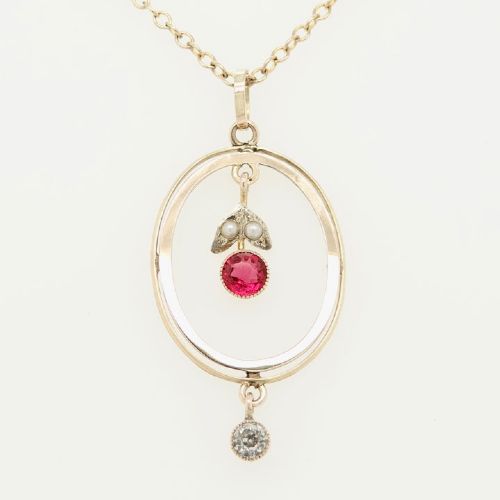
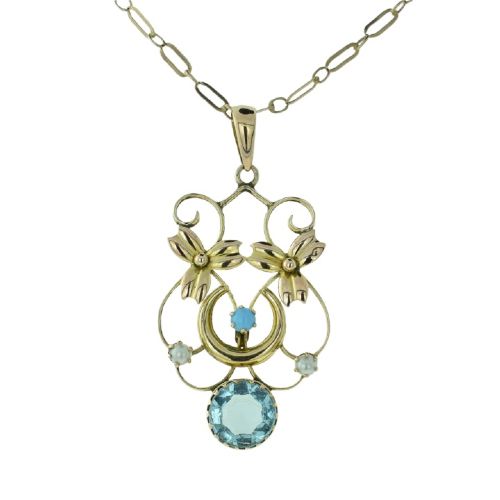
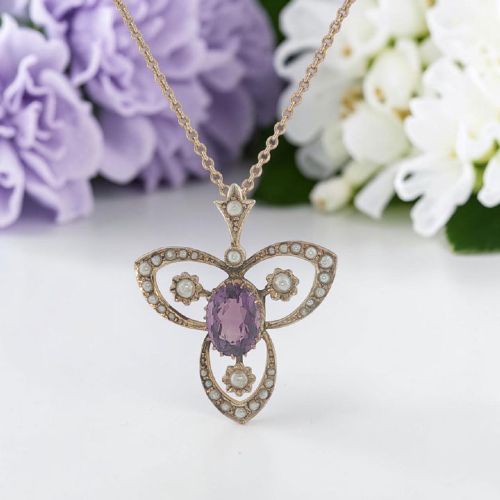
Edwardian seed pearl drops combine tiny saltwater pearls with coloured stones in delicate gold mountings designed to catch the light.
Edwardian Seed Pearl Drops
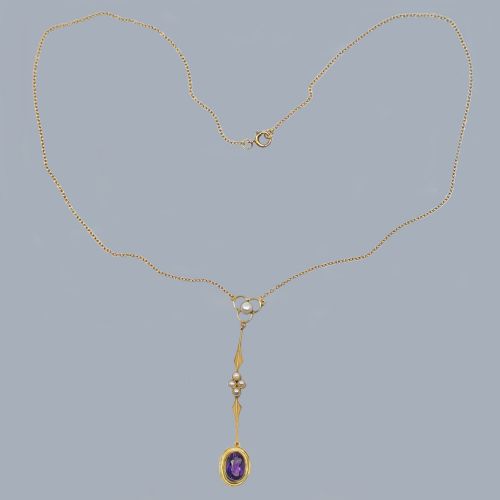
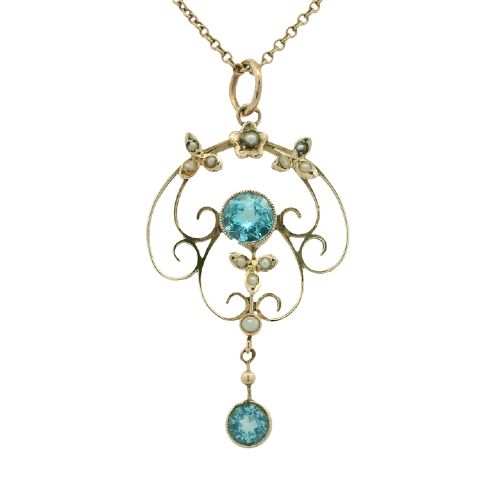
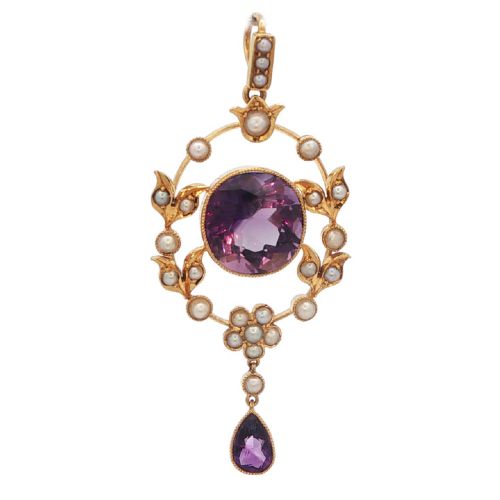
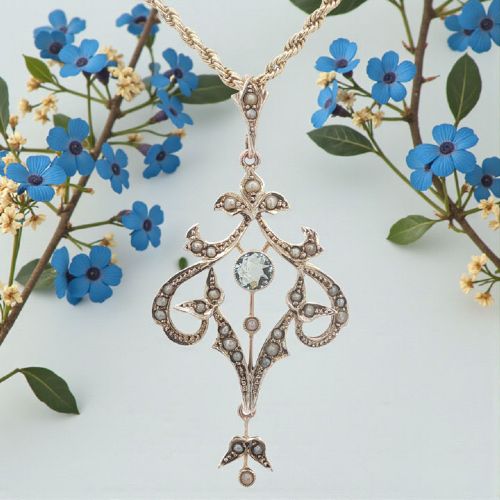
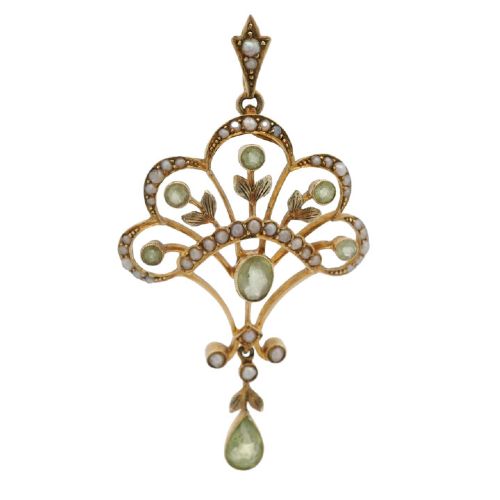
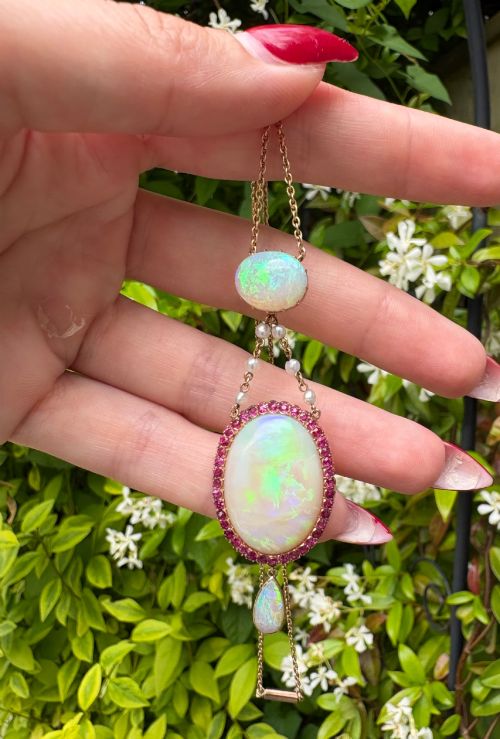
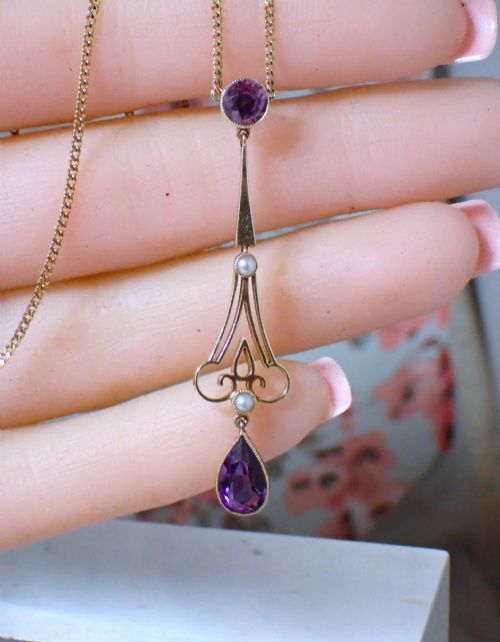
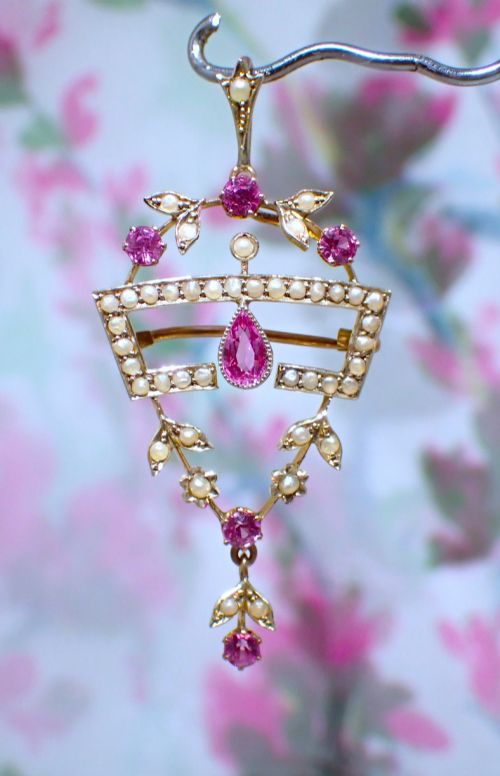
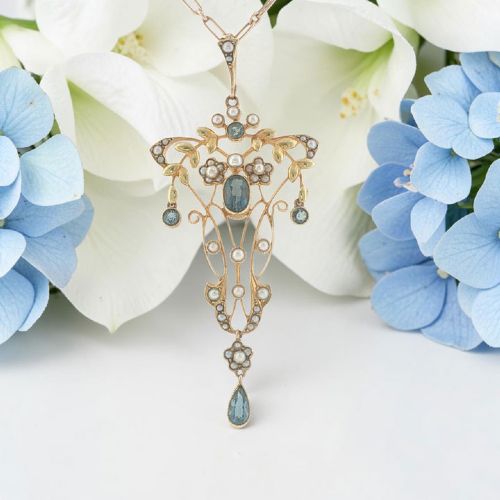
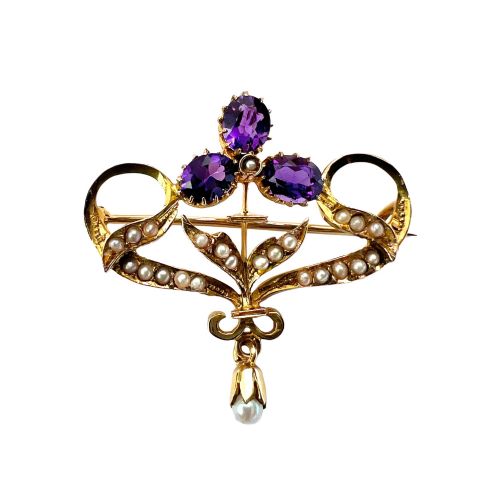
When searching for edwardian seed pearl drops, a buyer encounters pendants, necklaces, earrings, and brooches primarily originating from the Edwardian period, along with related Victorian and early twentieth-century examples. The version most commonly met on this page is a pendant or drop necklace featuring minute seed pearls clustered around a central gemstone.
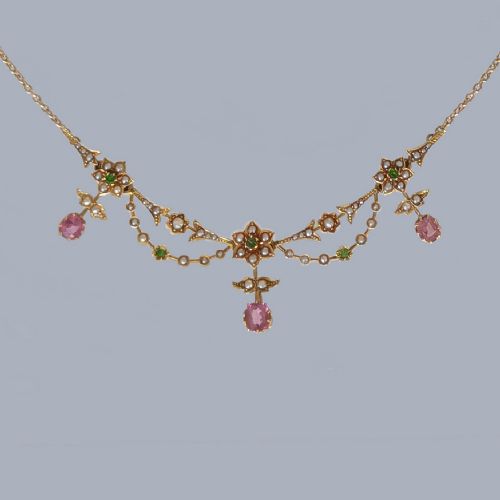
The jewellery often incorporates openwork frames, flowing vegetal lines, and detachable drop elements that swing from the main body. These pieces reflect the shift towards lighter, airier designs following the heavier ornamentation of the nineteenth century.
How they were made
Goldsmiths worked extensively in nine-carat and fifteen-carat gold, occasionally employing platinum or silver settings to highlight pale gemstones such as aquamarine, peridot, and amethyst. Tiny seed pearls were individually drilled and secured onto fine pins or wired directly into floral and foliate configurations.
Art Nouveau influences introduced curving whiplash lines and asymmetrical mounts that held swinging pearl drops below central stones. Master jewellers balanced structural rigidity with delicate wirework to allow maximum movement in the hanging elements.
Listings feature nine-carat gold, fifteen-carat gold, and eighteen-carat gold alongside platinum, set with amethyst, peridot, aquamarine, tourmaline, sapphire, and seed pearl.
What varies in quality
The distinction between ordinary and superior pieces rests on the uniformity and lustre of the seed pearls, alongside the depth of colour in the accompanying gemstones. Expert metalwork, characterised by clean piercing and secure claw or collet settings, separates standard commercial output from finer workshops.
Proportion and balance dictate the overall success of a drop design, where the weight of the central cluster matches the delicacy of the suspending chain or bail. Intact original components and minimal solder repairs elevate the standing of any survivor from this era.
S. Blanckensee & Son·Hamilton & Co
The Edwardian Seed Pearl Drops Glossary
- Seed pearl
- A very small natural saltwater pearl, typically under two grains, used in tight clusters or rows in fine jewellery. They provide a soft, creamy luminescence distinct from modern cultured spheres.
- Lavalier
- A pendant featuring a swinging drop suspended from a main motif or chain. This style gained immense popularity during the Edwardian era for its fluid movement.
- Collet
- A flat collar of metal that securely holds a gemstone in place by its girdle. It represents a traditional method of stone setting seen across antique gold work.
- Suffragette
- jewellery incorporating peridot, white sapphire or seed pearl, and pink tourmaline or amethyst to display the colours associated with the women's social and political union. These pieces combine specific gemstones intentionally to signal political allegiance.
Edwardian Seed Pearl Drops: Frequently Asked Questions
What is an edwardian seed pearl drop?
It is an item of jewellery featuring tiny natural saltwater pearls arranged alongside coloured gemstones in gold mountings typical of the early twentieth century.
These pieces frequently take the form of pendants, earrings, or brooches designed with hanging elements that move as the wearer walks.
How do I wear these antique drops?
Pendants and necklaces pair well with simple necklines that allow the delicate gold work and hanging seed pearls to remain the focal point.
Earrings and brooches suit formal or evening wear where their intricate detail and swinging drops can be fully appreciated.
Are these pearls natural?
The seed pearls found in pieces from this period are natural saltwater pearls harvested before cultured pearl farming became widespread in the nineteen-twenties.
Their organic origins account for minor natural variations in shape and lustre across each cluster.
How do I distinguish Edwardian from Victorian pieces?
Edwardian designs generally favour lighter mounts, platinum highlights, and pastel gemstones like aquamarine and peridot within airy, lace-like settings.
Victorian counterparts tend to utilise heavier gold weights, deeper coloured stones, and more solid structural foundations.