




Edwardian Secretaire Chest
An edwardian secretaire chest combines a writing desk and a chest of drawers, offering clever concealed storage that appeals to traditional room layouts.
Edwardian Secretaire Chest
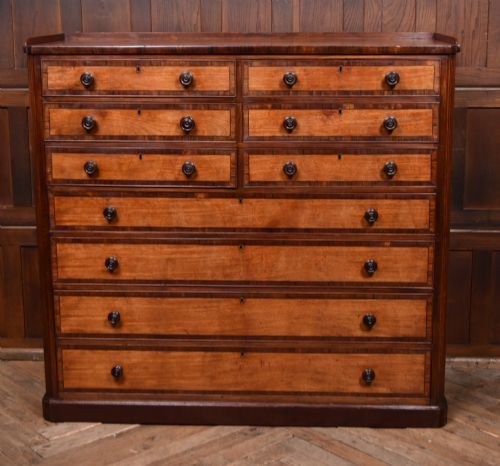
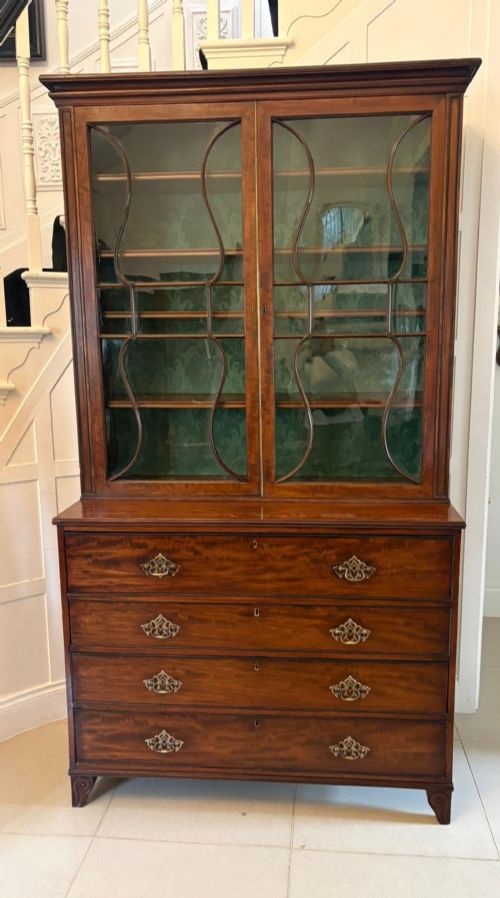
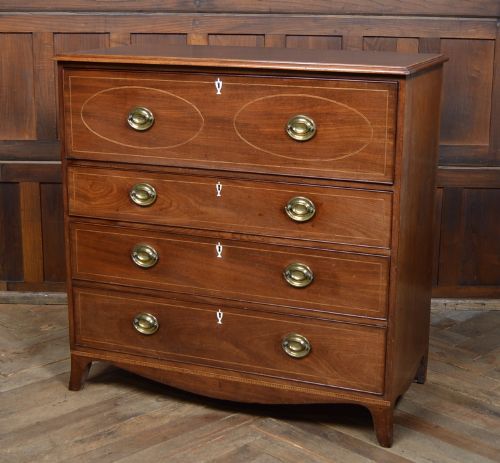
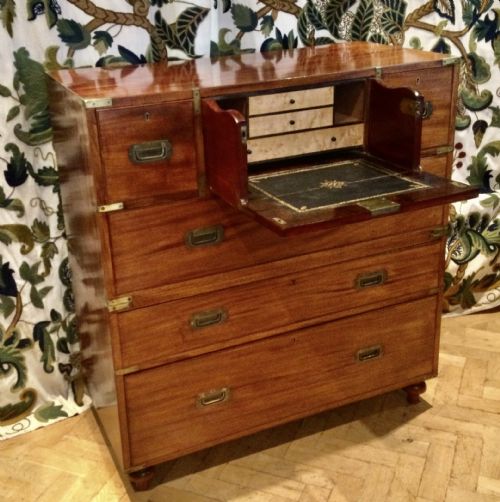
The edwardian secretaire chest serves as a dual-purpose item of furniture, housing both drawer storage and a drop-front writing surface. Buyers encounter various forms on this page, including campaign pieces and tall bookcases.
The selections span multiple periods from the eighteenth century onwards, featuring traditional forms like secretaire bookcases and campaign chests in mahogany, walnut, and teak.
How they were made
Cabinet makers utilised dense hardwoods such as mahogany and teak alongside decorative veneers like satinwood and walnut. Brass hardware frequently appears on campaign iterations for functional portability and reinforcement.
Interiors often incorporate specialised fitted compartments, baize writing surfaces, and glass panel doors to protect books and correspondence.
Edwardian Secretaire Chest Retail Price Guide 2026
Typical asking prices for edwardian secretaire chest among the pieces listed under this phrase on Sellingantiques today, from the lower quarter to the upper quarter. They describe what is for sale here now, not the wider market.
Concealed spring-loaded catches inside certain secretaire drawers demand a secret handshake of sorts just to find the hidden pen tray.
What varies in quality
The distinction between standard examples and finer pieces lies in the choice of timber figure, such as highly figured mahogany or intricate satinwood inlay. The complexity of the internal writing compartment and the retention of original glass or brass elements also set superior pieces apart.
The Edwardian Secretaire Chest Glossary
- Secretaire chest
- A piece of furniture resembling a standard chest of drawers that conceals a pull-down desk drawer with internal pigeonholes and small drawers.
- Campaign
- Portable furniture built in sections with recessed brass fittings, designed for military officers on the move during the nineteenth century.
- Satinwood
- A yellowish-brown timber with a lustrous sheen, often utilised for fine stringing and decorative veneers during the eighteenth and nineteenth centuries.
- Baize
- A coarse woolen material resembling felt, traditionally laid inside writing compartments and pull-out desks to provide a smooth writing surface.
Edwardian Secretaire Chest: Frequently Asked Questions
What is an edwardian secretaire chest?
An edwardian secretaire chest is a dual-purpose furniture piece that merges standard drawer storage with a drop-front desk compartment. It provides a concealed writing surface complete with internal pigeonholes.
These pieces function well in studies, bedrooms, and living spaces where space efficiency matters. The fold-down front allows the item to serve as a compact desk when needed.
How do campaign secretaire chests differ?
Campaign secretaire chests are constructed in modular sections to facilitate transport during military campaigns. They typically feature flush brass handles and reinforced corners.
These utilitarian pieces prioritize durability and portability while maintaining the internal writing drawers characteristic of standard secretaire chests.
What woods were used for these chests?
Cabinet makers constructed these pieces using dense timbers such as mahogany, walnut, and teak. Decorative accents often include satinwood veneers and contrasting inlay work.
Internal fittings frequently showcase lighter secondary woods alongside baize-lined writing surfaces and occasional glass doors for bookcase sections.
How do you style a secretaire chest?
A secretaire chest fits naturally into traditional libraries, studies, or living rooms as a focal storage piece. The drop-front can remain closed to display the timber grain or opened for active desk use.
Placing corresponding period seating nearby enhances the traditional aesthetic while keeping the writing surface accessible for daily correspondence.