


Edwardian Seating Furniture
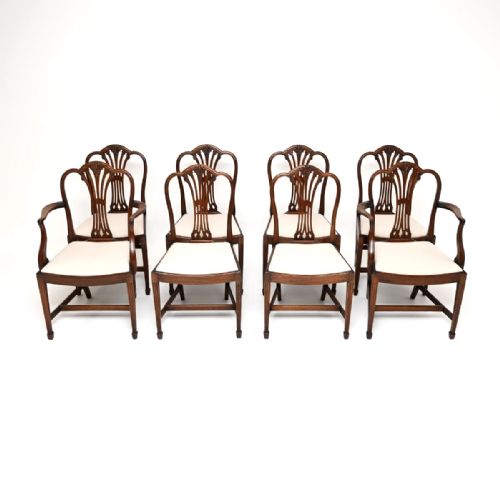
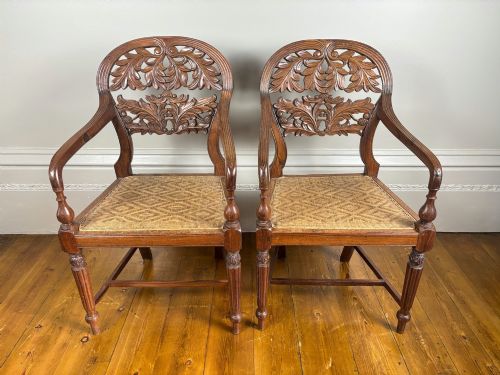
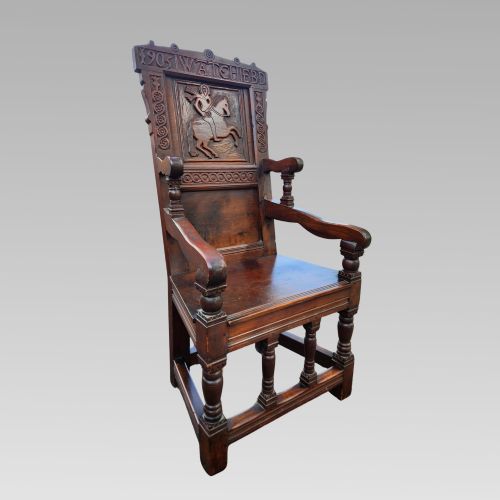
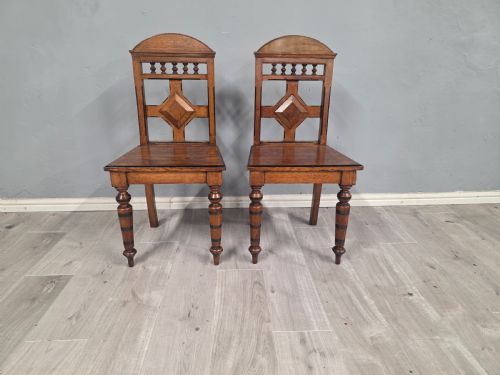
These pieces of edwardian seating furniture bring together solid timber frames and upholstered or woven seats, offering practical comfort alongside period character.
Edwardian Seating Furniture
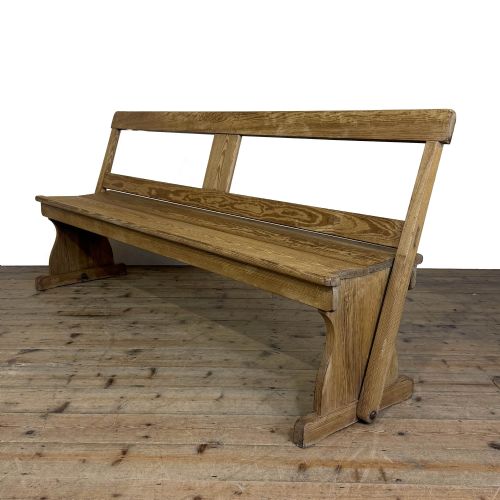
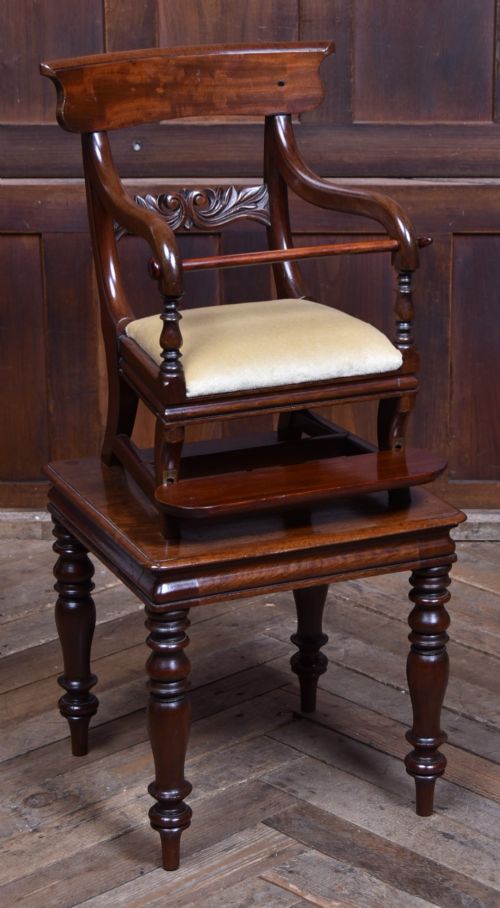
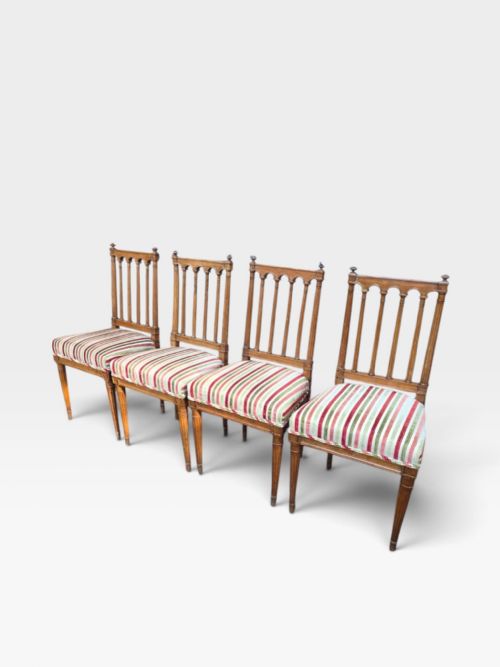
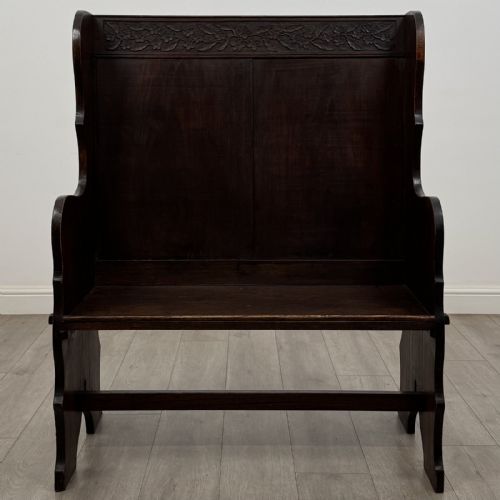
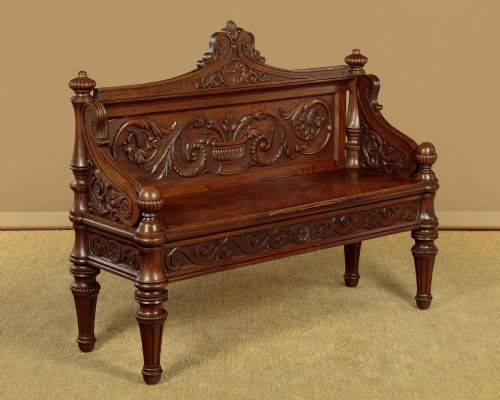
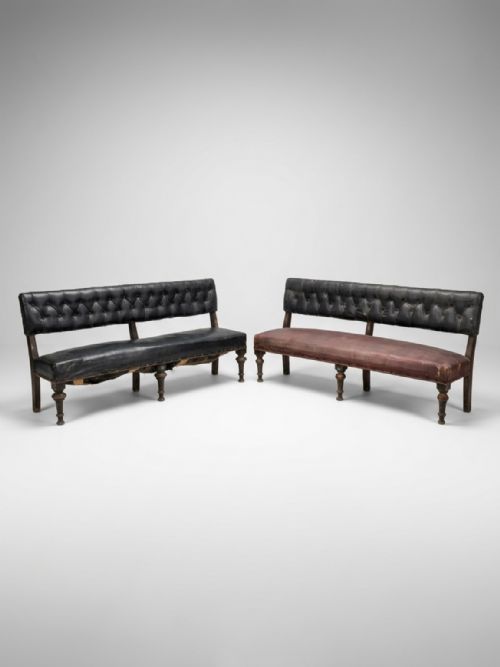
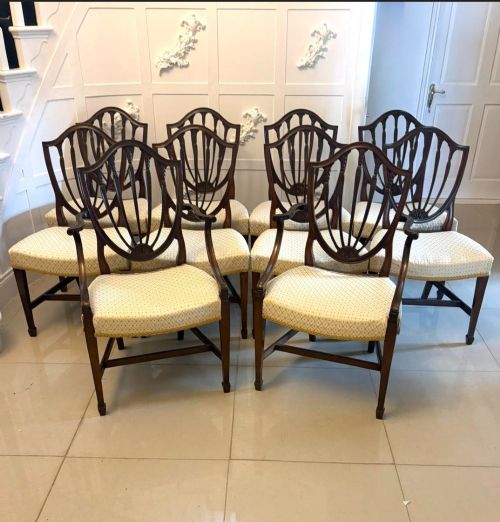
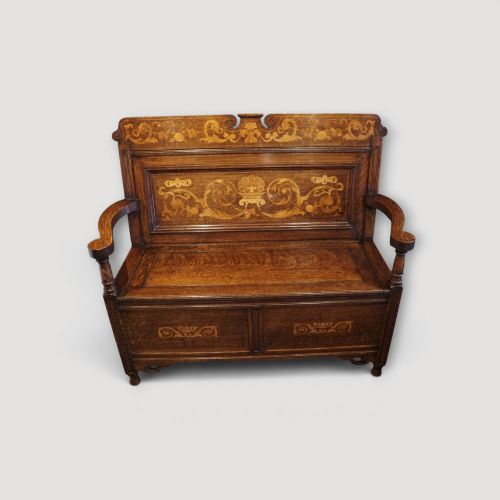
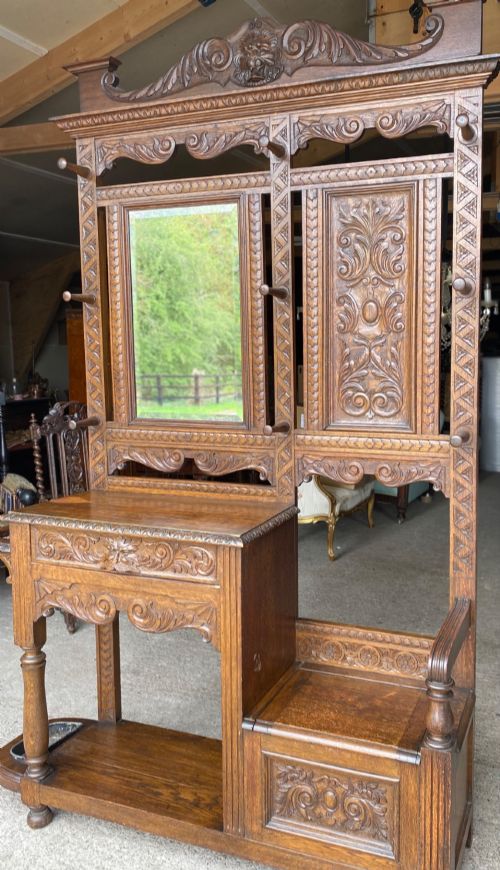
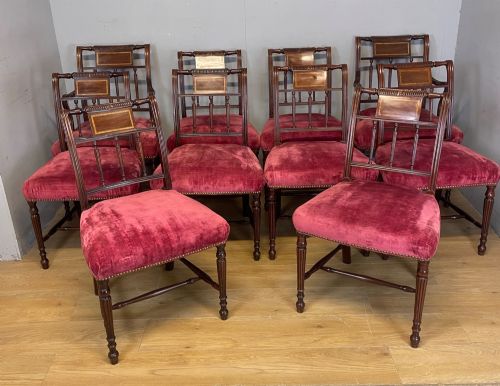
The most common forms seen on this page include sturdy oak and mahogany dining chairs, alongside hall benches and settles that incorporate integrated storage. Stylistic influences span from straightforward Edwardian designs to Arts and Crafts simplicity and revival movements.
Makers and workshops of the period utilised traditional forms while adapting them to changing interior tastes, producing both formal parlor seating and robust hallway furniture. Buyers often select these pieces to anchor a room with period authenticity and solid construction.
Materials and Construction
Makers relied heavily on native hardwoods such as oak, mahogany, and walnut to form the structural frames of chairs, benches, and settees. These timbers were frequently joined using mortise and tenon techniques, ensuring long-term durability under daily weight.
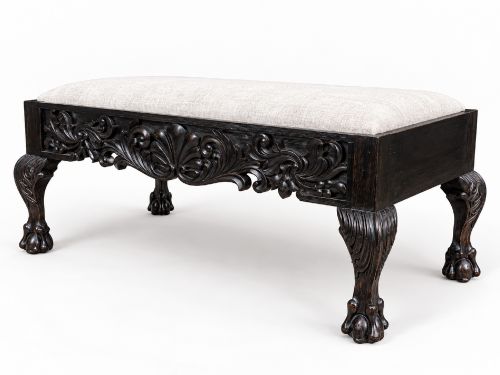
Seat construction often involved traditional upholstery over webbing or springs, whilst alternative models utilised woven rush or cane inserts. Decorative details such as carving, inlay, and ebonising were applied by hand to enhance the visual appeal of the timber.
Edwardian Seating Furniture Retail Price Guide 2026
Typical asking prices for edwardian seating furniture among the pieces listed under this phrase on Sellingantiques today, from the lower quarter to the upper quarter. They describe what is for sale here now, not the wider market.
Listings feature oak, mahogany, walnut, and beech timbers alongside cane, rush, and fabric upholstery.
Distinctions in Quality
The caliber of edwardian seating furniture rests upon the selection of timber and the precision of the joinery rather than mere ornamentation. Denser, well-seasoned woods maintain their structural integrity far better than softer alternatives over decades of use.
Execution of carved details and inlaid motifs separates standard commercial production from workshop pieces bearing maker labels. Superior examples display careful attention to proportional balance and structural reinforcement hidden beneath the upholstery or seat.
Maple and Co·Whytock and Reid·Liberty and Co·Morris and Co·Gillows·James Shoolbred and Co
The Edwardian Seating Furniture Glossary
- Settle
- A wooden bench featuring a high back to block draughts and often incorporating a hinged seat for storage. These items typically sat in hallways or kitchens.
- Rush
- Dried marsh grass twisted into cords and hand-woven to form durable, flexible seat pads. This material appears frequently on Arts and Crafts chairs.
- Cane
- Thin strips of peeled rattan woven in open mesh patterns to create lightweight, breathable panels for chair backs and seats. It requires careful tensioning during installation.
- Inlay
- The technique of fitting contrasting pieces of wood, metal, or shell into recessed portions of a timber surface to create decorative patterns. It defines many upscale Edwardian cabinets and chairs.
- Ebonising
- A chemical or pigment treatment applied to cheaper timbers like beech to imitate the dark, dense appearance of ebony. Victorian and Edwardian makers used this finish on aesthetic movement pieces.
Edwardian Seating Furniture: Frequently Asked Questions
What defines edwardian seating furniture?
These pieces originate from the early twentieth century, combining late Victorian solidity with lighter, more streamlined proportions. They utilise traditional timbers like oak and mahogany.
Design influences range from revival styles to the unadorned practicality of the Arts and Crafts movement.
How do I maintain rush seats?
Rush seats require gentle cleaning using a dry brush to remove dust from the woven strands. Avoid excessive moisture, which can cause the natural fibres to weaken and snap over time.
Applying a light, occasional coat of paste wax helps preserve the flexibility of the dried grass.
Where were hall benches placed?
Hall benches and settles stood in entranceways to provide a convenient spot for putting on or removing footwear. Many incorporate hidden compartments beneath the seat for storing hats and gloves.
Some designs also feature back panels fitted with hooks or mirror glass for outerwear and accessories.
How do I spot Arts and Crafts chairs?
Arts and Crafts chairs emphasise visible construction methods, such as pegged joints and straight-grained oak timbers. They eschew heavy surface decoration in favour of clean architectural lines.
Many examples feature high backs with vertical slats and woven rush pads.