



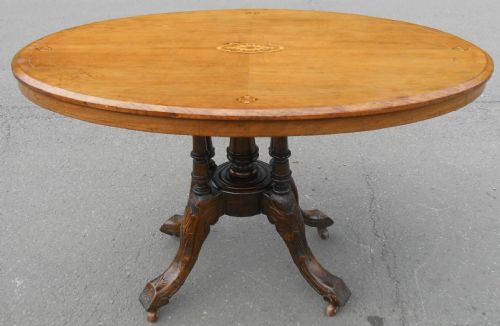


Edwardian Salon Furniture
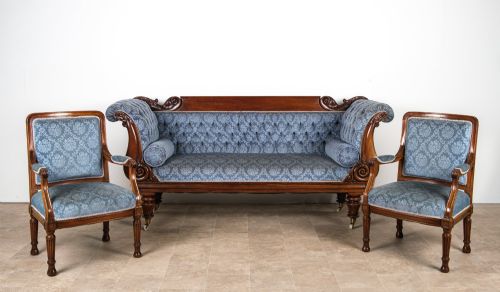
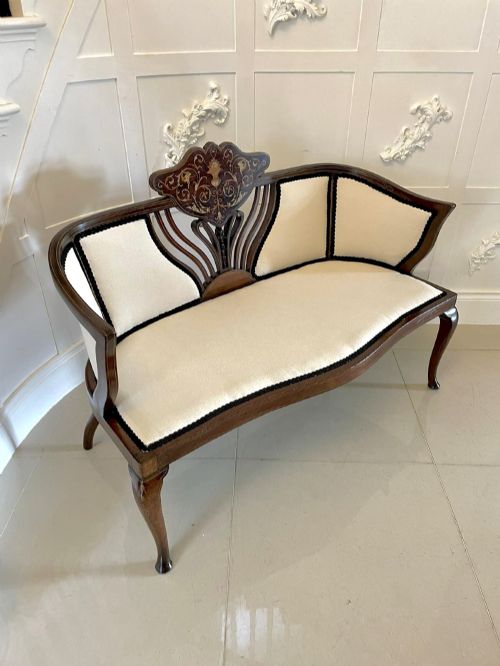
Edwardian salon furniture brings together light timbers, delicate inlay, and polished upholstery to form graceful seating arrangements for the drawing room.
Edwardian Salon Furniture
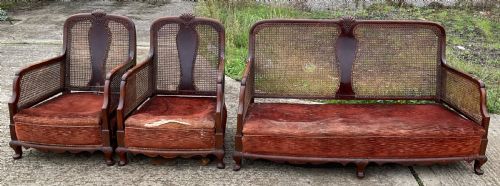
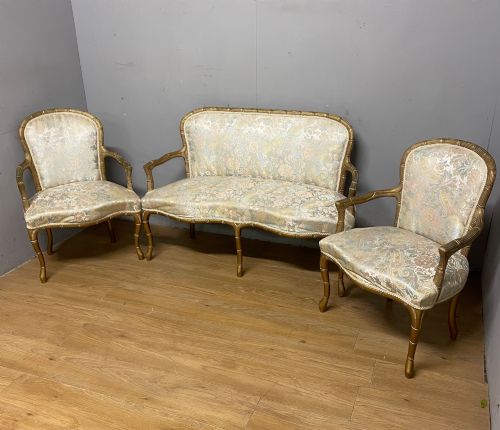
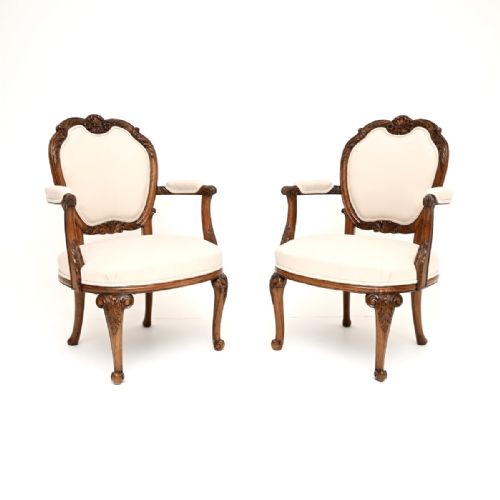
When you search for edwardian salon furniture, you encounter matching suites, settees, and armchairs designed for formal entertaining and comfortable reception rooms. The pieces span from the late Victorian era through the Edwardian period, often reflecting the transitional tastes of the turn of the twentieth century.
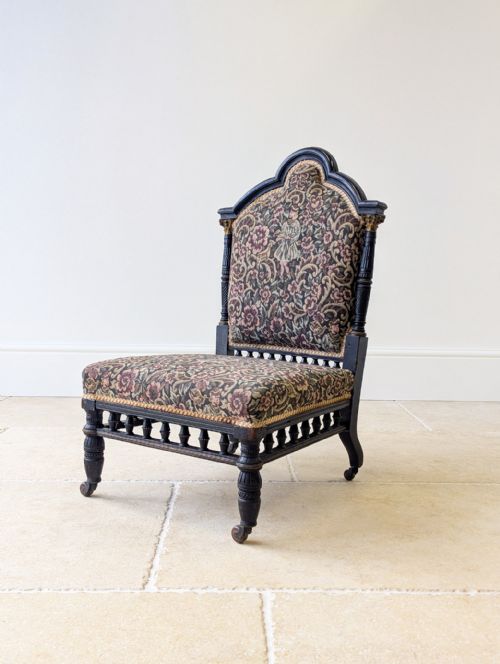
You are most likely to meet mahogany and rosewood framed seating, frequently embellished with boxwood inlay and paired with velvet, damask, or woven fabric upholstery. These groupings range from single occasional chairs to complete three-piece and five-piece parlour suites.
The aesthetic bridges the ornate carving of nineteenth-century revival styles with the lighter, cleaner lines that defined the early twentieth century. Parlour suites and salon sets offer a cohesive look designed to furnish a complete entertaining space in one unified style.
Materials and construction methods
Cabinet makers utilised dense hardwoods such as mahogany and rosewood, alongside walnut and oak, to provide a sturdy structural skeleton for carving and polishing. Fine details were achieved through contrasting boxwood inlay, setting geometric lines and floral motifs into the timber surfaces.
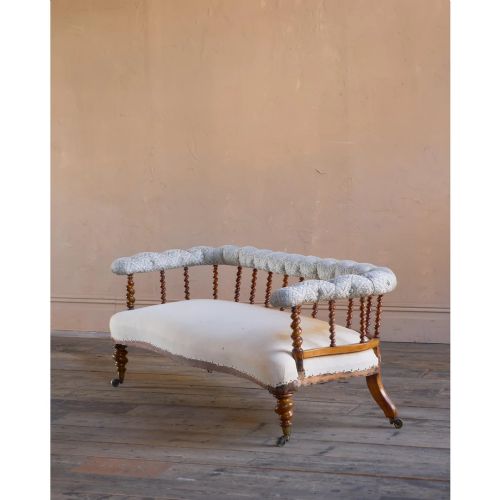
Upholstery relied on traditional stuffing techniques, securing supportive springs and horsehair beneath tactile coverings like velvet, damask, and patterned fabric. Brass fittings and castors often completed the framework, allowing heavy settees and chairs to be moved easily across carpeted drawing rooms.
Edwardian Salon Furniture Retail Price Guide 2026
Typical asking prices for edwardian salon furniture among the pieces listed under this phrase on Sellingantiques today, from the lower quarter to the upper quarter. They describe what is for sale here now, not the wider market.
Spindle backs and cameo frames ensure your drawing room gossip is conducted with maximum Victorian architectural dignity.
Evaluating quality and craftsmanship
The distinction between standard commercial pieces and finer examples rests on the crispness of the timber carving and the precision of the boxwood inlay. Superior sets demonstrate tight joinery and well-figured wood grains that have been hand-polished to a deep lustre.
Upholstery quality elevates a piece when original or period-correct textiles are employed with expert hand-tackwork, maintaining proper spring tension and supportive contours. Matching suites that have remained together without mismatched components or clumsy timber repairs command greater appreciation from collectors.
C. Hindley & Sons·Blyth & Sons·James Shoolbred
The Edwardian Salon Furniture Glossary
- Inlay
- A decorative technique where contrasting materials such as boxwood are set flush into the surface of the primary timber to create patterns. This method defines the refined appearance of Edwardian parlour seating.
- Salon suite
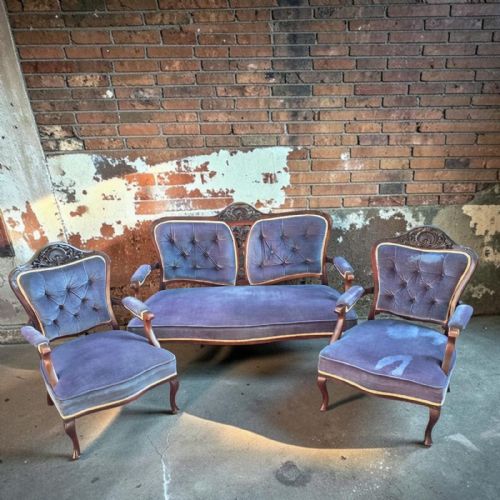
- A matched set of seating furniture, typically comprising a settee and several armchairs or occasional chairs, created to furnish a formal reception room. These groupings ensure a unified decorative scheme.
- Aesthetic Movement
- A late nineteenth-century design style that emphasised visual beauty and artistic reform over heavy historicism. Pieces from this movement often feature ebonised finishes and understated decorative lines.
- Damask
- A reversible patterned fabric traditionally woven on a jacquard loom, frequently utilised for upholstering formal drawing room seating. Its textured surface catches the light to highlight intricate floral or geometric motifs.
Edwardian Salon Furniture: Frequently Asked Questions
What pieces make up a salon suite?
A standard salon suite typically includes a two-seater settee paired with matching armchairs or occasional chairs designed for a drawing room. Larger configurations may expand to include five or seven pieces for expansive entertaining spaces.
These coordinated groupings allowed Victorian and Edwardian households to present a unified interior design scheme without mixing disparate chair styles.
How do I distinguish Edwardian from Victorian furniture?
Edwardian furniture generally favours lighter timbers, slender proportions, and delicate boxwood inlay, reflecting a shift towards brighter domestic interiors. Victorian pieces often display heavier carved walnut or mahogany frames with darker finishes and more robust proportions.
Transition pieces from the late nineteenth century frequently blend these characteristics, showing early hints of Edwardian lightness within a Victorian architectural structure.
Where were these chairs and settees used?
These seating arrangements were primarily placed in drawing rooms, formal parlours, and reception spaces dedicated to receiving guests and hosting social gatherings. They served as both functional seating and decorative statements of hospitality.
Because they were meant for public rooms in the home, makers paid particular attention to the visible timber backs and decorative inlay seen from every angle.
How should I care for antique upholstered furniture?
Protect antique velvet and damask upholstery from direct sunlight to prevent fabric fading and degradation of historic textile fibres over time. Regular gentle dusting of the polished mahogany or rosewood frames keeps the timber surface nourished without moisture damage.
Avoid placing these delicate frames in areas with extreme temperature fluctuations to prevent timber shrinkage and loosening of the inlaid boxwood details.