



Edwardian Rural Landscape Art
Edwardian rural landscape art brings home the quiet fields, cottages and rivers of the early twentieth century through oil and watercolour.
Edwardian Rural Landscape Art
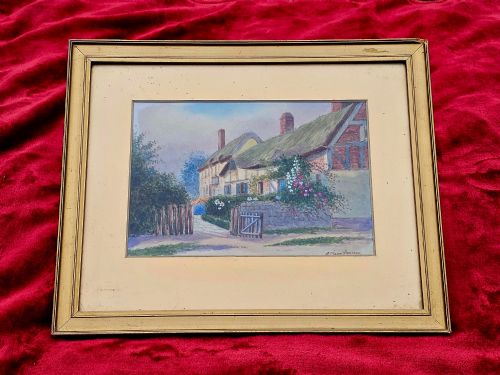
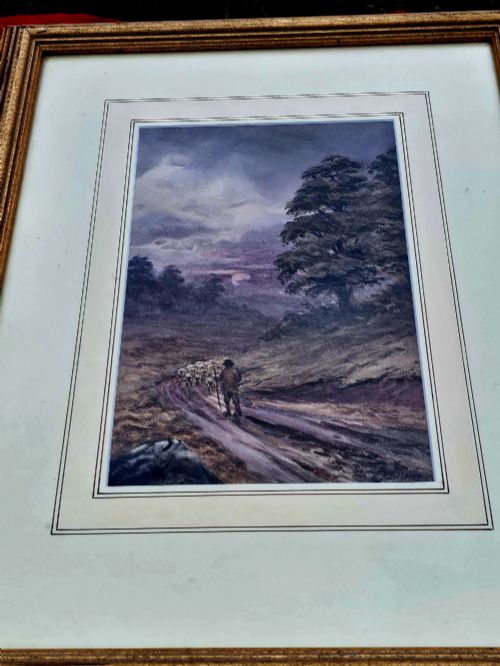
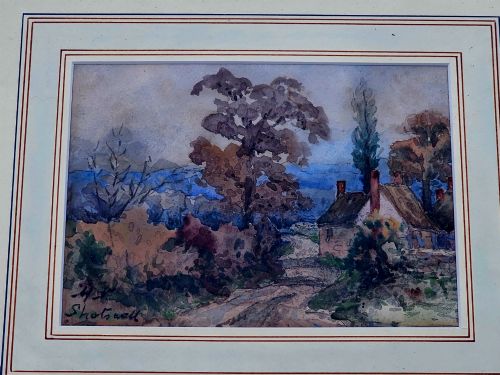
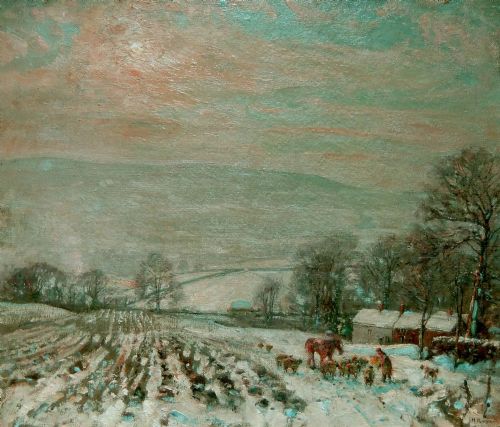
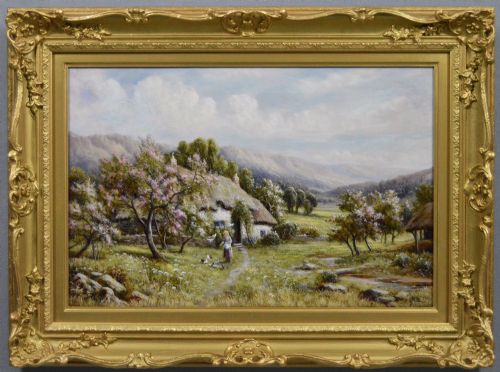
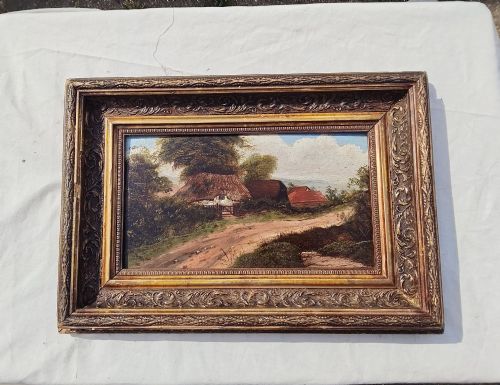
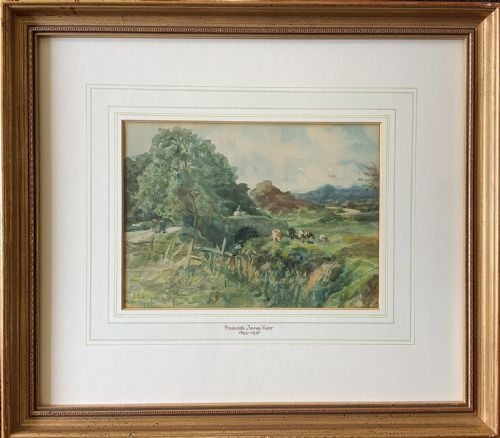
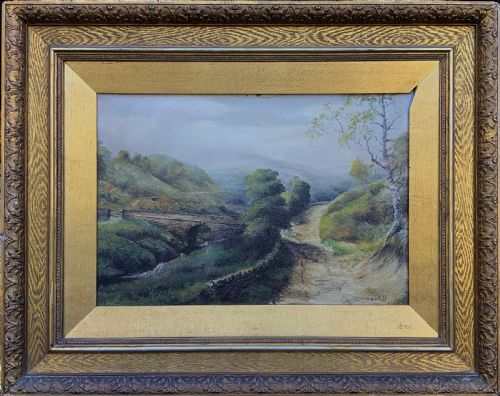
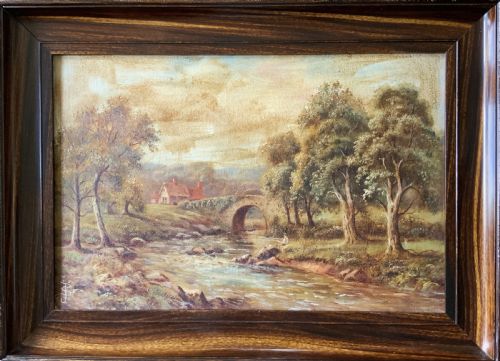
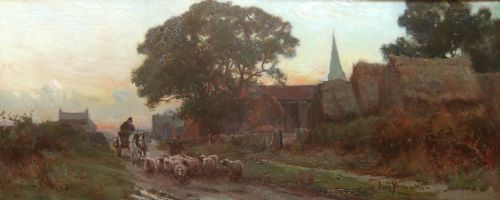
Edwardian rural landscape art captures the agricultural life, riverbanks, and thatched cottages of Britain during the early decades of the twentieth century. These works depict everyday country scenes such as sheep herding, haymaking, and cattle ploughing in watercolours and oils.
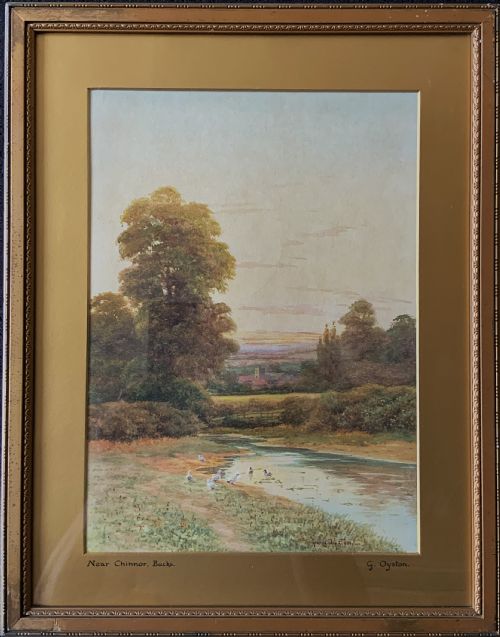
The selections available here rely heavily on regional British views, ranging from Yorkshire valleys to Dorset lanes. Painters of this period sought out the calm of the countryside, recording rural communities before the onset of modern industry.
Buyers searching for this phrase encounter framed watercolours on paper and oil paintings on canvas or card. The compositions frequently feature figures outside cottages or animals working in the fields under wide skies.
Materials and Methods
Artists of this era worked primarily with oil paint on canvas or board, and watercolour pigments on heavy paper. Oils allowed for rich, textured applications of paint in farmyard scenes, while watercolours captured the soft light of rural skies and streams.
Support materials varied from stretched canvas and oil on card to original etchings pulled by hand. Framing played a central role, with period wood frames enclosing the paintings to protect the delicate paper and pigment.
Represented periods span the Victorian era, the Edwardian years, and the early twentieth century.
Distinguishing Quality in the Field
The survival of the original surface condition separates standard works from finer examples. Subtle tonal transitions in watercolours and stable pigment layers in oils indicate superior execution by trained hands.
Herbert Royle·Robert John Hammond·George Oyston·Frederick James Kerr·Sydney Yates Johnson·Owen Bowen·Herbert Dicksee·Edgar Woollatt·Oswald Garside·Henry Charles Fox·Cuthbert Crossley·James William Booth·Henry John Yeend King·William Greaves·Ernest Pile Bucknall·William Sydney Cooper·M C Hider·John Atkinson·Frederick James Knowles·Frederick W Jackson·Linnie Watt·Ernest Higgins Rigg·George Soper·Lorenzo Headley·William Joseph Boyes
The Edwardian Rural Landscape Art Glossary
- Watercolour
- A painting method where fine pigment is suspended in a water-based solution and applied to paper. It offers transparent washes of colour that evoke atmospheric light.
- Oil on Canvas
- A technique utilising pigment mixed with drying oil applied to a stretched woven fabric support. This combination permits deep colour saturation and textured brushwork.
- Etching
- A printmaking process where lines are bitten into a metal plate with acid before ink is applied. The plate transfers the design onto paper under high pressure.
- British Impressionism
- An artistic approach focusing on light, brushstroke texture, and everyday subjects. Painters in this style moved outdoors to capture natural outdoor effects.
- Pastoral
- A genre of art depicting rural life and agricultural scenes in an idealized or peaceful manner. These works emphasise the simplicity of country living.
Edwardian Rural Landscape Art: Frequently Asked Questions
What subjects appear in these paintings?
The compositions show working farms, thatched cottages, rivers, and cattle in fields. Artists recorded daily agricultural labour and quiet country paths.
Scenes frequently include figures harvesting crops, herding sheep to market, or working near village streams across various British regions.
How do watercolours differ from oils here?
Watercolours utilise pigment on paper to create transparent washes of light and atmosphere. They require protective glass framing to prevent moisture damage.
Oils employ pigment suspended in oil on canvas or card, offering heavier texture and greater durability without surface glazing.
Which periods do these artworks date from?
Most pieces originate from the Edwardian era and the surrounding decades between the late nineteenth century and the nineteen-thirties. The styles reflect late Victorian realism transitioning into British impressionism.
Artists active during this timeframe painted traditional rural views before modern changes altered the countryside.
How should I display a watercolour at home?
Watercolours need protection from direct sunlight to prevent fading of the delicate pigments on paper. Framing behind conservation glass helps maintain the paper stability.
Keeping the artwork away from damp walls ensures the mount and paper remain free from moisture spots over time.