


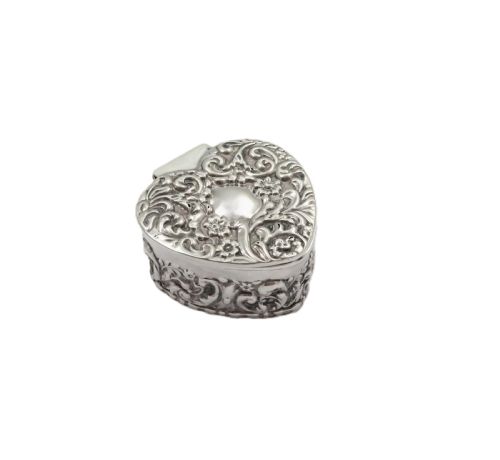


Edwardian Ring Dish
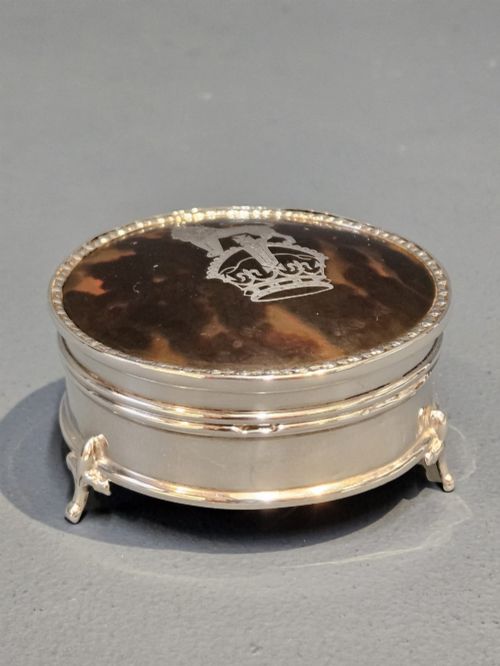
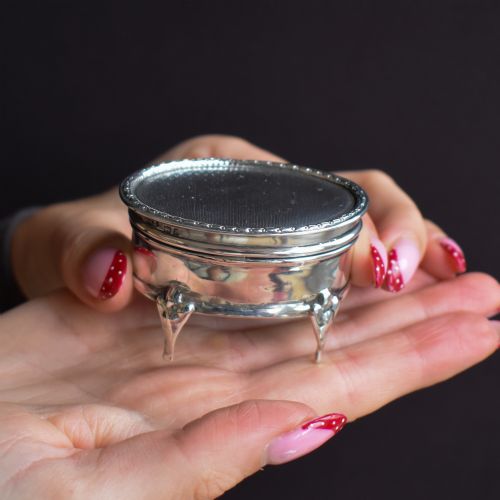
These pieces for an edwardian ring dish offer small, practical dressing table storage made from sterling silver, tortoiseshell, cut glass, and porcelain.
Edwardian Ring Dish
When you search for an edwardian ring dish, you encounter small receptacles intended for the dressing table to hold jewellery, hairpins, and rings. The selection includes dishes, ring trees, trinket boxes, and fitted jewellery boxes originating from the Edwardian era, alongside items from the Victorian period and the reign of George V.
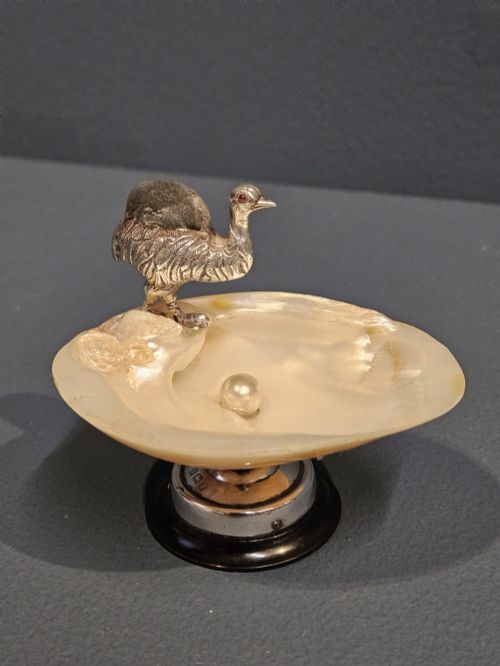
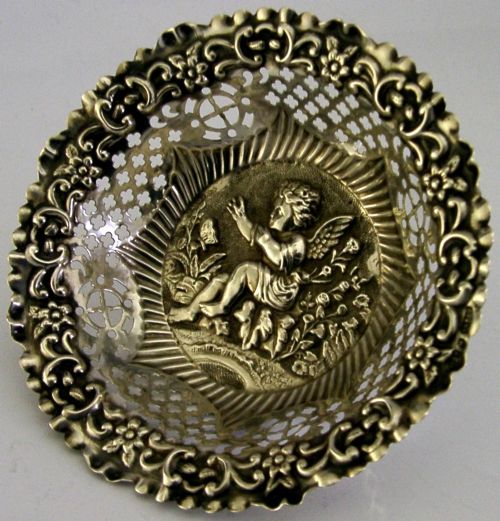
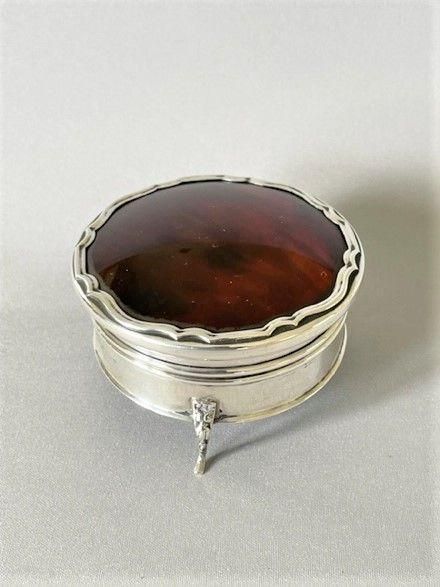
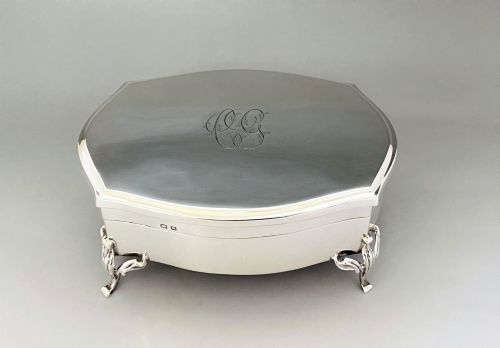
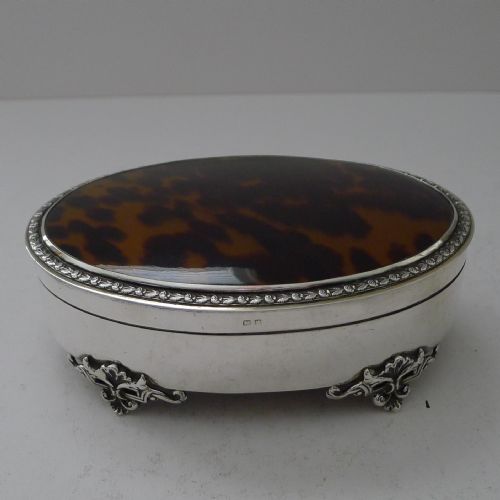
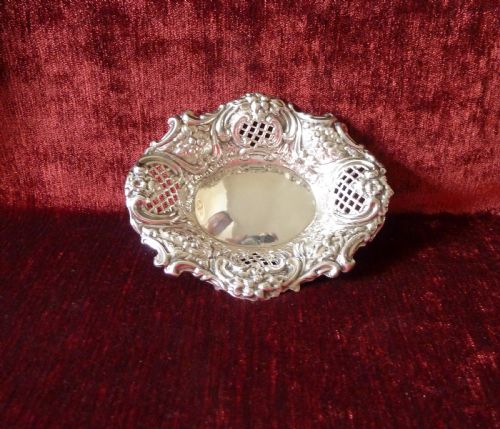
The most common forms on this page take the shape of small sterling silver pin dishes, heart-shaped boxes, and lidded containers often lined or detailed with tortoiseshell, cut glass, porcelain, and French faience. Pieces range from simple circular bowls to elaborate caskets and dressing table sets with cherub relief decoration.
Materials and construction
Makers utilised sterling silver as the primary structural metal, shaping it through techniques like hammering, casting, and repousse work to create relief patterns such as cherubs. Hallmarks stamped into the silver record the assay office, city, and year of production.
Other items combine silver with tortoiseshell overlays, heavy cut glass bases, or hand-painted ceramic bodies including porcelain and glazed faience. These varied materials required specialist mounting to secure glass inserts and delicate shell panels within metal frames.
Edwardian Ring Dish Retail Price Guide 2026
Typical asking prices for edwardian ring dish among the pieces listed under this phrase on Sellingantiques today, from the lower quarter to the upper quarter. They describe what is for sale here now, not the wider market.
Listings feature sterling silver, tortoiseshell, cut glass, porcelain, and French faience across Edwardian, Victorian, and George V periods.
Judging quality in domestic silver and ceramics
Quality rests upon the crispness of detail in the metalwork, such as the depth and definition of repousse relief decoration on silver surfaces. Pieces showing sharp casting and clear, legible hallmarks sit above plain or worn examples.
The choice and combination of secondary materials also differentiate items, where unblemished tortoiseshell, heavy cut glass with sharp facets, and intact porcelain glazes elevate the overall standard of a dressing table piece.
Thomas Bradbury & Sons·William Neale & Sons·Henry Williamson Ltd
The Edwardian Ring Dish Glossary
- Sterling silver
- A silver alloy containing 92.5 percent pure silver and 7.5 percent other metals, usually copper, used widely for British dressing table wares. It provides durability while maintaining a bright metallic lustre.
- Tortoiseshell
- A material derived from the shell of certain turtle species, noted for its mottled amber and brown patterns. It was frequently inlaid or overlaid onto silver boxes.
- Repousse
- A metalworking technique where the artist hammers the metal from the reverse side to form a raised design in relief on the front. This method creates decorative scenes like cherubs on box lids.
- Hallmark
- A series of official marks stamped on precious metals indicating the standard of purity, the maker, the assay office, and the year of assay. These marks date British items precisely.
- Faience
- Tin-glazed earthenware produced in various European centres, known for colourful painted designs under a glossy glaze. It appears on pin trays alongside porcelain.
Edwardian Ring Dish: Frequently Asked Questions
What is a ring tree?
A ring tree is a small vertical stand designed specifically to hold several rings on its upright branches when removed at night or during washing. They typically feature a small saucer base to catch loose pins.
These items formed part of matching dressing table sets alongside brushes and powder boxes. They kept small valuables organised and visible on the surface of a vanity.
How do I date these silver items?
British pieces carry hallmarks that include a date letter corresponding to a specific year and assay office. Checking these stamps reveals the exact year of manufacture.
Additional clues come from the stylistic traits of the Edwardian period and the reign of George V. Makers often registered their sponsor's mark at the same time.
Were these boxes lined inside?
Many jewellery boxes and caskets feature internal linings made from silk, velvet, or satin to protect delicate items from scratching. Over time, these fabric linings can show wear or may be replaced.
Trinket dishes and pin trays are generally unlined, consisting entirely of solid silver, glass, or ceramic. Boxes with fitted compartments often retain their original padded bases.
How should I clean silver and tortoiseshell?
Sterling silver requires a soft cloth and a gentle silver polish formulated to remove tarnish without scratching the surface. Care must be taken around tortoiseshell and fabric linings to avoid moisture damage.
Storage in a dry environment prevents rapid retarnishing and protects organic materials like tortoiseshell from cracking. Gentle dusting is sufficient for regular maintenance.