




Edwardian Pottery Vessel
An edwardian pottery vessel brings tactile warmth to a room through rich glaze and honest studio craft.
Edwardian Pottery Vessel
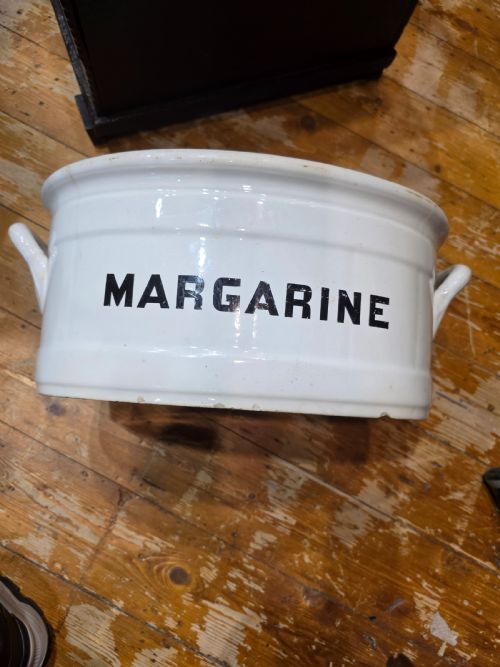
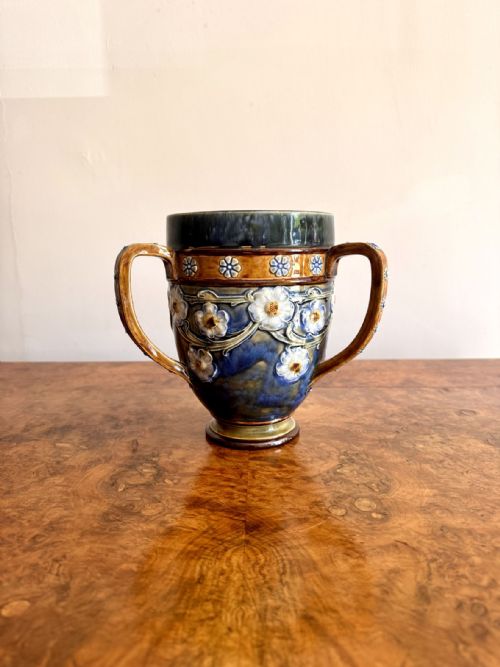
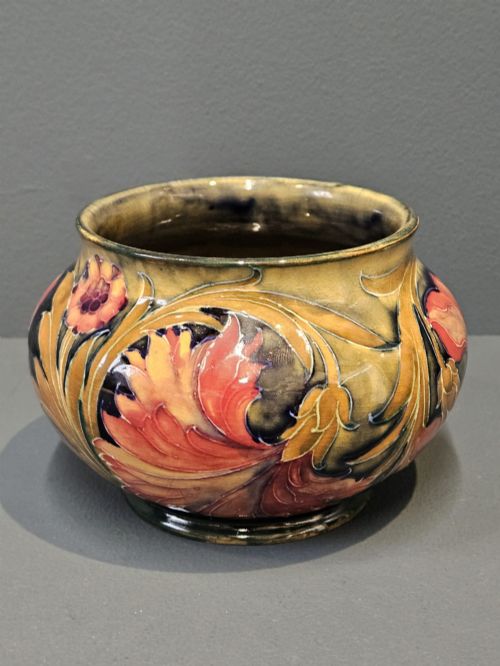
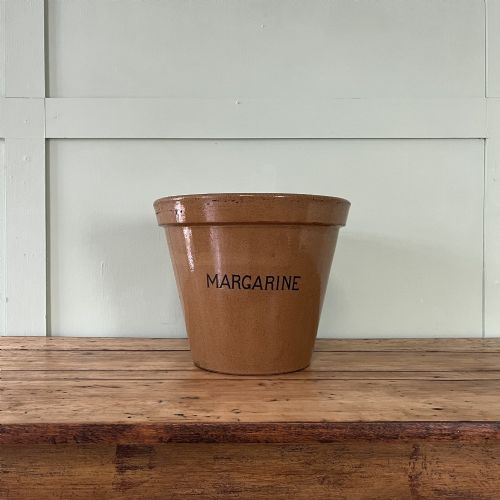
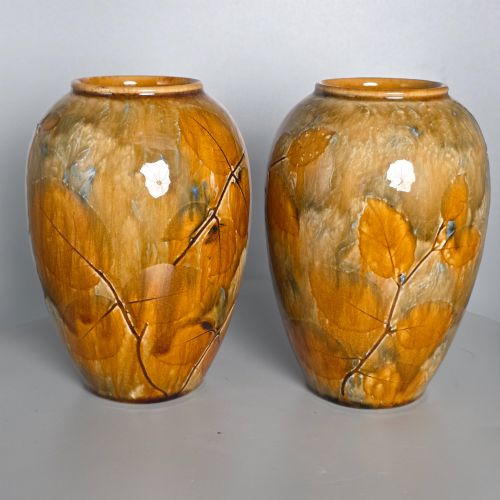
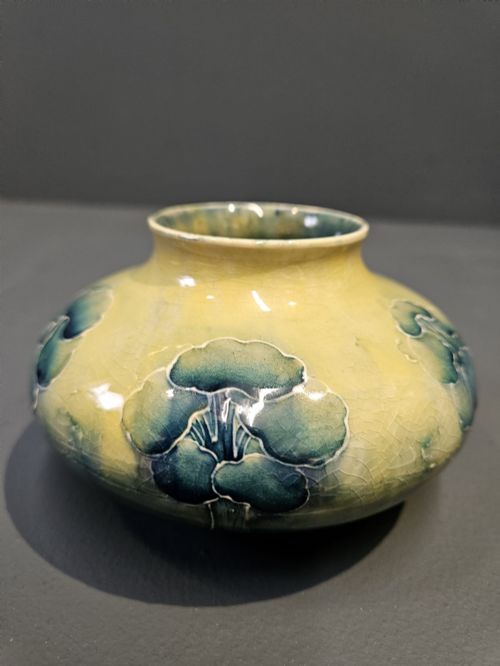
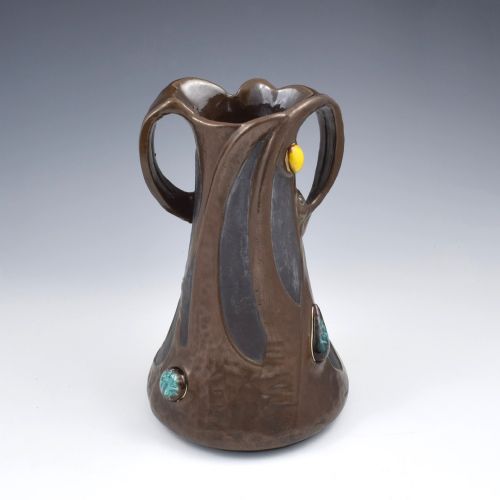
When searching for an edwardian pottery vessel, a buyer encounters a diverse group of ceramic objects shaped during the early twentieth century and the preceding Victorian era. These pieces include decorative vases, ewers, bowls, and utilitarian forms like chamber pots and storage crocks that reflect domestic life of the period. Most items met on this page belong to the broad umbrella of Art Nouveau and Arts and Crafts movements, displaying characteristic organic motifs and experimental studio glazes.
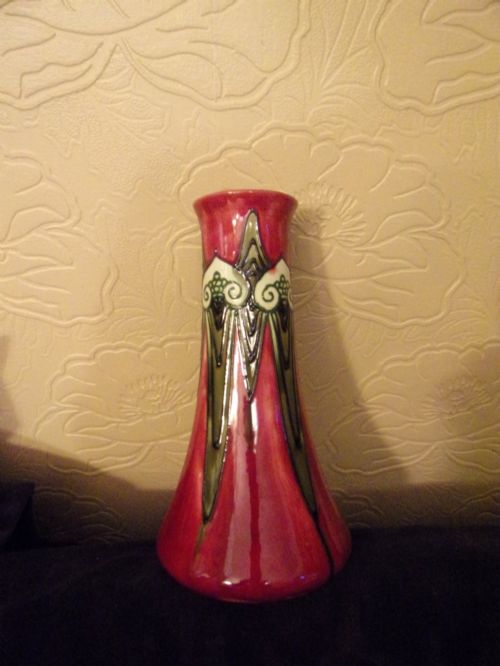
Makers of the period utilised earthenware, stoneware, and porcelain, frequently translating architectural or natural themes into small-scale decorative objects. The selection ranges from monumental Satsuma bowls and salt-glazed puzzle jugs to delicate tube-lined floral vases made for retail houses like Liberty. Buyers find both mass-produced tableware variants and singular artist-signed studio pieces originating from prominent potteries across Britain and beyond.
How they were made
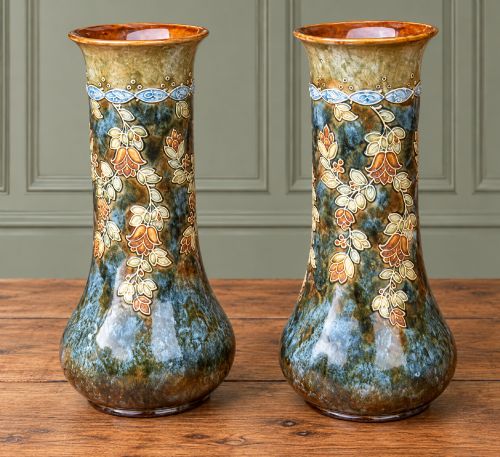
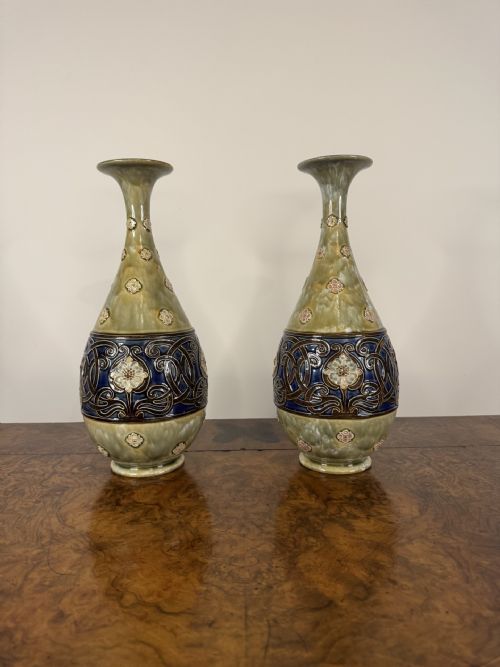
Potters of this era relied on durable stoneware and fine earthenware bodies, shaped by hand or cast in moulds before receiving heavy coats of glaze. Techniques such as tube lining created raised outlines to hold vibrant enamels, while salt-glazing produced characteristic orange-peel textures during high-temperature kiln firing.
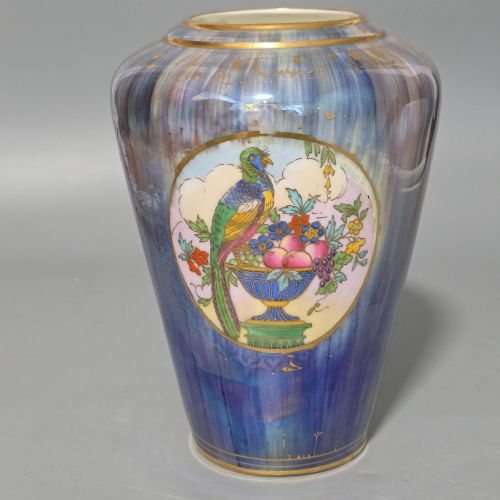
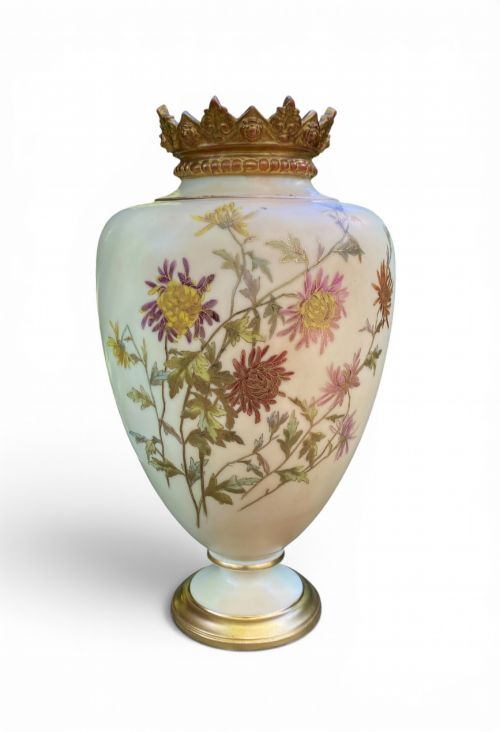
Surface decoration frequently incorporated metallic oxides, copper effects, or crystalline glazes that flowed and crystallized organically in the heat. Artisans added final touches through hand-painting, gold leaf highlights, or applied cabochons, ensuring each vessel bore the distinct imprint of workshop handling.
Edwardian Pottery Vessel Retail Price Guide 2026
Typical asking prices for edwardian pottery vessel among the pieces listed under this phrase on Sellingantiques today, from the lower quarter to the upper quarter. They describe what is for sale here now, not the wider market.
At least one spaniel looks out patiently from a Victorian Toby jug, guarding the sideboard with ceramic loyalty.
What varies in quality
Quality rests in the crispness of the modelled form and the intentional control of complex glaze chemistries during kiln firing. Superior examples display precise hand-painting, clear tube-lined definitions, and rich colour depth that avoids muddiness.
The reputation of the studio and the specific hand of a named decorator elevate an ordinary production item into a significant collectible. Balance in proportion, the integrity of applied decorative elements, and the absence of clumsy glaze pooling separate standard commercial output from the finest workshop expressions.
Royal Doulton·William Moorcroft·Ruskin Pottery·Wedgwood·Minton
The Edwardian Pottery Vessel Glossary
- Tube lining
- A decorative technique where liquid clay slip is squeezed through a nozzle onto a vessel body to form raised outlines for subsequent enamelling.
- Crystalline glaze
- A specialised chemical glaze formula that allows zinc silicate crystals to grow visibly across the ceramic surface during cooling.
- Salt glaze
- A vitreous finish achieved by throwing common salt into the kiln during high-temperature firing, creating a textured surface resembling orange peel.
- Agateware
- Pottery fashioned from mixed clays of different colours to produce a banded, marbled pattern emulating natural stone.
- Slater's patent
- A Doulton manufacturing method using lace or textured materials pressed into damp clay to create intricate patterned backgrounds beneath glazes.
Edwardian Pottery Vessel: Frequently Asked Questions
How do I identify an Edwardian piece?
Look for stylistic hints such as flowing Art Nouveau floral motifs, Arts and Crafts textured finishes, and specific maker marks associated with the early twentieth century.
Date ciphers and registration numbers stamped into the ceramic base often provide precise manufacturing years to confirm the era.
Were these vessels meant for display?
While many decorative vases and ewers served strictly to adorn drawing rooms and mantelpieces, others fulfilled practical domestic roles.
Items like storage crocks, chamber pots, and loving cups began as functional household objects before surviving as decorative display antiques.
What is tube-lined pottery?
Tube lining involves trailing liquid clay from a small bulb onto the unglazed vessel to build up raised outlines.
Artisans then fill the resulting cells with coloured enamels or glazes before firing, creating a stained-glass effect on the ceramic surface.
How should I display pottery at home?
Position vessels away from direct sunlight to protect sensitive enamel colours and delicate gold leaf highlights from fading.
Ensure larger stoneware crocks and bowls rest on stable, level surfaces that adequately support their considerable weight.