








Edwardian Portraiture
Edwardian portraiture captures the character and society of the early twentieth century through oil on canvas, board, and pastel works.
Edwardian Portraiture
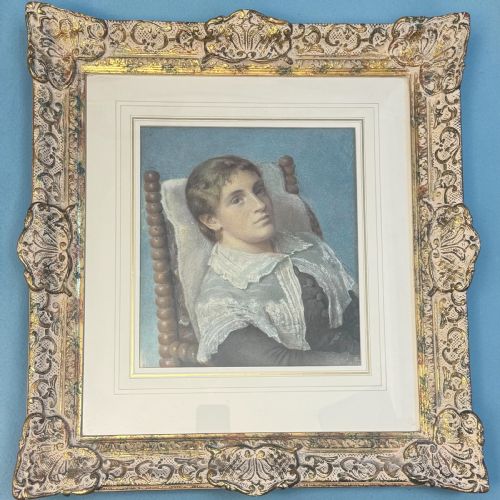
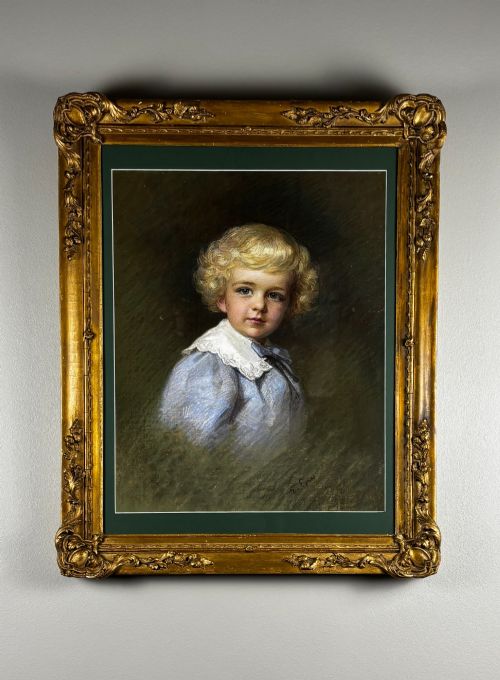
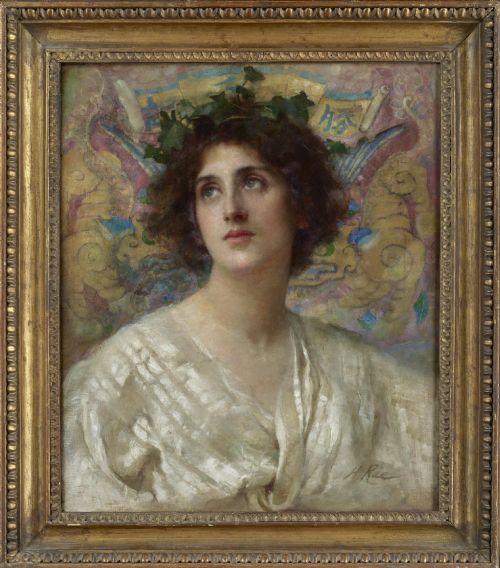
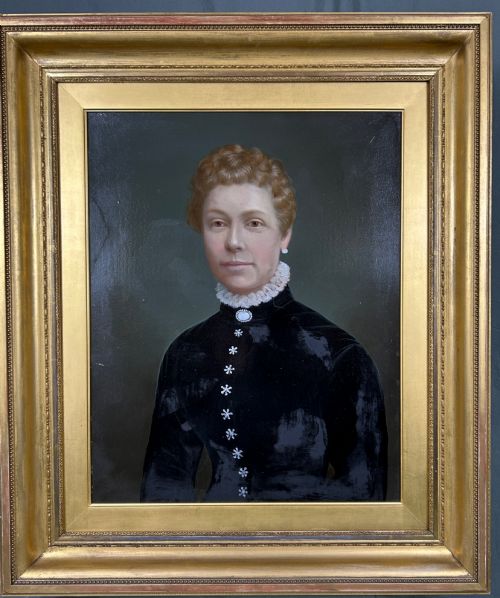
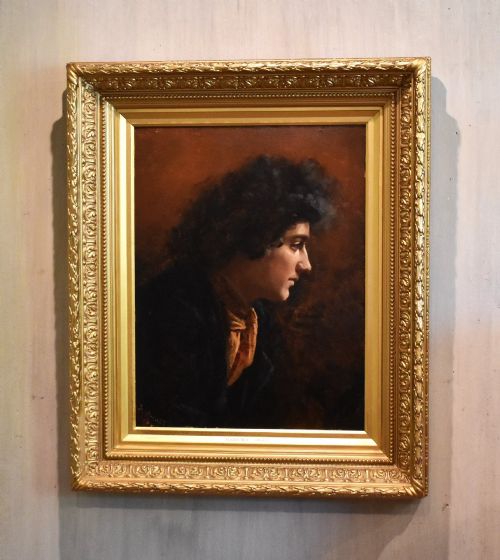
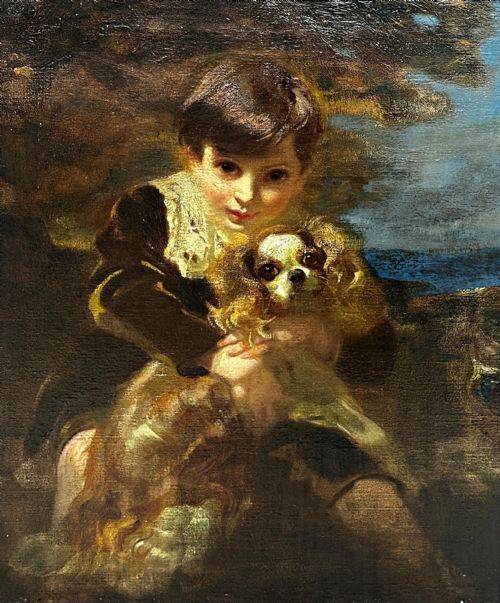
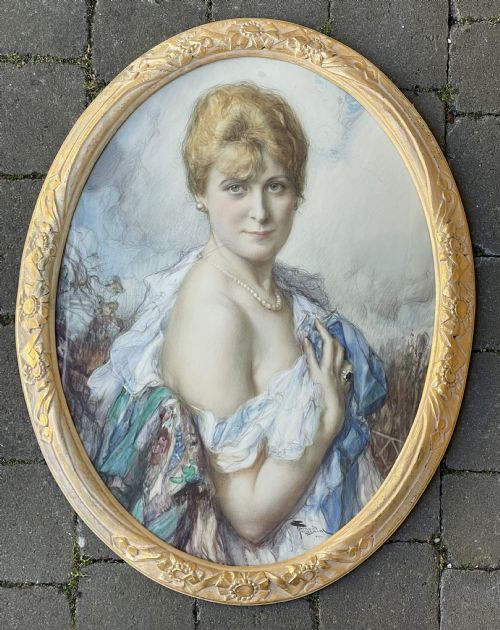
Edwardian portraiture encompasses oil paintings, pastel drawings, and watercolours depicting aristocratic figures, children, and animals from the late nineteenth and early twentieth centuries. These works reflect the stylistic transition from Victorian classicism and Victorian sporting art into Belle Epoque elegance and early twentieth-century realism.
The objects span periods from the late nineteenth century through to the Edwardian era and slightly beyond, capturing distinct approaches to clothing, pose, and expression. Works vary from large-scale oil paintings in giltwood frames to unframed canvases and delicate pastels on paper under glass.
Materials and Technique
Artists working in Edwardian portraiture primarily applied oil paint to stretched canvas or prepared board, utilising rich pigments to capture the textures of velvet dresses, lace collars, and military uniforms. Pastels and watercolours on paper offer a lighter, more immediate medium, particularly favoured for intimate studies of children.
Framing plays an integral role in the presentation of these works, with many pieces retained in their original giltwood frames that enhance the visual weight and period authenticity of the painting.
Edwardian Portraiture Retail Price Guide 2026
Typical asking prices for edwardian portraiture among the pieces listed under this phrase on Sellingantiques today, from the lower quarter to the upper quarter. They describe what is for sale here now, not the wider market.
Listings feature works executed in oil paint, watercolour, and pastel on canvas, board, and paper.
Assessing Quality
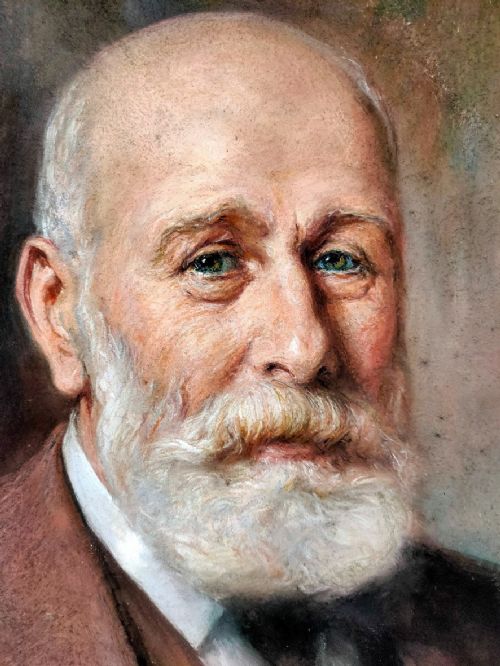
Quality in Edwardian portraiture rests upon the artist's command of likeness, anatomical proportion, and psychological depth. Superior works reveal confident brushwork and nuanced handling of light on skin and fabric, whereas lesser examples rely on formulaic poses and stiff rendering.
The distinction between a workshop piece and a master's hand is visible in the subtlety of the colour palette and the articulation of the sitter's expression, particularly in the rendering of eyes and hands.
G. J. S. Bary·Emily Eyres·Henrietta Rae·Florence Small·Frank Moss Bennett·Fernand Toussaint·Frank Owen Salisbury·Charlotte Blakeney Ward·John Seymour Lucas·John Dalziel Kenworthy·Frank Samuel Eastman
The Edwardian Portraiture Glossary
- Oil on Canvas
- A painting medium where pigment suspended in drying oil is applied to a woven fabric support. This was the primary method for formal portraiture due to its durability and depth of colour.
- Giltwood
- Wood carved and coated with gold leaf or a gold-coloured metallic finish. These frames were specifically designed to complement the tonal range of the portrait within.
- Pastel
- A dry drawing medium consisting of pure powdered pigment and a binder. Pastel portraits on paper offer a velvety texture and require protection under glass.
- Portrait Sketch
- A rapid preparatory study or informal painting executed to capture a sitter's likeness quickly. These works often display looser brushwork than formal commissions.
Edwardian Portraiture: Frequently Asked Questions
How do I identify Edwardian portraiture?
Edwardian portraiture is identified by the clothing, hairstyles, and artistic styles characteristic of the period between the late nineteenth century and the outbreak of the First World War. Look for soft-focus backgrounds, elegant Belle Epoque styling, and distinct artist signatures.
Many pieces are dated or attributed to artists active during this specific window, often recorded on the canvas reverse or within exhibition records.
Were these portraits always commissioned?
While many large oil portraits were formal commissions for stately homes and public figures, artists also painted family members, literary figures, and pets as intimate studies. Sketch portraits and pastel drawings were frequently created for personal rather than public display.
This variety means collections include both grand society representations and smaller, domestic works.
How should I care for an oil portrait?
Oil paintings on canvas or board require stable environmental conditions away from direct sunlight and severe humidity fluctuations. Dust should be removed gently from the surface and the surrounding giltwood frame using a soft, dry brush.
Avoid using liquid cleaners or attempting to clean the painted surface independently, as older varnishes can be sensitive to moisture.
Why do some portraits feature animals?
Animals frequently appeared in Edwardian portraiture to reflect the status, lifestyle, and personal affections of the sitter. Dogs, particularly spaniels and sporting breeds, were regular companions in domestic and sporting art.
Including a pet added warmth and narrative depth to the composition, highlighting the leisure pursuits of the Edwardian household.