

Edwardian Portrait Photo
An edwardian portrait photo brings the intimate gaze of the early twentieth century into a room, framed in sterling silver or carved wood.
Edwardian Portrait Photo
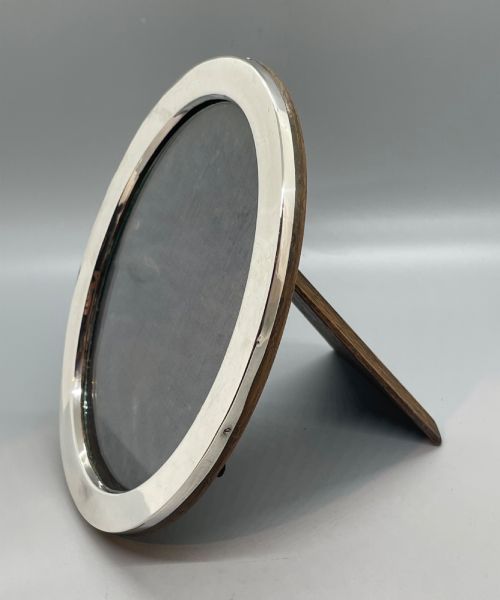
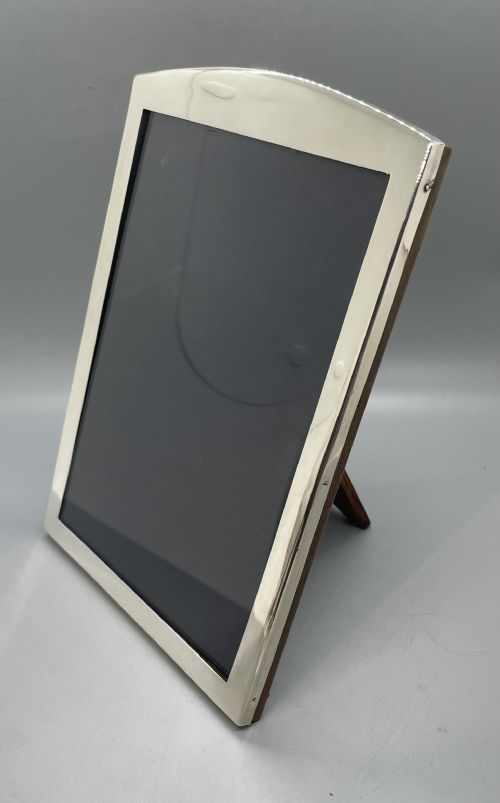
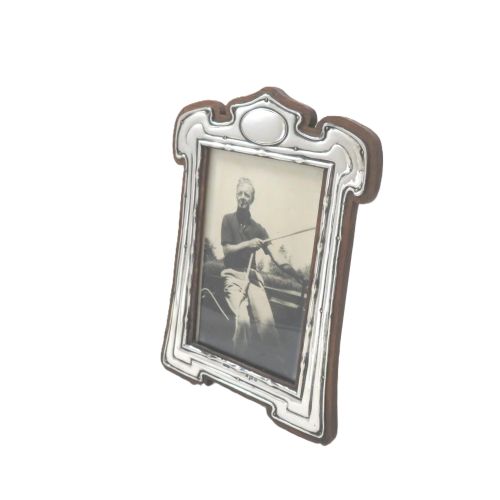
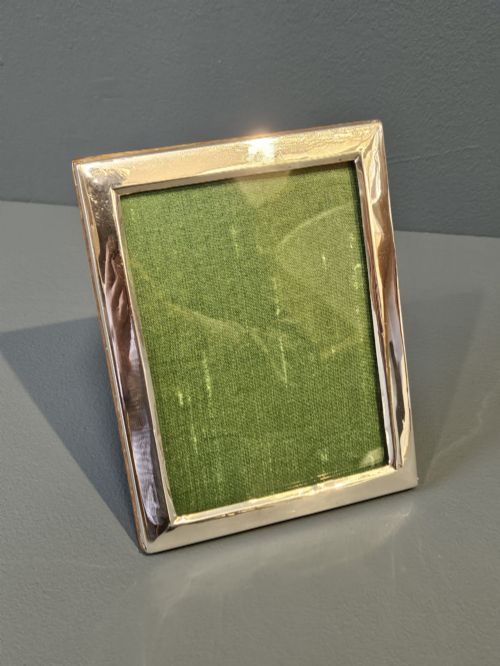
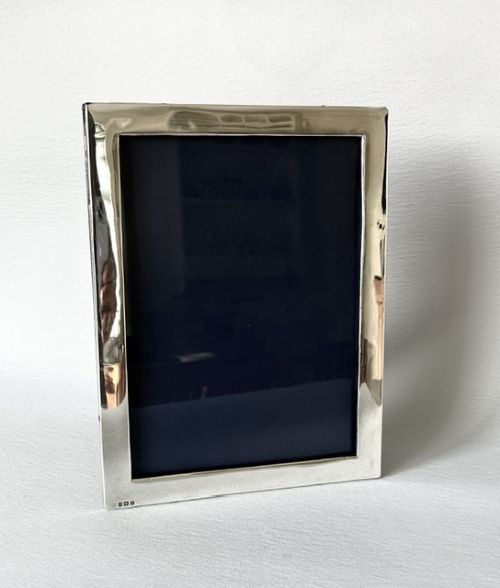
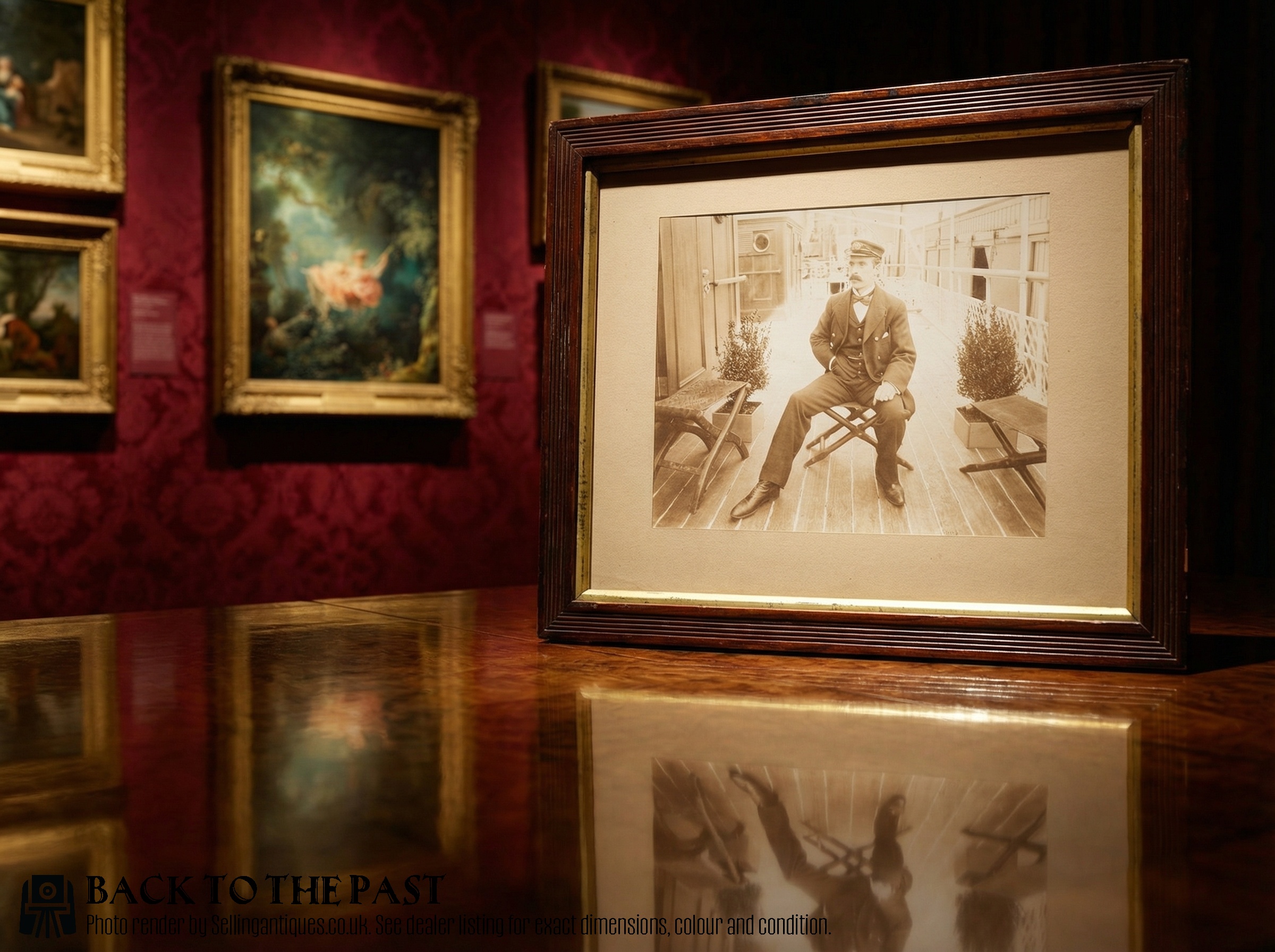
An edwardian portrait photo selection centres on picture frames and photograph frames produced during the early decades of the twentieth century. These pieces preserve studio portraiture and personal likenesses from periods spanning the Victorian era through to the 1920s.
Buyers meet silver photograph frames most frequently on this page, alongside framed photography, lockets, and occasional wood or glass pieces. The objects capture a distinct era of domestic display where family portraits held a central place in the parlour.
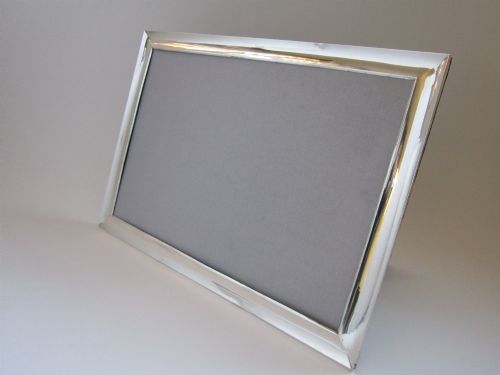
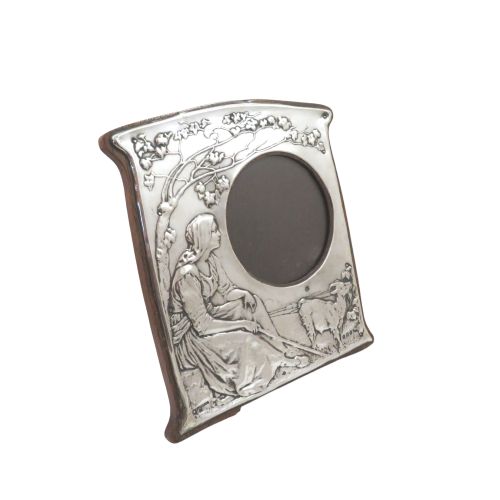
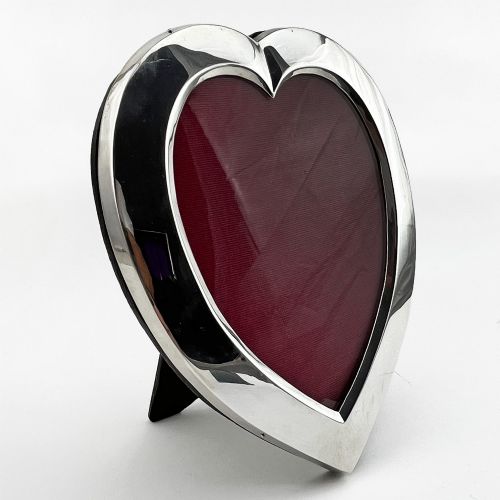
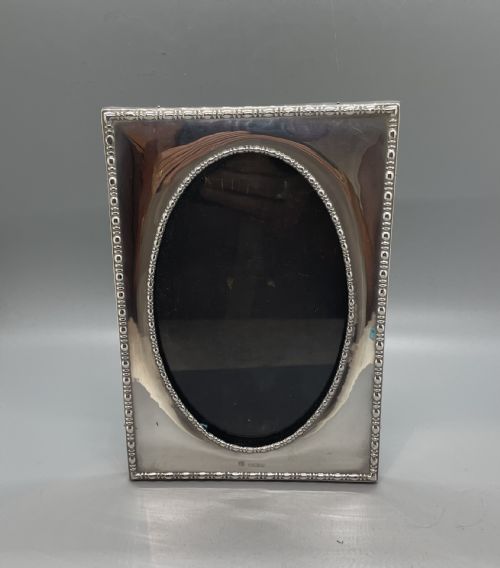
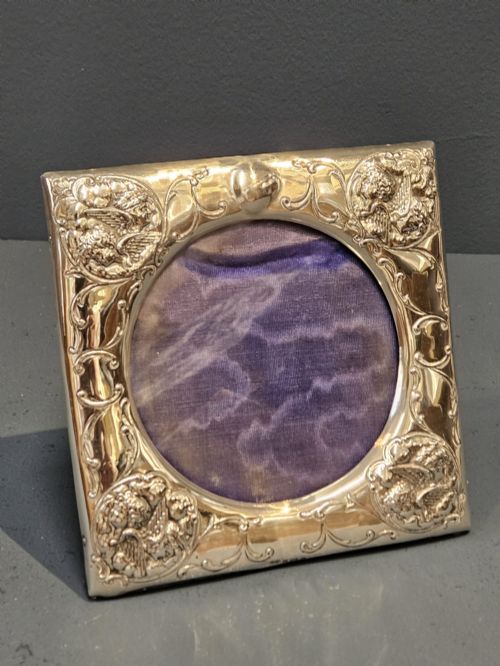
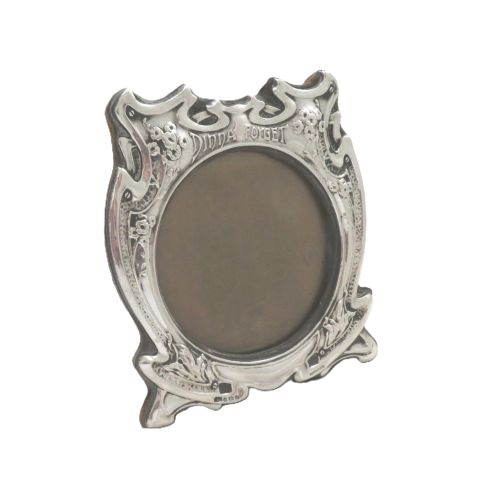
Origins stretch from Birmingham and Sheffield assay offices to broader British workshops, reflecting the prolific output of domestic silversmiths. Forms range from simple oval and heart shapes to large rectangular borders decorated with floral embossing.
Materials and Construction
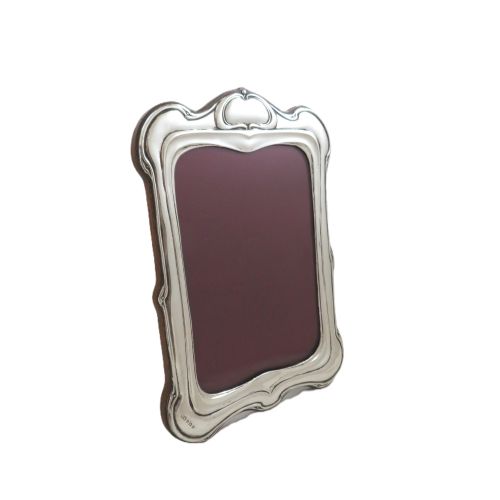
Makers shaped sterling silver and brass into intricate borders using stamping, embossing, and piercing techniques. These metal mounts were then fastened around wooden backs, often lined with fabric or velvet to support the glass front.
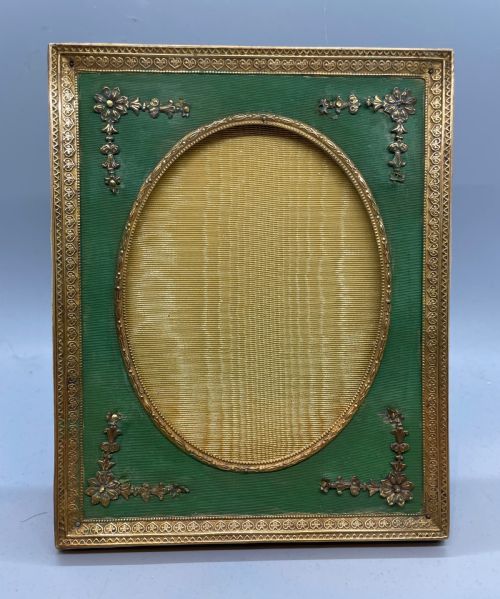
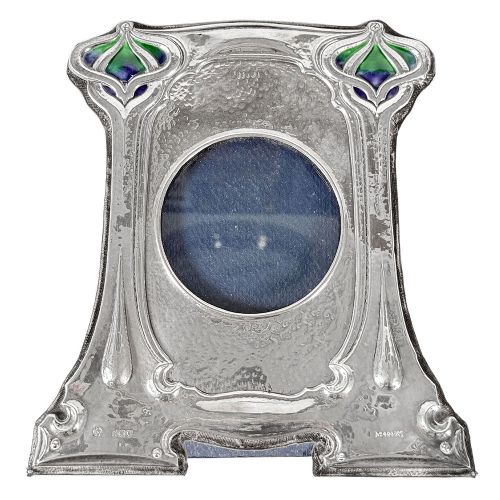
Artistic movements influenced the construction through organic motifs, seen in whip-like lines and enamel details applied to metal surfaces. Craftsmen also utilised gold, glass, and ormolu to create ornamental frames and pendant lockets.
Listings feature sterling silver, oak, glass, and velvet across Edwardian, Art Nouveau, and George V styles.
Factors That Distinguish Quality
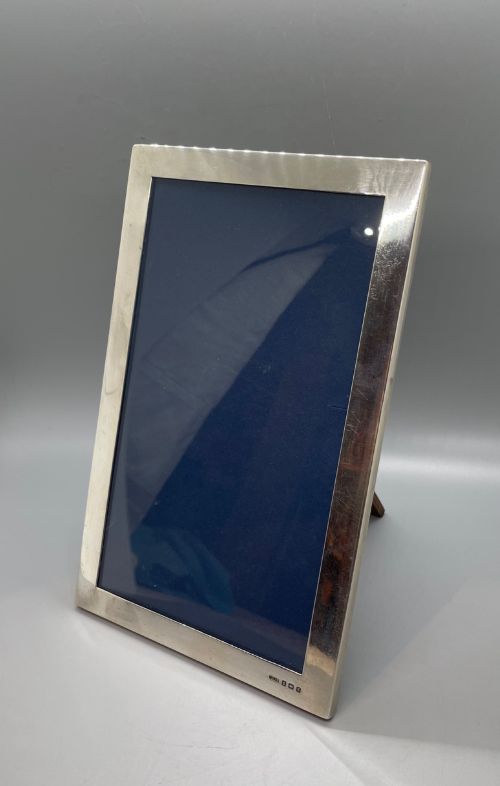
The crispness of the chased or embossed decoration determines the refinement of a silver frame. Deeply struck hallmarks from prominent assay offices confirm the weight and standard of the metal used by the maker.
The integrity of the structural backing and the original easel support reveal how well a piece survived daily domestic use. Retaining fitted glass, original bezels, and undisturbed velvet linings elevates the character of the object.
William Comyns·William Hutton and sons·W.I.Broadway and Co
The Edwardian Portrait Photo Glossary
- Hallmark
- A series of official marks stamped on precious metals, indicating the maker, assay office, and year of testing. These stamps provide the definitive timeline for dating silver pieces.
- Ormolu
- Gilded bronze or brass applied to decorative objects and photo frames. This technique yielded a bright golden finish popular during the Edwardian period.
- Repoussé
- A metalworking technique where the artisan hammers the design from the reverse side to create a raised relief on the front. Floral borders on photo frames frequently display this method.
- Bezel
- The retaining groove or rim that holds the glass securely in place over the photograph. It protects the image from dust and physical damage.
- Locket
- A small hinged pendant designed to hold a miniature portrait or lock of hair. These pieces often combined silver, gold, and glass.
Edwardian Portrait Photo: Frequently Asked Questions
How do I date a silver photo frame?
Examine the hallmarks stamped on the silver border, which record the assay office and the specific year letter. Birmingham and Sheffield were primary hubs for producing these items.
Style also offers strong clues, with flowing floral motifs indicating early Edwardian manufacture and geometric lines pointing towards later George V production.
What glass was used in these frames?
Original frames generally contain thin, hand-blown or early machine-rolled window glass with minor surface imperfections. This historic glass sits loosely within the bezel and secures with small metal tabs.
Replacements are common due to breakage over the decades, so inspecting the glass helps confirm originality.
How were these frames displayed originally?
Owners placed them on mantelpieces, writing desks, and dressing tables using built-in folding wooden struts covered in velvet or silk. Larger examples stood prominently on parlour sideboards.
Many featured versatile hinges allowing them to sit in either portrait or landscape orientation depending on the photograph inside.
Why do some frames feature fabric backs?
Wood panels lined with velvet, baize, or watered silk provided a soft cushion behind the delicate paper photograph. These fabric elements protected the image from abrasive wood acids.
Original textiles add considerable interest for collectors who value untouched domestic objects from the period.