


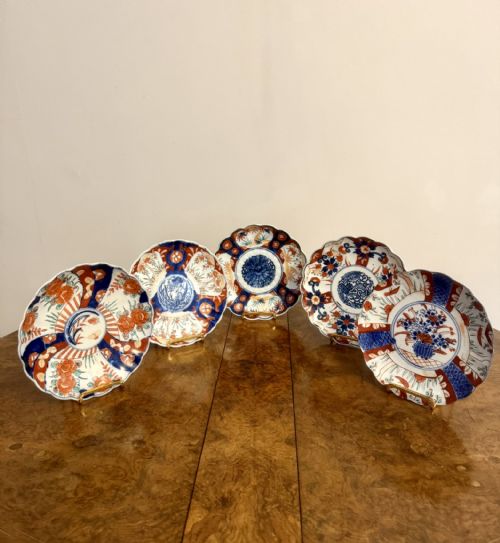
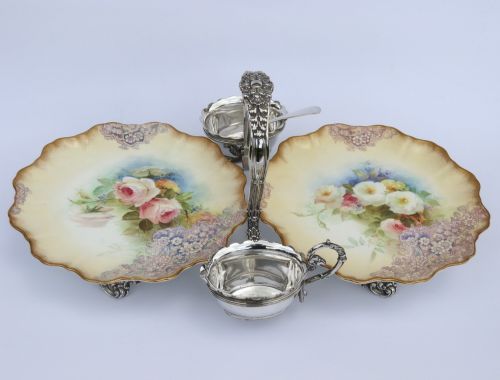


Edwardian Porcelain Set
An edwardian porcelain set brings useful elegance to the table or washstand, combining decorative flair with the daily utility of the period.
Edwardian Porcelain Set
When you search for an edwardian porcelain set, you encounter varied domestic groupings ranging from tea services and coffee cups to wash sets and cabinet plates. These domestic ceramics served formal entertaining and daily toilette routines in homes of the period.
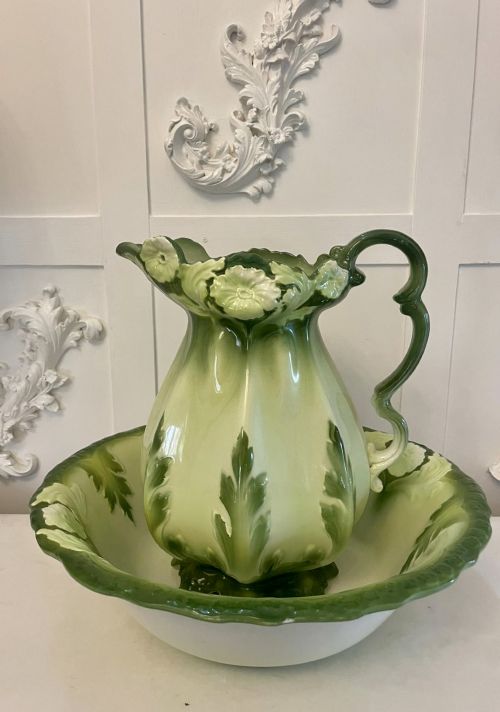
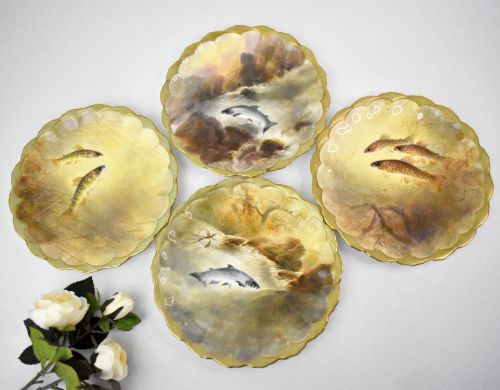
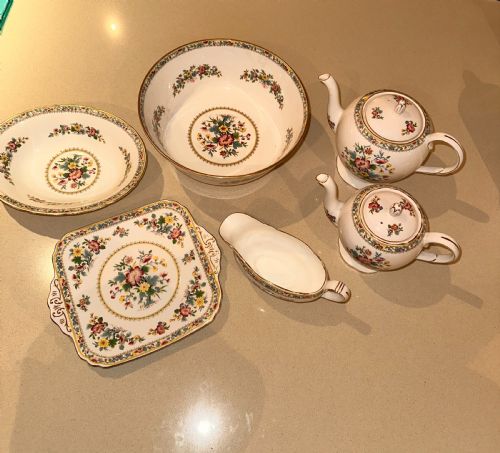
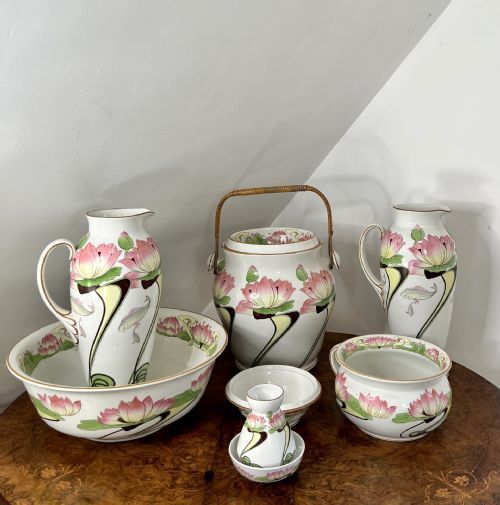
The most common versions met here include tea sets, wash jug and bowl sets, and decorative plates. Makers utilised bone china, earthenware, and standard porcelain across these forms, often applying hand-painting and gilding.
Pieces span tea trios, breakfast sets, and larger dinner services. The output reflects both traditional English manufacture and continental influences from the era.
How they were made
Potteries shaped these wares from porcelain, bone china, and earthenware, applying smooth glazes to seal the ceramic body. Kiln firing produced a durable base ready for subsequent artistic work.
Decorators added hand-painted motifs, enamel colours, and gold leaf highlights. Many items incorporated gilt bronze, brass, or silver-plated elements to complete the assembled set.
Edwardian Porcelain Set Retail Price Guide 2026
Typical asking prices for edwardian porcelain set among the pieces listed under this phrase on Sellingantiques today, from the lower quarter to the upper quarter. They describe what is for sale here now, not the wider market.
Some sets included dedicated egg cups and strawberry dishes, proving that historical breakfast routines involved surprising levels of specialisation.
What varies in quality
Quality rests in the precision of the hand-painting and the crispness of the gilt details applied over the glaze. Finer services display carefully executed brushwork on motifs such as flowers, birds, and patterns like bat wing or trailing daisies.
The composition of the ceramic body and the uniformity of the glaze determine the baseline standard of the piece. Well-balanced forms and clean lines separate standard commercial output from the finer works produced by leading potteries.
Walker and Hall·Doulton Burslem·Royal Doulton·Coalport·Royal Worcester·Royal Albert Crown China·Shelley·Wileman Foley Shelley·Royal Crown Derby·Copeland Spode·Gladstone potteries
The Edwardian Porcelain Set Glossary
- Bone china
- A type of soft-paste porcelain containing animal bone ash, producing a strong, milky-white ceramic body.
- Gilt
- A thin layer of gold applied to the surface of porcelain or metal mountings for decorative effect.
- Demitasse
- A small cup used for serving strong black coffee or espresso after a meal.
- Wash set
- A matching group of ceramic vessels, typically comprising a large jug and bowl, used for personal washing before indoor plumbing was common.
- Imari
- A style of ceramic decoration featuring rich underglaze blue and overglaze iron red, gold, and green, originating in Japan and copied in Europe.
Edwardian Porcelain Set: Frequently Asked Questions
What is an edwardian porcelain set?
An edwardian porcelain set comprises matching ceramic items intended for dining, tea service, or washing. These groupings reflect the domestic habits of the early twentieth century.
Items range from small coffee cups and saucers to extensive dinner services and wash jug and bowl sets.
How were these sets used?
Tea and coffee sets served guests during social gatherings and afternoon calls. Dining services presented courses at formal meals.
Wash sets stood on bedroom washstands to hold water for morning and evening cleaning routines.
How do I live with these pieces?
Display cabinet plates on walls or stands to protect their hand-painted surfaces from wear. Use tea and coffee sets carefully for special occasions.
Wash sets function well as decorative flower holders or stationary basins in period interiors.
How do I tell periods apart?
Examine the decorative style, maker marks, and material finishes. Art Nouveau influences and pastel palettes often point towards the Edwardian era.
Victorian pieces lean towards heavier ornamentation, while later twentieth-century items show simpler modernist tendencies.